
Navigating the educational landscape for young children is a significant undertaking for families, especially when relocating or planning for a child’s formative years. In Texas, the entry age for kindergarten is a crucial piece of information that parents and guardians need to understand. This guide aims to provide a comprehensive overview of kindergarten age requirements in the Lone Star State, ensuring families can make informed decisions about their child’s educational journey. Understanding these regulations is not just about meeting a deadline; it’s about ensuring children are developmentally ready and positioned for success in their early academic experiences.
Understanding Texas Kindergarten Age Requirements
The foundational age requirement for kindergarten admission in Texas is dictated by state law, aiming to ensure that children entering the formal education system are of a certain developmental maturity. This policy is designed to align with the educational curriculum and the social-emotional expectations of the kindergarten classroom.
The Legal Mandate: Age 5 By A Specific Date
In Texas, a child must be five years old on or before September 1st of the school year in which they enroll in kindergarten. This date is a firm cutoff, and exceptions are rarely granted without specific circumstances. The school year typically begins in late August or early September, making the September 1st birthday the critical benchmark for eligibility.
Early Childhood Development Considerations
The age requirement is not arbitrary; it is rooted in extensive research on early childhood development. By the age of five, most children have developed a range of cognitive, social, and emotional skills that are considered essential for kindergarten readiness. These include:
- Cognitive Skills: The ability to follow simple instructions, recognize basic letters and numbers, understand cause and effect, and engage in problem-solving.
- Social Skills: Sharing, cooperating with peers, resolving minor conflicts, and participating in group activities.
- Emotional Skills: Managing emotions, expressing needs appropriately, and exhibiting independence.
- Fine and Gross Motor Skills: Holding a pencil, cutting with scissors, hopping, skipping, and maintaining balance.
These developmental milestones are generally considered to be more consistently present in children who have reached the age of five by the designated cutoff date.
Variations and Special Circumstances
While the September 1st cutoff is the standard, there are specific situations and policies that families might encounter:
Early Entrance Programs
Some school districts in Texas may offer provisions for early entrance into kindergarten. These programs are typically reserved for children who demonstrate exceptional cognitive and social-emotional maturity, even if they do not meet the standard age requirement by September 1st.
- Assessment and Evaluation: To qualify for early entrance, children usually undergo a rigorous assessment process administered by the school district. This evaluation often includes tests measuring cognitive abilities, language development, social-emotional functioning, and academic readiness.
- Parental Petition: Parents typically need to formally petition the school district for their child to be considered for early entrance. This petition often requires documentation and evidence of the child’s advanced development.
- District-Specific Policies: It is crucial to note that early entrance policies vary significantly from one school district to another. Families interested in this option must consult the specific policies of the district where they reside or intend to enroll their child. Cities like Austin or Houston may have different approaches than smaller towns.
Pro-Rated Enrollment
In some rare instances, and depending on the specific school district’s policies, children who turn five shortly after the September 1st cutoff might be considered for enrollment later in the school year. However, this is not a standard practice and is often subject to availability and district approval.
The Kindergarten Experience in Texas
Understanding the age requirement is the first step. The next is appreciating the kindergarten experience itself, which is designed to be a nurturing environment for learning and growth.
Curriculum and Learning Objectives
Kindergarten in Texas is not merely an extension of preschool; it is the formal beginning of a structured academic journey. The curriculum is designed to build upon foundational skills and prepare children for the demands of first grade. Key learning areas typically include:
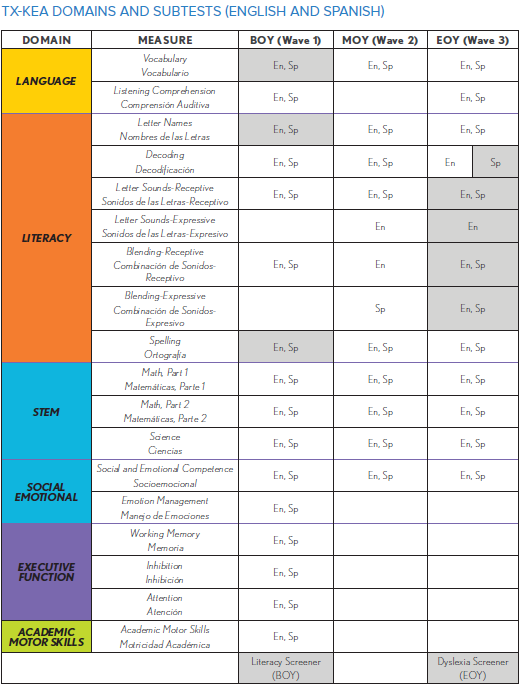
- Literacy: Developing pre-reading skills such as phonemic awareness, letter recognition, and sight words. Early writing skills, including letter formation and simple sentence construction, are also emphasized.
- Numeracy: Introducing basic mathematical concepts like number recognition, counting, simple addition and subtraction, shapes, and patterns.
- Science and Social Studies: Exploring the world through observation, experimentation, and understanding basic concepts related to nature, community, and society.
- Social-Emotional Learning: Fostering self-regulation, empathy, cooperation, and positive peer interactions.
- Arts and Physical Education: Engaging in creative expression through music, art, and developing gross motor skills through physical activities.
State Standards and Assessment
Texas education operates under the Texas Essential Knowledge and Skills (TEKS) standards. These standards outline what students are expected to learn at each grade level, including kindergarten. While formal standardized testing is less prevalent in kindergarten compared to later grades, teachers continuously assess student progress through observation, informal assessments, and classroom activities to ensure they are meeting developmental and academic benchmarks.
The Role of Parents and Guardians
Parental involvement is a cornerstone of a successful kindergarten experience. Active participation can significantly enhance a child’s learning and adjustment.
Preparing Your Child for Kindergarten
Beyond meeting the age requirement, parents can take several steps to prepare their child for kindergarten:
- Foster Independence: Encourage self-help skills like dressing, using the restroom independently, and tidying up toys.
- Promote Social Interaction: Arrange playdates and opportunities for your child to interact with other children.
- Develop Early Literacy Skills: Read aloud daily, sing alphabet songs, and engage in conversations that build vocabulary.
- Introduce Basic Numbers: Count objects, play simple counting games, and discuss shapes in everyday life.
- Visit the School: If possible, visit the school and the kindergarten classroom before the first day. This can help alleviate anxiety.
Staying Involved Throughout the School Year
- Communicate with Teachers: Maintain open lines of communication with your child’s teacher to stay informed about their progress and any areas where they might need additional support.
- Attend School Events: Participate in parent-teacher conferences, school open houses, and other school-related activities.
- Support Learning at Home: Reinforce concepts learned in school through homework, reading together, and engaging in educational games and activities.
Planning Your Family’s Educational Journey in Texas
For families planning to move to Texas or those already residing there, understanding the kindergarten enrollment process is vital for a smooth transition.
Choosing the Right School District
Texas has a vast array of school districts, each with its own unique characteristics, resources, and enrollment procedures. When choosing a school district, consider factors such as:
- Proximity to Residence: For public schools, district boundaries are often tied to your address.
- School Performance: Research school ratings and academic performance data.
- Programs and Extracurriculars: Look for schools that offer programs that align with your child’s interests and your family’s values.
- Public vs. Private Options: While this article focuses on the state requirements for public kindergarten, Texas also offers numerous private school options, which may have different admission criteria.
Enrollment Procedures
The enrollment process for kindergarten typically begins several months before the start of the school year. Parents will need to:
- Gather Required Documents: This usually includes a birth certificate, proof of residency (utility bills, lease agreement), immunization records, and sometimes social security cards.
- Complete Enrollment Forms: School districts provide specific enrollment forms that must be filled out accurately.
- Attend Registration Events: Many districts hold registration events or have online portals for new student enrollment.
Immunization Requirements
Texas has mandatory immunization requirements for children attending public schools. Parents must ensure their child has received all necessary vaccinations before starting kindergarten or have a valid medical exemption. Common required immunizations include DTaP, Polio, MMR, Varicella, and Hepatitis B. Parents should consult with their pediatrician and the school district for the most up-to-date immunization schedule.

The Importance of Kindergarten Readiness
Ultimately, the age requirement is a guideline, but true kindergarten readiness encompasses more than just a birthday. It involves a holistic development of the child, supported by families and educators. By understanding the age criteria, the educational objectives, and the enrollment procedures in Texas, parents can confidently prepare their children for a successful and enriching start to their academic careers. Whether residing in a bustling metropolis like Dallas or a charming small town, the principles of age eligibility and readiness remain consistent, forming the bedrock of early education in the state.
LifeOutOfTheBox is a participant in the Amazon Services LLC Associates Program, an affiliate advertising program designed to provide a means for sites to earn advertising fees by advertising and linking to Amazon.com. Amazon, the Amazon logo, AmazonSupply, and the AmazonSupply logo are trademarks of Amazon.com, Inc. or its affiliates. As an Amazon Associate we earn affiliate commissions from qualifying purchases.