
The question of “What Age Is TK in California?” is a fascinating one, touching upon a unique aspect of the Golden State’s educational system and its innovative approach to early childhood development. While the term “TK” might seem cryptic to those unfamiliar with California’s educational landscape, it refers to Transitional Kindergarten, a pivotal program designed to bridge the gap between preschool and traditional kindergarten. Understanding the age requirements for TK is crucial for parents and guardians navigating the path to their child’s formal education in California. This article will delve into the specifics of TK age eligibility, its benefits, and its place within the broader context of California’s commitment to early learning.
Understanding Transitional Kindergarten (TK) in California
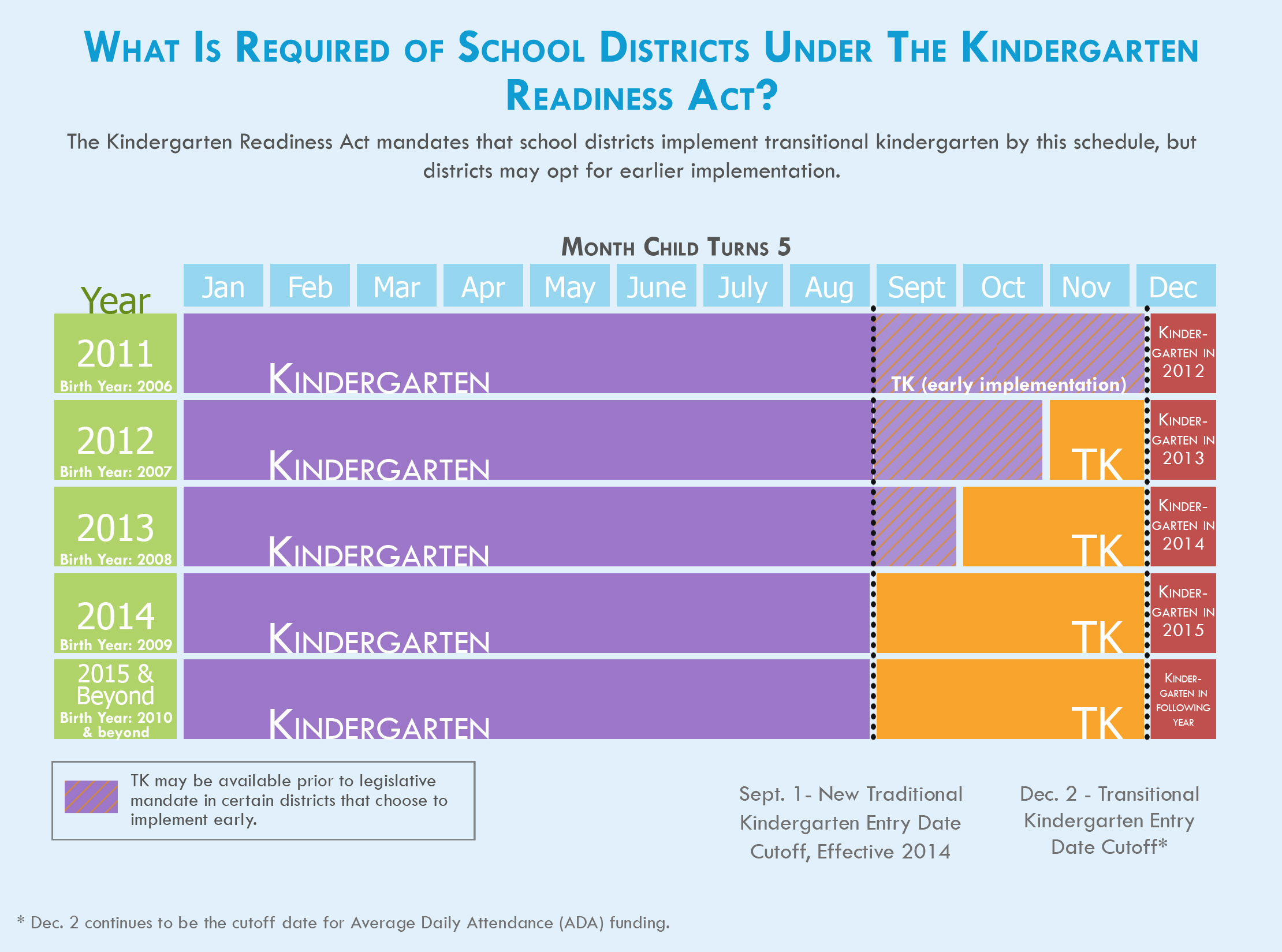
Transitional Kindergarten, or TK, is a free, state-funded program available to children in California who will turn five years old between September 1st and December 31st of the school year. This means that children who might not quite be ready for the rigors of traditional kindergarten, which typically requires children to be five by September 1st, have an opportunity to participate in a program that caters to their developmental needs. TK is essentially a kindergarten program with a modified curriculum, allowing for an additional year of early learning before entering first grade.
The establishment of TK reflects a growing understanding of child development and the importance of providing a robust foundation for lifelong learning. It acknowledges that children develop at different paces, and a one-size-fits-all approach to early education may not serve all children optimally. By offering this transitional year, California aims to ensure that all children enter kindergarten with the necessary social, emotional, and academic skills to succeed.
Age Eligibility for TK
The primary determinant for TK eligibility in California is the child’s birthdate. Specifically, a child must turn five years old on or after September 1st and on or before December 31st of the school year for which they are enrolling.
Let’s break this down with examples:
- Child A: Born on October 15th, 2019. For the 2024-2025 school year, this child will turn five on October 15th, 2024. Since this date falls between September 1st, 2024, and December 31st, 2024, Child A is eligible for TK in the 2024-2025 school year.
- Child B: Born on August 10th, 2019. For the 2024-2025 school year, this child will turn five on August 10th, 2024. Since this date is before September 1st, 2024, Child B is eligible for traditional kindergarten, not TK, for the 2024-2025 school year.
- Child C: Born on January 5th, 2020. For the 2024-2025 school year, this child will turn five on January 5th, 2025. Since this date is after December 31st, 2024, Child C is not yet five by the eligibility cutoff and would likely need to wait until the following school year (2025-2026) to enroll in TK.
It is important for parents to consult their local school district for precise enrollment dates and any specific variations or exceptions that might apply. However, the general rule of thumb for the birthdate range remains consistent across the state.
Historical Context and Expansion of TK
The concept of Transitional Kindergarten in California has evolved over time. Initially introduced as a pilot program, TK was later expanded statewide through legislation, most notably Assembly Bill 1066, signed into law in 2010. This bill aimed to provide a bridge for children whose birthdays fell after the kindergarten cutoff but before the TK cutoff. The program has since undergone further enhancements and modifications to align with best practices in early childhood education.
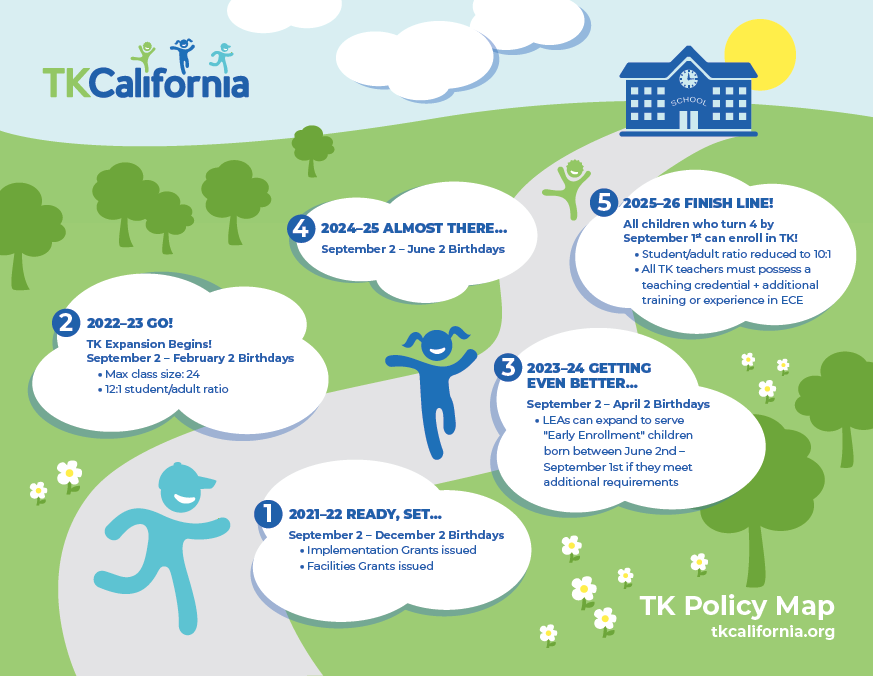
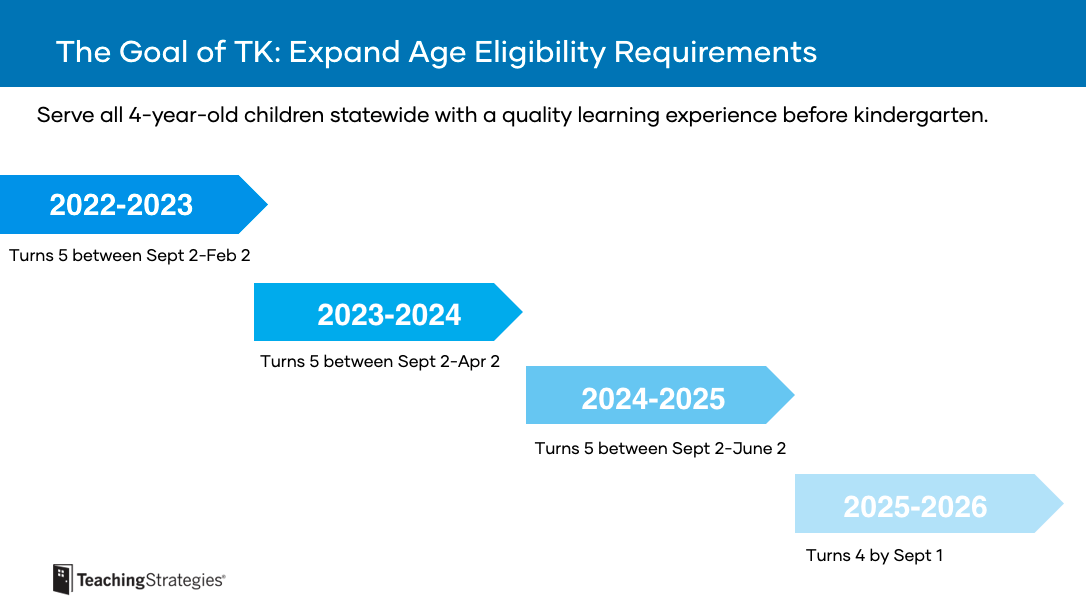
The expansion of TK is part of a broader state-wide initiative to improve early learning opportunities for all children in California. The vision is to create a more equitable system where every child has access to high-quality education from their earliest years. This includes a phased approach to universal Transitional Kindergarten, with the aim of eventually offering it to all four-year-olds. However, the current focus of this article remains on the age eligibility for the existing TK program for children turning five.
The development and implementation of TK have also been influenced by research in child development, which highlights the critical nature of the early years for cognitive, social, and emotional growth. TK programs are designed to be play-based and developmentally appropriate, fostering a love for learning in a supportive environment. This approach is a stark contrast to some older models of kindergarten that might have been more academically demanding for younger children.
The Benefits of Transitional Kindergarten
The TK program offers a multitude of benefits for children who are not quite ready for traditional kindergarten. It provides an additional year for children to develop essential skills and gain confidence in a learning environment. This can lead to a smoother transition into kindergarten and a stronger academic foundation for the future.
One of the primary advantages of TK is the opportunity for enhanced social and emotional development. Children in TK have more time to learn how to interact with peers, share, take turns, and regulate their emotions. These skills are fundamental to success not only in school but also in life. The play-based learning approach common in TK classrooms encourages collaboration and problem-solving, further nurturing social competencies.
Academically, TK programs are designed to build foundational skills in literacy and numeracy at a pace appropriate for younger learners. While not as academically intensive as a first-grade curriculum, TK introduces children to pre-reading skills, phonics, early math concepts, and scientific exploration through engaging activities. This gradual introduction helps to prevent the frustration and potential disengagement that can arise when children are pushed into formal academics before they are developmentally ready.
Furthermore, TK can significantly benefit children from diverse backgrounds, including those who may not have had access to preschool programs. It helps to level the playing field, ensuring that all children start kindergarten with a comparable set of skills and experiences. This is particularly important in a diverse state like California, where disparities in early education access can be significant.
The extended learning period also allows children to mature physically and mentally. They develop better fine motor skills necessary for writing, improve their attention spans, and gain a greater sense of independence and self-reliance. This readiness for kindergarten translates into greater engagement, participation, and overall academic success throughout their school years. Many parents find that their child enters traditional kindergarten more prepared and enthusiastic after attending TK.
The TK program is not merely a holding ground for children who are slightly behind. Instead, it is a carefully structured educational experience that recognizes and caters to the specific developmental needs of children on the cusp of formal schooling. It’s an investment in a child’s future, providing them with the time and support to flourish.
The structure of TK classrooms often mirrors that of kindergarten but with a more relaxed pace and a greater emphasis on play and exploration. Teachers in TK programs are trained to understand the nuances of child development and to create learning environments that are both stimulating and nurturing. The curriculum typically includes activities such as story time, art projects, sensory play, and early math games, all designed to foster a love for learning and to build essential pre-academic skills.
The long-term impact of TK is often observed in improved academic outcomes in later grades. Children who participate in TK tend to have higher test scores, better attendance rates, and a reduced need for special education services. This suggests that the foundational skills and social-emotional development fostered in TK contribute to sustained academic success.
In conclusion, the question “What Age Is TK in California?” is answered by a specific birthdate range: children turning five between September 1st and December 31st. This thoughtfully designed program, Transitional Kindergarten, plays a crucial role in California’s commitment to providing every child with a strong start in their educational journey. By offering a developmentally appropriate bridge to kindergarten, TK empowers young learners with the skills, confidence, and readiness they need to thrive.
LifeOutOfTheBox is a participant in the Amazon Services LLC Associates Program, an affiliate advertising program designed to provide a means for sites to earn advertising fees by advertising and linking to Amazon.com. Amazon, the Amazon logo, AmazonSupply, and the AmazonSupply logo are trademarks of Amazon.com, Inc. or its affiliates. As an Amazon Associate we earn affiliate commissions from qualifying purchases.