
The question “What airport is in New York City?” is, surprisingly, more complex than it might first appear. While many international travelers associate the bustling metropolis of New York City with a single, iconic gateway, the reality is far more nuanced. The city is served by a trio of major airports, each with its own distinct characteristics, operational focus, and geographical location. Understanding these differences is crucial for any traveler planning a visit, ensuring a smoother and more efficient arrival and departure experience. Navigating the air travel landscape of one of the world’s most significant urban centers requires a clear understanding of which airport best suits your specific needs.

The Triad of New York City Airports
Rather than a singular entity, the air traffic for New York City is managed by three primary airports, each strategically positioned to serve different parts of the metropolitan area and cater to diverse passenger needs. These airports collectively form one of the busiest airspace complexes in the world, handling millions of passengers annually and facilitating global connectivity.
John F. Kennedy International Airport (JFK)
Often considered the flagship international gateway, John F. Kennedy International Airport (JFK) is situated in the borough of Queens, approximately 12 miles southeast of Lower Manhattan. Its expansive terminals and extensive route network make it a primary hub for international flights, connecting New York City to virtually every corner of the globe.
Global Connectivity and Terminals
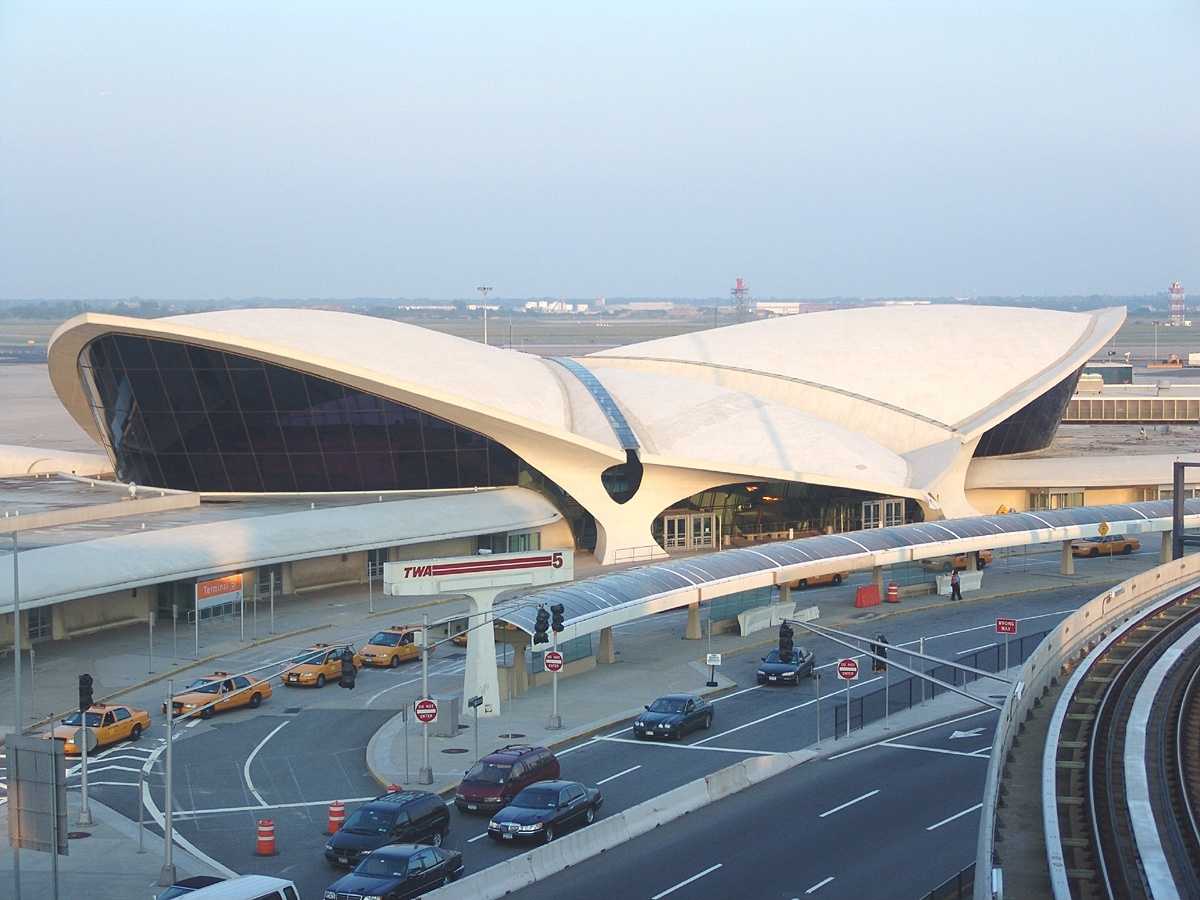
JFK boasts a comprehensive array of terminals, each dedicated to specific airlines or alliances. This includes Terminals 1, 2, 4, 5, 7, and 8, offering a wide spectrum of services and amenities. Terminal 4, managed by the.], is one of the largest international terminals in the United States and serves numerous major airlines. Terminal 5, once the iconic home of TWA, has been transformed into a modern facility primarily used by JetBlue Airways. The airport is a major hub for airlines such as Delta Air Lines, American Airlines, and numerous international carriers, underscoring its role as a critical nexus for global travel.
Transportation to and from JFK
Reaching Manhattan and other parts of the city from JFK involves several options. The AirTrain JFK provides a convenient and cost-effective link to the New York City Subway system and the Long Island Rail Road at Jamaica Station and Howard Beach Station, respectively. For those preferring a more direct route, taxis, ride-sharing services, and pre-booked car services are readily available, though traffic conditions can significantly impact travel times.
Newark Liberty International Airport (EWR)
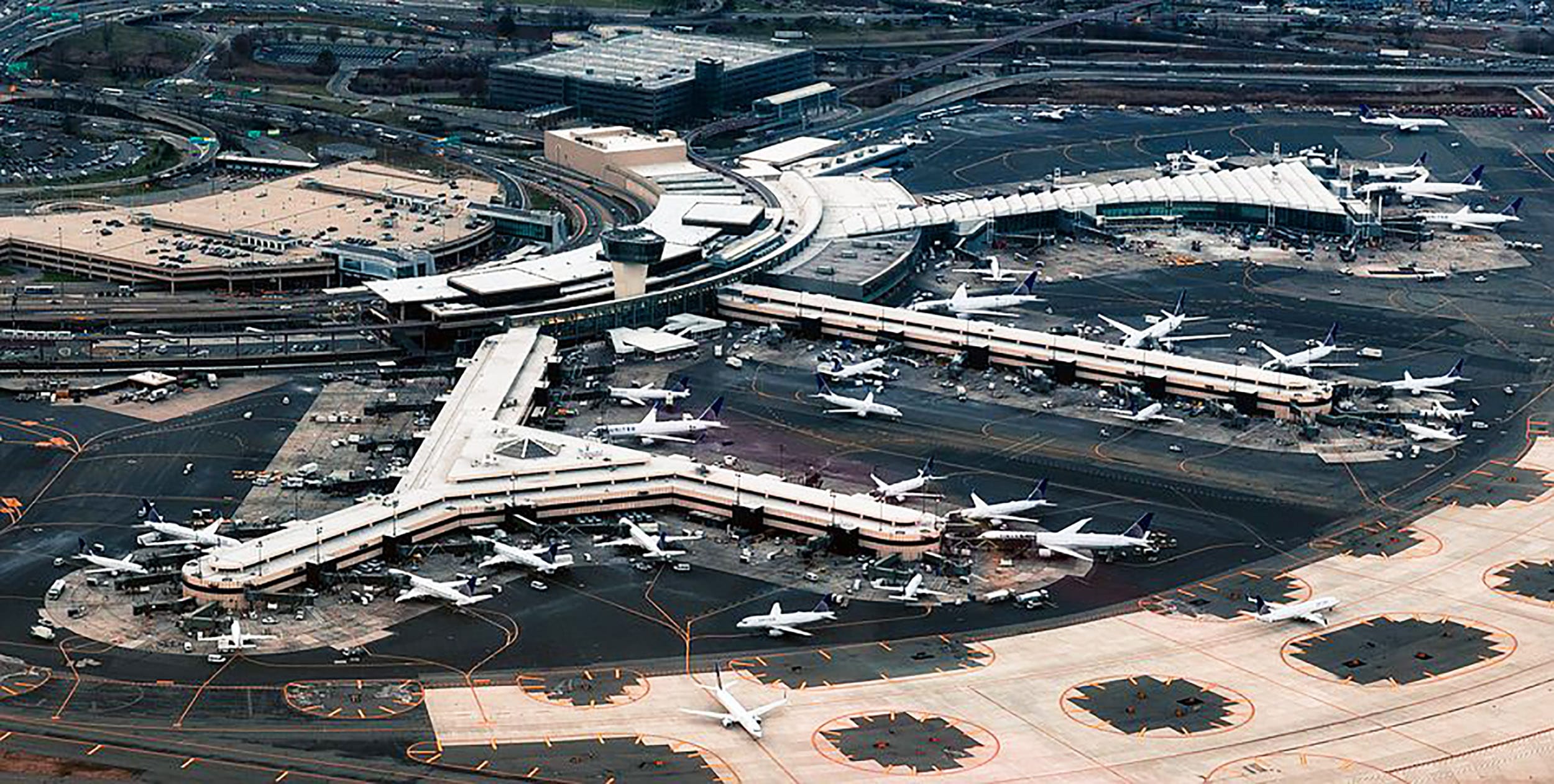
While geographically located in Newark, New Jersey, Newark Liberty International Airport (EWR) is an integral part of the New York City metropolitan area’s air travel infrastructure. Its proximity and extensive flight offerings make it a viable and often preferred option for many travelers heading to or from the city.
Operational Scope and Terminals
EWR is operated by the Port Authority of New York and New Jersey and serves as a significant hub for United Airlines. The airport features three main passenger terminals: Terminal A, Terminal B, and Terminal C, all of which have undergone significant renovations and upgrades in recent years. Its domestic and international flight schedules are robust, complementing the offerings of JFK and LaGuardia.
Connectivity to New York City
Getting to and from EWR involves a well-established network of transportation options. The AirTrain Newark connects passengers to the NJ Transit train station, which provides direct service to Penn Station in Midtown Manhattan. Similar to JFK, taxis, ride-sharing services, and private car hires are also available, offering door-to-door convenience for travelers.
LaGuardia Airport (LGA)
LaGuardia Airport (LGA), also located in Queens, is the smallest of the three airports and is primarily focused on domestic flights. It is the most convenient option for many travelers looking to access areas closer to Manhattan and the outer boroughs due to its relatively shorter travel times into the city.
Domestic Focus and Terminals
LGA comprises four passenger terminals: Terminal A, Terminal B, Terminal C, and Terminal D. While historically known for its older facilities, significant modernization efforts have been underway, with new terminals aimed at enhancing the passenger experience. Delta Air Lines and American Airlines are major carriers operating out of LGA, with a strong emphasis on short-haul and domestic routes.
Accessing Manhattan and Beyond
Transportation options from LGA to Manhattan include taxi services, ride-sharing platforms, and public buses that connect to the New York City Subway system. The relative ease of access to Midtown Manhattan and the Upper East Side makes LGA a popular choice for business travelers and those visiting specific neighborhoods within the city.
Choosing the Right Airport for Your Trip
The decision of which airport to fly into or out of in the New York City area depends on a multitude of factors, including your final destination within the metropolitan area, the availability of flights, airline preference, and cost considerations. Understanding the unique characteristics of JFK, EWR, and LGA is the first step in optimizing your travel plans.
Destination-Based Selection
If your primary destination is Manhattan, particularly Midtown or the Upper East Side, LaGuardia Airport might offer the quickest transit time. For those heading to areas in Queens, Brooklyn, or parts of Long Island, JFK’s proximity might be advantageous. Travelers whose ultimate destination is New Jersey, or those seeking to avoid Manhattan traffic congestion, may find EWR to be a more convenient choice.
Flight Availability and Cost
The sheer volume of flights operating through all three airports means that travelers often have a wide selection of airlines and routes. However, competitive pricing can sometimes make one airport a more attractive option than another. It is always advisable to compare flight prices and schedules across all three airports before booking, as even a slight difference in fare can be significant for budget-conscious travelers.
Ground Transportation Efficiency
While all three airports offer various ground transportation methods, the travel times to and from the city center can vary significantly. LaGuardia Airport typically offers the shortest drive into Manhattan, while journeys from JFK and EWR can be longer, especially during peak traffic hours. The AirTrain systems at JFK and EWR provide efficient connections to the public transit network, offering a reliable alternative to road travel.
Beyond the Big Three: Smaller Airfields
While JFK, EWR, and LGA handle the vast majority of commercial passenger traffic, the New York City area is also served by smaller airports catering to general aviation, private jets, and some charter flights. These include Teterboro Airport in New Jersey and Westchester County Airport further north, which provide alternative options for specific travel needs, often for those seeking a more exclusive or direct point-to-point travel experience.
General Aviation and Private Travel
Airports like Teterboro are renowned as premier destinations for private aviation, offering exclusive services and facilities for private jet owners and operators. These smaller airfields are crucial for the segment of travelers who prioritize privacy, flexibility, and direct access to specific locations without the congestion of major international airports.
Niche Travel Needs
For individuals or groups chartering a private jet or requiring specialized air travel services, these secondary airports can be invaluable. They often provide quicker turnaround times and more personalized service compared to the larger, more commercial hubs, fulfilling a niche demand within the broader aviation landscape of the New York City metropolitan region.
In conclusion, the answer to “What airport is in New York City?” is not a single name but a complex interplay of three major international and domestic airports, each offering distinct advantages. By understanding the geography, operational focus, and transportation links of John F. Kennedy International Airport, Newark Liberty International Airport, and LaGuardia Airport, travelers can make informed decisions to enhance their arrival and departure experiences in this dynamic global city.
LifeOutOfTheBox is a participant in the Amazon Services LLC Associates Program, an affiliate advertising program designed to provide a means for sites to earn advertising fees by advertising and linking to Amazon.com. Amazon, the Amazon logo, AmazonSupply, and the AmazonSupply logo are trademarks of Amazon.com, Inc. or its affiliates. As an Amazon Associate we earn affiliate commissions from qualifying purchases.