
Navigating the vast and varied landscape of the Big Island of Hawaii requires understanding its primary gateway. For travelers dreaming of volcanic wonders, lush rainforests, and pristine beaches, knowing which airport serves this magnificent island is the crucial first step in planning an unforgettable Hawaiian adventure. This guide will delve into the main airport, its accessibility, and what travelers can expect upon arrival, ensuring your journey to Hawaii’s largest island is as smooth as a gentle ocean wave.
The Big Island is a destination of dramatic contrasts and breathtaking natural beauty. From the fiery heart of Kīlauea to the snow-capped peaks of Mauna Kea, and the vibrant coral reefs of Kona to the cascading waterfalls of Hilo, there is an unparalleled diversity of experiences to be had. To access this paradise, understanding the island’s aviation infrastructure is paramount.

The Primary Gateway: Kona International Airport
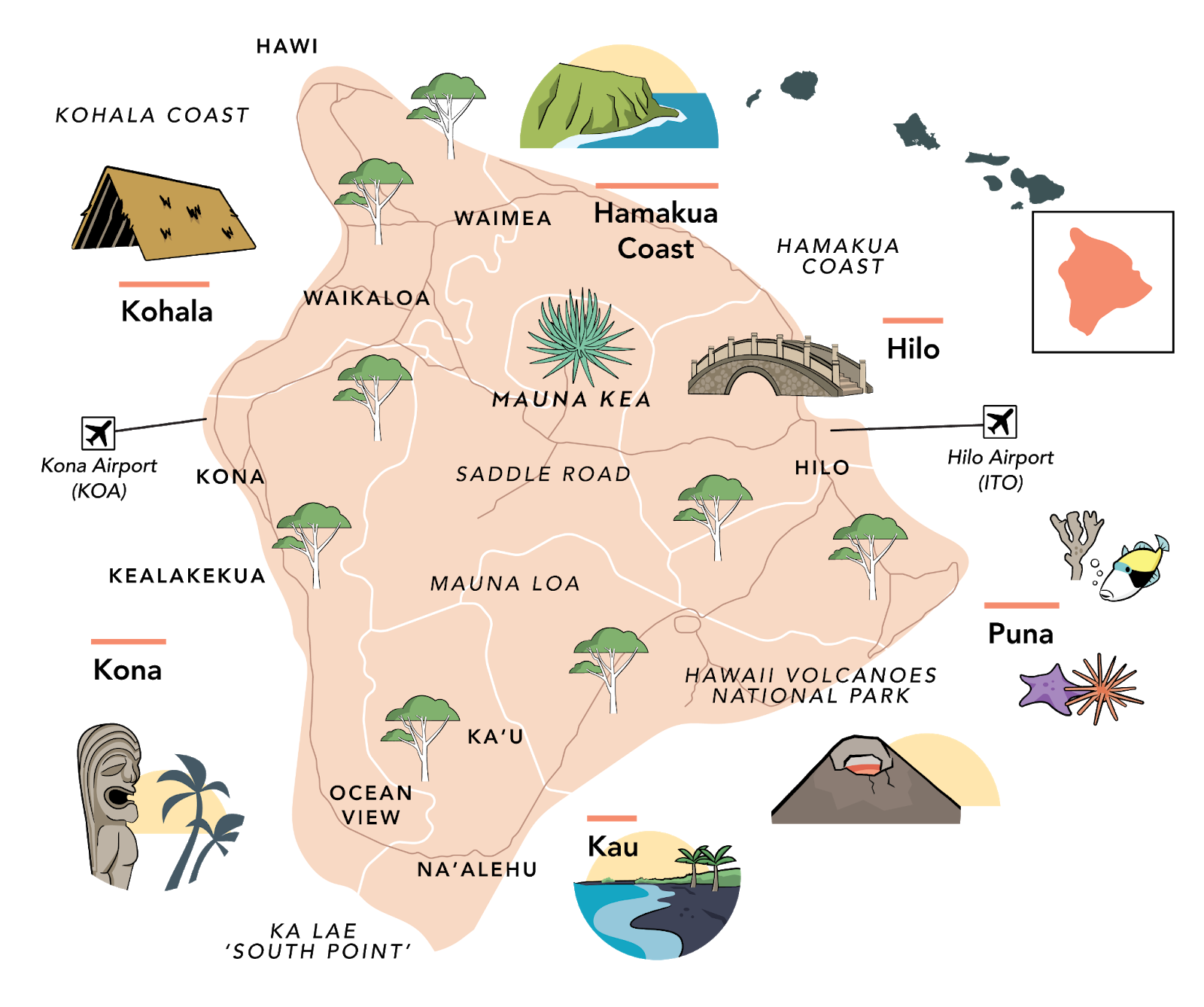
When planning your trip to the Big Island, the most common and convenient airport to fly into is Kona International Airport (KOA). Located on the western side of the island, in the town of Kona, this airport serves as the primary hub for both domestic and international flights. Its strategic location on the leeward side means visitors often arrive to sunshine and drier weather, a perfect introduction to the island’s renowned tropical climate.
Getting to Your Accommodation from Kona International Airport
Upon landing at Kona International Airport, you’ll find a range of options to get you to your chosen accommodation. The airport itself is relatively straightforward to navigate, with a distinct Hawaiian charm. Rental cars are highly recommended for exploring the Big Island, given its size and the dispersed nature of its attractions. Numerous rental car agencies operate directly at the airport, offering a wide selection of vehicles to suit your needs, whether you’re planning a luxury escape to a resort in Waimea or a more budget-friendly exploration of Volcanoes National Park.
Taxis and ride-sharing services are also available, providing a convenient, albeit potentially more expensive, option for reaching your hotel or villa, particularly if you’re staying in the Kona area. For those seeking a more guided experience from the outset, pre-booked shuttles or private transfers can be arranged, offering a seamless transition from the tarmac to your tropical haven. Many of the island’s premier resorts, such as the Four Seasons Resort Hualalai or the Mauna Lani, Auberge Resorts Collection, offer their own shuttle services or can assist with transfer arrangements for their guests.
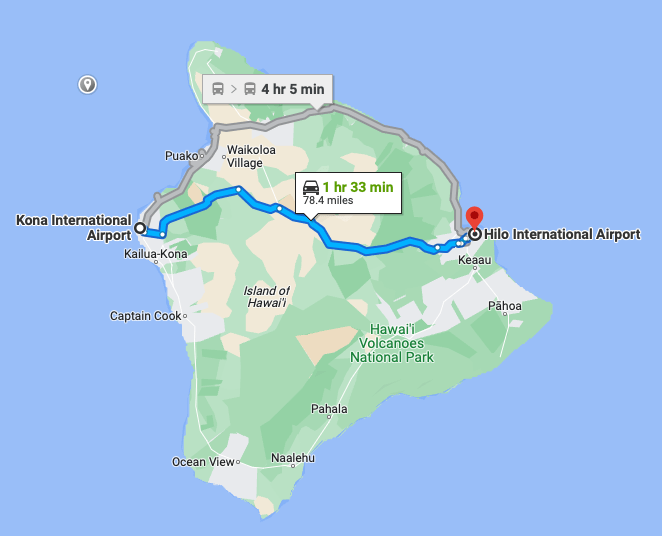
The drive from KOA to the main tourist hubs in Kona typically takes around 20-30 minutes. If your destination is further afield, such as Waimea (about 45 minutes to an hour), or the eastern side of the island like Hilo (a significant drive of over 2 hours), factoring in travel time is essential. This highlights why understanding the geography of the Big Island and your intended itinerary is key when selecting your arrival airport.
Exploring the Island: Hilo International Airport
While Kona International Airport (KOA) is the primary gateway, Hilo International Airport (ITO), located on the eastern, windward side of the Big Island, serves as a secondary, though equally important, airport. Hilo is known for its lush rainforests, abundant rainfall, and dramatic natural beauty, making it the ideal entry point for those eager to explore Hawaii Volcanoes National Park, the Akaka Falls State Park, and the botanical gardens surrounding Hilo town.
The Eastern Gateway: Hilo International Airport Experience
Hilo International Airport is smaller and generally less bustling than KOA. It primarily serves inter-island flights and a smaller number of mainland routes. If your primary interest lies in the volcanic landscapes, the waterfalls, or the charming historic downtown of Hilo, flying into ITO can significantly reduce your travel time on the island.
Similar to KOA, rental car agencies are available at Hilo International Airport, offering the freedom to explore the eastern and northern parts of the island. Taxis and limited shuttle services are also options for reaching accommodations within Hilo or the surrounding areas. For those staying in Hilo or planning to explore nearby attractions like Rainbow Falls, ITO provides a convenient and direct arrival.
The choice between flying into Kona or Hilo largely depends on your planned itinerary. If you intend to experience both the sunny leeward side with its beaches and resorts, and the verdant windward side with its volcanoes and rainforests, you might consider a multi-city flight plan, arriving at one airport and departing from the other. This approach maximizes your time exploring and minimizes long drives across the island.
Planning Your Big Island Adventure: Travel Considerations
The Big Island is the youngest of the Hawaiian Islands, and its geological activity has shaped a landscape unlike any other. Planning your trip around its airports is the first step in unlocking its diverse attractions.
Choosing the Right Airport for Your Itinerary
-
For Sunshine, Beaches, and Resorts: If your dream Hawaiian vacation involves lounging on golden sands, snorkeling in crystal-clear waters, and enjoying the vibrant nightlife of Kona, then Kona International Airport (KOA) is your most logical choice. Many of the island’s luxurious hotels and resorts, such as The Orchid Mauna Lani, Hawaii or Fairmont Orchid, are located on this side of the island, making KOA the most convenient entry point. This side of the island experiences less rainfall and more consistent sunshine, perfect for a classic beach vacation.
-
For Volcanic Exploration and Lush Scenery: If your heart is set on witnessing the raw power of active volcanoes at Hawaii Volcanoes National Park, exploring the verdant landscapes of the Hamakua Coast, or hiking through misty rainforests, then Hilo International Airport (ITO) is your ideal arrival point. This side of the island is home to dramatic waterfalls like Akaka Falls and ‘Akaka Falls State Park, as well as the unique Lava Tree State Monument. Staying on the Hilo side often means immersing yourself in a more local, less resort-centric experience.
Beyond the Airports: Getting Around the Big Island
The Big Island is, as its name suggests, enormous. It is roughly the size of Rhode Island, and the distances between major points of interest can be substantial. Therefore, a rental car is almost indispensable for truly experiencing the island’s wonders. Public transportation is very limited, especially outside of the main towns.
-
Rental Cars: As mentioned, KOA and ITO both have rental car facilities. Booking in advance is highly recommended, especially during peak travel seasons. Consider the type of vehicle you’ll need; a standard car is sufficient for most paved roads, but if you plan to explore rougher terrain (always check rental agreements and road conditions), a 4WD vehicle might be considered.
-
Inter-Island Travel: If you plan to visit other Hawaiian Islands, you’ll likely need to fly between them. Kona International Airport (KOA) offers the most inter-island flight options, connecting you to Oahu, Maui, Kauai, and the smaller islands. Hilo International Airport (ITO) also has inter-island connections, though they may be less frequent.
-
Tours and Shuttles: For those who prefer not to drive, numerous tour operators offer guided excursions to major attractions, including Hawaii Volcanoes National Park, the Waipio Valley, and Mauna Kea. These tours can be a great way to learn about the island’s history, geology, and culture from local experts.
Embracing the Island Lifestyle
Regardless of which airport you choose to arrive at, the Big Island offers a lifestyle that blends adventure with relaxation. From luxurious stays in five-star resorts with world-class amenities to charming bed and breakfasts tucked away in serene valleys, the accommodation options are as diverse as the landscape itself.
When planning your trip, remember to consider the lifestyle you desire. Are you seeking a luxury travel experience with spa treatments and fine dining, or a budget travel adventure focused on hiking and exploring natural wonders? Are you embarking on a family trip with activities for all ages, or a solo journey of discovery? The Big Island can cater to all these preferences.
The local culture is rich and welcoming, with a strong emphasis on aloha spirit. Engaging with local food, music, and traditions will undoubtedly enhance your experience. Visiting local markets, attending a luau, or simply conversing with residents can offer profound insights into the soul of Hawaii.
In conclusion, the Big Island of Hawaii is served by two main airports: Kona International Airport (KOA) on the dry, sunny west side, and Hilo International Airport (ITO) on the lush, wet east side. Your choice of arrival airport should be guided by your planned itinerary and the type of experiences you wish to prioritize. By understanding these gateways, you are well on your way to unlocking the immense beauty and adventure that awaits on this extraordinary island.