
Florida, a state synonymous with sun-drenched beaches, theme parks, and vibrant nightlife, often conjures images of the bustling Florida Keys or the energetic streets of Miami. Yet, nestled away from the well-trodden tourist paths lies a region of unparalleled natural beauty and untamed wilderness: the Florida Big Bend. This enigmatic stretch of coastline, where the Florida Panhandle gracefully transitions into the western coast of the peninsula, offers a stark contrast to the developed tourist hubs, beckoning to those seeking authentic experiences and a deeper connection with nature. But precisely, where is this captivating area, and what makes it so special?

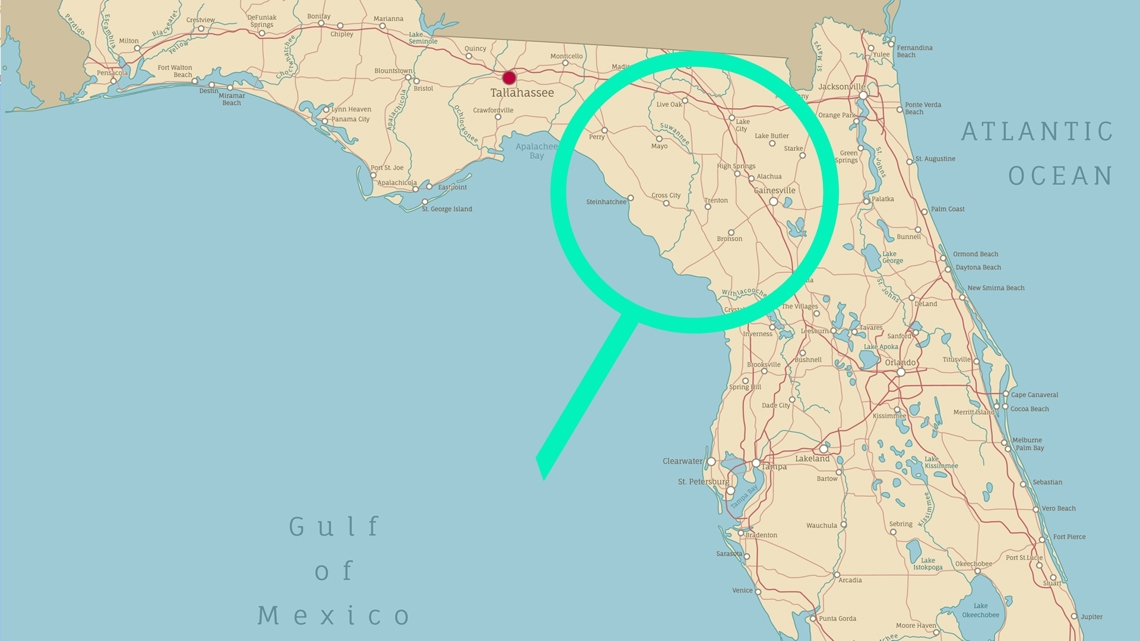
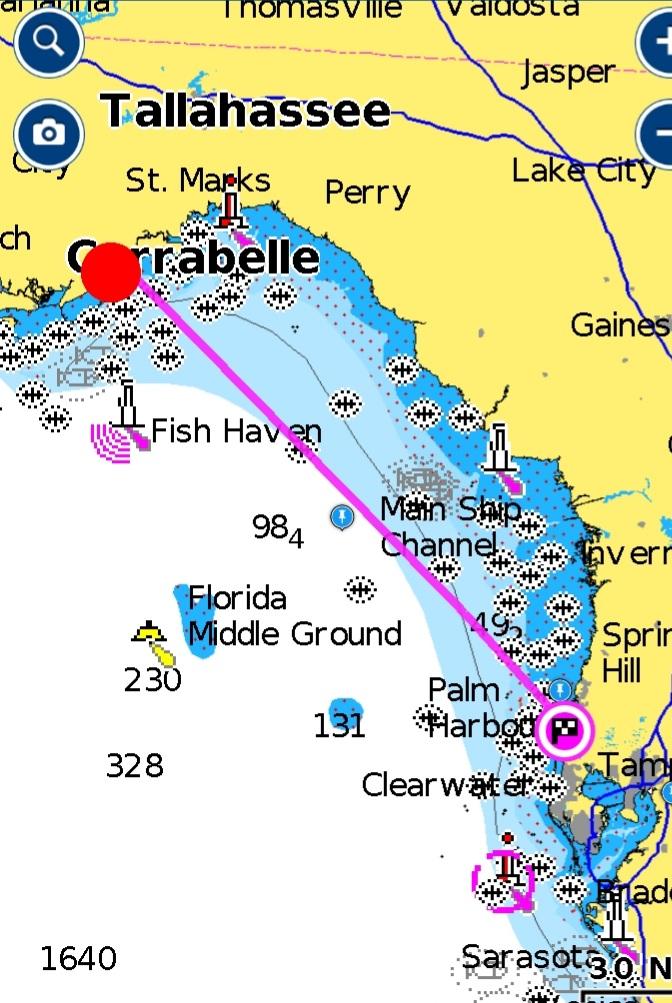
The Florida Big Bend is not a single, defined city or attraction; rather, it is a geographical region encompassing a significant portion of the Gulf Coast of Florida. Its name derives from its geographical shape, resembling a “big bend” in the coastline. This area stretches approximately 200 miles, primarily along the western and southern coasts of the Florida Panhandle and extending down towards the central part of the state’s western coastline. It is a realm of shallow waters, vast salt marshes, dense coastal forests, and a rich tapestry of wildlife, largely untouched by the development that has shaped much of Florida’s other coastal areas.
Unveiling the Geographic Heart of the Big Bend
To pinpoint the Florida Big Bend on a map, one typically looks at the counties that hug the Gulf of Mexico between the northern reaches of the Panhandle and the area just north of Tampa Bay. This vast expanse is characterized by its unique estuarine environment, where freshwater rivers from the interior of Florida meet the saline waters of the Gulf. This intersection creates an incredibly productive ecosystem, supporting a diverse array of marine and terrestrial life.
The northern boundary of the Big Bend can be considered roughly around the area of Apalachicola, known for its historic charm and abundant seafood. From there, the region sweeps southward, encompassing communities like Steinhatchee, Perry, Cedar Key, and extending down to areas near Crystal River. Unlike many other coastal regions, the Big Bend is characterized by its low-lying topography, extensive tidal flats, and a distinct lack of sandy, ocean-facing beaches. Instead, its shoreline is a mosaic of oyster reefs, mangrove forests, seagrass meadows, and tidal creeks, creating a sanctuary for wildlife and a paradise for nature enthusiasts.
Defining the Borders: A Spectrum of Coastal Wilderness
While there isn’t a rigid, universally agreed-upon line demarcating the Florida Big Bend, its identity is strongly tied to its ecological and cultural characteristics. Geographically, it begins where the more developed coastlines of the western Panhandle begin to give way to a wilder, more natural landscape. This transition can be observed as one travels south from cities like Tallahassee or Panama City Beach.
The southern extent is often considered to be the point where the coastline begins to curve more dramatically eastward, moving away from the direct influence of the Gulf’s open waters and towards the waters of Tampa Bay. Cities like Crystal River and Homosassa are often included in discussions of the Big Bend due to their proximity to its unique ecosystems, particularly the abundant manatees that frequent their warm springs.
Key Counties often associated with the Florida Big Bend include:
- Jefferson County: Home to charming coastal towns and significant natural preserves.
- Taylor County: Known for its abundant fishing opportunities and natural coastline.
- Dixie County: Featuring vast expanses of salt marsh and a remote feel.
- Levy County: Where the historic fishing village of Cedar Key is located, offering a glimpse into Old Florida.
- Citrus County: Famous for its crystal-clear springs and manatee encounters, bridging the gap towards more developed areas.
It is important to understand that the Big Bend is not a monolith. Each county and community within this region possesses its own unique character, offering a varied experience for visitors. From the oyster beds of Taylor County to the springs of Citrus County, the diversity within the Big Bend is one of its most compelling features.
Exploring the Soul of the Big Bend: Nature, Culture, and Tranquility
The Florida Big Bend is far more than just a geographical designation; it is a destination that offers a profound connection with nature and a glimpse into a slower, more authentic way of life. Its allure lies in its undeveloped beauty, its rich biodiversity, and its charming, unpretentious communities.
The Natural Majesty of the Big Bend Ecosystem
The most striking aspect of the Florida Big Bend is its extraordinary natural environment. The region is a critical habitat for a vast array of wildlife, earning it recognition as one of the most important estuarine systems in North America. The shallow, brackish waters are teeming with life, supporting vast seagrass meadows that serve as nurseries for numerous fish and shellfish species.
Highlights of the Big Bend’s natural wonders include:
- The Big Bend Salt Marshes: These extensive marshes are a vital part of the ecosystem, filtering water, protecting the coastline from erosion, and providing essential habitat for wading birds, fish, and invertebrates. Kayaking or canoeing through these intricate waterways offers an immersive experience in a pristine environment.
- Abundant Wildlife: The Big Bend is a birder’s paradise, with species such as roseate spoonbills, white pelicans, and various shorebirds frequenting the area. It is also a crucial stopover point for migratory birds. The shallow waters are home to sea turtles, dolphins, and a multitude of fish species, making it a popular destination for fishing and wildlife viewing.
- Manatee Sanctuaries: In the southern reaches of the Big Bend, particularly around Crystal River and Homosassa, numerous springs provide warm refuge for West Indian manatees during the cooler months. These gentle giants are a major draw for visitors, who can observe them from designated viewing areas or participate in responsible, eco-friendly manatee tours.
- The Gulf Islands National Seashore (partially): While not entirely within the traditional definition of the Big Bend, parts of this protected area, including islands accessible from the mainland, offer pristine beaches and diverse ecosystems that are characteristic of the region’s natural beauty.
Experiencing Authentic Florida: Culture and Activities
Beyond its natural splendor, the Florida Big Bend offers a unique cultural experience, characterized by a laid-back atmosphere and a deep appreciation for local traditions. This is a place where the pace of life slows down, allowing visitors to truly unwind and immerse themselves in the local charm.
Key experiences and attractions include:
- Oyster Harvesting and Culinary Delights: The Big Bend is renowned for its fresh, briny oysters, harvested from the clean waters of the Gulf. Communities like Steinhatchee and Cedar Key are hubs for oyster enthusiasts, offering delicious seafood straight from the source. Enjoying a platter of freshly shucked oysters is a quintessential Big Bend experience.
- Charming Coastal Towns: The towns within the Big Bend offer a stark contrast to the high-rise condos and bustling streets of more developed areas. Places like Cedar Key, with its historic wooden buildings and working waterfront, exude a timeless appeal. Exploring these towns involves strolling along quiet streets, browsing local shops, and savoring fresh seafood at waterfront restaurants.
- Fishing and Boating: The calm, shallow waters of the Big Bend are a haven for anglers. Whether you’re fly-fishing in the marshes or heading out for a deeper Gulf fishing excursion, the opportunities are plentiful. Boating and kayaking are also popular activities, allowing for exploration of the intricate coastline and its hidden coves.
- State Parks and Natural Areas: Numerous state parks and natural areas dot the Big Bend coastline, offering opportunities for hiking, birdwatching, and exploring diverse habitats. Paynes Prairie Preserve State Park, though slightly inland, offers a unique glimpse into Florida’s natural heritage, while coastal parks provide direct access to the estuarine environment.
- History and Heritage: The Big Bend region has a rich history, from its indigenous roots to its days as a vital hub for fishing and maritime trade. Visiting local museums and historical markers can provide insights into the area’s past and the people who have called it home for generations.
Accommodation and Lifestyle in the Big Bend
The accommodation options in the Florida Big Bend reflect the region’s emphasis on natural beauty and tranquility. While luxury resorts are not the norm, visitors will find a range of comfortable and charming places to stay that complement the area’s laid-back lifestyle.
Lodging types commonly found include:
- Cozy Inns and Motels: Many of the small towns offer quaint inns and motels that provide a comfortable and affordable base for exploring the region. These often have a local flavor and friendly service.
- Vacation Rentals and Cottages: For those seeking a more private or extended stay, vacation rentals, including charming cottages and waterfront homes, are available. These are ideal for families or groups looking to immerse themselves in the local atmosphere.
- Campgrounds and RV Parks: For the truly adventurous and nature-focused traveler, numerous campgrounds and RV parks offer the opportunity to sleep under the stars amidst the natural beauty of the Big Bend.
- Boutique Hotels: While not abundant, some boutique hotels offer a more upscale experience, often with a focus on local charm and personalized service.
The lifestyle in the Big Bend is one of quiet appreciation for the natural world. It’s about enjoying the simple pleasures: a sunrise over the marsh, a delicious meal of fresh seafood, the thrill of spotting a dolphin, or the peaceful quiet of a starlit night. It’s a destination for those who seek an escape from the ordinary, a place to reconnect with nature and experience the authentic soul of Florida. Whether you are a seasoned angler, a passionate birder, a nature photographer, or simply someone seeking a peaceful retreat, the Florida Big Bend offers an unforgettable journey into the wild heart of the Sunshine State.
LifeOutOfTheBox is a participant in the Amazon Services LLC Associates Program, an affiliate advertising program designed to provide a means for sites to earn advertising fees by advertising and linking to Amazon.com. Amazon, the Amazon logo, AmazonSupply, and the AmazonSupply logo are trademarks of Amazon.com, Inc. or its affiliates. As an Amazon Associate we earn affiliate commissions from qualifying purchases.