
Chicago, a global metropolis renowned for its stunning architecture, vibrant culture, and economic prowess, serves as a crucial hub for both domestic and international travel. As a major gateway to the Midwest and beyond, understanding the city’s airport infrastructure is paramount for any traveler planning a visit. While many major cities are served by a single primary airport, Chicago boasts two significant commercial airports, each offering distinct advantages and catering to different types of travel needs: O’Hare International Airport (ORD) and Midway International Airport (MDW). These two facilities collectively handle tens of millions of passengers annually, underpinning Chicago’s status as one of the most connected cities in the United States. This comprehensive guide delves into the specifics of each airport, helping travelers make informed decisions to ensure a smooth and enjoyable journey.
Chicago’s Primary Aviation Hubs: A Traveler’s Guide
Navigating the skies to and from Chicago involves understanding the unique characteristics of its two main airports. Both play critical roles in regional and national air travel, but their operational focus, airline partnerships, and geographical locations within the metropolitan area differ significantly.
O’Hare International Airport (ORD): A Global Gateway
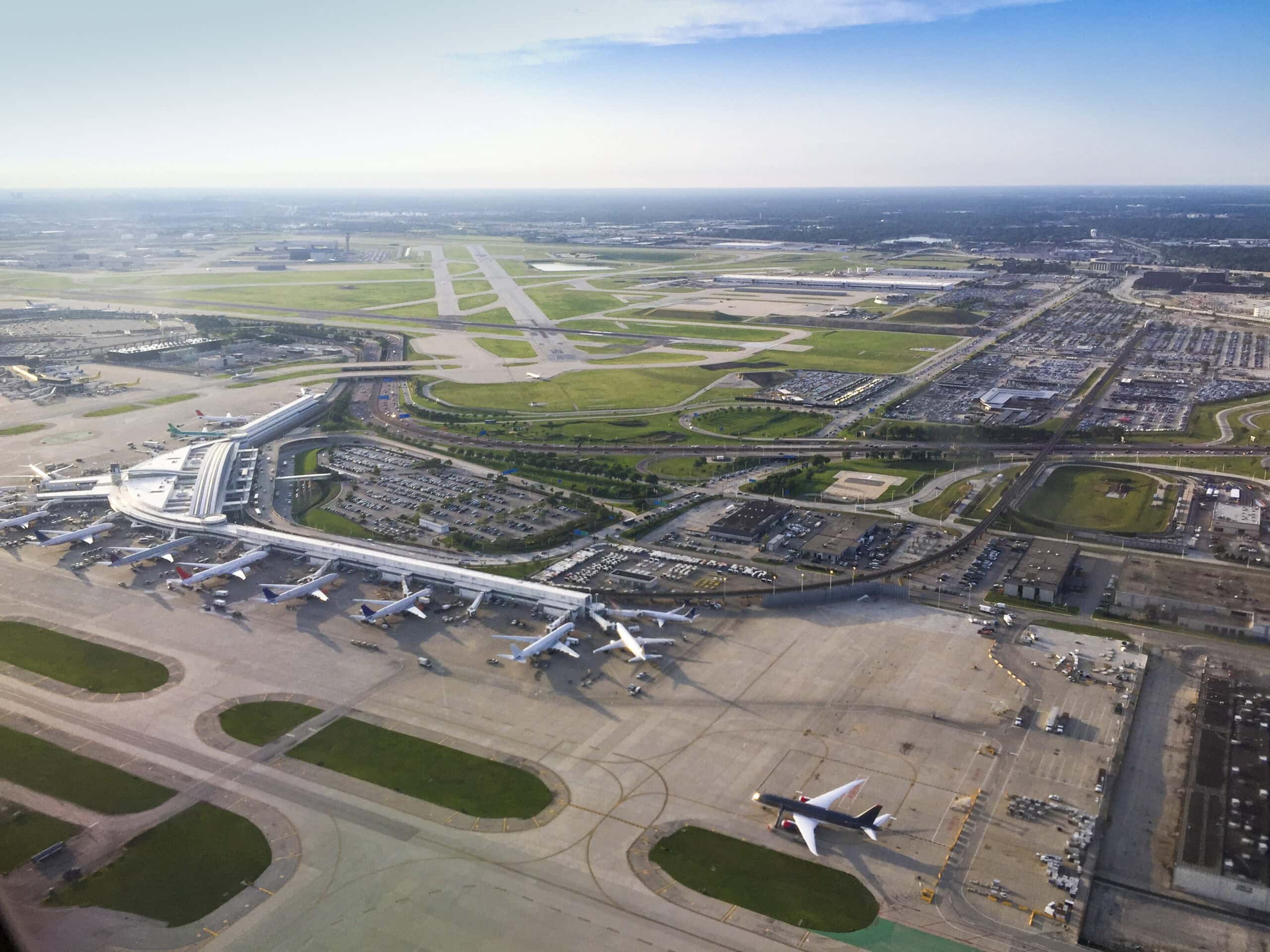
Located approximately 17 miles northwest of Downtown Chicago, O’Hare International Airport (ORD) is not just Chicago’s’s largest airport but also one of the busiest and most connected airports in the world. Its sheer size and extensive network of flights solidify its position as a truly global gateway. O’Hare is a critical hub for major carriers, facilitating an immense volume of both domestic and international traffic.
Overview, Size, and Importance:
O’Hare’s sprawling campus covers over 7,600 acres, featuring four passenger terminals and eight runways. For decades, it consistently ranked among the world’s busiest airports by passenger traffic and aircraft movements, underscoring its pivotal role in global aviation. Its strategic location in the heart of the United States makes it an ideal transfer point for passengers traveling across the country and between continents. The airport serves as a primary hub for United Airlines and American Airlines, two of the world’s largest airlines, which operate a vast network of flights from ORD to destinations worldwide. This robust connectivity is crucial not only for leisure travelers but also for business travelers, reinforcing Chicago’s’s status as a major economic center.
Terminals, Airlines, and Destinations:
O’Hare is structured with four active passenger terminals: Terminals 1, 2, 3, and 5. Terminals 1, 2, and 3 primarily handle domestic flights, with some international arrivals. Terminal 5 is the dedicated international terminal, hosting a myriad of foreign flag carriers and facilitating customs and immigration procedures. The airport offers direct flights to hundreds of cities across all six inhabited continents, making it an indispensable link for global travel. From major European capitals like London and Paris to Asian economic powerhouses such as Tokyo and Seoul, O’Hare connects Chicago to the rest of the world. For domestic travelers, the airport provides unparalleled access to nearly every major city and many smaller regional airports across the United States.
Transportation to Downtown Chicago and Amenities:
Connecting from O’Hare to Downtown Chicago is highly efficient, primarily thanks to the CTA Blue Line. This 24/7 rapid transit service offers a direct, affordable, and quick way to reach the city center, bypassing potential traffic congestion. The Blue Line station is conveniently located within the airport, accessible from all terminals. Other ground transportation options include taxis, ride-sharing services, shuttle buses, and rental cars. Within the airport, travelers can enjoy a vast array of amenities, including diverse dining options, extensive retail shopping, lounges, business centers, art installations, and free Wi-Fi, designed to enhance the passenger experience during layovers or delays.
Midway International Airport (MDW): The Convenient Alternative
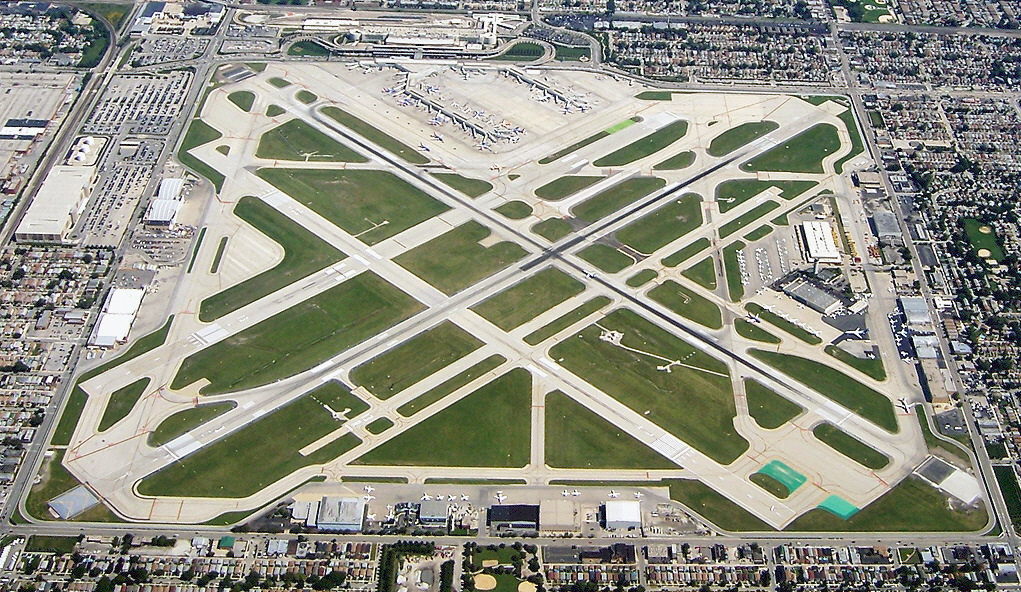
Situated approximately 8 miles southwest of Downtown Chicago, Midway International Airport (MDW) offers a more compact and often more convenient option, particularly for domestic travelers and those flying budget airlines. Though smaller than O’Hare, Midway plays a crucial role in Chicago’s’s air travel landscape, particularly known for its ease of access and efficiency.
Overview, Focus on Domestic Travel, and Budget Airlines:
Midway operates with a single terminal complex, making it significantly easier to navigate compared to O’Hare’s multi-terminal layout. Historically, Midway has been a stronghold for low-cost carriers, most notably Southwest Airlines, which operates the majority of flights from this airport. This focus often translates to more competitive fares for domestic routes. While it does handle a limited number of international flights, its primary role is serving popular domestic destinations across the United States, offering direct connections to major cities and tourist hotspots.
Terminals and Airlines:
The single terminal at Midway is divided into three concourses (A, B, and C). The streamlined design means shorter walking distances between gates and more efficient security screening processes, which is a significant advantage for travelers looking to minimize transit time. Southwest Airlines dominates the activity at MDW, but other carriers such as Delta Air Lines and Allegiant Air also operate flights to various destinations. The airport’s emphasis on point-to-point domestic travel makes it a favored choice for passengers not requiring extensive international connections.
Transportation to Downtown Chicago and Amenities:
The proximity of Midway to Downtown Chicago makes ground transportation particularly convenient. The CTA Orange Line provides direct rail service from the airport to the Loop, with a travel time of approximately 20-25 minutes. The Orange Line station is integrated into the terminal building, offering easy access. Taxis and ride-sharing services are also readily available, and due to the shorter distance, taxi fares to Downtown are typically lower than from O’Hare. Despite its smaller size, Midway offers a good selection of dining options, retail stores, and services, ensuring travelers have access to essential conveniences before or after their flights.
Navigating Chicago’s Airports: Essential Tips for Travelers
Choosing between O’Hare and Midway is often the first logistical decision for travelers heading to Chicago. Understanding the nuances of each airport and their respective ground transportation options can significantly impact the overall travel experience.
Choosing the Right Airport for Your Trip
The decision between ORD and MDW depends on several factors:
- International vs. Domestic Travel: For international flights, O’Hare is almost always the only option due to its extensive international terminal and customs facilities. For domestic travel within the United States, both airports are viable.
- Budget Considerations: Midway often hosts budget airlines and can offer more competitive fares, especially for non-stop domestic routes. However, O’Hare also has competitive offerings, particularly through its hub carriers.
- Final Destination within the City: If your final destination is closer to the southwest side of the city or within Downtown Chicago, Midway might offer a shorter and quicker commute. If your destination is on the northwest side or in the northern suburbs, O’Hare could be more convenient. For Downtown Chicago proper, both offer excellent public transport connections, with Midway generally being a faster train ride.

Ground Transportation Options
Both airports are well-integrated into Chicago’s’s extensive transportation network, offering multiple ways to reach your final destination.
- CTA ‘L’ Train: The Chicago Transit Authority (CTA) ‘L’ train system is the most economical and often the most efficient way to travel between the airports and the city center. The Blue Line serves O’Hare (approx. 45-60 minutes to Downtown), while the Orange Line serves Midway (approx. 20-25 minutes to Downtown). Both operate frequently, including overnight service on the Blue Line.
- Taxis and Ride-Shares: Taxis are readily available at designated stands outside each terminal. Ride-sharing services like Uber and Lyft also operate at both airports, with specific pick-up zones. While more expensive than public transit, they offer door-to-door convenience, especially for travelers with heavy luggage or those traveling in groups.
- Shuttle Services: Various private shuttle services offer shared-ride or private transfers to hotels and specific neighborhoods, which can be a good option for travelers heading to destinations not directly served by the ‘L’ train.
- Car Rentals: Both airports house numerous car rental agencies, providing flexibility for those planning to explore areas outside the immediate city or who prefer personal transportation. It’s advisable to book rental cars in advance, especially during peak travel seasons.
Airport Amenities and Services
Chicago’s’s airports are designed to provide a comfortable and convenient experience for millions of passengers.
- Dining and Shopping: Travelers at both ORD and MDW will find a wide range of dining options, from fast food to sit-down restaurants, catering to various tastes and dietary needs. Shopping opportunities abound, offering everything from convenience items and travel essentials to high-end retail and local Chicago souvenirs.
- Lounges: O’Hare, in particular, features numerous airline lounges (e.g., United Clubs, American Airlines Admirals Clubs) and independent lounges (Priority Pass) offering a quieter space, complimentary food and beverages, and business services. Midway has a more limited selection but still offers comfortable waiting areas.
- Accessibility Features: Both airports are committed to accessibility, providing services and facilities for travelers with disabilities, including accessible restrooms, TTY phones, and assistance for those requiring wheelchairs or other mobility aids.
Beyond the Runways: Connecting Airports to the Chicago Experience
The presence and operation of O’Hare and Midway are fundamental to Chicago’s’s identity as a global city, influencing everything from its economy to the travel itineraries of millions.
Strategic Location and Economic Impact
Chicago’s’s central location within the United States positions its airports as critical links in the national and international air transportation network. They facilitate not only passenger movement but also significant cargo operations, which are vital for trade and commerce. The airports are massive employers, creating tens of thousands of direct and indirect jobs and contributing billions of dollars annually to the regional economy. Their robust connectivity makes Chicago an attractive destination for businesses, conventions, and tourism, reinforcing its status as a world-class city.
Planning Your Arrival: Proximity to Chicago Attractions
Upon arrival, travelers are often eager to explore Chicago’s’s world-famous attractions. The choice of airport can subtly influence the initial phase of sightseeing. From Downtown Chicago, where both CTA lines converge, iconic landmarks such as Millennium Park (home to “The Bean”), the Art Institute of Chicago, and the vibrant Navy Pier are easily accessible via public transport, taxis, or a short walk. While Midway’s quicker train ride might get you into the city faster, O’Hare’s extensive international reach means it’s the default for travelers arriving from distant lands, who then efficiently connect to the city’s cultural heart. Regardless of the arrival airport, Chicago’s’s efficient urban transit system ensures that the wonders of the city are never far away.
Future Outlook and Traveler Considerations
As global travel evolves, Chicago’s’s airports are continuously adapting and enhancing their infrastructure to meet future demands and improve the passenger experience.
Ongoing Developments and Enhancements
O’Hare International Airport (ORD) is currently undergoing a multi-billion dollar modernization program, the O’Hare 21 project, aimed at expanding terminal capacity, improving passenger flow, and upgrading facilities to solidify its position as a leading global airport for decades to come. This includes the construction of a new Global Terminal, which will further streamline international connections. Midway International Airport (MDW) also sees continuous investments in technology and facility upgrades to maintain its efficiency and appeal as a convenient domestic hub. These developments underscore Chicago’s’s commitment to maintaining state-of-the-art aviation infrastructure.
Tips for a Seamless Travel Experience
To ensure a stress-free journey through Chicago’s’s airports, consider these practical tips:
- Pre-book Transportation: Especially during peak hours or if you have specific travel needs, booking taxis, shuttles, or car rentals in advance can save time and reduce stress upon arrival.
- Check Flight Status Regularly: Always confirm your flight status, gate information, and any potential delays before heading to the airport.
- Arrive Early: For O’Hare, particularly for international flights, arriving at least 2-3 hours before departure is recommended. For Midway, 1.5-2 hours is generally sufficient for domestic flights.
- Utilize Airport Apps: Many airlines and airports offer mobile apps that provide real-time updates, terminal maps, and information on amenities.
- Security Considerations: Be prepared for security screenings by having your ID and boarding pass ready, and following TSA guidelines regarding liquids and electronics.
In conclusion, Chicago is well-served by two world-class airports: O’Hare International Airport (ORD) and Midway International Airport (MDW). Each offers unique advantages, catering to a diverse range of traveler needs. By understanding their distinct features, connectivity, and amenities, travelers can confidently navigate their arrival and departure, setting the stage for an unforgettable Chicago experience.
LifeOutOfTheBox is a participant in the Amazon Services LLC Associates Program, an affiliate advertising program designed to provide a means for sites to earn advertising fees by advertising and linking to Amazon.com. Amazon, the Amazon logo, AmazonSupply, and the AmazonSupply logo are trademarks of Amazon.com, Inc. or its affiliates. As an Amazon Associate we earn affiliate commissions from qualifying purchases.