
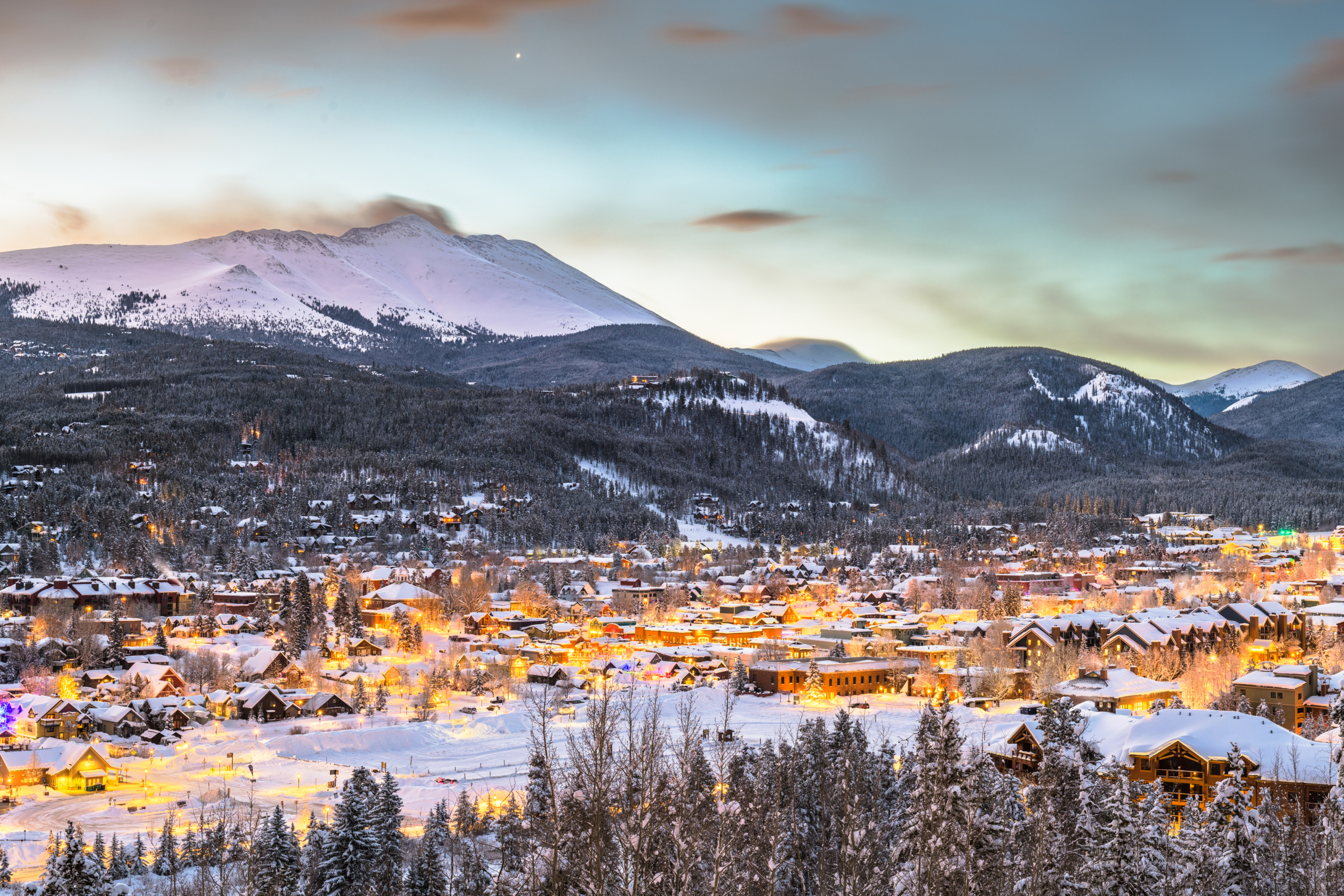
Nestled high in the Rocky Mountains of Colorado, the charming town of Breckenridge stands as a beacon for outdoor enthusiasts and those seeking the crisp, clean air of elevated landscapes. Known globally for its world-class skiing and vibrant historic district, the altitude of Breckenridge is a fundamental aspect of its identity and plays a crucial role in shaping the visitor experience. Understanding this elevation is not just a matter of curiosity; it’s essential for planning, preparation, and maximizing enjoyment of all that this stunning destination has to offer. From the moment you arrive, the thin air becomes a noticeable, albeit often exhilarating, companion on your adventure. This article delves into the specific altitudes of the town and its surrounding peaks, providing comprehensive insights into what to expect and how to thrive in this high-alpine environment.

The Lofty Elevation of Breckenridge
The unique geographical placement of Breckenridge within the Continental Divide contributes significantly to its impressive elevation, setting the stage for both breathtaking views and distinct physiological considerations for visitors.
Understanding Breckenridge’s Base Altitude
The town of Breckenridge itself, particularly its historic downtown area, is situated at a substantial elevation. The average base altitude for the town is approximately 9,600 feet (2,926 meters) above sea level. This places Breckenridge among the highest incorporated municipalities in Colorado and indeed, the United States. This significant elevation means that even before stepping onto the ski slopes or hiking trails, visitors are already at a considerable height, where the atmospheric pressure is lower and oxygen levels are reduced compared to sea level. The air here is noticeably drier and colder, characteristics that contribute to the town’s legendary powder snow and clear, starry nights. This base altitude influences everything from the architecture, designed to withstand heavy snowloads, to the local culture, which embraces an active, outdoor lifestyle amidst the towering peaks. The businesses along Main Street Breckenridge are well-acquainted with high-altitude living, and many local establishments cater to the needs of those adjusting to the environment, offering everything from hydration tips to oxygen services.
Peak Elevations and Skiing Terrain
While the town’s altitude is impressive, the adjacent Breckenridge Ski Resort extends even higher, providing some of North America’s loftiest skiable terrain. The resort boasts a remarkable vertical rise and a series of peaks that push well above 10,000 feet.
- Base Area (Village and Gondola Base): Roughly 9,600 feet (2,926 meters), mirroring the town’s altitude.
- Mid-Mountain (Various Lifts): Elevations vary, but popular areas like the top of the Colorado SuperChair or the Beaver Run SuperChair are around 11,000 feet (3,353 meters).
- Highest Lift-Served Terrain: The Imperial Express SuperChair, located on Peak 8, climbs to an astounding 12,840 feet (3,914 meters), making it the highest chairlift in North America. From here, adventurers can access some of the resort’s most challenging and rewarding expert terrain.
- Highest Skiable Point (Hike-to Access): The very summit of Peak 8 can be reached by a short hike from the top of the Imperial Express, reaching 12,998 feet (3,962 meters). This offers unparalleled views and truly high-alpine skiing experiences.
The resort’s five peaks – Peak 6, Peak 7, Peak 8, Peak 9, and Peak 10 – each offer unique characteristics and terrain, but all share the common thread of high elevation. This ensures reliable snow conditions throughout the winter season and spectacular vistas year-round.
How Breckenridge Compares to Other High-Altitude Destinations
Breckenridge’s altitude places it squarely among the premier high-alpine destinations globally. To put it into perspective:
- Other Colorado Ski Resorts: Breckenridge is higher than many of its renowned neighbors. For example, Vail Village sits at approximately 8,120 feet (2,475 meters), Aspen at 7,908 feet (2,410 meters), Keystone at 9,280 feet (2,828 meters), and Copper Mountain at 9,712 feet (2,960 meters). While these are all high, Breckenridge’s base town and especially its resort summit stand taller.
- Highest Town in North America: The nearby town of Leadville, Colorado, holds the title of the highest incorporated city in North America at 10,152 feet (3,094 meters), making it even higher than the town of Breckenridge, though Breckenridge’s ski resort extends to greater heights.
- Global Comparisons: While less extreme than certain locales in the Himalayas or Andes, Breckenridge’s elevation is comparable to many high-altitude resorts in the Alps. This high-altitude status contributes to its desirability, promising robust snowpacks and pristine mountain air for a significant portion of the year.
Navigating the Challenges and Charms of High Altitude
Visiting Breckenridge means embracing its high-altitude environment, which comes with both unique challenges and undeniable charms. Understanding and preparing for the effects of elevation is key to a comfortable and enjoyable trip.
Acclimatization Strategies for Visitors
The air at 9,600 feet and above contains significantly less oxygen per breath than at sea level. Your body needs time to adjust, a process known as acclimatization. Failing to acclimatize properly can lead to a less enjoyable, or even unhealthy, experience.
- Hydration is Paramount: This is perhaps the most critical tip. The dry air at altitude causes faster dehydration. Drink plenty of water (aim for twice your usual intake), starting even before you arrive. Avoid excessive alcohol and caffeine, as they can exacerbate dehydration.
- Take It Easy Initially: For your first 24-48 hours, avoid strenuous activities. Give your body time to adjust to the lower oxygen levels. Don’t hit the most challenging slopes or hike the steepest trails on day one.
- Eat Light and Healthy: Opt for easily digestible meals. High-carb, low-fat foods can be beneficial, as carbohydrates require less oxygen for metabolism.
- Prioritize Sleep: Adequate rest aids your body’s ability to adapt.
- Listen to Your Body: Pay attention to any symptoms of altitude sickness and don’t push through discomfort.
Many visitors flying into Denver International Airport (5,280 feet / 1,609 meters) might consider spending a night there before ascending to Breckenridge, allowing for a gradual increase in elevation.
Recognizing and Preventing Altitude Sickness
Altitude sickness, also known as Acute Mountain Sickness (AMS), can affect anyone regardless of age, fitness level, or previous high-altitude experience. Symptoms typically appear within 6-24 hours of arrival at elevation.
- Common Symptoms: Headache (most common), nausea, dizziness, fatigue, shortness of breath, loss of appetite, and difficulty sleeping. These are often mild but can worsen.
- Severe Symptoms (Seek Medical Attention Immediately): Confusion, severe shortness of breath at rest, persistent vomiting, severe headache unresponsive to medication, loss of coordination, or a cough producing frothy or bloody sputum. These could indicate more serious conditions like High Altitude Cerebral Edema (HACE) or High Altitude Pulmonary Edema (HAPE).
- Prevention: Follow acclimatization strategies rigorously. Over-the-counter pain relievers can help with mild headaches. For those particularly susceptible, or with underlying health conditions, a doctor might prescribe medication like Diamox (acetazolamide) to aid acclimatization. Always consult with a healthcare professional before your trip if you have concerns.
The Unique Benefits of High-Altitude Living and Recreation
Despite the potential challenges, the high altitude of Breckenridge is precisely what makes it such a desirable destination.
- Exceptional Snow Quality: The cold, dry air is ideal for producing light, fluffy powder that skiers and snowboarders dream of.
- Stunning Scenery: The thin air means clearer skies and sharper visibility, offering unparalleled panoramic views of the surrounding Rocky Mountains and the Dillon Reservoir. Sunsets and sunrises are often spectacular.
- Enhanced Physical Experience: For those who acclimatize well, the feeling of conquering a high peak or completing a strenuous hike in the thin air can be incredibly rewarding. Many athletes train at altitude to improve their endurance.
- Pristine Environment: Higher elevations often mean less pollution and a more untouched natural environment, contributing to a sense of tranquility and escape.
- Unique Flora and Fauna: The high-alpine ecosystem supports distinct plant and animal life adapted to these conditions, offering unique opportunities for wildlife viewing and nature photography.
Breckenridge: A Premier High-Altitude Destination
Beyond its numerical elevation, Breckenridge’s status as a high-altitude destination shapes every facet of its appeal, from the activities it offers to the practicalities of planning a visit.
Year-Round Activities Influenced by Altitude
Breckenridge’s high altitude underpins its identity as a year-round recreational paradise.
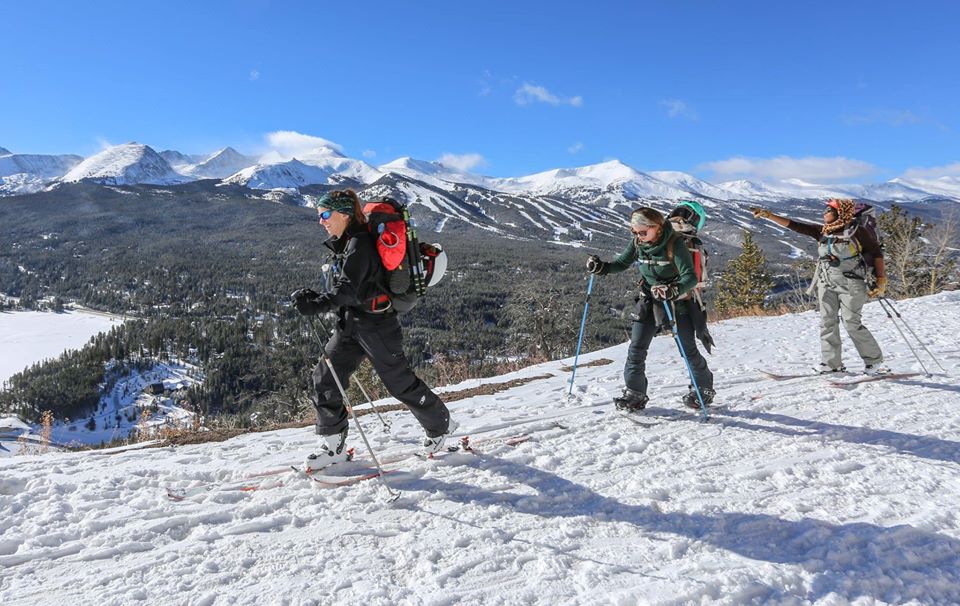
- Winter Sports: Foremost is skiing and snowboarding. The consistent cold and abundant snowfall due to elevation create perfect conditions for the Breckenridge Ski Resort’s vast terrain. Other popular winter activities include snowshoeing, cross-country skiing, ice skating, and dog sledding, all benefiting from the sustained cold.
- Summer Activities: As the snow melts, the high-alpine environment transforms. Hiking trails open up, leading to breathtaking vistas and alpine lakes. Mountain biking, fly fishing in crystal-clear streams, and whitewater rafting on glacial meltwater rivers become prominent. The altitude also means cooler summer temperatures than many other regions, providing a refreshing escape from heat. The Breckenridge Fun Park on Peak 8 offers alpine slides and zip lines, taking advantage of the natural topography.
Each activity, whether a leisurely stroll along Main Street Breckenridge or a challenging climb up Peak 8, is intimately tied to the town’s elevation. The stunning panoramic views from hiking trails like the Boreas Pass Road or the Quandary Peak Trail are a direct consequence of being so high up.
Essential Gear for a High-Altitude Trip
Packing strategically is crucial for any high-altitude adventure in Breckenridge.
- Layers, Layers, Layers: Weather can change rapidly at elevation. Be prepared for temperature swings by dressing in versatile layers, even in summer. This includes a moisture-wicking base layer, insulating mid-layers, and a waterproof/windproof outer shell.
- Sun Protection: The sun’s UV rays are much stronger at high altitudes due to less atmospheric filtering. Pack high-SPF sunscreen, sunglasses (essential even on cloudy days, especially with snow reflection), and a wide-brimmed hat.
- Hydration Gear: A reusable water bottle is a must. Consider electrolyte packets to add to your water to replenish minerals.
- Appropriate Footwear: Sturdy, waterproof hiking boots with good ankle support are recommended for summer trails. For winter, insulated, waterproof boots are essential.
- Medications: Bring any personal medications and consider over-the-counter pain relievers for potential headaches.
- Lip Balm and Moisturizer: The dry air can quickly chap lips and skin.
Services and Support for High-Altitude Visitors
Breckenridge is well-equipped to assist visitors navigating its high-altitude environment.
- Medical Facilities: The town has medical clinics and urgent care centers, such as the Breckenridge Medical Center, staffed with professionals experienced in treating altitude-related issues. For serious emergencies, advanced medical facilities are available in nearby Frisco.
- Oxygen Services: Several local businesses offer supplemental oxygen for rent or purchase, which can provide relief for mild altitude symptoms and aid in acclimatization. Some accommodations even offer oxygen concentrators in rooms.
- Informed Locals: The community is highly knowledgeable about living at altitude. Don’t hesitate to ask locals for advice on hydration, activity levels, or general well-being. Ski patrol at the Breckenridge Ski Resort is also expertly trained in recognizing and responding to altitude sickness.
Planning Your Trip to Breckenridge with Altitude in Mind
Successful travel to Breckenridge hinges on smart planning, especially concerning its significant elevation. Thoughtful preparation can make the difference between a memorable vacation and one marred by discomfort.
Best Times to Visit for Different Activities
The altitude influences seasonal variations, dictating the best times for specific types of experiences.
- Winter (Mid-November to Mid-April): This is prime time for skiing and snowboarding, with cold temperatures and consistent snowfall. Expect heavy snow and icy conditions, requiring appropriate gear and cautious driving. The festive atmosphere around holidays like Christmas and New Year’s is unparalleled.
- Spring (Late April to May): A transitional period. Lower trails begin to melt, but higher elevations still hold snow. It can be a good time for “spring skiing” and offers quieter experiences before the summer rush. Muddy conditions can be prevalent on some trails.
- Summer (June to September): Ideal for hiking, mountain biking, fishing, and exploring the town. Temperatures are mild (averaging 60s-70s F), but afternoon thunderstorms are common. The wildflowers are in full bloom, particularly in July and August, creating stunning landscapes. The high altitude means comfortable sleeping temperatures, even on warm days.
- Fall (October to Early November): Witness the stunning golden aspens (late September to early October). This is a shoulder season, with cooler temperatures and fewer crowds. Early snowfall can begin, hinting at the upcoming ski season. Many businesses may have reduced hours during this period.
Always check local weather forecasts and trail conditions, as altitude can cause unpredictable shifts.
Accommodation Choices and Altitude
Your choice of accommodation can also subtly impact your high-altitude experience.
- Proximity to Town vs. Slopes: Staying directly in town (like along Main Street Breckenridge) keeps you at the base altitude of 9,600 feet, offering easy access to amenities and a more walkable experience. Lodging closer to the base of the ski resort (e.g., at the base of Peak 8 or Peak 9) might be slightly higher but offers ski-in/ski-out convenience.
- Amenities: Some hotels and luxury rentals offer humidifiers, oxygen concentrators, or even “oxygenated rooms” as a premium amenity, which can be invaluable for sensitive individuals. Check with your chosen accommodation if you have concerns.
- Type of Lodging: Whether you opt for a cozy hotel room, a spacious condo, or a secluded cabin, ensure it provides a comfortable and warm environment, especially in winter. Proper heating and insulation are key for high-altitude comfort.
Transportation and Accessibility to High Altitudes
Getting to Breckenridge involves navigating varying elevations, which is an important consideration for your journey.
- Flying: Most visitors fly into Denver International Airport (DIA), which is at 5,280 feet (1,609 meters). From DIA, Breckenridge is about a 1.5 to 2-hour drive west, depending on traffic and road conditions. This gradual ascent from Denver to Breckenridge (a gain of over 4,000 feet) can aid in initial acclimatization.
- Driving: The drive from Denver is scenic, primarily along I-70. Be prepared for mountain driving, which can include steep grades, sharp curves, and potentially hazardous winter conditions (snow, ice, chain laws). Always check road conditions before departing. Vehicles may perform slightly differently at altitude due to less oxygen for combustion.
- Shuttle Services: Several shuttle companies offer direct transport from Denver International Airport to Breckenridge, providing a convenient option if you prefer not to drive. This allows you to relax and enjoy the scenery without the stress of mountain navigation.
Understanding “What Altitude Is Breckenridge Colorado?” is more than just knowing a number; it’s recognizing a fundamental aspect that shapes every experience in this magnificent destination. By respecting its elevation and preparing accordingly, visitors can unlock the full potential of Breckenridge’s unparalleled beauty and exhilarating outdoor opportunities, creating memories that last a lifetime amidst the towering peaks of the Rocky Mountains.
LifeOutOfTheBox is a participant in the Amazon Services LLC Associates Program, an affiliate advertising program designed to provide a means for sites to earn advertising fees by advertising and linking to Amazon.com. Amazon, the Amazon logo, AmazonSupply, and the AmazonSupply logo are trademarks of Amazon.com, Inc. or its affiliates. As an Amazon Associate we earn affiliate commissions from qualifying purchases.