
Las Vegas, the dazzling entertainment capital of the world, is synonymous with vibrant nightlife, world-class resorts, and unforgettable experiences. Nestled within the [Mojave Desert] in [Nevada], its unique geographical location often prompts curious travelers to wonder about its elevation. Understanding the altitude of [Las Vegas] is not just a trivial fact; it can offer valuable insights for planning your trip, particularly concerning health, activities, and overall comfort.
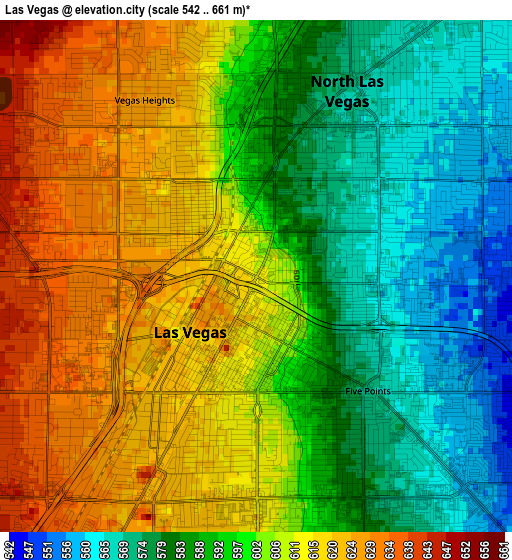
At its core, [Las Vegas] sits at an average elevation of approximately 2,000 feet (about 610 meters) above sea level. This moderate altitude is a crucial factor in shaping the city’s climate, the activities available to tourists, and even the subtle considerations for your well-being during your stay. For most visitors, this elevation poses no significant challenges, unlike much higher cities such as [Denver] or [Mexico City]. However, being informed allows you to maximize your enjoyment and ensures a smooth, memorable journey. This guide will delve into what [Las Vegas]’s altitude means for you, offering practical advice and context for your next unforgettable adventure.
The Altitude of Las Vegas: A Key Geographic Feature
The geographical placement of [Las Vegas] is central to its identity, influencing everything from its arid climate to the stunning natural [landscapes] that surround it. Understanding its precise elevation and how it compares to other destinations can demystify some of the travel considerations unique to this desert oasis.
Where Exactly is Las Vegas Situated?
[Las Vegas] is located in the southern tip of the state of [Nevada], within the [Las Vegas Valley], a basin surrounded by mountains. The city’s elevation isn’t uniform; different parts of the metropolitan area can vary slightly. For instance, the famous [Las Vegas Strip] generally maintains an elevation around 2,000 feet (610 meters), with some areas dipping slightly lower or rising a bit higher. This placement in a desert valley is critical, as the surrounding mountains, like the [Spring Mountains] to the west (home to [Mount Charleston]), reach significantly higher altitudes, creating a rain shadow effect that contributes to the region’s extreme aridity and clear skies.The city’s proximity to other significant natural [landmarks] also paints a clearer picture of its location. To the east, the vast expanse of [Lake Mead] and the impressive [Hoover Dam] are lower in elevation, as is the [Colorado River] basin. To the west, destinations like [Red Rock Canyon National Conservation Area] offer varying elevations, with some trails ascending to provide panoramic views of the valley below. This dynamic topography contributes to the diverse range of [activities] and experiences available just a short drive from the bustling city center.
Comparing Las Vegas’s Elevation to Other Major Cities
To put [Las Vegas]’s altitude into perspective, it’s helpful to compare it to other well-known cities around the globe. While 2,000 feet is considered moderate, it’s certainly not at sea level, nor is it classified as high altitude (typically defined as above 8,000 feet or 2,400 meters).
For example:
- Sea Level Cities: Cities like [Los Angeles], [California], and [New York City] are essentially at sea level, meaning visitors from these areas might notice a very subtle difference in the air’s dryness or temperature, but generally not in oxygen levels.
- Moderate Altitude Cities: [Phoenix], [Arizona], sits at a slightly lower elevation of around 1,100 feet (335 meters), while [Dallas], [Texas], is even lower at about 450 feet (137 meters). [Las Vegas] is higher than these, but still within a comfortable range for most.
- High Altitude Cities: In contrast, cities like [Denver], [Colorado], are famously known as the “Mile High City” at approximately 5,280 feet (1,609 meters). [Mexico City], [Mexico], is even higher, often exceeding 7,000 feet (2,135 meters). [Salt Lake City], [Utah], also sits at a considerably higher elevation of around 4,200 feet (1,280 meters).
Comparing [Las Vegas] to these diverse locations highlights that its 2,000-foot elevation falls comfortably in the middle. Most individuals will adapt quickly and easily, but awareness remains key, especially for those who might be particularly sensitive to changes in environment or for travelers planning strenuous [activities] right after arrival.
Understanding the Effects of Las Vegas’s Altitude on Your Trip
While [Las Vegas]’s altitude is generally not considered high enough to cause severe altitude sickness for the vast majority of people, it still plays a role in the overall [travel experience]. Combined with the desert climate, the elevation can influence how you feel, how you plan your [activities], and what you should consider when preparing for your stay.
Hydration and Health: Staying Comfortable at 2,000 Feet
One of the primary effects of [Las Vegas]’s altitude, especially when coupled with its arid desert environment, is an increased risk of dehydration. At higher elevations, the air tends to be drier, and respiration rates can increase slightly, leading to a faster loss of bodily fluids. This effect is compounded by the typically hot temperatures experienced in [Las Vegas], particularly during the summer months.
Travelers from sea level might notice they feel thirsty more often or experience dry skin and lips. While full-blown altitude sickness is rare at 2,000 feet, some individuals might experience mild symptoms such as headaches, fatigue, or dizziness, especially if they are also dehydrated or have overindulged.
Tips for Staying Hydrated and Healthy:
- Drink Plenty of Water: This is paramount. Carry a water bottle and refill it frequently. Most [hotels] and casinos offer readily available water. Aim for more water than you typically would consume at home.
- Limit Alcohol and Caffeine: While tempting in the vibrant [Las Vegas] atmosphere, both alcohol and caffeine can contribute to dehydration. Alternate alcoholic beverages with water.
- Moisturize: Use lotions and lip balm to combat dry skin and cracked lips.
- Listen to Your Body: If you feel lightheaded, tired, or have a headache, take a break, find some shade or air conditioning, and drink water.
- Protect from the Sun: The sun’s rays can be more intense at higher elevations. Wear sunscreen, hats, and sunglasses, even if you’re primarily indoors.
Being proactive about hydration and sun protection will significantly enhance your comfort and enjoyment during your [Las Vegas] [tourism] adventure.
Outdoor Activities and Climate Considerations
The moderate altitude of [Las Vegas] certainly doesn’t deter visitors from enjoying a wide array of [outdoor activities], but it does necessitate some planning. The dry air and often intense sunshine are more significant factors than the elevation itself for most people engaging in physical excursions.
Impact on Activities:
- Hiking and Biking: Nearby natural wonders like [Red Rock Canyon National Conservation Area] and [Mount Charleston] offer incredible opportunities for hiking, rock climbing, and scenic drives. While the valley floor is 2,000 feet, trails in these areas can ascend to much higher elevations, requiring greater physical exertion. For example, [Mount Charleston]’s peak reaches over 11,900 feet (3,600 meters). If you plan to hike at higher altitudes, acclimatize gradually and carry ample water.
- Poolside Relaxation: Given [Las Vegas]’s hot climate, spending time by the pool is a popular pastime. The dry air causes sweat to evaporate quickly, making you feel cooler than the actual temperature might suggest. This can lead to underestimating fluid loss, so continue to hydrate diligently.
- Golf: [Las Vegas] boasts numerous world-class golf courses. Golfers should be mindful of the sun exposure and dryness, ensuring they stay hydrated throughout their round.
Climate Considerations:
The elevation contributes to the region’s arid, desert climate. This means:
- Low Humidity: The air is typically very dry, which, as mentioned, can lead to dehydration.
- Large Temperature Swings: Desert environments often experience significant temperature differences between day and night. While days can be scorching, evenings can cool down considerably.
- Intense Sunlight: With less atmosphere to filter it, the sun’s UV rays can be quite strong.

When packing for your trip, consider lightweight, breathable clothing, layers for cooler evenings, and essential sun protection items. These considerations, more so than the moderate altitude itself, will define your comfort during [outdoor activities] in [Las Vegas].
Maximizing Your Las Vegas Experience with Altitude in Mind
Making the most of your [Las Vegas] [lifestyle] and [tourism] experience involves not just exploring the vibrant city but also ensuring your well-being. By being aware of the environment, including its moderate altitude, you can make informed choices about your [accommodation] and [activities].
Accommodations and Amenities for Your Comfort
[Las Vegas]’s [hotels] and [resorts] are renowned for their luxurious amenities and their commitment to guest comfort, which inadvertently helps mitigate any minor effects of the local environment. Most properties are designed as climate-controlled oases, providing respite from the desert heat and dryness.Key Features and Tips:
- Air Conditioning: Every major [hotel] on the [Las Vegas Strip] and downtown, such as the [Bellagio], [Caesars Palace], [The Venetian Resort], and [Aria Resort & Casino], features robust air conditioning systems that keep interiors cool and comfortable, regardless of the outside temperature.
- In-Room Hydration: Many [hotel] rooms, especially those categorized as [suites] or [villas], come equipped with mini-fridges stocked with bottled water. Some high-end [resorts] even offer complimentary water bottles. Take advantage of this, or purchase larger bottles from convenience stores within the [resort] complexes.
- Spa and Wellness Centers: Many [Las Vegas] [hotels] offer extensive spa facilities. These can be excellent places to rehydrate and relax. Consider a hydrating facial or a soothing massage to combat dry skin.
- Poolside Service: While enjoying the pool, nearly all [resorts] offer food and beverage service, making it easy to order water or non-alcoholic refreshments to stay hydrated.
When choosing your [accommodation], consider the overall amenities that contribute to a comfortable stay, particularly those that help manage the effects of the dry, elevated climate. From the [luxury travel] experience at [Wynn Las Vegas] to the themed fun at [Paris Las Vegas], comfort is paramount.
Exploring Beyond the Strip: High-Altitude Escapes
One of the great advantages of [Las Vegas]’s location is its proximity to diverse natural environments. While the city itself is at a moderate altitude, you can easily access significantly higher elevations for a change of scenery, often within an hour’s drive. This offers a fantastic contrast to the bustling city and provides opportunities for different kinds of [travel] experiences.
Popular High-Altitude Destinations Near Las Vegas:
- Mount Charleston (Spring Mountains National Recreation Area): Just an hour northwest of [Las Vegas], [Mount Charleston] is a true escape from the desert heat. With elevations reaching nearly 12,000 feet, it offers cooler temperatures, pine forests, and opportunities for hiking, skiing (in winter), and picnicking. The air here is noticeably thinner and cooler, so pack layers and be extra mindful of hydration and sun protection if you plan strenuous [activities].
- Lee Canyon Ski Resort: Located on [Mount Charleston], this [resort] provides winter sports opportunities rarely associated with [Nevada]. It’s a completely different experience from the [Las Vegas] valley, complete with higher altitude challenges and cooler temperatures.
- Grand Canyon National Park: A bit further afield but a popular day trip or overnight stay from [Las Vegas], the [Grand Canyon] features varying elevations. The [South Rim] is around 7,000 feet (2,100 meters), offering breathtaking views but also requiring visitors to be aware of the higher altitude and potentially cooler weather, especially during shoulder seasons.
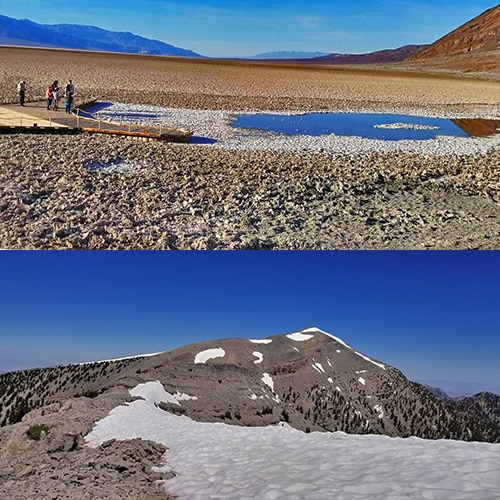
- Death Valley National Park: While mostly known for being one of the lowest and hottest places on Earth, parts of [Death Valley] also feature mountains, with some peaks rising to over 11,000 feet. However, most visitors explore the valley floor which is below sea level, offering a stark contrast in elevation and climate.
These nearby natural [landmarks] provide an excellent way to experience the geographical diversity of [Nevada] and [Arizona], allowing you to embrace both the desert oasis and mountain environments, all while being mindful of changing altitudes.
Preparing for Your Las Vegas Adventure: Essential Tips
A well-planned trip to [Las Vegas] involves more than just booking your [accommodation] and show tickets. Given its moderate altitude and desert climate, a few specific preparations can make your [travel] experience even more enjoyable, whether you’re focusing on [luxury travel], a [budget travel] experience, or a [family trip].
Packing Smart and Planning Activities
Your packing list and [activity] schedule should reflect the [Las Vegas] environment.
- Hydration is Key: Pack a reusable water bottle. While you can buy water everywhere, having your own means you’ll always have it handy.
- Sun Protection: Sunscreen (SPF 30+), a wide-brimmed hat, and sunglasses are non-negotiable. The sun is intense, even at 2,000 feet.
- Comfortable Footwear: You’ll do a lot of walking, especially exploring the [Las Vegas Strip] or [Fremont Street Experience]. Comfortable shoes are essential.
- Layers: Evenings, especially during spring and fall, can be significantly cooler than the daytime. A light jacket or sweater is advisable.
- Swimwear: If your [hotel] has a pool (and most do!), you’ll want to take advantage of it.
- Altitude-Conscious Activities: If you plan strenuous [outdoor activities], especially in higher elevation areas like [Mount Charleston] or [Red Rock Canyon National Conservation Area], schedule them for earlier in your trip after you’ve had a day or two to acclimatize. Don’t push yourself too hard on your first day, particularly if you’re coming from sea level.
- Indoor Entertainment: [Las Vegas] offers an abundance of indoor [attractions], from the [High Roller Observation Wheel] to the [Mob Museum] and [Neon Museum]. These are perfect for escaping the midday sun and staying comfortable.
By packing thoughtfully and pacing your [activities], you ensure comfort and maximize your energy levels throughout your stay.
Local Resources and Emergency Preparedness
While most visitors have uneventful and enjoyable trips, it’s always wise to be aware of local resources and have a basic plan for emergencies, especially when [traveling] to a unique environment like [Las Vegas].
- Medical Facilities: [Las Vegas] has excellent medical facilities, including hospitals and urgent care centers, readily accessible from the [Strip] and other major tourist areas. In case of any health concerns related to dehydration or minor altitude effects, professional help is available.
- Pharmacies: Major pharmacy chains are located throughout the city, offering over-the-counter remedies for headaches, dry skin, and other minor ailments.
- Hydration Stations: Many casinos and [resorts] offer water fountains or bottle refill stations. Don’t hesitate to use them.
- Emergency Services: Dial 911 for any immediate emergencies.
- Travel Insurance: For longer stays or more adventurous [travelers], considering [travel] insurance is always a prudent choice, covering unexpected medical needs or trip interruptions.
Being informed about these resources provides peace of mind, allowing you to fully immerse yourself in the vibrant [local culture] and myriad [activities] [Las Vegas] has to offer.
Conclusion: Embracing the Elevated Charm of Las Vegas
[Las Vegas]’s altitude of approximately 2,000 feet (610 meters) is a distinctive element of its geographical makeup, contributing to its unique desert climate and the diverse range of [experiences] available. While not considered “high altitude,” this moderate elevation, combined with the arid environment, necessitates a mindful approach to hydration and sun protection, especially for travelers from sea level.From the world-class [hotels] like [MGM Grand] and their exceptional amenities designed for guest comfort, to the stunning natural [landscapes] of [Red Rock Canyon] and [Mount Charleston] just a short drive away, [Las Vegas] offers an unparalleled blend of urban excitement and natural beauty. By understanding these nuances – drinking plenty of water, protecting yourself from the sun, and pacing your [activities] – you can ensure a smooth, healthy, and incredibly enjoyable trip.
So, as you plan your next [Las Vegas] adventure, whether it’s for the vibrant [tourism], the thrilling [attractions], or the unforgettable [lifestyle] experiences, remember to embrace its elevated charm. Armed with this knowledge, you’re ready to fully immerse yourself in everything this extraordinary city has to offer, from the bright lights of the [Strip] to the serene beauty of the surrounding desert.
LifeOutOfTheBox is a participant in the Amazon Services LLC Associates Program, an affiliate advertising program designed to provide a means for sites to earn advertising fees by advertising and linking to Amazon.com. Amazon, the Amazon logo, AmazonSupply, and the AmazonSupply logo are trademarks of Amazon.com, Inc. or its affiliates. As an Amazon Associate we earn affiliate commissions from qualifying purchases.