
Alaska, often hailed as the Last Frontier, is an unparalleled wilderness that beckons to the adventurous spirit. More than just a destination, it’s an immersive experience into a land of dramatic landscapes, from towering glaciers and ancient forests to vast tundras and rugged coastlines. What truly elevates Alaska to a league of its own for travelers is its incredible abundance and diversity of wildlife. For those seeking a deeper connection with nature, the opportunity to witness majestic creatures thriving in their natural habitats is the ultimate draw. This article delves into the amazing animals that call Alaska home, offering insights into how you can plan an unforgettable wildlife-centric journey, embracing the very best of travel, tourism, and unique accommodation experiences.
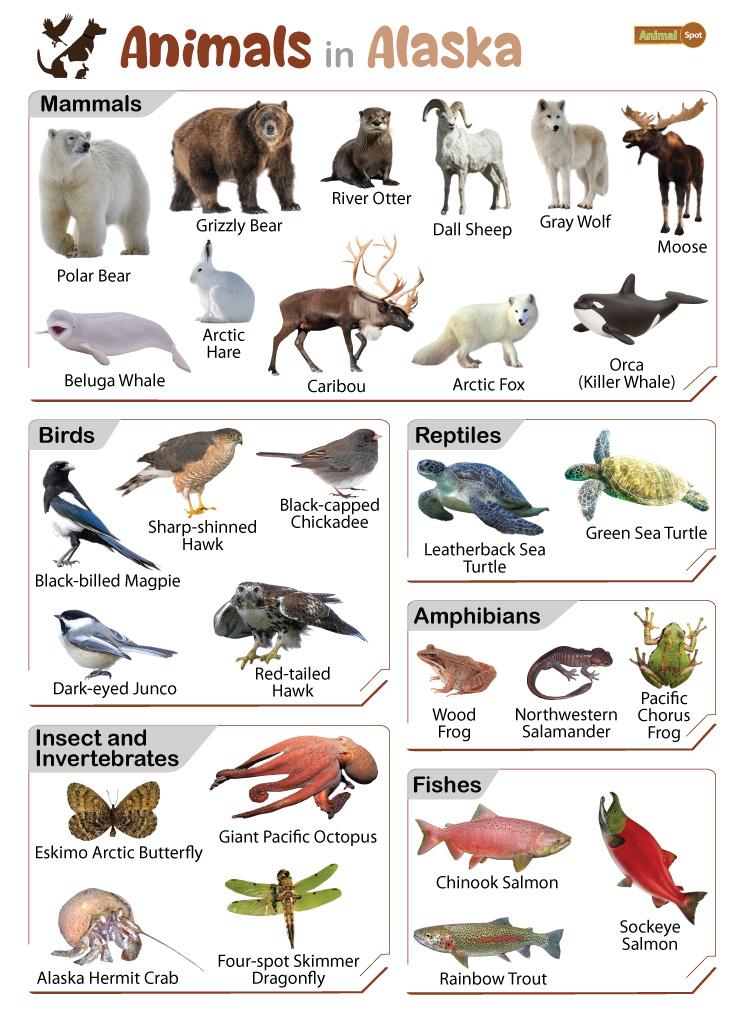
A trip to Alaska is more than just sightseeing; it’s an expedition into one of the wildest places on Earth, where human development takes a backseat to the rhythms of the natural world. The state’s commitment to conservation, combined with its sheer scale, provides a sanctuary for a staggering array of species. From the formidable grizzly bear to the elusive wolf, and from breaching whales to soaring eagles, the animal kingdom here puts on a spectacle unlike any other. Whether you dream of a luxurious wilderness retreat or a rugged camping adventure, Alaska offers a plethora of ways to connect with its wild inhabitants, making it a dream destination for wildlife enthusiasts and nature photographers alike. Understanding the diverse ecosystems and the creatures within them is the first step in crafting your perfect Alaskan adventure, one that promises awe-inspiring encounters and memories to last a lifetime.
I. Iconic Land Mammals: Giants of the Wilderness
Alaska’s vast interior and mountainous regions are home to some of North America’s most iconic land mammals. These creatures, often massive in size and formidable in nature, embody the raw wilderness spirit of the state. Observing them in their natural environment is a profound experience that underscores the power and beauty of the Alaskan ecosystem.
Bears: The Apex Predators
When one thinks of Alaskan wildlife, bears are often the first animals that come to mind, and for good reason. Alaska is home to three distinct species: grizzly bears (also known as brown bears), black bears, and polar bears. Each occupies a unique niche and offers different viewing opportunities.
- Grizzly Bears (Brown Bears): These magnificent creatures are perhaps the most famous residents of Alaska. They are particularly abundant in coastal areas where salmon runs provide a rich food source. Places like Katmai National Park are world-renowned for their bear viewing. Imagine standing on a viewing platform at Brooks Falls, watching a massive grizzly expertly pluck salmon out of the rushing river – it’s a scene straight out of a nature documentary. Other excellent locations include Kodiak Island, home to the enormous Kodiak bear, and the vast wilderness of Denali National Park. Specialized bear-viewing tours, often involving floatplanes to remote lodges, offer incredibly intimate and safe encounters. For a truly immersive experience, consider booking a stay at a wilderness lodge like the hypothetical Grand Alaskan Lodge, which specializes in guided bear photography excursions, blending luxury accommodation with unparalleled wildlife access.
- Black Bears: More widespread and generally smaller than their brown bear cousins, black bears are often seen in forested areas across the state. They are more common near populated areas and can sometimes be spotted foraging along roadsides or trails, particularly in regions like the Chugach Mountains near Anchorage or within the extensive national forests. While less the star of dedicated viewing tours, incidental sightings are a common and exciting part of many Alaskan trips.
- Polar Bears: These majestic white bears are the kings of the Arctic. Their habitat is restricted to the northernmost coastal regions and sea ice, making them the most challenging bear species to spot. Specialized expeditions to places like Kaktovik or boat tours along the Arctic Ocean coast are required to see them. These are often high-end, adventure-focused trips, attracting seasoned travelers and photographers willing to brave extreme conditions for a glimpse of this endangered species. Accommodation in these remote areas might range from expedition ships to very basic local guesthouses.
Moose and Caribou: Graziers of the Tundra
Beyond the formidable bears, Alaska’s land is also home to vast herds of herbivores that define the landscapes of its interior.
- Moose: The largest member of the deer family, Alaskan moose are truly immense animals, easily recognizable by their massive antlers (on males) and distinctive shoulder hump. They are ubiquitous throughout much of Alaska, often spotted grazing in willow thickets, marshy areas, and even urban greenbelts around cities like Anchorage and Fairbanks. Driving the scenic highways, such as the Parks Highway connecting Anchorage to Fairbanks and Denali, frequently yields moose sightings. For a more structured viewing, guided nature walks or bus tours into Denali National Park almost guarantee an encounter with these impressive herbivores.
- Caribou: Known for their epic migrations, caribou (reindeer in Europe) are another iconic Alaskan species. They traverse immense distances across the tundra in herds that can number in the tens of thousands. While spotting a large herd requires timing your visit with their migratory patterns and venturing into remote areas like Gates of the Arctic National Park or the Arctic National Wildlife Refuge, smaller groups are often seen in Denali National Park and other wilderness regions. Flightseeing tours over the vast interior can offer a breathtaking aerial perspective of these migrating herds, an unforgettable experience for any discerning traveler.
Wolves and Other Elusive Carnivores
While bears and large ungulates are relatively common sights, Alaska also harbors more elusive carnivores that require patience and a bit of luck to observe.
- Wolves: The timber wolf, an intelligent and powerful predator, thrives in Alaska’s expansive wilderness. While challenging to spot due to their shy nature and vast territories, Denali National Park offers one of the best opportunities for sightings, particularly along the park road. Joining a guided tour with experienced naturalists significantly increases your chances, as they know the best vantage points and behavioral cues. The thrill of spotting a wolf pack, even from a distance, is a highlight for many visitors, representing the raw, untamed essence of Alaska.
- Other Predators: Other fascinating, though even more elusive, carnivores include lynx, wolverines, and foxes. While direct sightings are rare, their presence adds to the mystique of Alaska’s wilderness. Wildlife photography tours often target these animals, sometimes utilizing blinds or long-lens opportunities. Staying in a remote cabin or a cozy guesthouse in less-traveled areas can sometimes lead to unexpected encounters, offering a more rustic yet authentic accommodation experience. The Alaska Wildlife Conservation Center near Girdwood offers a wonderful opportunity to see many of these animals up close in a spacious, natural setting, providing invaluable educational experiences.
II. Marine Marvels: Life in Alaska’s Waters
Alaska’s coastline, stretching for over 34,000 miles, is a vibrant interface between land and sea, teeming with an incredible array of marine life. The cold, nutrient-rich waters of the Pacific Ocean and the Bering Sea create a biodiversity hotspot, making marine wildlife viewing a cornerstone of any Alaskan travel itinerary.
Whales and Orcas: Gentle Giants and Hunters of the Deep
Whale watching is one of the most popular and awe-inspiring activities in Alaska, offering unforgettable encounters with some of the planet’s largest and most intelligent creatures.
- Humpback Whales: Famous for their acrobatic breaches, tail slaps, and majestic fluke dives, humpback whales are a common sight in Alaskan waters from spring through fall. The nutrient-rich feeding grounds of the Inside Passage, particularly near Juneau, Gustavus (the gateway to Glacier Bay National Park), and Homer in Kachemak Bay, are prime locations for observing these gentle giants. Numerous tour operators offer dedicated whale watching cruises, ranging from intimate small-group excursions to larger, more comfortable vessels equipped with viewing decks and naturalists. Pairing a whale watching tour with a stay at a charming waterfront hotel like the hypothetical Coastal Comfort Suites in Seward or Juneau can enhance the entire coastal experience, offering stunning views even from your room.
- Orcas (Killer Whales): The powerful and intelligent orcas are another star attraction. Known for their distinctive black and white markings and complex social structures, orcas are often seen hunting seals, sea lions, and even other whales. The waters of Kenai Fjords National Park near Seward and Prince William Sound are excellent places to spot both transient (marine mammal-eating) and resident (fish-eating) populations. Multi-day cruises through the Inside Passage or around the Aleutian Islands can provide extended opportunities for observing these apex predators in action. Many luxury cruises and expedition ships offer specialized itineraries focused on marine wildlife, providing top-tier accommodation and expert-led excursions.
- Other Whales: Depending on the season and location, travelers might also spot gray whales, minke whales, and even the rare fin whale. Each species brings its unique behaviors and challenges for viewing, making every encounter special.
Seals, Sea Lions, and Otters: Playful Residents of the Coast
Beyond the colossal whales, Alaska’s coastal waters and rocky shores are bustling with a variety of fascinating marine mammals, often seen closer to shore.
- Sea Otters: Arguably the most endearing marine mammals, sea otters are incredibly charismatic. They are often seen floating on their backs, grooming their dense fur, cracking open shellfish on their chests, or playfully wrestling in kelp beds. Prince William Sound, Kenai Fjords National Park, and Kachemak Bay are fantastic places for sea otter sightings. Kayaking tours offer an intimate way to observe them in their natural habitat, paddling silently through their feeding grounds.
- Seals and Sea Lions: Both harbor seals and the larger Steller sea lions are common along Alaska’s coast. You’ll often find them hauled out on rocky islets, fishing boats, or ice floes, basking in the sun or vocalizing loudly. Steller sea lion rookeries, particularly in Kenai Fjords National Park and Glacier Bay National Park, are incredible to witness, teeming with hundreds of these massive pinnipeds. Boat tours, whether part of a cruise or a dedicated day trip, are the best way to safely observe these animals without disturbing their natural behaviors.
- Porpoises and Dolphins: Several species of porpoises and dolphins, including Dall’s porpoise and Pacific white-sided dolphins, gracefully navigate Alaskan waters. Their swift movements and playful nature often make them a delightful bonus during whale-watching or scenic cruises.
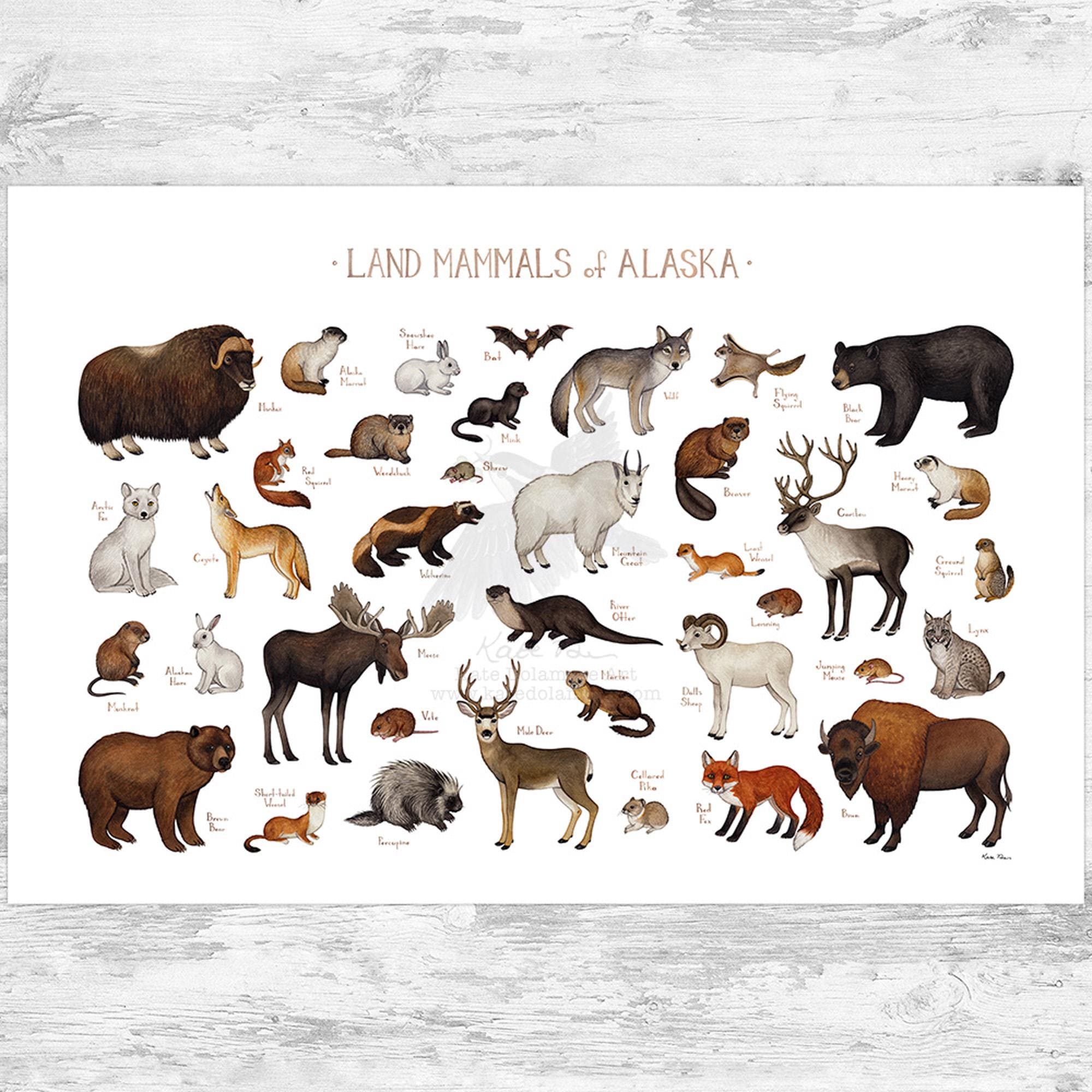
The Rich Biodiversity of Alaska’s Coastal Ecosystems
The sheer diversity of marine life in Alaska extends beyond mammals to include an incredible array of fish and invertebrates. The rich salmon runs, for instance, are not only vital for bears but also form the basis of a vast ecosystem, supporting everything from eagles to fishing industries. Sport fishing charters, particularly for halibut and salmon in places like Homer or Sitka, offer a direct connection to this bountiful environment. For those interested in marine conservation and biology, some tours offer opportunities to learn about local research efforts, providing a deeper understanding of this fragile yet robust ecosystem.
III. Avian Wonders: Sky-High Spectacles
Alaska’s skies and shores are as vibrant as its land and sea, hosting an astonishing variety of birdlife, from majestic raptors to charismatic seabirds. Birdwatching in Alaska is a major draw for ornithologists and casual observers alike, offering truly spectacular sightings.
Bald Eagles: Symbols of the Wild
The bald eagle, the national bird of the United States, thrives in Alaska more than anywhere else in the nation. With vast populations, especially along the state’s extensive coastline, encountering these powerful raptors is almost a certainty for any visitor.
- Abundant Sightings: Eagles are particularly concentrated in areas with rich salmon runs, such as Haines, which hosts the largest gathering of bald eagles in the world each fall. Here, during the peak of the salmon season, hundreds to thousands of eagles congregate, offering unparalleled viewing and photography opportunities. Juneau, Ketchikan, and Seward are also excellent locations, where eagles are commonly seen perched atop trees, soaring overhead, or diving for fish.
- Birding Tours and Photography: Many guided birding tours specifically target eagle viewing, providing expert insights into their behavior and habitat. For photographers, the chance to capture a bald eagle in flight or with a freshly caught fish is a prime motivation. Consider staying in cabins or resorts near known eagle habitats to maximize your chances of spectacular dawn or dusk sightings. Hotels like the Hotel Captain Cook in Anchorage often feature local art depicting these majestic birds, reflecting their iconic status in Alaskan culture.
Puffins and Other Seabirds: Colonial Charmers
Alaska’s rocky islands and coastal cliffs are home to immense seabird colonies, creating a vibrant, noisy, and fascinating spectacle.
- Puffins: With their distinctive colorful beaks and clumsy yet charming gait on land, puffins are a favorite among visitors. Both Tufted Puffins and Horned Puffins breed in Alaska, establishing large colonies on remote islands and cliffs. Areas like Kenai Fjords National Park, Prince William Sound, and the Aleutian Islands are prime viewing locations. Boat tours regularly visit these rookeries, allowing visitors to observe puffins diving for fish, flying with rapid wing beats, and nesting in burrows.
- Murres, Kittiwakes, and Cormorants: These seabird colonies are often a bustling mix of species. Common and Thick-billed Murres stand shoulder-to-shoulder on narrow ledges, while Black-legged Kittiwakes fill the air with their distinctive calls. Various species of cormorants, with their sleek bodies and expert diving abilities, are also abundant. The sheer number of birds, their cacophony, and the drama of their daily lives – from feeding chicks to fending off predators – create an unforgettable natural spectacle.
- Other Avian Wonders: Beyond seabirds and eagles, Alaska is a migratory stopover and breeding ground for hundreds of other bird species, including various ducks, geese, shorebirds, and songbirds. Bird festivals, such as those in Kachemak Bay and Juneau, celebrate this rich avian diversity and offer guided tours and workshops. A stay at a lodge like Alyeska Resort in Girdwood or a wilderness cabin near a bird sanctuary can offer excellent opportunities for casual birdwatching during your trip.
IV. Planning Your Wildlife Adventure: Tips for Travelers
An Alaskan wildlife adventure requires careful planning to maximize your chances of incredible encounters while ensuring safety and responsible tourism. From choosing the right time and place to selecting the best tours and accommodations, every detail contributes to a truly unforgettable experience.
Choosing Your Destination and Season
The vastness of Alaska means that different regions offer distinct wildlife experiences, and the best time to visit often depends on what you hope to see.
- Summer (June-August): This is peak season for wildlife viewing. Bears are active, salmon are running, and whales are feeding in coastal waters. The long daylight hours offer extended viewing opportunities. Popular destinations like Denali National Park, Kenai Fjords National Park, and the Inside Passage are bustling with visitors and tours. If your primary goal is to see a wide variety of animals, summer is ideal. Be prepared for higher prices and book accommodations and tours well in advance, especially for sought-after spots like Katmai National Park or cruises through Glacier Bay.
- Spring (May-Early June): Wildlife emerges from hibernation, and migratory birds return. This shoulder season offers fewer crowds and often lower prices. It’s an excellent time for viewing newborn animals and witnessing the first signs of spring.
- Fall (September-October): The foliage turns vibrant, and animals are often preparing for winter. Bear viewing can still be excellent, especially with salmon spawning. Caribou migrations can be spectacular. This is another shoulder season, offering a more serene experience with fewer tourists. It’s also a fantastic time for photography due to the rich colors.
- Winter (November-April): While challenging for traditional wildlife viewing, winter offers unique opportunities. You might spot wolves against a snowy backdrop, moose foraging in the deep snow, or arctic foxes. Winter is also prime time for viewing the Aurora Borealis in places like Fairbanks, and some specialized tours combine aurora viewing with glimpses of hardy winter wildlife. A stay at a remote lodge like the hypothetical Aurora Borealis Resort could offer both.
Accommodation and Tour Operators
Choosing the right accommodation and tour operators is crucial for a successful and enjoyable wildlife trip. Alaska offers a range of options catering to various lifestyles and budgets.
- Wilderness Lodges and Remote Cabins: For truly immersive wildlife experiences, consider staying at a remote wilderness lodge. These often include guided excursions, delicious local cuisine, and comfortable amenities in secluded settings. They typically offer all-inclusive packages focused on specific wildlife activities like bear viewing or fishing. Examples might include properties near Denali National Park or on Kodiak Island.
- City Hotels and Resorts: For those who prefer a base with more amenities, cities like Anchorage, Juneau, and Fairbanks offer a wide selection of hotels, from luxury resorts to budget-friendly options. From these cities, you can arrange day trips or multi-day tours to wildlife hotspots. For instance, Anchorage provides easy access to Kenai Fjords and the Chugach Mountains, while Fairbanks is a gateway to the Arctic and northern parks.
- Cruises: For coastal wildlife, an Alaskan cruise is an excellent option, particularly for navigating the Inside Passage. These often include excursions to towns, glaciers, and prime whale-watching areas, combining comfortable accommodation with diverse sightseeing.
- Guided Tours: Reputable tour operators are invaluable. Look for companies with experienced, knowledgeable guides who prioritize wildlife safety and ethical viewing practices. They can navigate challenging terrain, provide insight into animal behavior, and offer specialized equipment for observation. Booking reviews and recommendations are key to choosing the right operator for your desired experience, whether it’s a bear-viewing floatplane trip to Brooks Falls or a multi-day hike in Wrangell-St. Elias National Park.
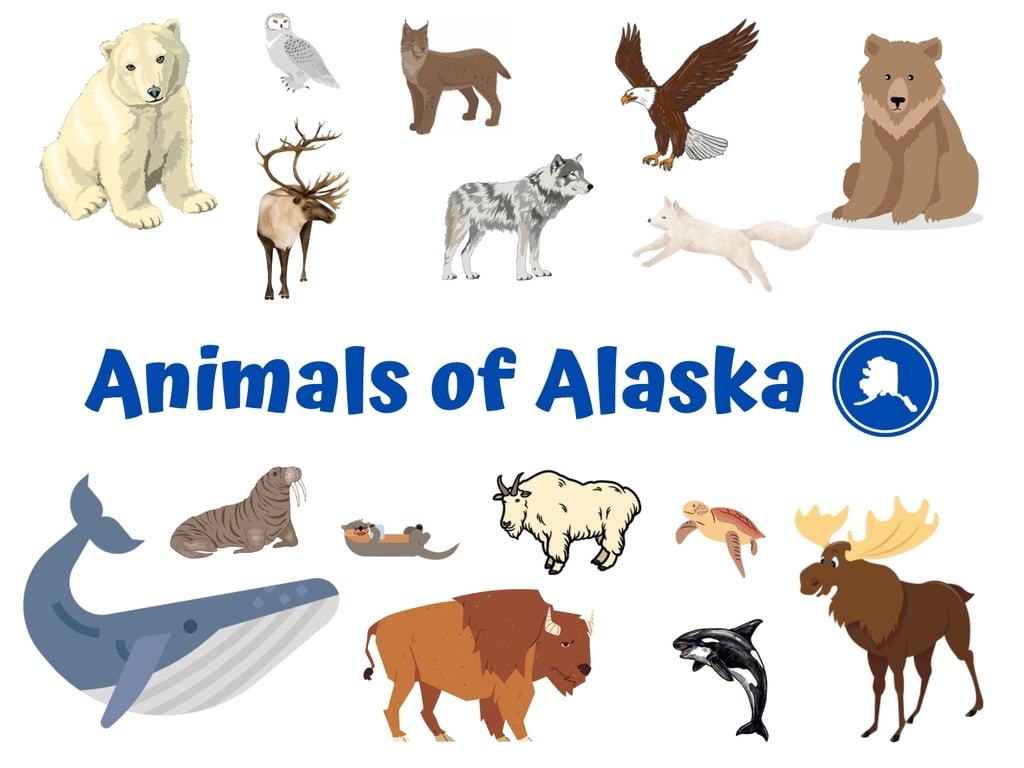
Responsible Wildlife Viewing
To ensure these amazing animals continue to thrive, responsible tourism is paramount.
- Maintain Distance: Always maintain a safe and respectful distance from wildlife. Use binoculars or a telephoto lens for close-up views. Never approach, feed, or harass animals.
- Follow Guidelines: Adhere to all park rules and guide instructions. They are in place for your safety and the well-being of the animals.
- Leave No Trace: Pack out everything you pack in. Do not disturb vegetation or leave any trash behind.
- Support Ethical Tourism: Choose tour operators and accommodations that demonstrate a commitment to conservation and sustainable practices. Many lodges and tour companies in Alaska actively contribute to local conservation efforts and prioritize minimizing their environmental footprint.
Embarking on a wildlife adventure in Alaska is more than just a trip; it’s a journey into the heart of an untamed frontier. From the awe-inspiring power of a grizzly bear fishing for salmon to the graceful ballet of humpback whales breaching in a glacial fjord, the state’s amazing animals offer an endless source of wonder and inspiration. By planning thoughtfully and traveling responsibly, you can ensure your visit not only creates incredible personal memories but also contributes to the preservation of this magnificent natural heritage for generations to come. Alaska awaits, ready to reveal its wild secrets to those who seek them.
LifeOutOfTheBox is a participant in the Amazon Services LLC Associates Program, an affiliate advertising program designed to provide a means for sites to earn advertising fees by advertising and linking to Amazon.com. Amazon, the Amazon logo, AmazonSupply, and the AmazonSupply logo are trademarks of Amazon.com, Inc. or its affiliates. As an Amazon Associate we earn affiliate commissions from qualifying purchases.