
Arizona, a state renowned for its dramatic desert landscapes, towering red rock formations, and sun-drenched canyons, is also a vibrant tapestry of wildlife. Far from being a barren expanse, the Grand Canyon State teems with a surprising diversity of fauna, adapted to its varied ecosystems, from the arid Sonoran Desert to the cooler, pine-forested mountains. For the intrepid traveler or the curious nature enthusiast, understanding the wildlife that calls Arizona home enhances any visit, offering unique opportunities for observation and appreciation. This guide delves into the fascinating animal inhabitants of Arizona, categorized by their preferred habitats, providing insights for those planning a trip to explore the state’s natural wonders.
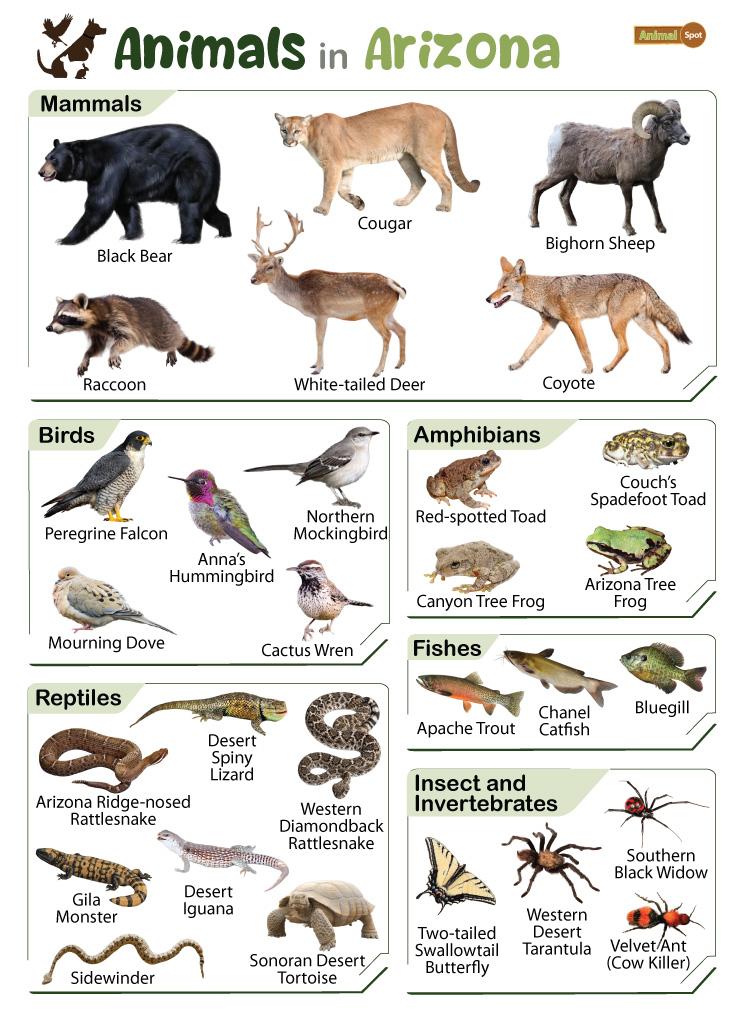
Desert Dwellers: Masters of the Arid Realm
The iconic Sonoran Desert is a land of extremes, and its animals are a testament to remarkable adaptation. Survival here hinges on conserving water, evading extreme temperatures, and finding sustenance in a challenging environment.
Reptiles and Amphibians: Scales and Slithers
The desert’s heat is often preferred by its reptilian inhabitants. The Sonoran Desert Tortoise, a gentle herbivore, is a symbol of resilience, often seen lumbering across the arid plains. Its slow, deliberate movements belie a complex life cycle intertwined with the desert’s seasonal rains.
Lizards are abundant, with the Greater Short-horned Lizard known for its spiny appearance and its unique defense mechanism of squirting blood from its eyes. The vibrant Gila Monster, one of only two venomous lizards in the United States, is a striking creature with its beaded skin and distinctive black and orange or pink patterns. Though venomous, it is generally docile and rarely encounters humans. Other common lizards include the Zebra-tailed Lizard, known for its rapid movements and distinctive tail flicking, and the Desert Iguana, often seen basking on rocks.
Amphibians, while seemingly ill-suited to the desert, have found ways to thrive. The Couch’s Spadefoot Toad spends most of its life burrowed deep underground, emerging only after significant rainfall to breed and feed. Its guttural calls can fill the desert night during monsoon season.
Mammals: Navigating the Heat and Scarcity
The desert mammals are predominantly nocturnal or crepuscular, avoiding the peak daytime heat. The Coyote, a highly adaptable canine, is a ubiquitous presence, often heard howling at dusk. They are opportunistic feeders, playing a crucial role in the desert ecosystem.
Smaller mammals include the Kangaroo Rat, known for its incredible leaping ability and its ability to derive all necessary moisture from the seeds it eats. The Desert Cottontail Rabbit is a common sight, its large ears helping to dissipate heat. Various species of mice and ground squirrels also inhabit the desert, forming an important food source for predators.
Larger mammals are less common but still present. The Desert Bighorn Sheep, with its magnificent curved horns, is an iconic species of the arid West. These agile climbers can be found in rugged, rocky terrain, often near water sources. They are adept at navigating steep cliffs and canyons.
Birds: Feathered Jewels of the Desert Sky
Despite the arid conditions, Arizona’s deserts host a surprising array of birdlife. The Greater Roadrunner, a swift-running bird famous for its speed, is a common sight, often seen darting across roads or hunting for lizards and insects. The Gila Woodpecker and Gilded Flicker are closely associated with the Saguaro cactus, nesting in its giant arms.
Raptors are also well-represented. The Red-tailed Hawk is a frequent sight, soaring on thermals or perched on utility poles. Smaller birds like the Cactus Wren, the state bird, build their elaborate nests within prickly pear and cholla cactus. The Verdin, a tiny, energetic bird, can be spotted foraging in the mesquite trees.
Mountain Marvels: Life in the High Country

As elevation increases, Arizona’s landscape transforms from desert scrub to pine forests and alpine meadows. These cooler, wetter environments support a different suite of animals, many of which are more familiar to those from northern climates.
Mammals: Majestic Residents of the Peaks
The Rocky Mountain Elk and Mule Deer are prominent herbivores in Arizona’s higher elevations, grazing in meadows and forests. The Black Bear is also present in these forested areas, though sightings are less common. Their diet consists of berries, nuts, insects, and small mammals.
The Mountain Lion, or puma, is the state’s largest feline predator, an elusive and powerful hunter. While rarely seen, their presence is a vital part of the ecosystem’s balance. Smaller mammals include various species of squirrels, chipmunks, and the Abert’s Squirrel, recognizable by its distinctive ear tufts, found primarily in ponderosa pine forests.
Birds: Avian Life in the Forests and Peaks
The coniferous forests are home to a variety of birds. Steller’s Jays and Scrub Jays are common, known for their intelligence and bold nature. Wild Turkeys can often be seen foraging on the forest floor.
Raptors like the Cooper’s Hawk and Sharp-shinned Hawk hunt in the dense undergrowth, while Ospreys can be found near mountain lakes and rivers, fishing for their meals. The Northern Flicker and various other woodpecker species are also common in these wooded areas.
Riparian Realms: Oases of Biodiversity
Along the rivers and streams, particularly in central and southern Arizona, a unique ecosystem flourishes. These riparian areas act as vital corridors for wildlife, offering water and vegetation that supports a rich diversity of life, even in the midst of arid surroundings.
Mammals: Water-Dependent Creatures
The Beaver, a master engineer, creates dams that transform arid landscapes into thriving wetlands, benefiting numerous other species. Muskrats are also common in these aquatic environments.
The Ringtail Cat, a nocturnal mammal resembling a small fox with a long, ringed tail, is often found near rocky outcrops and riparian areas. The Javelina, or collared peccary, a wild pig-like mammal, is commonly seen in these areas, often foraging in family groups.
Birds: A Haven for Feathered Friends
Riparian zones are a magnet for birds. Great Blue Herons and Green Herons are often spotted wading in shallow waters, hunting for fish and amphibians. Various species of kingfishers, flycatchers, and warblers are abundant, attracted by the insect life and the cover provided by the vegetation. The Canyon Wren, with its distinctive cascading song, can be heard in rocky canyon areas near water.
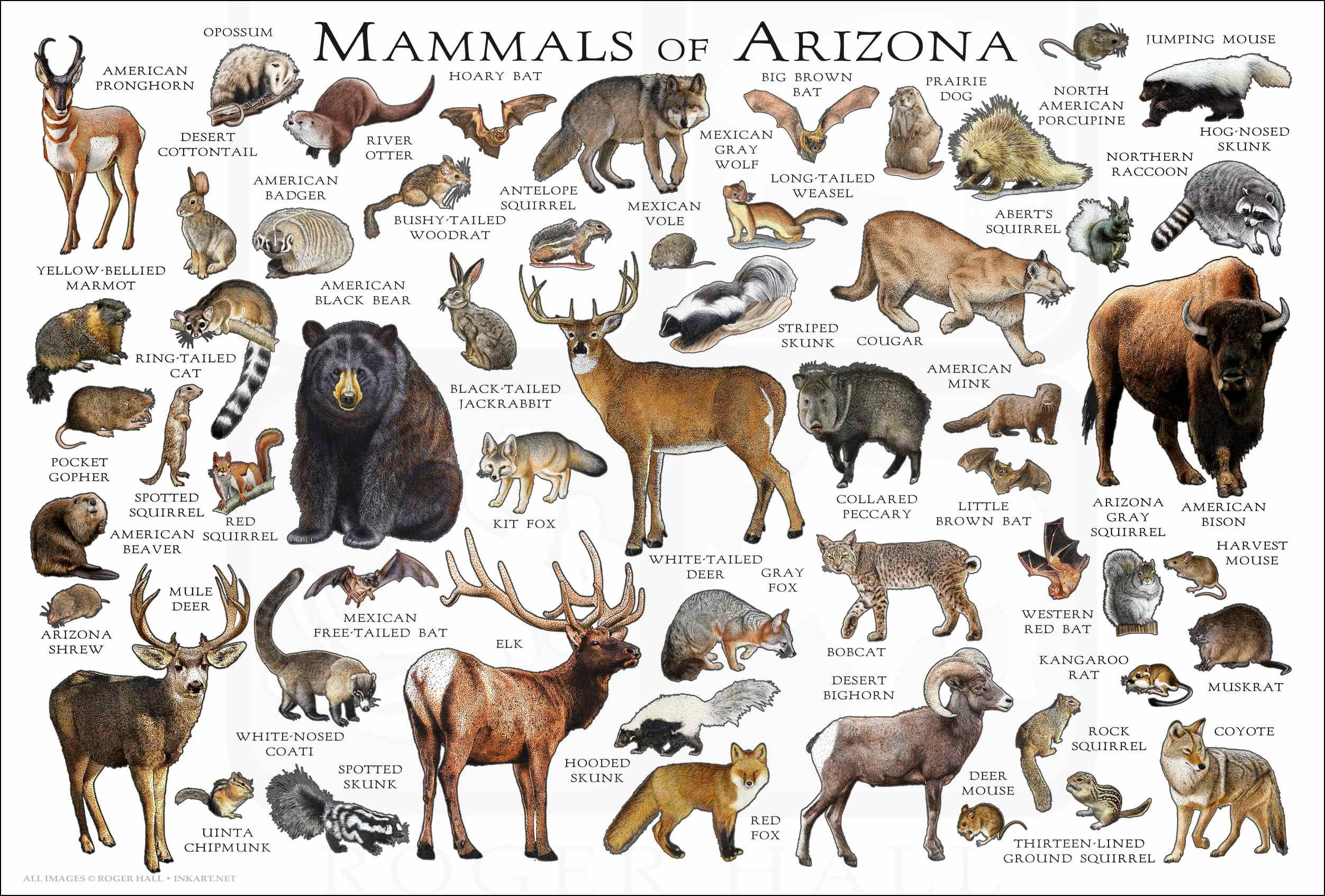
Exploring Arizona’s Wildlife Responsibly
Observing Arizona’s wildlife is a rewarding experience, but it’s crucial to do so responsibly. When visiting national parks like Grand Canyon National Park or Saguaro National Park, or exploring state parks, remember to maintain a safe distance from animals. Never feed wildlife, as this can disrupt their natural behaviors and diets, and can lead to habituation and potential conflicts. Carry binoculars for a closer look without disturbing the animals, and be aware of your surroundings.
Arizona’s wild inhabitants are an integral part of its natural heritage. Whether you’re exploring the vastness of the Sonoran Desert, the cool air of the Mogollon Rim, or the lush riparian corridors, take the time to appreciate the incredible diversity of life that thrives in this remarkable state. Each sighting is a reminder of the intricate balance of nature and the importance of conservation efforts.
LifeOutOfTheBox is a participant in the Amazon Services LLC Associates Program, an affiliate advertising program designed to provide a means for sites to earn advertising fees by advertising and linking to Amazon.com. Amazon, the Amazon logo, AmazonSupply, and the AmazonSupply logo are trademarks of Amazon.com, Inc. or its affiliates. As an Amazon Associate we earn affiliate commissions from qualifying purchases.