
The Hawaiian Islands, a remote archipelago in the vast Pacific Ocean, are renowned for their breathtaking landscapes, vibrant culture, and unique biodiversity. While many envision lush rainforests, volcanic peaks, and pristine beaches when thinking of a trip to Hawaii, a significant part of its allure lies in its fascinating animal inhabitants. Due to its isolation, Hawaii has developed an endemic species population found nowhere else on Earth, alongside a variety of introduced species that have adapted to its diverse ecosystems. Understanding the wildlife that calls these islands home is crucial for any traveler seeking to appreciate the natural wonders of this tropical paradise, from the smallest insect to the majestic marine mammals that frequent its shores.
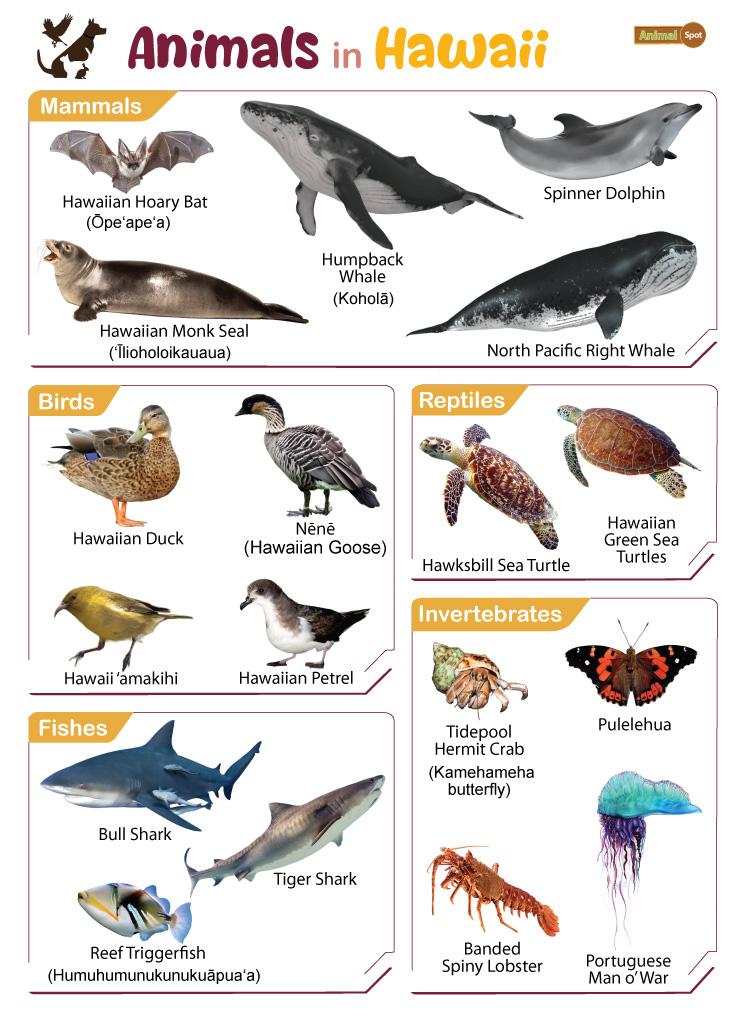
This guide delves into the diverse animal kingdom of Hawaii, exploring the creatures that roam its land, soar through its skies, and inhabit its surrounding waters. We’ll uncover the unique adaptations that have allowed these species to thrive in such an isolated environment and highlight some of the best places to encounter them. Whether you’re planning a luxurious escape to a world-class resort, a budget-friendly adventure, or a family vacation filled with unforgettable experiences, encountering Hawaii’s wildlife will undoubtedly enrich your journey.
Terrestrial Treasures: Land Animals of the Hawaiian Islands
The terrestrial fauna of Hawaii is a testament to the power of isolation and evolution. With no native land mammals, except for bats, the islands’ land-based wildlife consists primarily of birds, insects, reptiles, and amphibians, many of which are endemic. This lack of large predators has allowed many species to develop unique characteristics, including a lack of fear towards humans, which can be both fascinating and a cause for conservation concern.
Avian Wonders: Hawaii’s Feathered Residents
Hawaii is a birdwatcher’s paradise, boasting a remarkable array of endemic bird species. The islands’ isolation meant that birds that arrived here evolved in unique ways, leading to a distinct avian lineage.
-
Nēnē (Hawaiian Goose): Often referred to as the “Hawaiian Goose,” the nēnē is Hawaii’s state bird and a true symbol of conservation success. Once critically endangered, dedicated efforts have helped its population rebound. These geese are uniquely adapted to the lava fields, with softer feet than their mainland cousins, allowing them to navigate the rocky terrain. You can often spot them grazing in grassy areas within national parks or along roadsides. Visiting Haleakalā National Park on Maui or Hawaiʻi Volcanoes National Park on the Big Island are prime locations to encounter the nēnē.
-
ʻIʻiwi: This striking, scarlet-colored bird with a distinctive curved beak is an iconic inhabitant of Hawaii’s native forests. The ʻiʻiwi is a nectar-feeder, and its beak is perfectly shaped to extract nectar from the ʻōhiʻa lehua flower. Unfortunately, like many native Hawaiian birds, the ʻiʻiwi has faced severe population declines due to habitat loss and introduced diseases like avian malaria, carried by mosquitoes. Efforts to protect its remaining forest habitat are crucial for its survival. Look for it in higher elevation forests on Maui, Kauai, and the Big Island.
-
ʻApapane: Another beautiful native Hawaiian honeycreeper, the ʻapapane, is characterized by its crimson plumage and a melodious song. They are often found in mixed flocks with other native forest birds, flitting through the canopy. Like the ʻiʻiwi, they are vulnerable to habitat changes and disease. Exploring the cloud forests of Kauaʻi or the montane forests of the Big Island can offer opportunities to observe these delightful birds.
-
Oʻahu Tree Snail: While not a bird, the Oʻahu Tree Snail is a remarkable example of land-based endemism. These snails are known for their vibrant shell colors and patterns. However, their populations have been devastated by introduced predators like rats and the rosy wolf snail. Conservation efforts are focused on protecting their shrinking forest habitats, making them a rare but prized sighting for dedicated nature enthusiasts.
Reptilian Encounters and Amphibious Additions
Hawaii’s reptile and amphibian populations are largely a result of introductions. While there are no native snakes, some introductions have become well-established.
-
Green Sea Turtle (Honu): Although primarily a marine animal, the Green Sea Turtle, or Honu, is a beloved resident of Hawaii’s coastlines and beaches. These gentle giants are often seen basking on sandy shores or gracefully swimming in the shallow waters. Laniakea Beach on Oʻahu is particularly famous for its resident population of honu, offering visitors a high chance of spotting them. Remember to maintain a respectful distance and never touch or disturb them. These animals are protected under federal and state laws.
-
Jackson’s Chameleon: Introduced from East Africa, the Jackson’s Chameleon has become a common sight in many vegetated areas of Hawaii, particularly on Oʻahu, Maui, and the Big Island. These fascinating reptiles are known for their distinctive horns and their ability to change color. They are often seen perched on branches or leaves, blending in with their surroundings. While not native, they are an interesting part of Hawaii’s introduced fauna.
-
Coqui Frog: The presence of the Coqui Frog on Hawaii is a contentious issue. Introduced from Puerto Rico, these small frogs are known for their loud, distinctive mating call that can be heard throughout the night, particularly in wetter, more vegetated areas. While some find their chorus charming, for others, the constant noise can be an annoyance. They are also considered an invasive species, competing with native insects and potentially impacting native ecosystems.
Oceanic Oasis: Marine Life of the Hawaiian Archipelago
The waters surrounding the Hawaiian Islands teem with a spectacular array of marine life, making Hawaii a world-renowned destination for snorkeling, diving, and whale watching. The warm, nutrient-rich currents provide a haven for a diverse range of species, from tiny reef fish to colossal cetaceans.
Colorful Coral Reefs and Their Inhabitants
The coral reefs are the vibrant heart of Hawaii’s marine ecosystems, supporting an astonishing variety of fish and invertebrates.
-
Tropical Fish: Snorkelers and divers will be mesmerized by the sheer abundance and diversity of reef fish. Expect to see dazzling parrotfish, schools of regal tangs, angelfish, butterflyfish in every color imaginable, and the iconic Humuhumunukunukuapuaʻa, Hawaii’s state fish, with its intricate patterns. Popular snorkeling spots like Hanauma Bay on Oʻahu, Molokini Crater off the coast of Maui, and the reefs along Kauaʻi’s north shore offer unparalleled opportunities to witness this underwater spectacle.
-
Sea Turtles (Honu): As mentioned earlier, the Green Sea Turtle is a frequent visitor to Hawaii’s reefs, gracefully gliding through the water and grazing on algae. Seeing them in their natural marine environment is a truly magical experience.
-
Eels: Moray eels, with their serpentine bodies and often intimidating appearance, are also common inhabitants of the reefs. They can often be seen peeking out from their rocky crevices.
Majestic Marine Mammals
Hawaii is a crucial breeding and calving ground for several species of marine mammals, offering some of the best opportunities in the world to witness these magnificent creatures.
-
Humpback Whales: From December to May, Hawaii’s warm waters attract thousands of Humpback Whales that migrate from Alaska to breed, calve, and nurse their young. Maui, in particular, is a prime whale-watching destination, with the channel between Maui, Molokaʻi, and Lanaʻi being a favored spot. Organized whale-watching tours offer incredible chances to see these gentle giants breach, slap their tails, and engage in other breathtaking behaviors. It’s a truly unforgettable experience, and respecting their space is paramount.
-
Spinner Dolphins: Hawaii’s waters are home to pods of Spinner Dolphins, named for their acrobatic leaps and spins as they move through the water. They are often seen in large groups, playing and socializing. Snorkeling or boat tours can sometimes lead to encounters with these intelligent and playful marine mammals. However, it’s important to remember that these are wild animals, and maintaining a respectful distance is crucial to avoid disturbing their natural behavior.
-
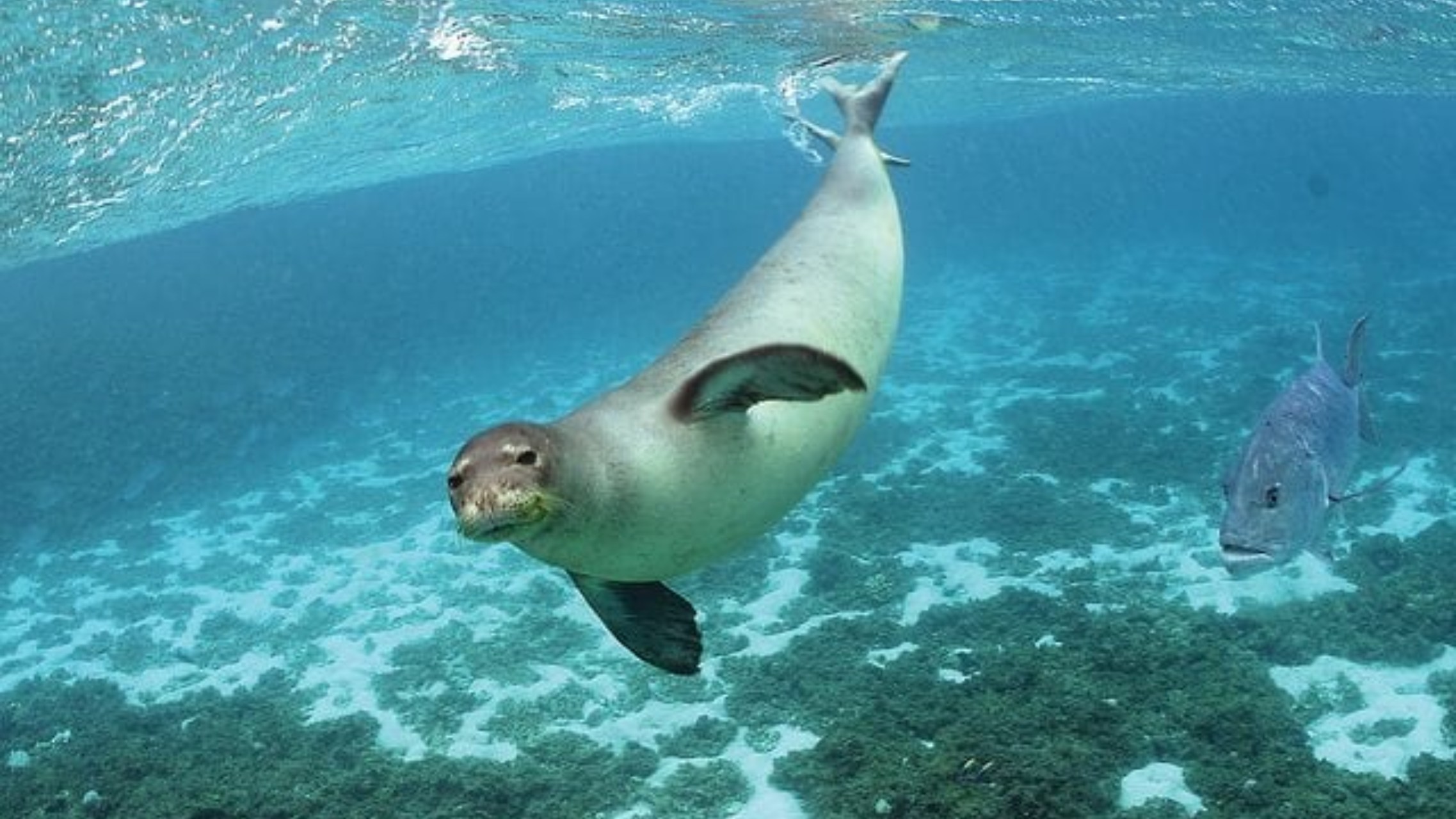
Monk Seals: The Hawaiian Monk Seal is one of the most endangered marine mammals in the United States, with the majority of its population found in the Northwestern Hawaiian Islands. However, small numbers are also found on the main Hawaiian Islands. These seals are often seen resting on beaches. If you are lucky enough to spot one, keep a significant distance, as they are protected and can be threatened by human proximity. Conservation efforts are vital for their survival.
Conservation and Responsible Wildlife Encounters
Given the unique and often fragile nature of Hawaii’s wildlife, responsible tourism and conservation are paramount. Many of Hawaii’s endemic species are endangered due to habitat loss, introduced predators, and climate change.

Protecting Hawaii’s Natural Heritage
-
Respect Wildlife: When observing animals, always maintain a safe and respectful distance. Never feed wild animals, as this can disrupt their natural foraging behaviors and make them dependent on humans, which can be harmful. For marine life, this means no touching or chasing. For land animals, maintain a distance that does not cause them to flee or appear stressed.
-
Stay on Trails: When hiking through Hawaii’s natural landscapes, stick to designated trails. This helps to protect delicate vegetation, prevent soil erosion, and minimize disturbance to wildlife habitats.
-
Reduce Your Impact: Practice Leave No Trace principles. This includes packing out everything you pack in, disposing of trash properly, and minimizing your use of single-use plastics.
-
Support Conservation Efforts: Consider supporting local conservation organizations that are working to protect Hawaii’s unique ecosystems and endangered species. Your tourism dollars can contribute to vital research, habitat restoration, and public education initiatives.
-
Learn and Educate: The more you learn about Hawaii’s wildlife and the challenges they face, the better you can appreciate and advocate for their protection. Share your knowledge with others to foster a greater sense of stewardship for this incredible natural heritage.
Whether you are staying at a luxurious resort like the Grand Hyatt Hotel or a more budget-friendly apartment, the opportunity to connect with Hawaii’s wildlife exists. From the vibrant underwater world explored on a snorkeling trip to the majestic sightings on a whale-watching tour, the animals of Hawaii offer a profound connection to the natural world. By embracing responsible tourism and a spirit of respect, you can ensure that these magnificent creatures continue to grace the islands for generations to come, enriching every travel experience, from a leisurely family trip to an adventurous exploration.