
The Florida Everglades is not merely a swamp; it is a sprawling wetland ecosystem, a vast “River of Grass” that teems with an astonishing diversity of wildlife. As one of the most unique and vital natural habitats in North America, exploring the Everglades offers an unparalleled travel experience for nature enthusiasts and adventurers alike. This subtropical wilderness, designated a National Park and a UNESCO World Heritage Site, is a critical refuge for numerous species, many of which are endangered or found nowhere else on earth. Understanding its inhabitants is key to appreciating the delicate balance and profound beauty of this magnificent destination.
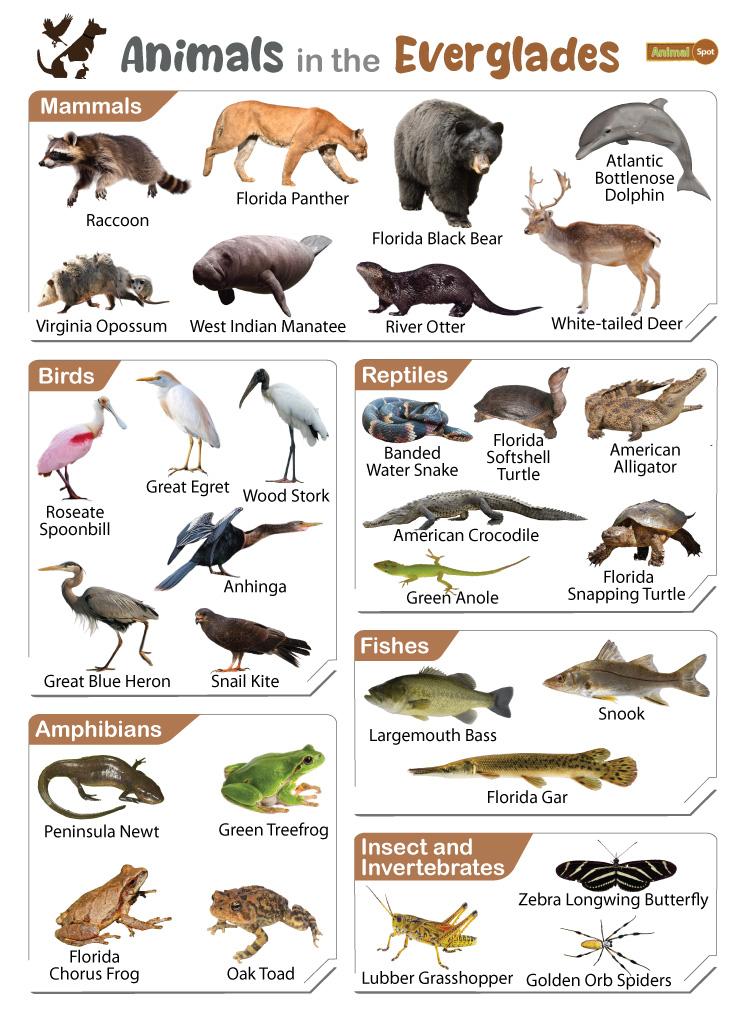
The Unique Ecosystem of the Everglades
The Everglades ecosystem is defined by its slow-moving sheet of water originating near Orlando and flowing south towards Florida Bay. This shallow, broad river creates a mosaic of habitats, including sawgrass marshes, cypress swamps, pinelands, hardwood hammocks, and mangrove forests along the coast. Each habitat supports a specific community of flora and fauna, making the Everglades incredibly rich in biodiversity. The varying water levels, influenced by wet and dry seasons, orchestrate the life cycles and movements of its resident animals, shaping the dynamic environment that travelers come to witness. From the apex predators to the smallest insects, every creature plays a crucial role in maintaining the health and resilience of this irreplaceable natural wonder, offering a profound glimpse into a thriving wilderness.
Reptilian Rulers and Amphibian Wonders
The warm, watery environment of the Everglades makes it an ideal home for reptiles and amphibians, many of which are iconic symbols of the park. Their presence is often one of the most anticipated sights for visitors exploring its waterways and trails.
Alligators and Crocodiles
Perhaps the most famous residents are the formidable alligators and crocodiles. The Everglades is the only place in the world where both American Alligators and American Crocodiles coexist naturally. American Alligators are freshwater dwellers, easily identifiable by their broad, U-shaped snouts and darker coloration. They are frequently spotted basking on sunny banks or slowly gliding through canals and marshlands, especially along popular routes like the Anhinga Trail. The more elusive American Crocodile prefers brackish and saltwater habitats, primarily in the coastal areas and estuaries of Florida Bay. They have a more pointed, V-shaped snout and lighter, grayish-green skin. Spotting a crocodile is a rarer treat for visitors, often requiring exploration into the park’s southernmost regions. Both species are vital apex predators, controlling populations of fish, birds, and other reptiles, thereby maintaining the ecosystem’s balance.
Snakes and Turtles
Snakes are ubiquitous in the Everglades, though many are masters of camouflage and shy away from human contact. Common non-venomous species include the Florida Green Water Snake and the Red-bellied Mud Snake, often seen near water sources. Venomous snakes like the Eastern Diamondback Rattlesnake and the Water Moccasin (Cottonmouth) also inhabit the area, though encounters are rare if visitors stay on marked paths.
Turtles, both freshwater and marine, are also abundant. Freshwater species like the Florida Softshell Turtle, with its flat, leathery shell, and various cooter and slider turtles, can be observed basking on logs or swimming in sloughs. Along the coast, the Everglades provides important nesting grounds for several species of sea turtles, including the massive Loggerhead Sea Turtle, Green Sea Turtle, and Leatherback Sea Turtle. Seeing a sea turtle nest or hatchling during the right season is an unforgettable experience.
Frogs and Toads
The symphony of the Everglades after dusk is largely composed of the calls of frogs and toads. These amphibians thrive in the wetland environment, serving as a critical food source for many larger predators. Species like the Green Treefrog, with its vibrant skin, and the Southern Leopard Frog are common. The invasive Cuban Treefrog is also unfortunately present, posing a threat to native species. Their presence is a good indicator of water quality and the health of the broader ecosystem, making them key indicators for environmental monitoring.
Avian Majesty: Birds of the Everglades Skies
Birdwatching in the Everglades is a world-class experience, attracting birders from across the globe. The park is a critical stopover and breeding ground for over 360 species of birds, from graceful waders to powerful raptors. The abundance of food and diverse habitats creates a vibrant avian spectacle, especially during the dry season when birds congregate around shrinking water holes.
Wading Birds

The vast, shallow waters are a paradise for wading birds, which are among the most iconic sights in the Everglades. Visitors can frequently spot the majestic Great Blue Heron patiently fishing, the elegant Great Egret with its snowy plumage, and the vibrant [Roseate Spoonbill](https://lifeoutofthebox.com/roseate-spoonbill], easily recognizable by its unique bill and pink feathers. White Ibis flocks are a common sight, probing the mud for invertebrates, while smaller Tricolored Herons and Snowy Egrets add to the diverse tableau. These birds play an essential role in the wetland food web, consuming fish, insects, and small reptiles, and are a photographer’s dream.
Raptors and Waterfowl
Above the marshes, raptors patrol the skies. The Osprey is a common sight, diving spectacularly to catch fish with its sharp talons. The impressive Bald Eagle, America’s national bird, also nests in the park, soaring high above the canopy. Various species of ducks, such as the Mottled Duck, and other waterfowl like the Anhinga (often seen drying its wings on branches) and the Double-crested Cormorant, are prevalent in the freshwater sloughs and deeper ponds.
Unique Everglades Birds
The Everglades is home to several bird species with unique adaptations or conservation concerns. The critically endangered Snail Kite is a highly specialized raptor, feeding almost exclusively on apple snails found in the wetlands. Its curved beak is perfectly adapted for extracting snails from their shells. The Wood Stork, a large wading bird, is another endangered species that can be observed foraging in shallow waters, using its unique method of tactile feeding. Spotting these rare birds is a highlight for many visitors, underscoring the park’s importance as a biodiversity hotspot.
Mammals and More: Hidden Gems of the Wetlands
While less frequently seen than reptiles and birds, a fascinating array of mammals also calls the Everglades home, along with a crucial population of invertebrates that underpin the entire ecosystem.
Iconic Mammals
The most elusive and arguably most famous mammal is the critically endangered Florida Panther. This majestic big cat is a subspecies of puma and is the last big cat remaining in the eastern United States. With fewer than 200 individuals remaining in the wild, primarily within south Florida, spotting one is an extremely rare and fortunate event. Similarly, the Florida Black Bear also inhabits the park, especially in the more secluded pinelands and cypress swamps, though they are shy and rarely encountered by visitors.
Other mammals are more commonly seen. The gentle Manatee, often referred to as a “sea cow,” can be found in the brackish waters and canals, especially in the Ten Thousand Islands area. Raccoons are ubiquitous, scavenging along water edges and even near visitor centers. River Otters delight observers with their playful antics in the water. The White-tailed Deer is also a common sight in the higher ground habitats.
Small Mammals and Invertebrates
Numerous smaller mammals, such as bobcats, marsh rabbits, and various rodents, populate the diverse habitats. Bats, including the Florida Bonneted Bat, forage for insects at dusk. Crucially, the Everglades also hosts an immense population of invertebrates. While mosquitoes are an undeniable presence, especially during the wet season, their larvae provide a food source for fish, and adults are prey for birds and bats. Butterflies, dragonflies, and various insects are also abundant, playing vital roles in pollination and as part of the food chain, highlighting the intricate web of life within this remarkable ecosystem.

Planning Your Wildlife Encounter
To maximize your chances of seeing the incredible wildlife of the Florida Everglades, strategic planning is essential. The dry season (typically December through April) is generally the best time to visit. During this period, water levels recede, concentrating animals around fewer, larger water bodies, making them easier to spot. Cooler temperatures also make for more comfortable exploration.
Popular activities for wildlife viewing include:
- Airboat Tours: These provide an exhilarating way to traverse the sawgrass prairies and spot alligators, wading birds, and sometimes even turtles.
- Ranger-Led Programs: Park rangers offer guided walks, talks, and canoe trips that provide invaluable insights into the ecosystem and increase your chances of spotting elusive species.
- Hiking and Biking Trails: Trails like the Anhinga Trail and Pa-Hay-Okee Overlook boardwalk offer easy access to prime wildlife viewing areas, especially for alligators and numerous bird species. The Shark Valley Loop Road is excellent for biking, with wildlife often right beside the path.
- Kayaking and Canoeing: For a more intimate experience, paddling through the mangrove tunnels and sloughs allows for quiet observation of birds, fish, and potentially manatees or crocodiles in coastal areas.
Remember to bring binoculars and a camera with a good zoom lens to capture distant sightings. Sun protection (hat, sunscreen, sunglasses) is vital, and during the warmer months, insect repellent is highly recommended. Always stay on designated paths, maintain a respectful distance from all wildlife, and never feed animals. By following these guidelines, you ensure a safe and unforgettable travel experience, immersing yourself in the wild heart of Florida’s incredible Everglades.
LifeOutOfTheBox is a participant in the Amazon Services LLC Associates Program, an affiliate advertising program designed to provide a means for sites to earn advertising fees by advertising and linking to Amazon.com. Amazon, the Amazon logo, AmazonSupply, and the AmazonSupply logo are trademarks of Amazon.com, Inc. or its affiliates. As an Amazon Associate we earn affiliate commissions from qualifying purchases.