
Florida, often celebrated for its sun-drenched beaches, vibrant theme parks, and sparkling coastal cities, holds a lesser-known but equally captivating secret: a rich bounty of edible root tubers thriving beneath its diverse landscapes. For the intrepid traveler, the culinary enthusiast, or simply anyone seeking a deeper connection with local culture and sustainable food practices, exploring Florida’s underground treasures offers a unique and profoundly rewarding experience. Beyond the well-trodden tourist paths, the Sunshine State’s soil nourishes a fascinating array of starchy delights, from indigenous staples cherished by early inhabitants to global varieties that have found a happy home in its subtropical climate. This journey into the world of Florida’s edible tubers is more than just a gastronomic adventure; it’s an immersion into the state’s history, ecology, and evolving culinary scene.
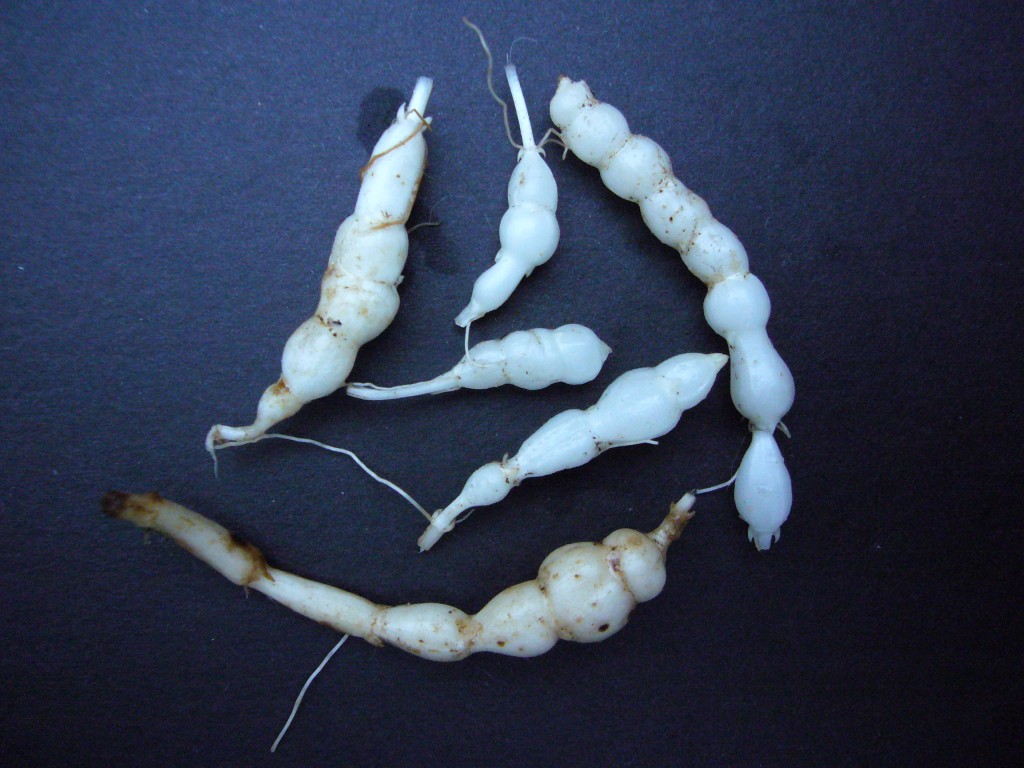
As awareness grows about farm-to-table dining, local sourcing, and the environmental impact of our food choices, destinations that offer authentic, place-based culinary experiences are gaining immense popularity. Florida, with its unique confluence of tropical and temperate zones, provides a fertile ground for such exploration. Imagine strolling through a bustling Florida farmers’ market, discovering unfamiliar roots, or perhaps participating in a guided foraging tour that reveals the hidden edible wonders of a local preserve. This article will guide you through the diverse world of edible root tubers found across Florida, highlighting their culinary potential, historical significance, and how you can integrate these unique flavors into your next Florida travel itinerary, transforming a simple trip into an unforgettable epicurean adventure. From the bustling streets of Miami to the serene wetlands of the Everglades, the edible roots of Florida invite discovery.
A Journey Beneath Florida’s Sands: Discovering Native and Naturalized Tubers
The diversity of Florida’s climate and ecosystems, ranging from the humid, almost tropical southern tip to the more temperate northern regions, allows for a remarkable variety of plants to flourish. Among these are numerous root tubers, some native to the land, and others naturalized over centuries, brought by various cultures who settled in the state. Understanding this subterranean bounty is key to appreciating Florida’s natural larder.
The Allure of Wild Edibles: Beyond the Supermarket Aisle
For the curious traveler and the adventurous foodie, the concept of wild edibles holds an undeniable allure. It speaks to a primal connection with the land, a sense of discovery, and the unique satisfaction of tasting something truly local and unprocessed. Florida’s wild tubers offer an escape from the standardized produce found in grocery stores, inviting you to explore flavors that have sustained indigenous populations for millennia. This pursuit can transform a typical vacation into an engaging lifestyle experience, whether it’s through guided foraging tours or simply seeking out restaurants that champion native ingredients.
Venturing into the world of wild edibles requires respect, knowledge, and caution. Many plants have look-alikes, and proper identification is paramount for safety. This is where guided foraging experiences come into play, offered by local experts who can safely introduce you to the edible treasures hiding in plain sight. Imagine a guided tour through a South Florida preserve, where you learn to identify and responsibly harvest arrowroot, or discovering the historical significance of coontie flour while exploring a cultural center. These experiences not only provide unique culinary insights but also foster a deeper understanding of Florida’s ecological heritage and the wisdom of its earliest inhabitants. Such eco-tourism activities contribute to a more sustainable form of travel, encouraging visitors to appreciate and preserve the natural environment.
Safeguarding Florida’s Ecosystems: Sustainable Foraging Practices
While the idea of foraging for your own food is exciting, it’s crucial to approach it with a strong commitment to sustainability and ethical practices. Over-harvesting can damage ecosystems, and collecting plants from protected areas is often illegal. For travelers interested in this aspect of Florida’s natural bounty, the emphasis should be on learning and respectful engagement rather than large-scale harvesting.
When considering foraging, always prioritize responsible practices:
- Identification is Key: Never consume a plant unless you are 100% certain of its identification. Many edible plants have toxic look-alikes. Consider joining a local foraging workshop or hiring a professional guide.
- Permission Matters: Always forage on private land with explicit permission from the landowner. In public parks or natural areas, check local regulations regarding plant collection; often, it is prohibited or requires a special permit.
- Harvest Sustainably: Take only what you need, and never strip an area bare. Leave plenty for wildlife and for the plant to regenerate. Focus on harvesting only specific parts of the plant, such as tubers, without damaging the parent plant.
- Know Your Environment: Be aware of potential contaminants, such as pesticides, herbicides, or pollutants in the soil or water, especially in urban or agricultural areas.
By adhering to these principles, visitors can enjoy the thrill of discovering Florida’s edible tubers while ensuring that these natural resources remain abundant for future generations and continue to support the state’s diverse wildlife. This mindful approach aligns perfectly with the ethos of responsible tourism and ecological preservation, allowing travelers to truly experience and respect Florida’s natural heritage.
Florida’s Star Tubers: A Culinary Exploration
Florida’s edible root tubers offer a diverse palette of flavors and textures, each with its own story and culinary applications. From the historical mainstays of native tribes to the globally influential crops thriving in the Sunshine State, these underground treasures are waiting to be explored.
Indigenous Delights: Arrowroot, Coontie, and More
The history of Florida’s indigenous populations is intimately tied to the native plants that sustained them. Several tubers played a crucial role in their diet and culture, offering a glimpse into the state’s deep historical roots.
- Arrowroot (Maranta arundinacea): This unassuming plant, sometimes found growing wild in wetter areas of South Florida, produces starchy rhizomes. Historically, it was cultivated for its fine, easily digestible starch, which is still used today as a thickening agent in sauces, gravies, and desserts. Arrowroot is particularly valued for producing a clear, glossy sauce without imparting a floury taste. For travelers, encountering arrowroot might mean finding it at a specialty market or in dishes served at restaurants that focus on historical Florida cuisine. Its mild flavor makes it a versatile ingredient, perfect for exploring subtle culinary nuances.
- Coontie (Zamia integrifolia): Perhaps the most historically significant native tuber, coontie was a staple for the Seminole and Miccosukee tribes of Florida. This cycad, resembling a small palm, produces a highly toxic root that, when meticulously processed through crushing, washing, and drying, yields a nutritious starch similar to arrowroot. This intensive process was essential to remove neurotoxins. While not recommended for casual foraging due to its toxicity and the specialized preparation required, coontie’s legacy lives on. Visitors can learn about its importance at historical sites, museums, and cultural centers dedicated to indigenous Florida history, particularly around the Everglades region. Experiencing a traditional dish made with commercially prepared coontie flour (properly processed) can be a profound cultural immersion.
- Duck Potato (Sagittaria spp.): Also known as wapato, this wetland plant produces small, edible tubers that were another important food source for native peoples. Found in shallow waters and muddy banks, these tubers can be boiled, roasted, or fried, offering a flavor often compared to potatoes or chestnuts. While less commercially available, discerning culinary travelers might encounter them in niche farm-to-table restaurants that specialize in wild-harvested Florida ingredients or during specialized eco-tours in wetland areas.
Global Flavors, Sunshine Grown: Sweet Potatoes, Yuca, and Taro
Florida’s agricultural landscape is a melting pot of global crops, many of which are root tubers that have found ideal growing conditions in the state’s warm climate. These varieties contribute significantly to Florida’s diverse culinary scene, especially in regions influenced by Latin American, Caribbean, and Asian cultures.
- Sweet Potato (Ipomoea batatas): A universally beloved tuber, sweet potatoes thrive in Florida’s sandy soils. Cultivated extensively across the state, Florida sweet potatoes come in various varieties, from the orange-fleshed “Jewel” and “Beauregard” to the purple-skinned “Okinawan” and white-fleshed types. Rich in vitamins and natural sugars, they are incredibly versatile – roasted, fried, mashed, or incorporated into pies and casseroles. Travelers can find an abundance of fresh, locally grown sweet potatoes at farmers’ markets throughout Florida, providing an excellent opportunity to sample regional produce and support local agriculture. Many Florida restaurants, from upscale dining to casual eateries, feature sweet potatoes prominently on their menus.
- Yuca / Cassava (Manihot esculenta): A staple crop in tropical regions worldwide, yuca has become an integral part of Florida’s culinary identity, particularly in areas with large Latin American and Caribbean populations like Miami and Tampa. The starchy root is incredibly versatile; it can be boiled and mashed, fried into crispy yuca fries, or used to make flour for various baked goods. While some varieties of yuca are sweet and can be cooked directly, bitter varieties contain cyanogenic compounds and require thorough processing (peeling, grating, and prolonged cooking) to be safe for consumption. When dining out in Florida, look for dishes like yuca frita (fried yuca) or sancocho (a hearty soup featuring yuca) for an authentic taste of Florida’s multicultural cuisine.
- Taro (Colocasia esculenta): Also known as eddo or dasheen, taro is another significant tropical tuber grown in Florida’s wet soils. Popular in Asian, Pacific Islander, and Caribbean cuisines, taro has a nutty, slightly sweet flavor and a creamy texture when cooked. It can be boiled, steamed, mashed, or added to stews and soups. Similar to yuca, taro must be cooked thoroughly as raw taro contains calcium oxalate crystals that can cause irritation. Travelers can discover taro at Asian markets, specialty produce stores, and many restaurants catering to diverse palates across Florida. Its unique texture and mild flavor make it an excellent ingredient for culinary experimentation during an extended stay or a family trip in Florida.
Lesser-Known Gems: Water Yam and Air Potato (with important warnings)
Beyond the more common tubers, Florida also hosts some lesser-known edible roots, though some come with significant caveats regarding preparation or ecological impact.

- Water Yam (Dioscorea alata): Often confused with sweet potatoes, water yam (or winged yam) is a true yam species cultivated in tropical and subtropical regions. It produces large, often irregularly shaped tubers that can range in color from white to purple. Water yams are very starchy and can be boiled, roasted, or fried. They are a common ingredient in Caribbean and African cuisines and can be found at specialty grocers in Florida, particularly in areas with a strong Caribbean influence like parts of Orlando and South Florida.
- Air Potato (Dioscorea bulbifera): This one comes with a very important warning. While some varieties of air potato tubers (specifically the bulbils that grow on the vine, rather than underground roots) are considered edible in certain parts of the world after careful processing, the species prevalent in Florida is highly invasive and generally considered toxic without very specific and extensive detoxification. It chokes out native vegetation and is a major ecological threat in Florida. As such, it is not recommended for consumption by the average traveler or forager. Instead, if you encounter air potato, learn how to identify it as an invasive species and consider participating in local “air potato round-ups” or citizen science efforts to help remove it. This showcases a different kind of engagement with Florida’s plants – one focused on conservation and environmental stewardship.
Integrating Tubers into Your Florida Travel Experience
Exploring Florida’s edible root tubers can significantly enhance your travel experience, transforming it into a rich blend of culinary discovery, cultural immersion, and eco-adventure. Whether you’re a luxury traveler seeking gourmet experiences or a budget traveler keen on local flavors, there are numerous ways to weave these unique ingredients into your itinerary.
Culinary Workshops and Farm-to-Table Experiences
For those who love to get hands-on, Florida offers a growing number of culinary workshops and cooking classes that focus on local and seasonal ingredients. Imagine taking a class in St. Augustine or Sarasota where you learn to prepare traditional Florida dishes featuring sweet potatoes, yuca, or perhaps even commercially processed coontie flour. These experiences often include a visit to a local farm or market, allowing you to connect directly with the source of your food and learn about sustainable agriculture.
Many Florida restaurants have embraced the farm-to-table movement, sourcing ingredients directly from local growers. Seek out establishments that highlight their local suppliers and seasonal menus. A high-end resort in Naples might feature a gourmet dish using locally sourced taro, while a charming bistro in Key West could offer a new take on yuca fritters. These culinary hotspots provide an excellent opportunity to taste Florida’s tubers prepared by expert chefs, showcasing their full potential and versatility. For business travelers, an evening at such a restaurant can provide a sophisticated glimpse into Florida’s unique culinary landscape.
Exploring Farmers’ Markets and Local Eateries
One of the simplest and most authentic ways to discover Florida’s tubers is by visiting its vibrant farmers’ markets. From the sprawling Pinecrest Gardens Farmers Market in Miami to smaller, charming markets in Gainesville or Fort Myers, these hubs are bursting with fresh, seasonal produce. Here, you can find a wide array of sweet potatoes, yuca, taro, and sometimes even more exotic local finds. Interacting with local farmers not only provides insights into how these tubers are grown but also offers tips on preparation and storage.
Beyond markets, Florida’s diverse culinary scene features countless local eateries that incorporate these tubers into their daily menus. Explore the Latin American neighborhoods of Orlando for authentic yuca dishes, or visit Caribbean restaurants in South Florida for flavorful taro preparations. These local joints often provide the most genuine taste of Florida’s multicultural heritage, offering delicious and often budget-friendly options for family trips or solo adventurers.
Foraging Tours: A Unique Eco-Adventure
For the truly adventurous and eco-conscious traveler, a guided foraging tour offers an unparalleled opportunity to connect with Florida’s natural environment. Several ecotourism operators, particularly in Central Florida and South Florida near the Everglades or along the Gulf Coast, offer guided excursions led by experienced naturalists. These tours teach participants how to identify edible plants, understand their ecological roles, and practice sustainable harvesting techniques. While large-scale tuber foraging might be restricted, these tours provide invaluable educational experiences, teaching you about the land and its sustenance.
Such tours are not just about finding food; they are about understanding the ecosystem, respecting nature, and learning ancient survival skills. It’s a fantastic activity for family trips, offering an engaging way to educate children about nature and food sources. Remember, safety and respect for the environment are paramount on these excursions. Always go with a knowledgeable guide and adhere to all local regulations.
Planning Your Florida Foodie Adventure
To fully immerse yourself in Florida’s tuber-rich culinary landscape, a little planning goes a long way. Considering specific regions and accommodation types can elevate your entire experience.
Key Regions for Tuber Discovery
Different regions of Florida offer unique opportunities for discovering edible tubers, influenced by climate, culture, and agricultural practices:
- South Florida (Miami, Fort Lauderdale, The Keys): This region, with its strong Caribbean and Latin American influences, is prime for yuca, taro, and water yam. Explore the vibrant markets and authentic restaurants in Miami‘s Little Havana or Little Haiti for a true taste of these tropical tubers. The warm, humid climate also supports wild arrowroot.
- Central Florida (Orlando, Tampa, Sarasota): While known for theme parks, Central Florida is also an agricultural hub. Farmers’ markets in cities like Orlando and Tampa are excellent places to find locally grown sweet potatoes, as well as some tropical tubers catering to the diverse populations. Culinary workshops often thrive in these larger cities.
- North Florida (Gainesville, Jacksonville, Tallahassee): This more temperate region supports extensive sweet potato cultivation. Here, you’ll find a focus on traditional Southern cooking, where sweet potatoes play a significant role. Smaller, community-driven markets are perfect for finding fresh, seasonal produce.
- Everglades Region: While not primarily a culinary destination, areas bordering the Everglades National Park or other natural preserves are where you might find guided tours discussing historical indigenous use of coontie and other native wetland plants, offering a deep dive into Florida’s ecological and cultural history.
Accommodation Tips for Culinary Travelers
Choosing the right accommodation can significantly enhance your tuber-focused adventure:
- Hotels with Kitchenettes/Suites: If you plan to visit farmers’ markets and experiment with cooking local tubers yourself, booking a suite or an apartment-style hotel with a fully equipped kitchenette is ideal. Many Extended Stay Hotels or Vacation Rentals across Florida offer this convenience, providing the freedom to prepare your own meals.
- Boutique Hotels with Culinary Focus: Look for Boutique Hotels or Eco-Lodges that pride themselves on local sourcing for their restaurants. These establishments often have chefs who are passionate about incorporating regional ingredients, including tubers, into their menus, offering a curated dining experience. Some may even host guest chef events or cooking demonstrations.
- Hotels Near Farmers’ Markets: Research the location of local farmers’ markets and choose accommodations within easy walking or driving distance. This makes it convenient to visit multiple markets, pick up fresh produce, and truly immerse yourself in the local food scene.
- Resorts with Experiential Dining: Higher-end resorts, especially those focusing on luxury travel, are increasingly offering unique culinary experiences, such as “chef’s table” events or themed dinners that might highlight indigenous or tropical Florida ingredients. Some even offer direct access to local farms or special foraging outings.
By carefully selecting your travel region and accommodation, you can create a Florida adventure that is not only relaxing and exciting but also deeply satisfying for your palate and your curiosity about local food culture.
In conclusion, Florida’s edible root tubers represent a fascinating and delicious dimension of the Sunshine State that often goes unnoticed. From the historically significant coontie and versatile sweet potato to the tropical delights of yuca and taro, these underground treasures offer a unique lens through which to explore Florida’s rich biodiversity, cultural heritage, and burgeoning culinary scene. Whether you’re a seasoned foodie, an adventurous traveler, or simply looking for a new perspective on a beloved destination, delving into the world of Florida’s tubers promises an enriching and unforgettable experience. Embrace the opportunity to taste the true flavors of Florida, support local agriculture, and connect with the land in a truly profound way. Your next Florida trip could be transformed from a simple getaway into a remarkable journey of culinary discovery.
LifeOutOfTheBox is a participant in the Amazon Services LLC Associates Program, an affiliate advertising program designed to provide a means for sites to earn advertising fees by advertising and linking to Amazon.com. Amazon, the Amazon logo, AmazonSupply, and the AmazonSupply logo are trademarks of Amazon.com, Inc. or its affiliates. As an Amazon Associate we earn affiliate commissions from qualifying purchases.