
California, renowned for its innovation, vibrant culture, and stunning landscapes, is also known for its robust and progressive state income tax system. For individuals considering a move, a prolonged stay, or even evaluating the financial landscape for business ventures within the Golden State, a clear understanding of these tax rates is not merely a fiscal formality but a critical component of lifestyle planning. Taxes significantly influence disposable income, budget allocation, and ultimately, the ability to enjoy the diverse opportunities California offers. This comprehensive guide delves into the nuances of California’s state income tax rates, offering insights for residents and potential newcomers alike.
Understanding California’s Progressive Tax Landscape: A Lifestyle Perspective
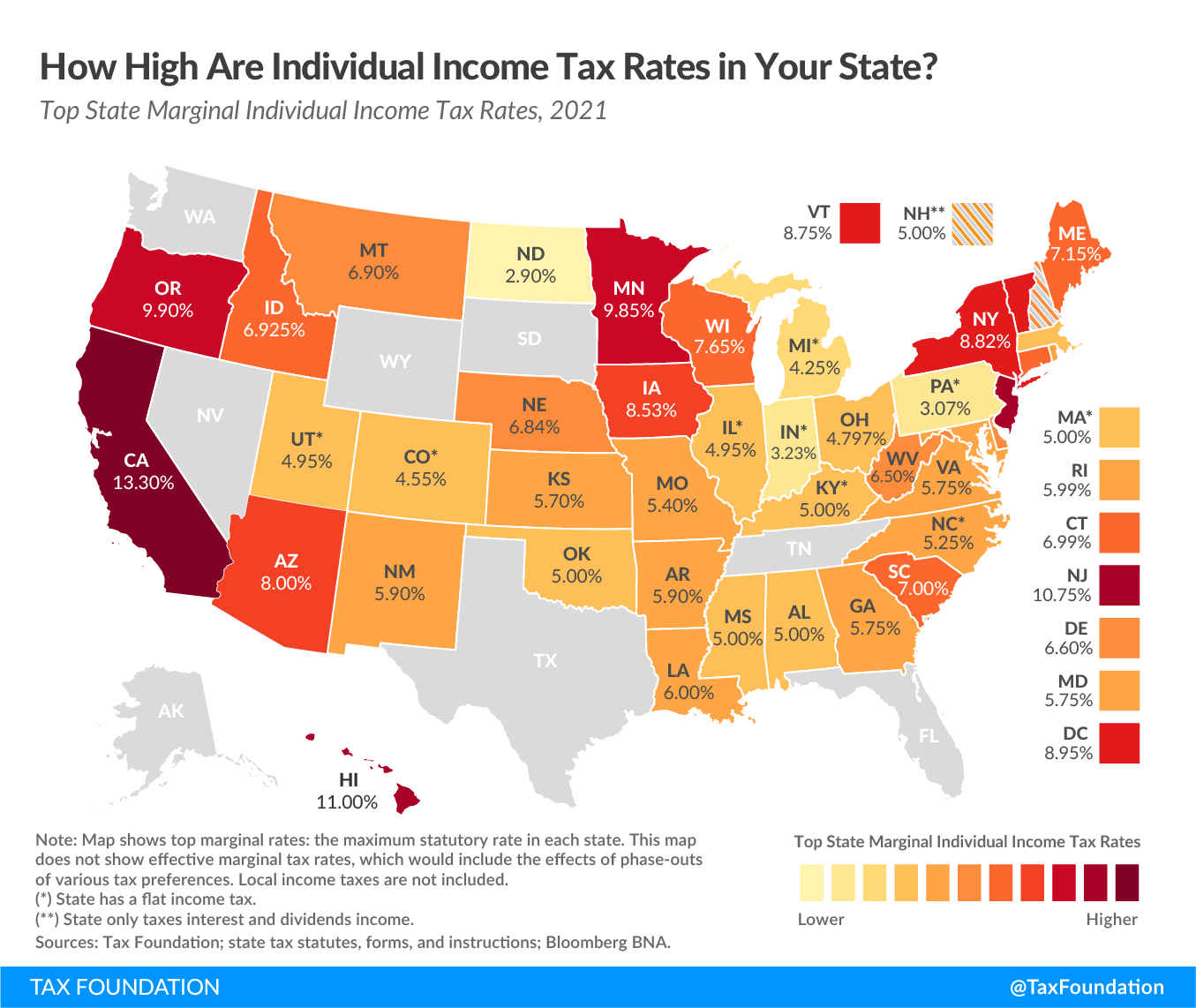
California operates one of the most progressive income tax systems in the United States. This means that as an individual’s taxable income increases, they are subject to higher marginal tax rates. This structure is designed to distribute the tax burden more heavily towards higher earners, funding a wide array of state services from education and infrastructure to healthcare and social programs. From a lifestyle perspective, this progressive system means that financial planning in California requires careful consideration, especially for those in higher income brackets. Understanding your bracket is key to accurately forecasting your net income and managing your expenses in high-cost-of-living areas like Los Angeles or San Francisco.
The Mechanics of Tax Brackets
California’s income tax system utilizes several tax brackets, each with a corresponding marginal tax rate. These brackets are adjusted annually for inflation, meaning the income thresholds for each rate can shift slightly from one tax year to the next. The tax rates range from a low single digit percentage for the lowest income earners to a top rate that can reach into the double digits for the highest earners. It’s crucial to remember that a progressive system taxes different portions of your income at different rates, rather than taxing your entire income at your highest marginal rate. For instance, if you fall into the 9.3% bracket, only the portion of your income that falls within that bracket’s range is taxed at 9.3%, while lower portions are taxed at their respective lower rates. This nuanced approach impacts everyone from entry-level professionals to established executives, influencing everything from savings goals to retirement strategies.
Who Pays California State Income Tax?
Generally, all California residents are subject to California income tax on all of their income, regardless of where it was earned. Non-residents, on the other hand, are typically taxed only on income sourced within California, such as wages for work performed in the state, income from a California business, or gains from the sale of California real estate. This distinction is particularly relevant for remote workers, digital nomads, or business travelers who might spend a portion of their year in the state. Establishing residency can be complex and depends on various factors, including the amount of time spent in the state and intent to reside, making it a critical consideration for those weighing a lifestyle change involving relocation.
Decoding California’s Specific Tax Rates and Brackets
To provide a concrete understanding, let’s look at the general structure of California’s income tax rates. While precise figures for current and future tax years should always be verified with the Franchise Tax Board (FTB) or a qualified tax professional, the underlying structure remains consistent. The rates vary based on filing status: Single, Married Filing Jointly/Registered Domestic Partner (RDP) Filing Jointly, Married Filing Separately/RDP Filing Separately, and Head of Household.
Illustrative Tax Brackets (Example Structure for a Recent Tax Year)
For illustrative purposes, consider the approximate structure for a recent tax year for a Single filer. The actual numbers for thresholds and rates are updated annually by the FTB.
- 1.00% on income over $0 to (e.g.) $10,099
- 2.00% on income over (e.g.) $10,099 to (e.g.) $23,942
- 4.00% on income over (e.g.) $23,942 to (e.g.) $37,788
- 6.00% on income over (e.g.) $37,788 to (e.g.) $52,495
- 8.00% on income over (e.g.) $52,495 to (e.g.) $66,330
- 9.30% on income over (e.g.) $66,330 to (e.g.) $338,639
- 10.30% on income over (e.g.) $338,639 to (e.g.) $406,366
- 11.30% on income over (e.g.) $406,366 to (e.g.) $677,276
- 12.30% on income over (e.g.) $677,276 and up
Additionally, California imposes an extra 1% Mental Health Services Tax (Prop 63) on taxable income exceeding $1 million. This effectively pushes the top marginal rate to 13.3% for high-income earners. This unique surcharge is a significant factor for individuals with substantial income, impacting their overall financial planning and philanthropic considerations within the state.
How Filing Status Affects Your Rates
The income thresholds for each tax bracket are generally doubled for those filing as Married Filing Jointly or RDP Filing Jointly compared to Single filers. This adjustment ensures that couples generally face a similar tax burden to two single individuals with comparable combined incomes. However, understanding the specifics for your filing status is paramount. For example, a Head of Household typically benefits from higher standard deductions and different bracket thresholds than a Single filer, acknowledging their additional dependents. These differences underscore the need for personalized tax planning tailored to one’s household and lifestyle situation.
Beyond the Brackets: Other Tax Considerations for Your California Lifestyle
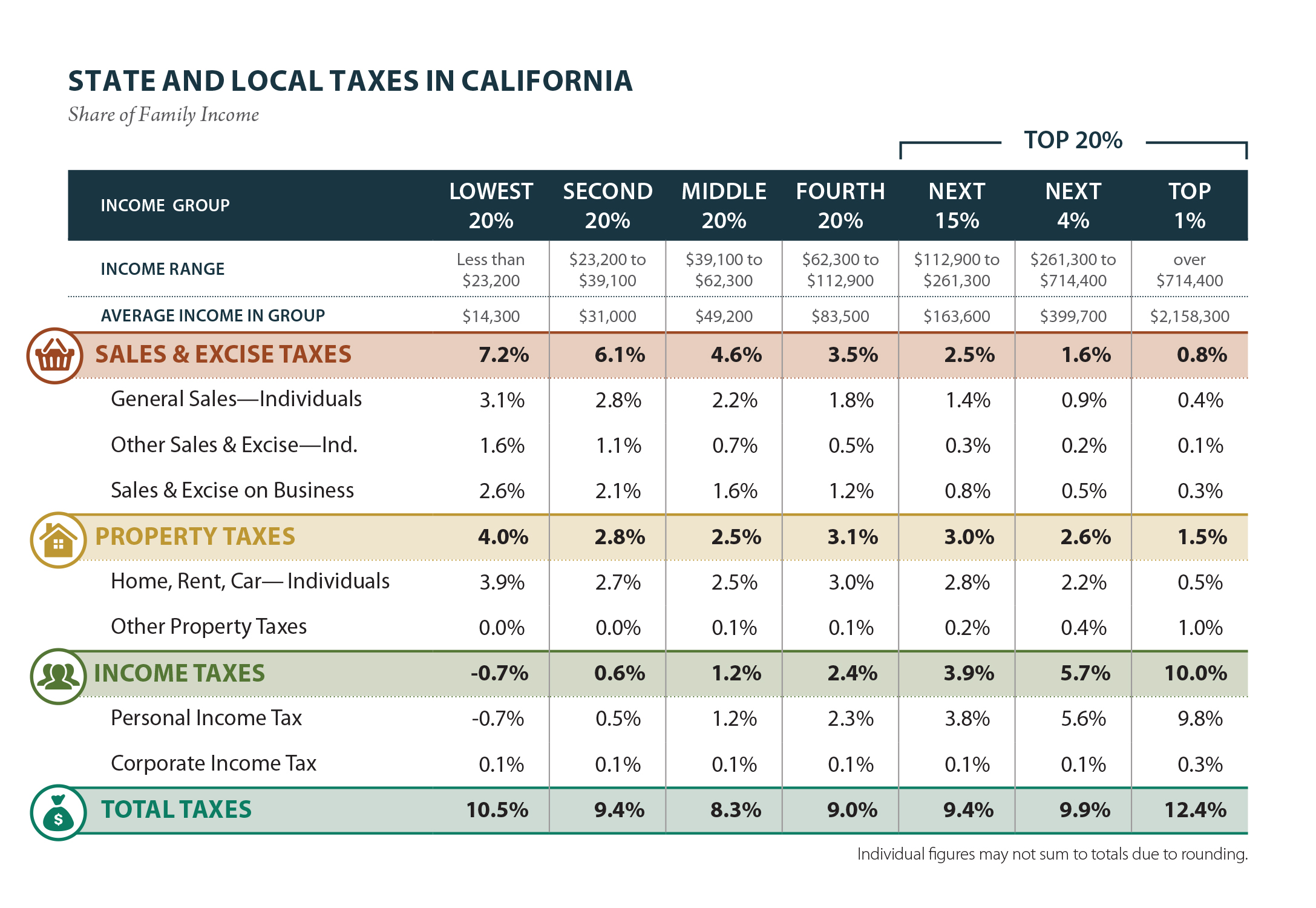
While understanding marginal tax rates is crucial, California’s tax system encompasses more than just income tax brackets. Various deductions, credits, and other taxes can significantly alter your effective tax rate and, consequently, your disposable income. Strategic utilization of these provisions can be a cornerstone of effective financial planning and lifestyle management in the state.
Deductions and Exemptions
California offers both a standard deduction and allows for itemized deductions, much like the federal system. Choosing between the two depends on whether your itemized deductions (such as mortgage interest, state and local taxes, and charitable contributions) exceed the standard deduction amount for your filing status. Furthermore, personal exemptions and dependent exemptions can reduce your taxable income. For many, especially those who own homes or contribute significantly to charities, optimizing deductions is a key strategy to lower their overall tax liability and free up more funds for lifestyle pursuits.
Tax Credits
Tax credits are particularly valuable because they directly reduce the amount of tax you owe, dollar for dollar, unlike deductions which only reduce your taxable income. California offers a variety of credits, including:
- California Earned Income Tax Credit (CalEITC): A refundable credit for low-to-moderate income working individuals and families.
- Young Child Tax Credit: For families with children under the age of six.
- Dependent Care Credit: For expenses related to childcare while you work or look for work.
- Senior Head of Household Credit: For individuals age 65 or older who qualify as Head of Household.
Researching and claiming eligible credits can have a substantial impact on your net tax bill, making a significant difference in your annual budget and financial flexibility for lifestyle choices.
Other California Taxes
It’s important to remember that state income tax is just one piece of the financial puzzle. California residents also face sales taxes (varying by locality), property taxes (which can be substantial, especially in desirable areas), and potential capital gains taxes on investments. When planning your California lifestyle, these additional tax burdens must be factored into your overall budget to provide a realistic picture of your cost of living.
Navigating California Taxes: Strategic Planning for a Fulfilling Lifestyle
For individuals, families, and businesses alike, navigating California’s tax environment requires a proactive and informed approach. Understanding the rates is the first step; strategic planning is what empowers you to optimize your financial well-being and achieve your desired lifestyle.
For California Residents
Residents should regularly review their withholdings to ensure they align with their actual tax liability, avoiding large refunds (which means you’ve overpaid throughout the year) or unexpected bills. Utilizing tax-advantaged accounts like 401(k)s, IRAs, and HSAs can reduce taxable income while simultaneously building wealth for future lifestyle goals, such as retirement or healthcare. Staying informed about legislative changes is also vital, as California frequently updates its tax code.
For Remote Workers and Non-Residents
The rise of remote work has introduced complexities for individuals working for California companies while residing elsewhere, or vice versa. If you work remotely for a California employer but live in another state, you might still owe California income tax on the income earned for services performed within the state. Conversely, if you reside in California and work for an out-of-state company, your worldwide income is generally taxable by California. Understanding these “source income” rules and potential double taxation scenarios (and how to claim credits for taxes paid to other states) is critical for preventing financial pitfalls and maintaining a comfortable lifestyle.
The Lifestyle Impact: Weighing the Financial Pros and Cons
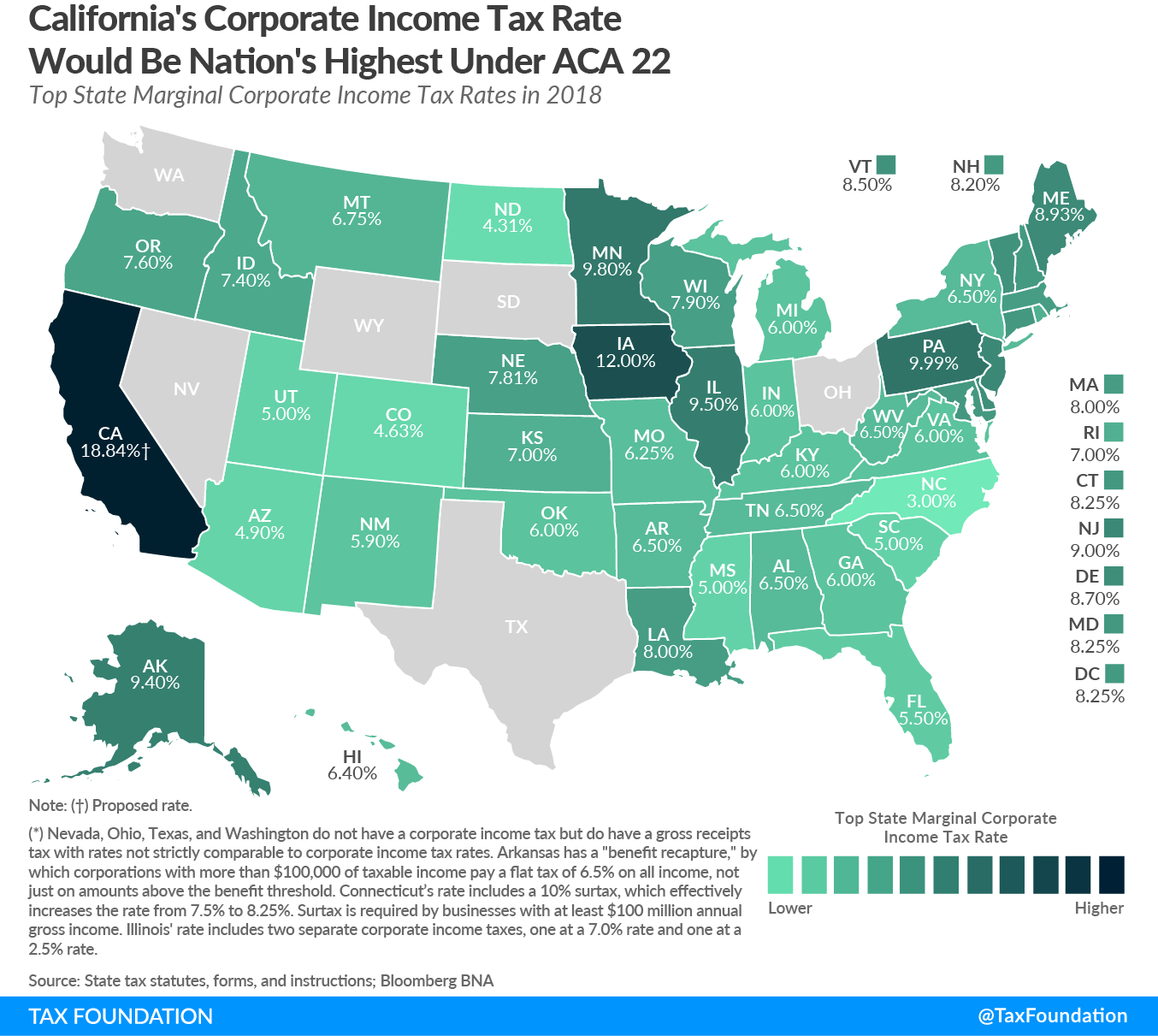
While California’s high income tax rates are often a topic of discussion, it’s essential to view them within the broader context of the state’s economic opportunities, public services, and overall quality of life. The revenue generated by these taxes supports a vast public education system, extensive infrastructure projects, environmental protection initiatives, and a robust social safety net. These factors contribute significantly to the lifestyle many residents enjoy.
For some, the benefits of living in California — access to innovation hubs, diverse natural beauty, cultural attractions, and a dynamic job market — outweigh the higher tax burden. For others, particularly those with very high incomes or those seeking a lower cost of living, the tax implications might steer them towards states with more favorable tax structures. Ultimately, understanding California’s state income tax rates is not just about crunching numbers; it’s about making an informed lifestyle decision that aligns with your personal and financial goals. Consulting with a qualified tax professional is always recommended to navigate the intricacies of California tax law and tailor strategies to your unique circumstances.
LifeOutOfTheBox is a participant in the Amazon Services LLC Associates Program, an affiliate advertising program designed to provide a means for sites to earn advertising fees by advertising and linking to Amazon.com. Amazon, the Amazon logo, AmazonSupply, and the AmazonSupply logo are trademarks of Amazon.com, Inc. or its affiliates. As an Amazon Associate we earn affiliate commissions from qualifying purchases.