
California, a state synonymous with innovation, natural beauty, and a vibrant economy, also presents a complex and multifaceted tax landscape for its residents and visitors alike. Understanding California state taxes is crucial for anyone planning a trip, considering a move, or engaging in business within the Golden State. This guide aims to demystify the various taxes imposed by California, focusing on their implications for travelers and those interested in its unique lifestyle and attractions. While the state’s economy is robust, fueled by industries like technology, agriculture, and entertainment, its tax structure plays a significant role in the cost of experiencing all that California has to offer. From the dramatic coastlines of Big Sur to the bustling streets of Los Angeles and the cultural hubs of San Francisco, taxes are an intrinsic part of the economic fabric that supports public services and infrastructure.
Income Taxes: The Foundation of State Revenue
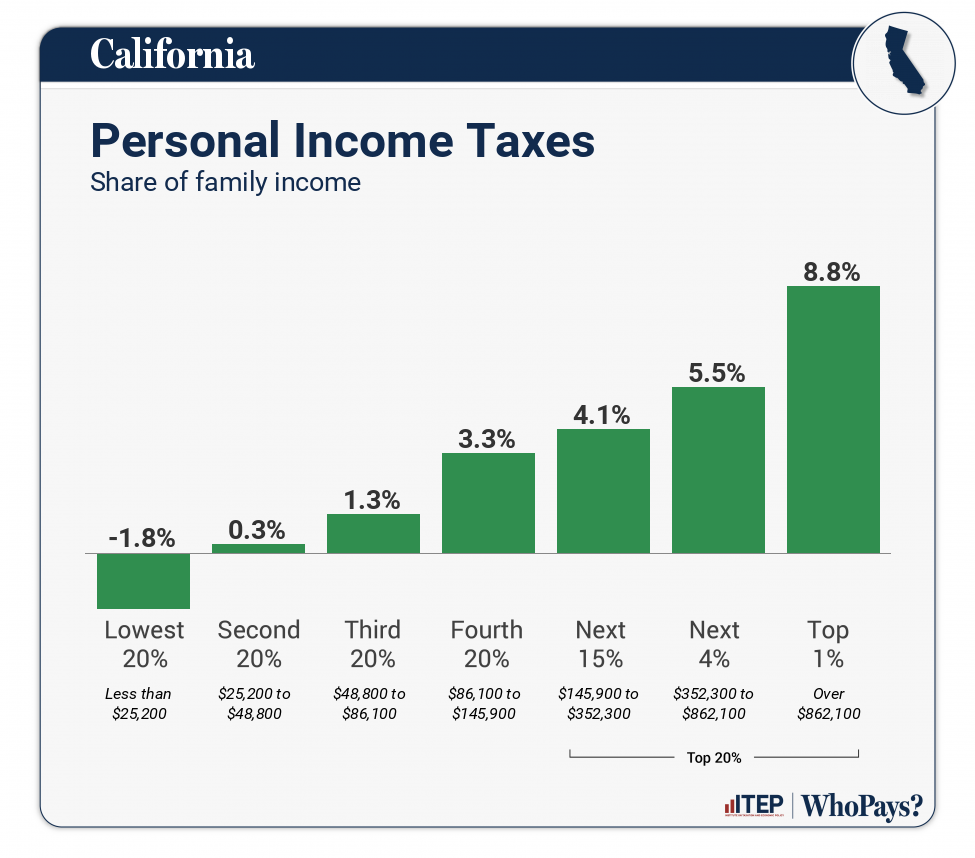
California imposes a progressive income tax system, meaning that higher earners pay a larger percentage of their income in taxes. This system is a primary source of revenue for the state, funding everything from education and transportation to public safety and environmental protection. For travelers and those considering extended stays or business ventures, understanding these rates is essential for budgeting.
Who Pays California Income Tax?
- Residents: Individuals who live in California for more than 183 days during a tax year are generally considered residents and are taxed on their worldwide income. This includes income earned both inside and outside the state.
- Non-Residents: Individuals who earn income in California but do not meet the residency requirements are subject to tax on their California-sourced income. This is particularly relevant for performers, business travelers, or those with rental properties within the state.
- Part-Year Residents: Individuals who move into or out of California during a tax year are taxed as part-year residents. They are taxed on their worldwide income for the period they were a resident and on California-sourced income for the period they were not a resident.
Income Tax Brackets
California‘s income tax brackets are adjusted annually for inflation. These brackets determine the tax rate applied to different portions of a taxpayer’s income. For example, the lowest tax rate can be as low as 1%, while the highest rate can reach 13.3% for very high earners. These progressive rates ensure that the tax burden is distributed according to an individual’s ability to pay, impacting the overall disposable income available for travel and leisure.
Important Considerations for Travelers
While most tourists won’t owe California income tax on their vacation earnings, understanding the system can be beneficial. For instance, individuals earning freelance income while staying in California might inadvertently trigger a tax liability. Similarly, individuals who receive income from California sources, such as dividends from California-based companies or royalties from California intellectual property, should be aware of potential obligations. The Franchise Tax Board (FTB) is the state agency responsible for administering income tax laws.
Sales and Use Tax: The Cost of Commerce
Perhaps the most visible tax for travelers is the California sales and use tax. This tax is levied on the sale of tangible personal property and certain services. It’s a significant contributor to the state’s general fund and is often factored into the cost of goods and services experienced during a visit.
How Sales and Use Tax Works
- Sales Tax: This tax is collected by the seller at the point of sale and remitted to the state. It applies to items purchased within California.
- Use Tax: This tax is imposed on items purchased outside California but used within the state. It’s designed to ensure that California residents and businesses pay their fair share, preventing tax avoidance by purchasing goods elsewhere. This can include items purchased online from out-of-state retailers or items brought into California for use.
Rate Variations and Local Taxes
The statewide California sales tax rate is 7.25%. However, this is just the base rate. Most cities and counties add their own local sales taxes, often referred to as district taxes, which can bring the total rate significantly higher, sometimes exceeding 10% in major metropolitan areas like San Francisco or Los Angeles. These local taxes are crucial for funding local infrastructure, public transportation, and other community services. Travelers will notice these variations when making purchases across different counties.
What is Taxed?
- Tangible Personal Goods: Most retail items, from souvenirs and clothing to electronics and restaurant meals, are subject to sales tax.
- Services: Certain services are also taxed, such as hotel accommodations, repair services, and admissions to places of amusement.
- Exemptions: Some items are exempt from sales tax, including most food products (intended for home consumption), prescription medications, and items purchased by qualifying non-profit organizations.
Impact on Tourism
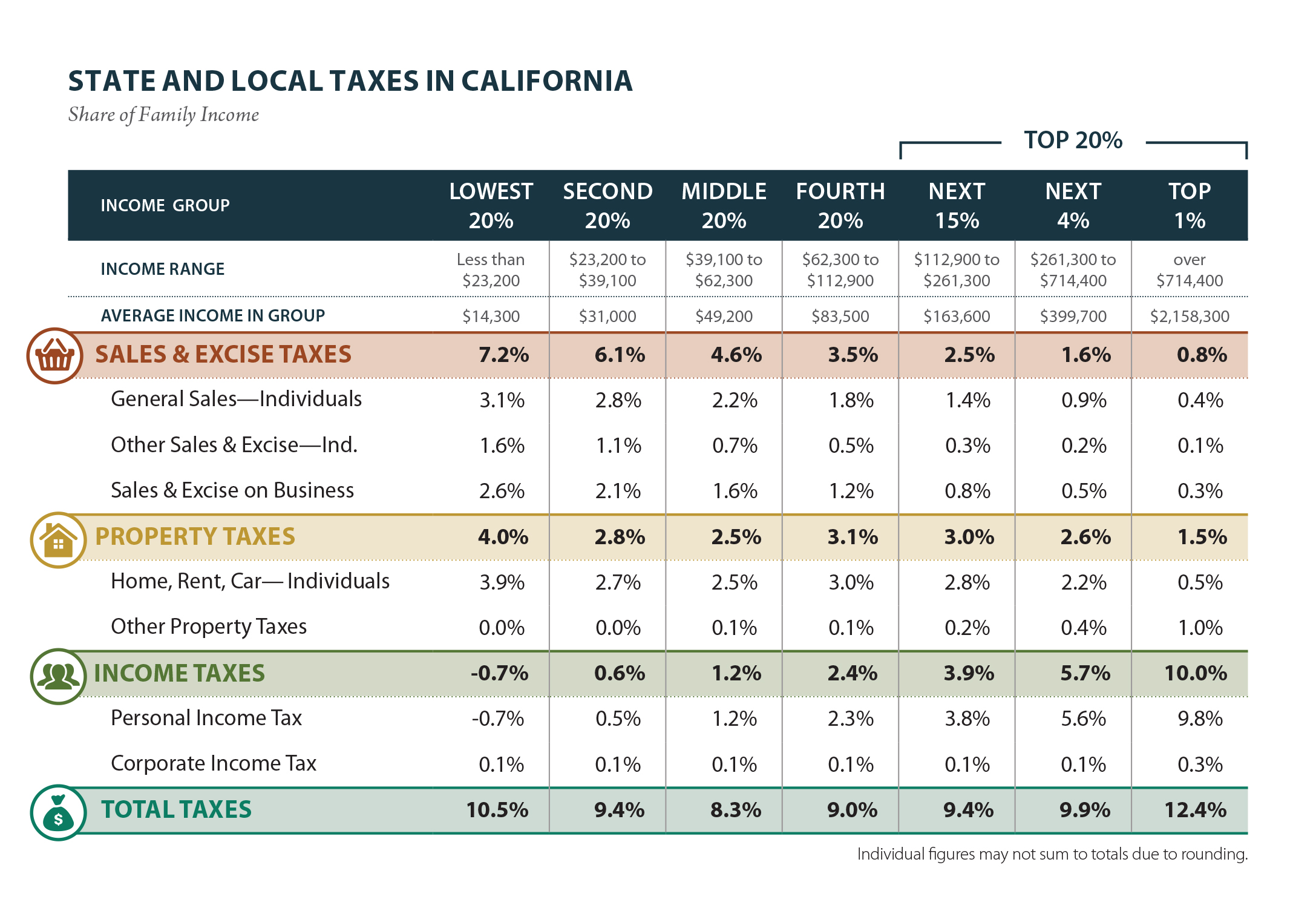
The sales tax rate can influence purchasing decisions for travelers. For instance, a significant purchase, such as a new piece of electronics or a substantial amount of clothing, might be more carefully considered when factoring in the added tax burden. Conversely, the revenue generated by sales tax directly supports the infrastructure and attractions that make California a desirable destination, from maintaining national parks to supporting cultural institutions.
Property Taxes: A Local Burden
While not directly impacting most short-term travelers, property taxes are a fundamental part of California‘s tax system and a significant consideration for those looking at longer-term stays, vacation home ownership, or real estate investments.
Proposition 13 and its Legacy
California‘s property tax system is largely governed by Proposition 13, a landmark initiative passed in 1978. This proposition significantly limited property tax rates and assessment increases.
- Tax Rate Cap: Property taxes are generally capped at 1% of a property’s assessed value.
- Assessment Limitation: Property assessments are based on the value at which the property was acquired or last sold, plus an annual inflation adjustment (capped at 2%). This means that properties that have been owned for a long time often have significantly lower assessed values and, consequently, lower property tax bills than comparable properties that have recently changed hands.
Who Pays Property Taxes?
Property taxes are levied on owners of real estate within California. This includes homeowners, commercial property owners, and owners of agricultural land. The revenue generated from property taxes is a primary funding source for local governments, including school districts, counties, and cities, and is crucial for funding local services that directly impact communities and, by extension, the visitor experience.
Implications for Real Estate and Rentals
For travelers considering renting a vacation home or investing in property, understanding Proposition 13 is paramount. The disparity in property tax bills based on ownership duration can be substantial. This also influences the rental market; owners with lower property tax burdens may have more flexibility in setting rental rates.
Other Taxes and Fees Affecting Visitors
Beyond income and sales taxes, California imposes a variety of other taxes and fees that can impact the cost of travel and experiencing the state.
Transient Occupancy Taxes (TOT)
Often referred to as hotel taxes, Transient Occupancy Taxes are levied by cities and counties on the rental of lodging for less than 30 consecutive days. These taxes are typically a percentage of the room rate and are collected by hotels, motels, and other short-term rental providers. TOT revenues are a vital funding source for local tourism promotion, infrastructure improvements, and general municipal services. The rates can vary significantly from one locality to another, with popular tourist destinations often having higher TOT rates. For example, a stay in San Diego might incur a different TOT rate than a stay in a more rural part of the state.
Vehicle Taxes and Fees
For travelers driving into or renting vehicles in California, several taxes and fees apply:
- Gasoline Taxes: California has some of the highest gasoline taxes in the nation. These taxes are levied at the pump and contribute to the state’s transportation infrastructure.
- Vehicle Registration Fees: If you bring a vehicle registered in another state and remain in California for an extended period (generally more than 90 days), you may be required to register your vehicle in California and pay associated fees, including registration fees and potentially California‘s unique “green” vehicle license fee (VLF), which is based on a vehicle’s value.
- Rental Car Surcharges: Rental car companies often pass on various state and local taxes and fees to consumers, which can add a noticeable amount to the daily rental cost.
Tourism-Specific Taxes and Fees
In some areas, specific tourism-related taxes or assessments might apply. These could include fees for accessing certain state parks or attractions, though these are often considered entrance fees rather than direct state taxes. The revenue from these is typically reinvested into the maintenance and preservation of these very attractions that draw visitors.
Understanding the tax landscape of California is an integral part of planning any visit or venture within the state. From the progressive income tax that shapes the state’s economy to the ubiquitous sales tax that affects everyday purchases, and the property taxes that underpin local services, these financial structures are deeply interwoven with the California experience. For travelers, being aware of these taxes, particularly the transient occupancy tax and sales tax, allows for better budgeting and a more informed appreciation of how these revenues contribute to the state’s infrastructure, services, and the preservation of its many attractions. While the numbers might seem complex, a basic understanding empowers visitors to navigate the Golden State with greater financial clarity and insight.
LifeOutOfTheBox is a participant in the Amazon Services LLC Associates Program, an affiliate advertising program designed to provide a means for sites to earn advertising fees by advertising and linking to Amazon.com. Amazon, the Amazon logo, AmazonSupply, and the AmazonSupply logo are trademarks of Amazon.com, Inc. or its affiliates. As an Amazon Associate we earn affiliate commissions from qualifying purchases.