
California, often romanticized as the Golden State of opportunity and sunshine, is also known for its dynamic and often complex tax structure. For individuals considering residency, planning a visit, or looking to establish a business, understanding California’s tax rates is not just a matter of financial prudence but a critical component of lifestyle planning. These rates significantly influence everything from the cost of living and the feasibility of luxury travel to the operational expenses for businesses and the overall financial landscape for family trips or extended business stays. This guide aims to provide a professional, insightful, and engaging overview of California’s key tax rates, shedding light on their impact on various lifestyle decisions.
Understanding California’s Tax Landscape for Residents and Visitors
The tax system in California is multi-layered, encompassing state-level taxes that apply uniformly across the state, alongside local taxes that can vary significantly from one city or county to another. Navigating this landscape requires an understanding of the primary tax categories that affect both those who call California home and those who visit.
Personal Income Tax: Impact on Earning and Living
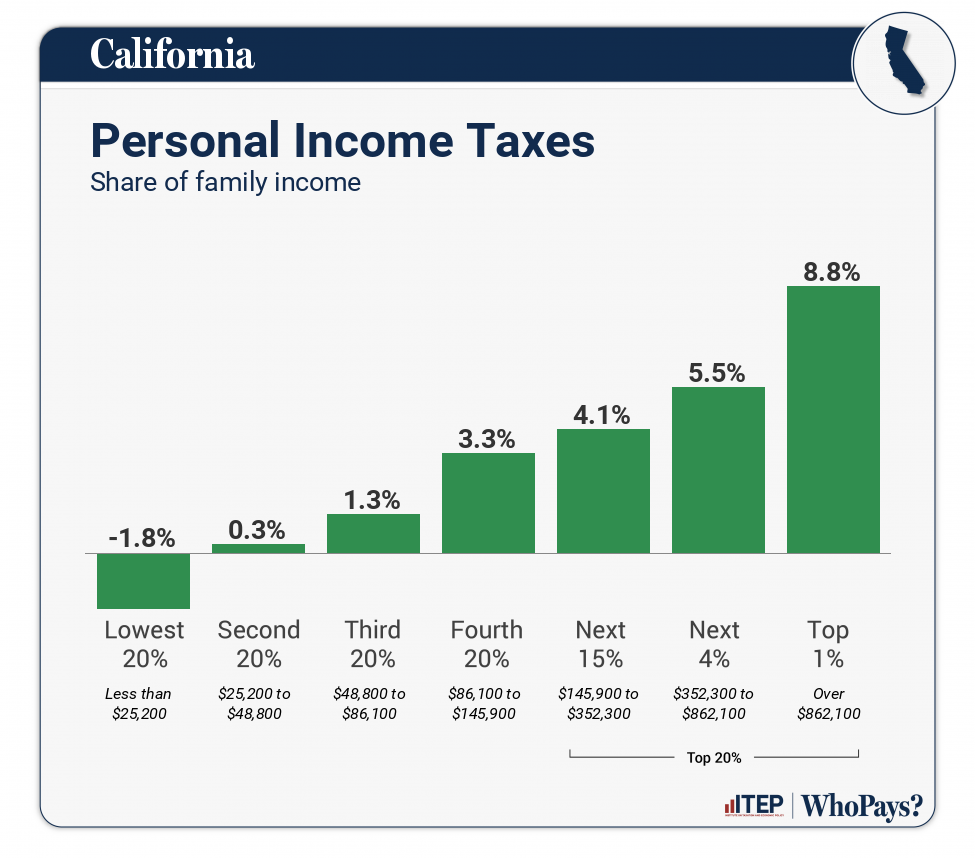
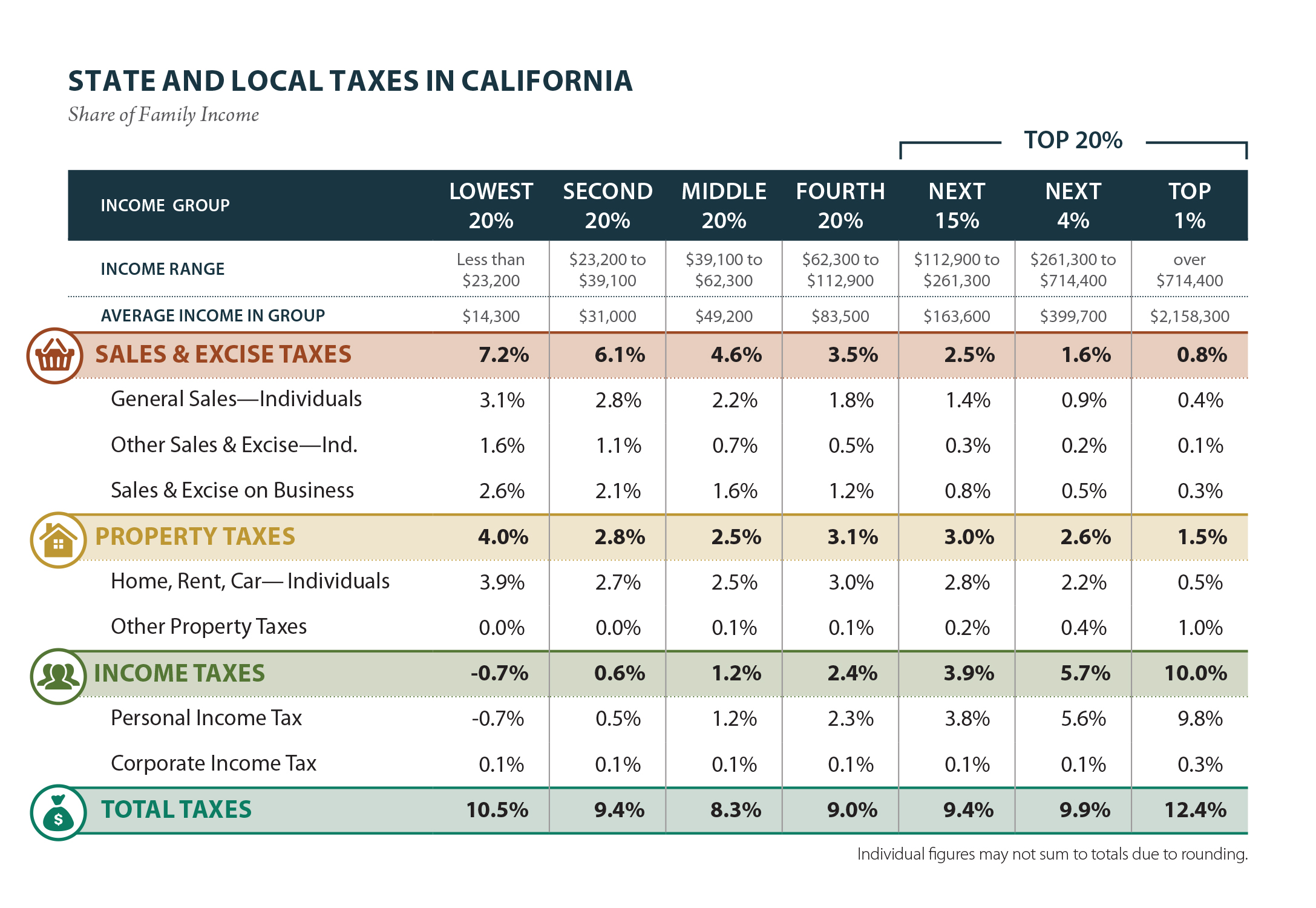
California levies a progressive personal income tax, meaning higher earners pay a larger percentage of their income in taxes. The state’s income tax rates are among the highest in the nation, ranging from 1% to 13.3% for the highest earners. This includes a 1% surcharge on taxable income over $1 million, which is dedicated to mental health services. For residents, this progressive structure means that decisions about career, retirement, and even where to live within the state can be heavily influenced by the net impact of income taxes. For those considering a permanent move to cities like Los Angeles or San Francisco, the high-income tax rates, combined with a high cost of living, necessitate careful financial planning to maintain a desired lifestyle. Even temporary residents working in California for extended periods may find themselves subject to these rates, impacting their overall compensation.
Sales Tax: Affecting Everyday Purchases and Tourist Spending
The statewide sales tax rate in California is 7.25%. However, this is merely the base rate. Most cities and counties impose additional district sales taxes, which can push the combined sales tax rate much higher. In some areas, the total sales tax can reach over 10%. For example, popular tourist destinations often have higher sales tax rates. This impacts not only residents’ everyday purchases but also visitors’ spending on everything from souvenirs and meals to clothing and other retail items. For tourists enjoying California‘s attractions, these seemingly small additions can accumulate, affecting a budget travel plan or influencing spending choices for [luxury travel] experiences. Understanding the local sales tax before making significant purchases can help visitors manage their expenditures effectively.
Property and Local Taxes: The Cost of Home and Stay
Beyond income and sales taxes, California’s property and local taxes play a pivotal role in the cost of housing and short-term accommodations, directly impacting long-term residents and temporary visitors alike.
Property Taxes: A Major Factor in California Living
California’s property tax system is governed by Proposition 13, which limits the annual increase in assessed property value to 2% and caps the property tax rate at 1% of the property’s assessed value, plus any voter-approved local bonds or parcel taxes. While the base rate is relatively low compared to some states, California’s notoriously high property values mean that the actual dollar amount paid in property taxes can be substantial. For potential homebuyers, especially in competitive markets like San Diego or the Bay Area, these taxes represent a significant ongoing expense that must be factored into the overall cost of homeownership and long-term lifestyle planning. The impact extends beyond homeowners, as property taxes are often passed on to renters through higher rental prices, influencing the affordability of living in various California communities.
Local Transient Occupancy Taxes (TOT): For Short-Term Stays
For visitors and those on short-term business stays, Transient Occupancy Taxes (TOT), often referred to as hotel taxes, are a key consideration. These taxes are levied by cities and counties on the rent charged for hotel rooms, motel rooms, short-term vacation rentals, and other temporary accommodations. TOT rates vary widely across California, typically ranging from 8% to 15% or even higher in some popular tourist destinations. For instance, a city like Anaheim (home to Disneyland) or Santa Monica might have a higher TOT to fund local services and tourism promotion. These taxes significantly add to the cost of accommodation, directly impacting the budget for family trips, weekend getaways, and business travelers. Being aware of the TOT in your chosen destination is essential for accurate travel budgeting, especially for those pursuing [budget travel] options where every dollar counts.
Business and Corporate Taxes: Navigating the Golden State for Entrepreneurs
California presents a large and vibrant market for businesses, but it also comes with a distinct set of corporate and business-related taxes that entrepreneurs must understand. These taxes can significantly impact a company’s profitability and operational strategies.
Corporate Tax and Franchise Fees: Setting Up Shop in California
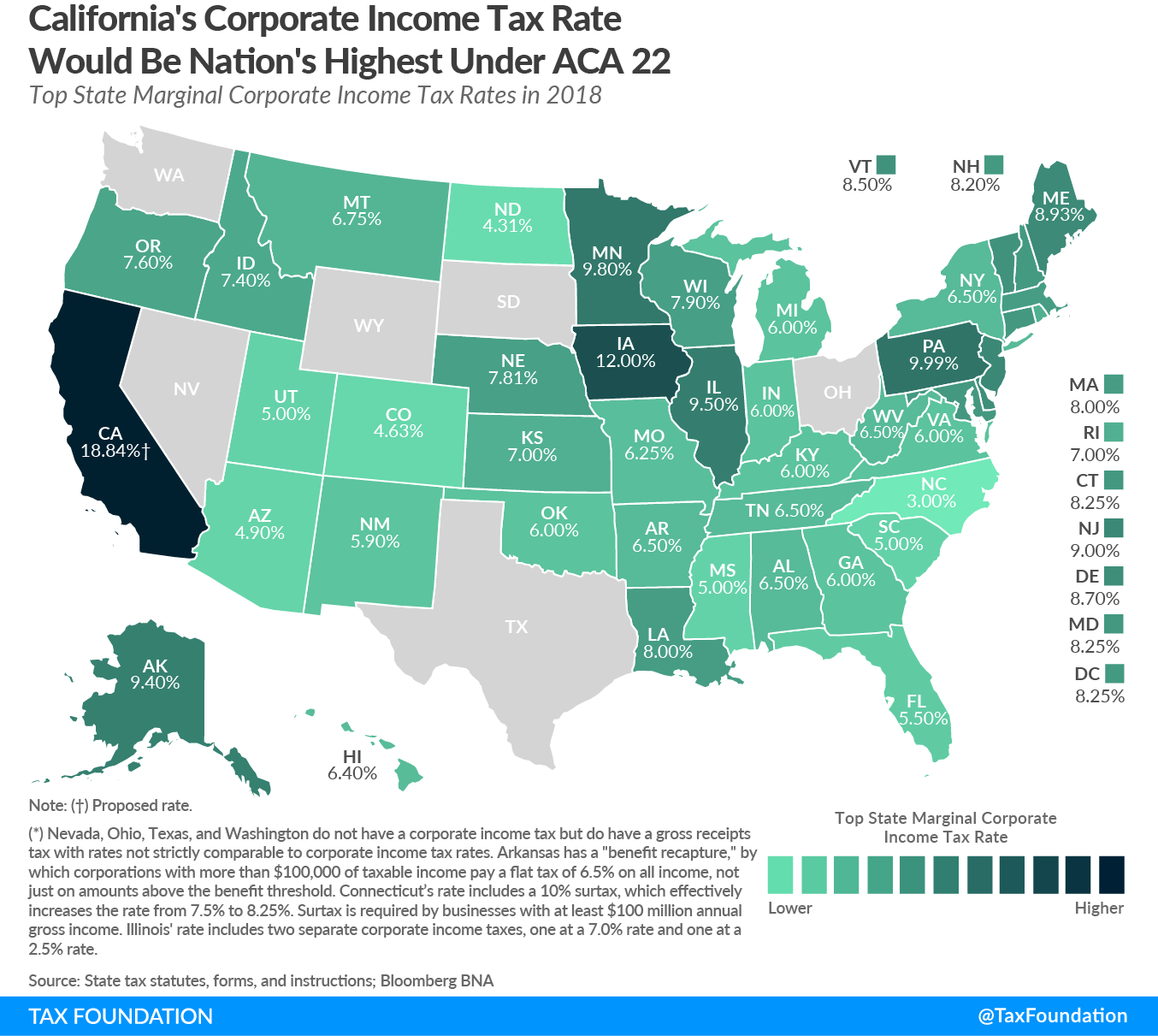
For corporations doing business in California, the corporate income tax rate is generally 8.84% of net income. This is a flat rate, regardless of the corporation’s size or income level. In addition, all corporations, LLCs, and limited partnerships registered to do business in California must pay an annual minimum franchise tax, which is currently $800. This minimum tax applies even if the business has no income or operates at a loss. For new businesses and startups, especially those considering California as a hub for innovation, these taxes are a crucial factor in financial projections and long-term viability. Understanding these obligations is fundamental for entrepreneurs making decisions about where to incorporate and operate, influencing their ability to attract investment and foster growth.
Special Taxes and Fees: Industry-Specific Considerations
Beyond general corporate taxes, California imposes various industry-specific taxes, fees, and surcharges. These can range from excise taxes on certain goods (like fuel or tobacco) to specific environmental fees or regulatory assessments. For instance, businesses involved in cannabis, alcohol, or specific manufacturing sectors may face additional layers of taxation. Furthermore, employers in California are subject to significant payroll taxes, including state unemployment insurance (SUI) and employment training tax (ETT), which contribute to the overall cost of employment. These specialized taxes contribute to the complexity of the Golden State’s tax environment and require businesses to conduct thorough due diligence to ensure compliance and accurately forecast their operational costs. This can particularly influence business decisions related to expansion, hiring, and product pricing.
The Influence of California Tax Rates on Lifestyle Choices
Ultimately, California’s tax rates are more than just numbers on a balance sheet; they are foundational elements that shape personal and business lifestyle choices, from where one chooses to live to how one plans their leisure and professional travel.
Budgeting for Travel: From Luxury Travel to Budget Travel
For travelers, the various tax rates in California directly impact trip budgeting. The high sales tax can increase the cost of dining, shopping, and entertainment, while TOT adds a significant percentage to accommodation expenses. Those planning [luxury travel] experiences in Napa Valley‘s wine country or high-end resorts might find the overall cost elevated by these taxes. Conversely, individuals on a [budget travel] itinerary need to be acutely aware of these taxes to avoid exceeding their financial limits. Every purchase, from a coffee in San Diego to a rental car in Sacramento, is subject to these rates, underscoring the importance of factoring them into the overall travel plan.
The Cost of Family Trips and Relocation
Family trips to California’s many attractions, such as theme parks or national parks, are also affected. The combined impact of sales tax on park tickets, food, and souvenirs, alongside high TOT rates for larger family accommodations, can push the total cost upward. For families considering relocating to California, the state’s income and property tax rates are major considerations. The dream of living in a beautiful California community must be balanced against the financial realities imposed by these taxes, which significantly influence disposable income and long-term financial stability. It determines how much is left for leisure, savings, and other lifestyle pursuits.
Business Stays and Investment Decisions
For professionals on business stays in California, the impact of taxes can be felt in various ways. The cost of corporate travel, including hotel taxes and sales tax on business meals and supplies, can affect departmental budgets. For companies looking to invest or expand in California, understanding the corporate tax rates, minimum franchise tax, and specific industry fees is crucial for financial modeling and making sound investment decisions. The tax environment can influence whether California is seen as a favorable place for new ventures or a challenging one requiring strategic tax planning.
In conclusion, California’s tax rates are an integral part of its economic landscape, profoundly shaping the cost of living, working, and visiting the state. Whether you are a resident, a tourist, or an entrepreneur, a comprehensive understanding of these rates is essential for informed decision-making and for successfully navigating the vibrant, yet financially complex, Golden State.
LifeOutOfTheBox is a participant in the Amazon Services LLC Associates Program, an affiliate advertising program designed to provide a means for sites to earn advertising fees by advertising and linking to Amazon.com. Amazon, the Amazon logo, AmazonSupply, and the AmazonSupply logo are trademarks of Amazon.com, Inc. or its affiliates. As an Amazon Associate we earn affiliate commissions from qualifying purchases.