
The moment you book a hotel, a wave of anticipation typically washes over you, conjuring images of relaxing in a plush bed, enjoying exquisite hotel amenities, or exploring a vibrant new city. Yet, for many travelers, a fundamental question often arises that can dictate the flow of their entire journey: “What are check-in times for hotels?” This seemingly simple query delves into the intricate operational dance of the hospitality industry, a crucial aspect of accommodation that impacts everything from arrival planning to your overall travel experience.
Understanding hotel check-in and check-out policies is more than just knowing a specific hour; it’s about appreciating the complex logistics involved in preparing hundreds of rooms daily, managing staff, and ensuring a seamless transition for guests. From the moment one guest departs to the arrival of the next, a precise sequence of events unfolds, all orchestrated to maintain the high standards of comfort and cleanliness that travelers expect. This comprehensive guide will explore the standard timings, the reasons behind them, strategies for navigating early arrivals or late departures, and how the modern travel landscape is evolving the very concept of checking in.
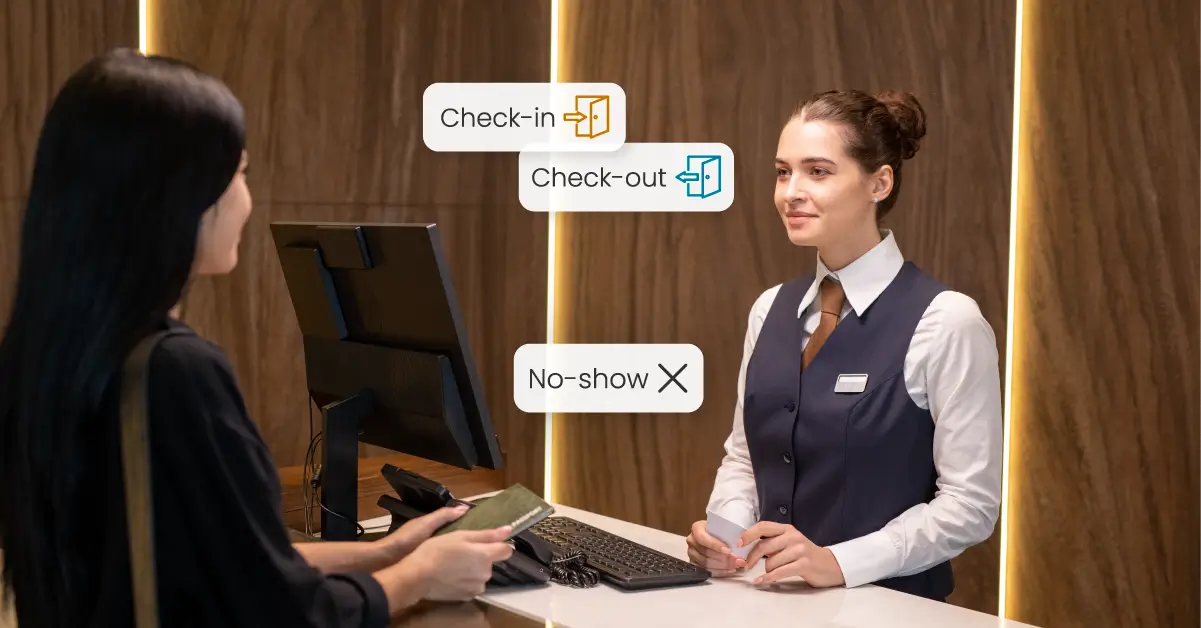
Understanding Standard Check-In and Check-Out Times
The hospitality industry, at its core, thrives on predictability and efficiency. Standard check-in and check-out times are a cornerstone of this operational framework, designed to optimize workflows and enhance guest satisfaction. While these times can vary slightly depending on the type of hotel, its location, and its specific operational model, a general consensus exists across the globe.
The Rationale Behind Standard Timings
Most hotels globally adhere to a standard check-in time of 3:00 PM or 4:00 PM. This timing is not arbitrary; it’s meticulously calculated to accommodate the cleaning and maintenance cycles necessary to prepare rooms for new arrivals. A typical check-out time is usually 11:00 AM or 12:00 PM. This four-to-five-hour window between check-out and check-in is paramount for several reasons:
- Housekeeping Efficiency: This window allows the housekeeping team ample time to meticulously clean, sanitize, and restock each departing guest’s room. Depending on the room size, level of mess, and specific cleaning protocols (which have become even more stringent in recent years), this process can take anywhere from 30 minutes to over an hour per room. For a large hotel with hundreds of rooms, staggering these tasks is crucial.
- Maintenance and Inspections: Beyond cleaning, rooms often require minor maintenance checks, replenishment of minibars, or thorough inspections by supervisors to ensure everything is perfect for the next guest. This downtime helps catch and rectify any issues before a new guest enters.
- Staff Management: The timings allow for efficient scheduling of staff shifts, ensuring adequate personnel are available for cleaning, front desk operations, and baggage handling during peak arrival and departure periods.
- Guest Experience: By standardizing these times, hotels aim to minimize waiting times for new arrivals. Imagine a scenario where everyone could check in whenever they pleased; chaos would ensue, and guests would face significant delays while rooms are prepared on demand.
- Revenue Management: The defined window allows hotels to maximize room occupancy within a 24-hour cycle while ensuring operational feasibility. Charging for early check-in or late check-out also becomes a predictable revenue stream.
Regional Variations and Global Norms
While 3:00 PM/4:00 PM check-in and 11:00 AM/12:00 PM check-out are widespread, minor variations can be observed based on regional customs, local labor laws, and the predominant type of travel.
- In parts of Europe, particularly in boutique hotels or smaller, family-run establishments, check-in might be slightly earlier, say 2:00 PM, or more flexible by arrangement. However, major cities like London or Paris often stick to the 3:00 PM/4:00 PM standard, especially for larger chains.
- In Asia, particularly in bustling hubs like Tokyo or Bangkok, hotel operations are often incredibly efficient, but standard times remain largely consistent. Some resorts, particularly those catering to international long-haul flights, might offer more flexibility or amenities to bridge the gap between arrival and check-in.
- North America predominantly adheres to the 3:00 PM/4:00 PM check-in and 11:00 AM/12:00 PM check-out. Major cities like New York City or Las Vegas, with their high turnover, rely heavily on these standards to manage thousands of guests daily.
- In destinations like Dubai or Sydney, which are major international travel hubs, hotels are highly experienced in catering to guests arriving at all hours. While standard times exist, they often have robust systems for managing early arrivals, as discussed below.
It’s always advisable to confirm specific times directly with your chosen accommodation provider, as these details are usually prominently displayed during the booking process or on their official website.
Navigating Early Check-In and Late Check-Out Requests
The realities of travel often mean your arrival or departure times don’t perfectly align with a hotel’s standard policies. Early morning flights, late-night departures, or simply wanting to maximize your stay can lead to requests for early check-in or late check-out. While not guaranteed, several strategies can increase your chances of securing these coveted extensions.
Strategies for Securing Early Check-In
Arriving at a hotel well before the 3:00 PM check-in time, especially after a long international flight, can be exhausting. Here’s how to improve your odds of getting into your room sooner:
- Communicate in Advance: The single most effective strategy is to contact the hotel directly a few days before your arrival. Inform them of your estimated early arrival time and politely request an early check-in. This allows the hotel to note your preference and prioritize your room if one becomes available earlier.
- Book Directly with the Hotel: Often, hotels prioritize guests who book directly through their official website or phone lines. This is because direct bookings typically offer better profit margins for the hotel and allow for more personalized service.
- Join Loyalty Programs and Attain Elite Status: Hotel loyalty programs, such as Marriott Bonvoy, Hilton Honors, World of Hyatt, or Accor Live Limitless, frequently offer early check-in (and late check-out) as a guaranteed benefit for elite members, often based on availability. If you travel frequently, investing in a specific brand’s loyalty program can pay dividends.
- Be Flexible: If your room type isn’t ready, sometimes the front desk can offer an alternative room that is already clean and vacant. Be open to a different floor or view if it means getting into a room sooner.
- Consider Booking the Night Before: For extremely early arrivals (e.g., before 7:00 AM) or if getting a room immediately is absolutely critical, the most guaranteed way is to book the room for the night before your actual arrival. This ensures the room is reserved and available for you upon your very early arrival. While this incurs an additional night’s cost, it guarantees immediate access.
- Arrive with a Smile: A friendly demeanor and polite request can go a long way. Front desk staff are often more willing to help accommodating guests when possible.
The Cost of Convenience: Fees and Policies
While some hotels might offer early check-in or late check-out as a complimentary gesture, especially for loyal guests or during off-peak seasons, it’s common for them to levy a fee.
- Half-Day Rate: Many hotels charge a half-day rate for early check-in or late check-out that extends beyond a couple of hours. This is typically 50% of the daily room rate.
- Hourly Charges: Some establishments, particularly business-oriented hotels, might offer hourly rates for extensions.
- Full Night’s Rate: If you need the room for a significant portion of the day before check-in or after check-out, the hotel may simply charge you for an additional night, particularly if it impacts their ability to sell the room to another guest.
These fees compensate the hotel for the potential loss of revenue from not being able to sell the room and the additional operational costs incurred. Always clarify any potential charges when making your request.
Maximizing Your Time: What to Do While You Wait
If an early check-in isn’t possible, don’t let it dampen your spirits. Most hotels offer solutions to make your wait comfortable and productive:
- Luggage Storage: Virtually all hotels will store your luggage securely and free of charge. This allows you to explore the local area, grab a meal, or attend to business without being burdened by your bags.
- Explore Hotel Amenities: While waiting for your room, you can often access many of the hotel’s common areas and amenities. This might include the lobby lounge, fitness center, pool, business center, or on-site restaurants and cafes. Take this opportunity to familiarize yourself with the property.
- Discover Local Attractions: With your bags safely stored, venture out and explore nearby landmarks or attractions. For instance, if you’re in London and your room at the Grand Hyatt isn’t ready, you could head out to see The Shard or grab a coffee in a local cafe. This is a perfect way to kickstart your tourism experience immediately.
- Use Public Restrooms/Changing Facilities: If you need to freshen up after a long journey, inquire if the hotel has a public restroom or changing facility available, especially if you plan to use the pool or gym.
Factors Influencing Check-In Flexibility
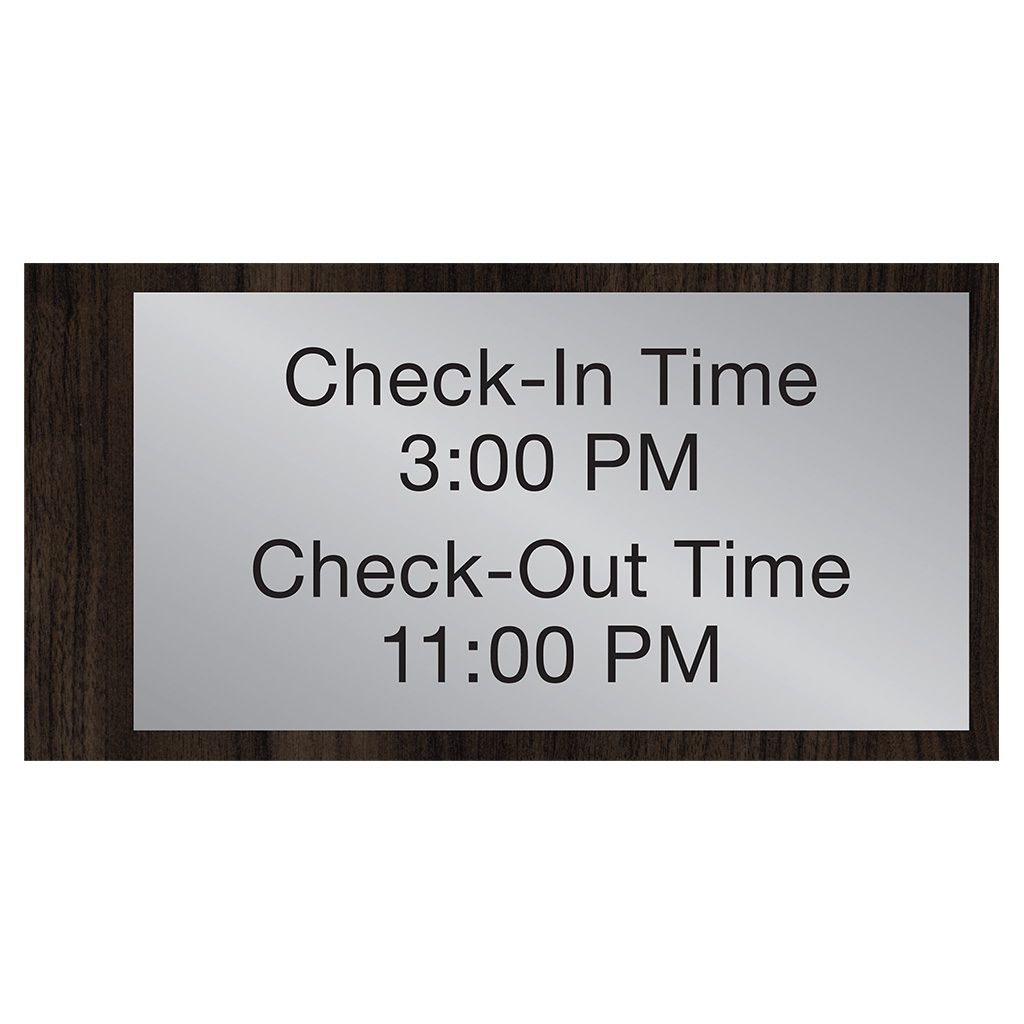
The likelihood of a hotel accommodating early check-in or late check-out requests isn’t solely dependent on your charm or loyalty status; several operational factors play a significant role. Understanding these can help manage expectations.
Hotel Type and Star Rating
The type and star rating of a hotel often correlate with its flexibility:
- Luxury Resorts and Boutique Hotels: High-end establishments like the Ritz-Carlton, Four Seasons, Mandarin Oriental, or St. Regis often offer greater flexibility, especially for their valued guests. Their operational model frequently includes more staff per room and a higher level of personalized service, making it easier to accommodate special requests where possible. They might even have dedicated “arrival lounges” for guests waiting for their rooms.
- Mid-Range and Budget Hotels: These properties often operate with leaner staff and tighter schedules. While they will always try to be accommodating, their capacity for flexibility might be more limited due to operational constraints and high occupancy rates.
- Apartments and Villas (Self-Catering Accommodation): These types of accommodation, especially those managed by private hosts or smaller companies, may have less flexibility. Cleaning services are often outsourced or scheduled meticulously, making deviations harder to arrange on short notice.
Occupancy Rates and Seasonality
This is perhaps the biggest determinant of flexibility:
- Low Occupancy / Off-Peak Season: During periods of lower demand, hotels are much more likely to grant early check-in or late check-out requests free of charge. With many vacant rooms, they have the operational leeway to clean rooms at their own pace and accommodate guests easily. For instance, requesting an early check-in at a resort in Hawaii during a quiet period in September is more likely to be granted than during the peak holiday season.
- High Occupancy / Peak Season: When a hotel is fully booked or near capacity, early check-ins and late check-outs become significantly harder to secure. Every room is needed precisely at the standard times to ensure a smooth transition of guests. Festivals in Milan, summer holidays in Venice, or major conferences in Singapore will severely limit flexibility.
- Special Events: During major conventions, concerts, or local festivals, even typically flexible hotels will likely adhere strictly to their published times.
Loyalty Programs and Elite Status
As mentioned, elite status within a hotel’s loyalty program is one of the most reliable ways to secure early check-in and late check-out benefits.
- Guaranteed Benefits: Top-tier members of programs like Marriott Bonvoy Platinum, Titanium, or Ambassador Elite often have guaranteed late check-out (sometimes as late as 4:00 PM), and early check-in is frequently offered based on availability.
- Recognition and Prioritization: Even mid-tier elite members are generally prioritized over non-members when a request for flexibility is made. Hotels value repeat business and recognize loyalty with tangible perks. Shangri-La and other luxury brands often go above and beyond for their most loyal guests.
Special Requests and Circumstances
While not always guaranteed, hotels are often empathetic to specific circumstances:
- Business Travel: If you’re attending a crucial meeting or conference and need to change before it starts, clearly stating your purpose of stay might help.
- Medical Reasons: Guests with specific medical needs or disabilities requiring immediate access to a room are often accommodated with higher priority.
- Families with Young Children/Infants: Hotels sometimes show extra consideration for families traveling with very young children, understanding the challenges of keeping little ones comfortable during long waits.
- Special Occasions: Celebrating a honeymoon in the Maldives or a significant anniversary in Rome? Mentioning a special occasion during booking or check-in might encourage a small gesture of flexibility.
The Digital Revolution: Streamlining the Check-In Process
The technological advancements of the 21st century have not bypassed the hotel industry. The traditional front-desk check-in, while still prevalent, is increasingly being augmented and, in some cases, replaced by innovative digital solutions designed for convenience and efficiency, profoundly impacting the guest experience.
Online and Mobile Check-In
The proliferation of smartphones and pervasive internet access has paved the way for online and mobile check-in. This feature, increasingly offered by major hotel chains, allows guests to bypass the front desk entirely or at least significantly shorten the interaction:
- Pre-Arrival Convenience: Guests can often check in via a hotel’s website or dedicated mobile app hours or even days before arrival. This typically involves confirming reservation details, providing identification, and sometimes even selecting a room.
- Mobile Key/Keyless Entry: A significant innovation tied to mobile check-in is the mobile room key. After checking in digitally, guests can often receive a digital key on their smartphone, allowing them to unlock their room door simply by tapping their phone or holding it near the lock. This technology, used by brands like Hilton, dramatically speeds up arrival, eliminating the need to wait in line for a physical key card.
- Personalized Experience: Mobile apps can also offer personalized upgrades, special requests, and direct communication with hotel staff, enhancing the overall lifestyle aspect of the stay.
Self-Service Kiosks and Automated Systems
Another growing trend is the implementation of self-service kiosks in hotel lobbies. Much like airline check-in kiosks at airports, these allow guests to manage their arrival independently:
- Expedited Process: Guests can quickly check in, print room keys, and sometimes even upgrade their room without interacting with front desk staff. This is particularly popular in hotels designed for efficiency, such as those near airports or in business districts.
- Reduced Waiting Times: During peak hours, kiosks can significantly reduce lines at the front desk, improving the guest experience and freeing up staff to handle more complex inquiries.
- Multilingual Support: Kiosks often offer multiple language options, catering to the diverse international clientele of many hotels in global travel destinations like Kyoto or Bangkok.

The Future of Check-In: AI and Biometrics
The hospitality industry is continually exploring cutting-edge technologies to enhance the guest journey further:
- AI-Powered Concierge and Chatbots: Artificial intelligence is increasingly being used to answer guest queries before arrival, manage check-in processes, and even handle special requests, making the entire experience smoother.
- Facial Recognition and Biometrics: While still in nascent stages and with privacy considerations, some hotels are experimenting with facial recognition technology for check-in. Guests could theoretically walk into a hotel, be recognized by a system, and have their room key generated instantly or even have their door unlock automatically.
- Robotics: In some innovative hotels, robots are already assisting with luggage delivery and even front-desk duties, streamlining operations further.
These technological advancements underscore a broader shift towards providing guests with more control, speed, and personalized service, adapting the check-in process to the demands of the modern traveler. Whether you prefer the traditional warm welcome at the front desk or the seamless efficiency of a mobile app, the industry is evolving to cater to every preference.
In conclusion, while standard check-in and check-out times are an immutable part of hotel operations, understanding their rationale and leveraging available strategies can significantly enhance your travel experience. Communication, loyalty, and awareness of technological options are your best allies in ensuring a smooth and stress-free start and end to your hotel stay.
LifeOutOfTheBox is a participant in the Amazon Services LLC Associates Program, an affiliate advertising program designed to provide a means for sites to earn advertising fees by advertising and linking to Amazon.com. Amazon, the Amazon logo, AmazonSupply, and the AmazonSupply logo are trademarks of Amazon.com, Inc. or its affiliates. As an Amazon Associate we earn affiliate commissions from qualifying purchases.