
The Chicago Manual of Style (CMOS) is a comprehensive style guide widely used in academic publishing, particularly in the humanities. Among its many detailed instructions on manuscript preparation, citation, and formatting, CMOS provides clear guidance on the use of endnotes. While footnotes, appearing at the bottom of the page, are perhaps more commonly encountered by general readers, endnotes serve a similar, yet distinct, purpose within scholarly and professional writing. Understanding their function, format, and best practices is crucial for anyone aiming to produce polished and authoritative work according to CMOS standards.
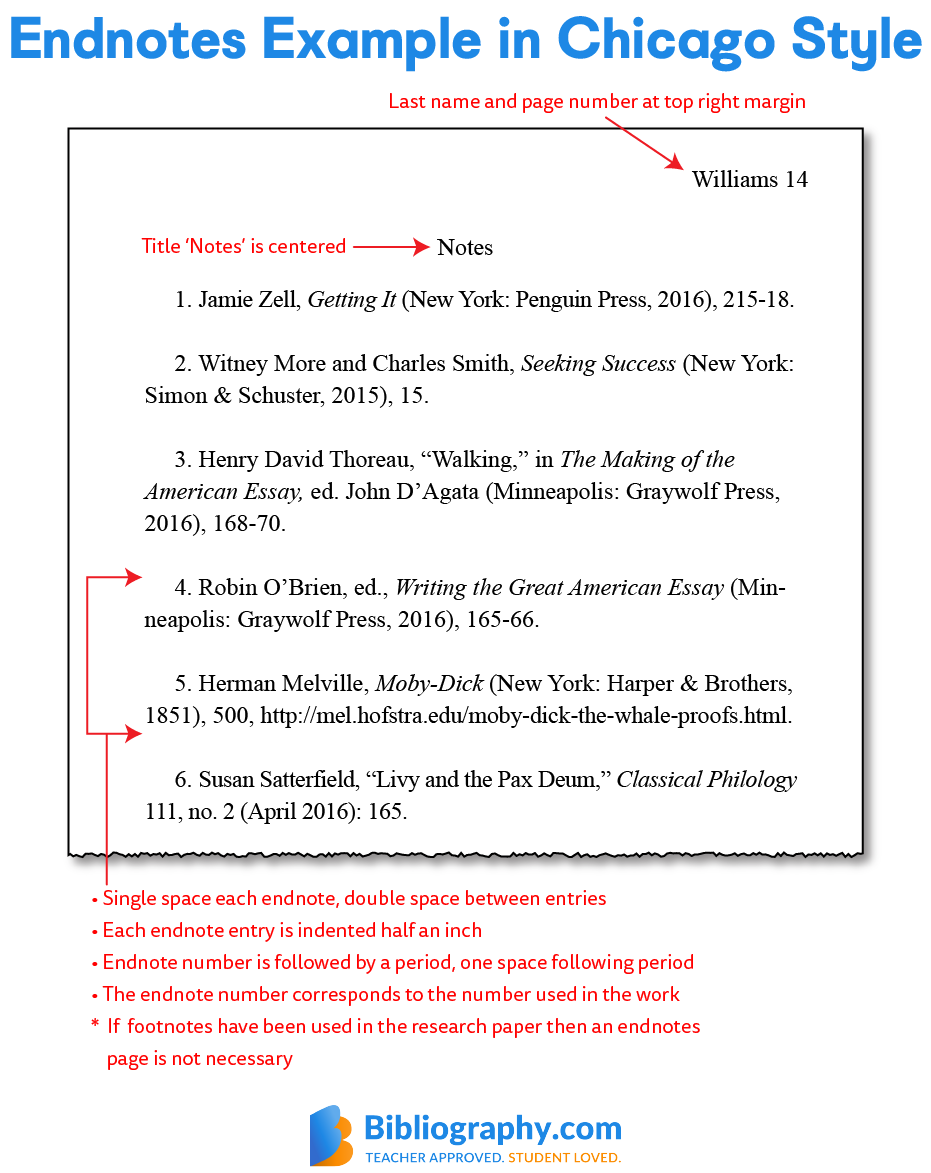
Understanding the Function of End Notes
Endnotes are bibliographic references or supplementary annotations that are collected at the end of a manuscript, chapter, or entire work, rather than at the bottom of each individual page. In the context of the Chicago Manual of Style, endnotes primarily serve two key functions:
Citation of Sources
The most common and essential use of endnotes is to provide citations for the sources consulted and referenced within the text. This allows readers to locate the original material and verify the information presented. Unlike a bibliography, which lists all sources consulted, endnotes typically point to specific pages or sections of those sources directly relevant to the points made in the text. This granular referencing is invaluable for scholarly research, enabling readers to delve deeper into specific arguments or evidence.
Supplementary Information and Excursions
Beyond simple citation, endnotes offer a valuable space for authors to include supplementary information that might disrupt the flow of the main text. This can include:
- Digressions and Elaborations: Detailed explanations, historical background, or tangential discussions that are relevant but would break the narrative or argumentative thread of the main body.
- Methodological Details: Specifics about research methodologies, statistical analyses, or data collection that are important for understanding the work but might be overly technical for the general reader.
- Definitions and Translations: Providing definitions for specialized terms or translations of foreign language phrases that are not essential for immediate comprehension but offer clarity to interested readers.
- Acknowledgments and Permissions: While sometimes placed in separate sections, brief acknowledgments or details about permissions for using copyrighted material can also be included in endnotes.
The decision to place such information in an endnote rather than in the main text is an editorial one, aimed at optimizing readability and maintaining the integrity of the primary argument. CMOS emphasizes that the author should judiciously decide when a point warrants an endnote.
Formatting End Notes According to CMOS
The Chicago Manual of Style provides detailed specifications for the formatting of endnotes, ensuring consistency and professionalism. Adhering to these guidelines is paramount for scholarly integrity.
Numbering and Placement
Endnotes are indicated in the text by superscript Arabic numerals. These numerals should be placed after the relevant passage, punctuation mark, or quotation. For example:
“The theory of relativity revolutionized physics, introducing new concepts of space and time.”¹
The corresponding endnote at the end of the document would be numbered “1.”
- Consecutive Numbering: Endnote numbers should run consecutively throughout the entire manuscript, chapter, or section, depending on the publication’s structure. They are not reset for each page.
- Placement in Text: Superscript numbers should generally follow punctuation, particularly periods and commas. If a citation pertains to a specific word or phrase, it may be placed directly after it, but this is less common and often reserved for specific stylistic choices or when the punctuation would be unclear.
Structure of an End Note
Each endnote typically consists of two parts: the citation and, if applicable, a brief explanatory note.
The Citation Component
The first time a source is cited in the endnotes, it should be given in its “full note” form. Subsequent citations of the same source can be shortened.
-
Full Note: This includes all necessary bibliographic information: author’s full name, title of the work (italicized for books, in quotation marks for articles), publication details (city, publisher, year), and specific page number(s).
- Example of a book: Michelangelo’s “David,” a masterpiece of Renaissance sculpture, exemplifies the artist’s profound understanding of anatomy.²
- Endnote 2: Giorgio Vasari, Lives of the Most Excellent Painters, Sculptors, and Architects, trans. Gaston du C. de Vere (New York: Alfred A. Knopf, 1996), 536.
-
Shortened Note: After the first full citation, subsequent references to the same work can use a shortened format, typically including the author’s last name, a shortened version of the title (if necessary to distinguish it from other works by the same author), and the specific page number.
- Example: Vasari, Lives, 570.
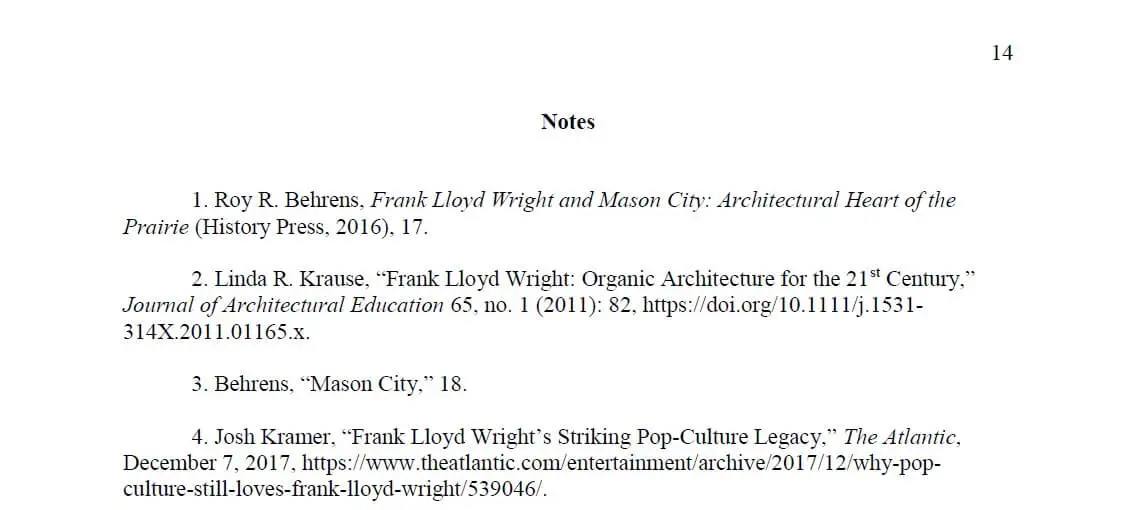
- Subsequent Citations (Same Work, Same Page): If the endnote immediately follows a previous citation of the same source and page number, CMOS generally allows for “ibid.” (ibidem, meaning “in the same place”). However, this is often discouraged in favor of shortened notes for clarity and ease of revision.
- Example:
¹ Giorgio Vasari, Lives of the Most Excellent Painters, Sculptors, and Architects, trans. Gaston du C. de Vere (New York: Alfred A. Knopf, 1996), 536.
² Ibid., 570. (This would be used if the second citation immediately follows the first.)
- Example:
The Explanatory Component
If an endnote contains supplementary information beyond a simple citation, this explanatory text follows the citation. It should be concise and directly relevant to the point being elaborated.
- Example:
³ The debate over the authenticity of the attribution continues among scholars. See John Smith, Artistic Provenance (London: Thames & Hudson, 2010), 45-52, for a comprehensive overview of the arguments. The current consensus, however, leans towards the artist’s workshop.
Specific Formatting Details
- Font and Spacing: Endnotes are typically presented in a smaller font size than the main text and are usually single-spaced within each note, with a double space between notes.
- Indentation: The first line of each endnote is usually indented, similar to the first line of a paragraph, while subsequent lines are not.
- Order: Endnotes are collected at the end of the chapter or the entire work, appearing before any bibliographies or appendices.
When to Use End Notes vs. Footnotes
The choice between endnotes and footnotes is often dictated by the publisher or the specific requirements of a journal or academic institution. However, CMOS offers guidance on their comparative merits:
Footnotes: For Immediate Context
Footnotes are generally preferred when the author wants the supplementary information or citation to be immediately accessible to the reader without disrupting the flow of the main text excessively. They are particularly useful in works where frequent but brief annotations are necessary, such as in legal texts or some historical analyses where immediate cross-referencing is beneficial.
End Notes: For a Cleaner Main Text
Endnotes, on the other hand, are favored when the author wishes to maintain the cleanest possible presentation of the main text. By collecting all supplemental material at the end, the reader’s focus remains entirely on the narrative or argument being presented. This can be particularly advantageous for longer, more complex works, or for manuscripts intended for publication where the publisher may have specific layout preferences. The Chicago Manual of Style itself primarily advocates for endnotes in its own extensive style guide, suggesting a preference for this method when readability of the main body is the highest priority.
Publisher and Journal Preferences
Ultimately, the most critical factor in choosing between endnotes and footnotes is the preference of the publisher, journal editor, or academic department. Many scholarly journals and university presses have specific style guidelines that dictate the preferred method of citation and annotation. Authors should always consult these guidelines before commencing writing or submitting a manuscript.
Best Practices for Using End Notes
Effective use of endnotes requires careful consideration and adherence to scholarly conventions.
Clarity and Conciseness
- Avoid Overuse: While endnotes are useful, they should not become a repository for every minor thought or detail. Reserve them for truly supplementary or essential citation information that would detract from the main text if included directly.
- Be Direct: Ensure that the content of the endnote is directly relevant to the point being made in the main text. Rambling or tangential notes defeat the purpose of clear communication.
- Grammar and Style: Treat endnote text with the same grammatical and stylistic rigor as the main text. Proofread them carefully.
Consistency in Citation
- Follow a Standard: Whether using the author-date system or the notes-and-bibliography system (both covered by CMOS), maintain absolute consistency in the format of your citations within the endnotes.
- Accuracy is Key: Double-check all details, especially author names, titles, publication dates, and page numbers. Errors in citation undermine the credibility of the entire work.

Accessibility and Organization
- Clear Numbering: Ensure that the superscript numbers in the text are clear and correctly placed.
- Well-Organized End Matter: The endnote section should be clearly titled (e.g., “Notes” or “Endnotes”) and organized sequentially. If the work is divided into chapters, the endnotes may be grouped by chapter, with each chapter’s notes starting from 1, or compiled into a single list at the end of the book. The latter is more common for full-length books, while chapter-by-chapter notes might be used for edited collections. Always follow the established convention for the specific publication.
By understanding and applying the principles of endnote usage as outlined by the Chicago Manual of Style, authors can enhance the clarity, credibility, and scholarly rigor of their work, providing readers with both a seamless reading experience and precise access to their sources and supplementary materials.
LifeOutOfTheBox is a participant in the Amazon Services LLC Associates Program, an affiliate advertising program designed to provide a means for sites to earn advertising fees by advertising and linking to Amazon.com. Amazon, the Amazon logo, AmazonSupply, and the AmazonSupply logo are trademarks of Amazon.com, Inc. or its affiliates. As an Amazon Associate we earn affiliate commissions from qualifying purchases.