
Understanding the fluctuations and averages of gas prices in Florida is crucial for any traveler planning a road trip through the Sunshine State. Whether you’re navigating the vibrant streets of Miami or embarking on an adventure to the Everglades, fuel costs are a significant component of your travel budget. This guide delves into the factors influencing these prices, regional variations, and practical tips for managing your fuel expenses during your Florida journey.
Factors Influencing Florida Gas Prices
The price you see at the pump in Florida is a complex interplay of global, national, and local forces. Several key elements contribute to these daily shifts, making it essential for travelers to stay informed.

Global Oil Market Dynamics
The primary driver of gasoline prices is the cost of crude oil, which is traded on international markets. Events such as geopolitical instability in major oil-producing regions, decisions by organizations like OPEC to adjust production levels, and global demand trends all directly impact the price of crude. Florida, like all states, imports refined gasoline derived from crude oil, making it susceptible to these global market fluctuations. A surge in the price of a barrel of WTI or Brent Crude will invariably translate to higher prices at Florida gas stations.
National Supply and Demand
Beyond global influences, the national supply and demand for gasoline play a significant role. The United States is one of the largest consumers of gasoline in the world. Factors such as increased travel during peak seasons (like summer vacation or holidays), changes in vehicle efficiency standards, and the overall economic health of the nation can influence demand. On the supply side, refinery operations are critical. If refineries in the United States experience unplanned outages due to maintenance, weather events, or accidents, it can reduce the overall supply of gasoline, leading to price increases. Florida is particularly sensitive to disruptions in regional supply chains.
State and Local Taxes
Taxes levied by the state and local governments constitute a substantial portion of the retail price of gasoline. Florida has a state excise tax on gasoline, which is adjusted periodically. Additionally, some counties or municipalities may impose local taxes or fees. These taxes are fixed per gallon, meaning they represent a larger percentage of the price when crude oil costs are low and a smaller percentage when crude oil costs are high. Travelers should be aware that these tax structures can create inherent differences in gas prices across different jurisdictions within Florida.
Refinery Operations and Distribution
The specific refineries that supply gasoline to Florida, along with their operational status, directly affect local prices. While Florida has its own refining capacity, it also relies on gasoline transported via pipelines and barges from other regions. Any disruptions in these transportation networks, such as those caused by hurricanes impacting coastal infrastructure or pipeline maintenance, can create localized shortages and drive up prices. The transition to different fuel blends for summer and winter also impacts refinery costs and, consequently, pump prices.
Seasonal Demand and Weather
Florida experiences significant seasonal variations in tourism, which directly impacts gasoline demand. During spring break, summer vacation months, and the winter holiday season, more tourists are on the roads, leading to increased demand and potentially higher prices. Conversely, the off-peak seasons often see more stable or slightly lower gas prices. Weather events, particularly hurricanes, can have a dramatic effect. Hurricanes can disrupt refinery operations, damage fuel storage facilities, and create transportation bottlenecks, often leading to sharp price spikes in affected areas and surrounding regions.
Regional Gas Price Variations Across Florida
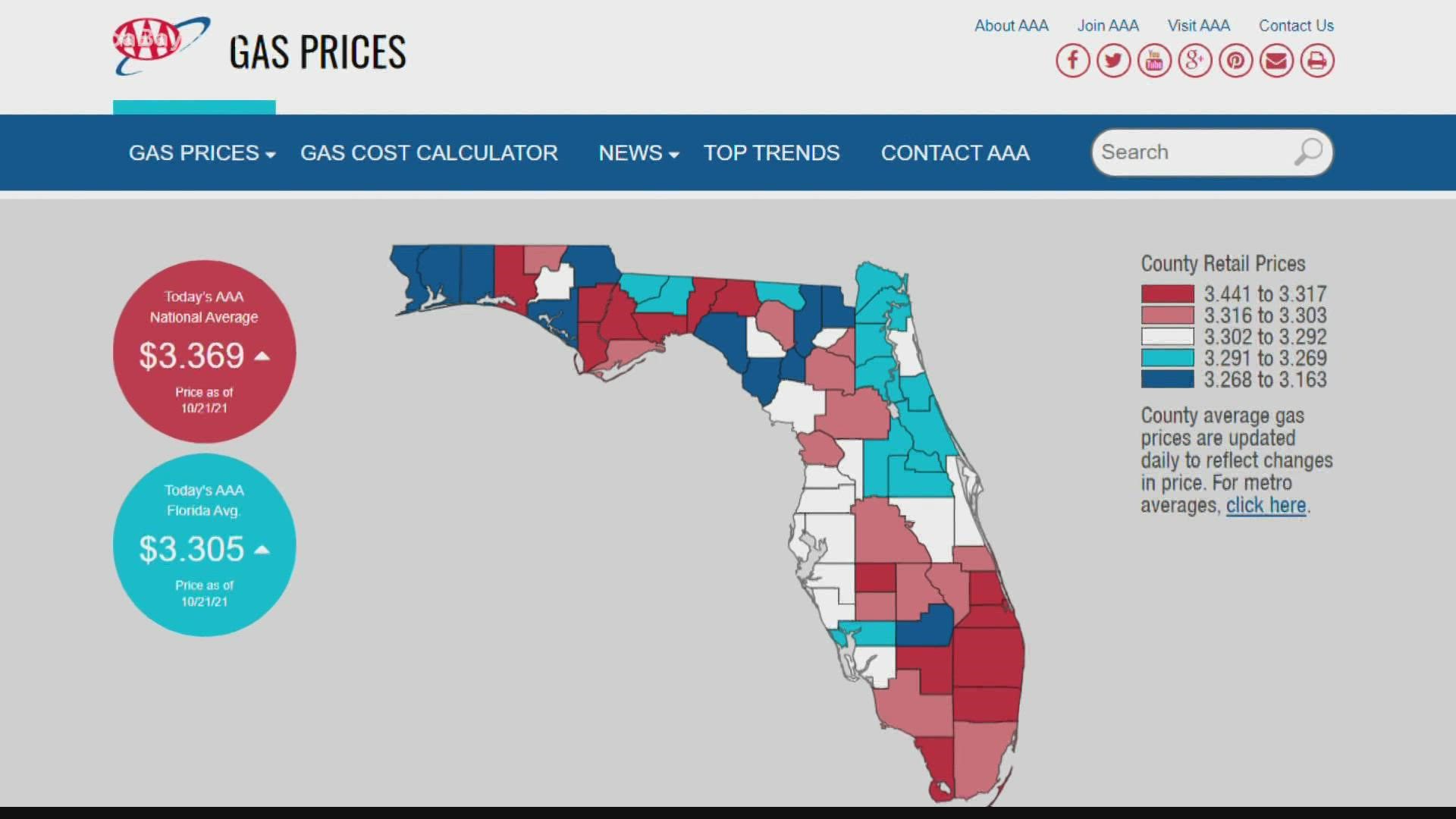
Florida’s vast landscape presents a noticeable spectrum of gas prices, influenced by a confluence of regional factors. Travelers can often find pockets of more affordable fuel by understanding these geographical nuances.
Major Metropolitan Areas vs. Rural Communities
Generally, gas prices in major metropolitan areas like Miami, Orlando, and Tampa tend to be slightly higher than in more rural or less densely populated regions. This is often due to higher demand in these urban centers, greater competition among gas stations, and sometimes higher local taxes or operating costs. Conversely, smaller towns and more remote areas might offer slightly lower prices to attract customers, though the selection of stations might be more limited.
Proximity to Refineries and Distribution Hubs
Areas located closer to major refineries or distribution hubs may sometimes benefit from lower transportation costs, potentially translating to marginally lower prices. However, this is not always a direct correlation, as demand and local market competition also play significant roles. For instance, cities along the Florida coast that rely heavily on imported fuel might see prices influenced by shipping costs and port activity.
Tourist Hotspots and Coastal Regions
Tourist-heavy destinations, particularly those along the coasts or near major theme parks like Walt Disney World or Universal Orlando Resort, often experience higher gas prices. This is primarily driven by the surge in demand from vacationers, who may be less price-sensitive during their trips. Stations located directly on major tourist routes or within popular resort areas often command premium prices.
Panhandle vs. South Florida
There can be noticeable differences between the Florida Panhandle and South Florida. The Panhandle’s proximity to refineries in Alabama and the Gulf Coast can sometimes influence its pricing. South Florida, with its high population density and significant tourist influx, often sees prices that reflect its robust demand.
Tips for Managing Fuel Costs on Your Florida Trip
Navigating Florida with a vehicle doesn’t have to break the bank. By employing a few smart strategies, travelers can significantly reduce their fuel expenditure and allocate more resources to experiencing the state’s myriad attractions.
Utilize Gas Price Tracking Apps
In the digital age, staying ahead of gas price fluctuations is easier than ever. A variety of mobile applications and websites are available that provide real-time gas price data for stations in your vicinity. By checking these apps before you need to refuel, you can pinpoint the cheapest gas stations in your area, saving you money on every gallon. Popular options include GasBuddy, Waze, and others that aggregate user-reported prices. Planning your refueling stops around these lower-priced options can lead to substantial savings over the course of a long road trip.
Refuel Strategically
Consider where and when you refuel. If you’re leaving a major city and heading into a more rural area, you might find better prices before you depart. Conversely, if you’re driving through a stretch of highway with limited services, it’s wise to fill up when you have the opportunity, even if the price isn’t the absolute lowest you’ve seen, to avoid getting caught with an empty tank. Many travelers find it beneficial to top off their tank in the morning when temperatures are cooler, as gasoline is denser at lower temperatures, meaning you get slightly more fuel for your money.
Drive Efficiently
Your driving habits have a direct impact on your vehicle’s fuel consumption. Aggressive acceleration and hard braking consume significantly more fuel than smooth, steady driving. Maintaining a consistent speed, using cruise control on highways, and anticipating traffic to avoid unnecessary stops and starts can improve your miles per gallon. Ensuring your tires are properly inflated also plays a role; under-inflated tires increase rolling resistance and thus fuel usage. For those traveling longer distances, consider the impact of air conditioning; while necessary in Florida’s climate, using it sparingly or at lower settings when possible can help conserve fuel.
Choose Your Fuel Wisely
While most standard passenger vehicles in Florida operate perfectly well on regular unleaded gasoline, some high-performance or luxury vehicles may require premium fuel. Always consult your vehicle’s owner’s manual to determine the appropriate octane level. Using a higher octane fuel than recommended by the manufacturer will not improve performance or fuel economy in most cars and will simply result in higher costs. Pay attention to the specific grades offered at the pump – regular, plus, and premium – and select the one that is appropriate for your vehicle.

Consider Loyalty Programs and Credit Cards
Many major gas station chains in Florida offer loyalty programs that provide discounts on fuel or rewards points. Signing up for these programs can offer savings, especially if you frequent a particular brand. Additionally, many credit cards offer fuel rewards or cash back on gasoline purchases. By using a credit card that aligns with your spending habits and offers these benefits, you can effectively reduce the overall cost of your fuel. Remember to check the terms and conditions of these programs and cards to maximize your savings.
By staying informed about market trends, understanding regional price differences, and employing practical money-saving strategies, travelers can ensure their journey through Florida is both enjoyable and financially manageable, allowing for more experiences and fewer worries about the cost of keeping the adventure rolling.
LifeOutOfTheBox is a participant in the Amazon Services LLC Associates Program, an affiliate advertising program designed to provide a means for sites to earn advertising fees by advertising and linking to Amazon.com. Amazon, the Amazon logo, AmazonSupply, and the AmazonSupply logo are trademarks of Amazon.com, Inc. or its affiliates. As an Amazon Associate we earn affiliate commissions from qualifying purchases.