
When you book a hotel for your travels, whether it’s a luxurious resort in the Maldives or a cozy bed and breakfast in the heart of Paris, you’re typically presented with a room rate. This rate covers your stay, the basic amenities of your room, and access to general hotel facilities. However, beyond this base cost, hotels often charge for additional services and items that fall under the umbrella term “incidentals.” Understanding what hotel incidentals are is crucial for managing your travel budget and avoiding any unwelcome surprises upon checkout. This comprehensive guide will delve into the world of hotel incidentals, helping you navigate the often-unseen costs and make informed decisions during your stays.

The Anatomy of Hotel Incidentals
At its core, hotel incidentals refer to any charges incurred during your stay that are not part of the advertised room rate. These are typically items or services you consume or use beyond the standard provision. Think of them as the extras that enhance your experience or fulfill needs that arise during your visit. The primary purpose of incidentals from a hotel’s perspective is to allow guests to customize their stay and pay only for what they use, while also providing a revenue stream for the hotel.
The concept of incidentals is particularly relevant when considering different types of accommodation, from sprawling resorts offering a plethora of activities to more minimalist boutique hotels. Even in a self-catering apartment or a vacation villa, while the definition might slightly shift, the principle of extra charges for non-included items remains.
Common Categories of Hotel Incidentals
To better understand what constitutes an incidental, it’s helpful to break them down into common categories. While the specific offerings can vary significantly between hotels, especially between a budget motel and a five-star establishment, some categories are almost universally recognized.
Food and Beverage Charges
This is perhaps the most common and easily understood category of incidentals. When you venture beyond the complimentary breakfast (if offered), any food or drink purchased from the hotel’s outlets will be considered an incidental. This includes:
- Room Service: Meals, snacks, and beverages ordered to your room.
- Minibar Consumption: Items consumed from the minibar in your room, such as sodas, juices, alcoholic beverages, and snacks. Many hotels have an automated system that charges your room as soon as an item is removed from the minibar.
- Restaurant and Bar Purchases: Any dining or drinks enjoyed at the hotel’s on-site restaurants, cafes, or bars.
- Vending Machines: Items purchased from vending machines located within the hotel premises.
Ancillary Services and Amenities
Beyond dining, many hotels offer a range of services and amenities that incur additional charges. These are designed to add convenience or enhance your stay.
- High-Speed Internet/Wi-Fi: While many hotels now offer complimentary Wi-Fi, some, particularly in the past or at higher-end establishments, might charge for premium or high-speed internet access. Always check the hotel’s policy beforehand.
- Valet Parking and Self-Parking: Depending on the location and the hotel’s facilities, parking fees can be a significant incidental. Valet parking is almost always an additional charge, while self-parking might be free in some locations or come with a daily fee.
- Laundry and Dry Cleaning: Services to wash, dry, and press your clothes are typically priced per item and are considered an incidental.
- Spa and Wellness Services: Treatments at the hotel’s spa, such as massages, facials, or access to exclusive wellness areas, are usually charged separately.
- Fitness Center Access (Premium): While most hotels offer basic gym access as part of the room rate, some may charge for premium equipment, classes, or personal training sessions.
- Business Center Services: Use of fax machines, printers, copiers, or computer terminals in the business center can incur fees.
Entertainment and Activities
Hotels, especially resorts and those catering to families, often provide opportunities for recreation and entertainment.
- Movie Rentals: Pay-per-view movies or on-demand entertainment accessed through your room’s television.
- Video Game Rentals: Some hotels may offer game consoles or specific games for rent.
- Activity Fees: This can range from charges for using recreational facilities like tennis courts or golf courses (if not included in a resort package) to fees for organized hotel activities or excursions.
- Tours and Excursions Booked Through the Hotel: While you might be visiting popular landmarks, if you book a guided tour through the hotel’s concierge, the cost will be added as an incidental.
Other Miscellaneous Charges
There are a few other less common, but still possible, incidental charges:
- Pet Fees: If you bring a pet, many hotels charge a daily or per-stay fee, sometimes with a deposit.
- Damages or Missing Items: While not strictly an “incidental” in the sense of a consumed service, hotels reserve the right to charge for any damage to the room or missing items from the room (e.g., towels, decorative pillows). This is more of a penalty charge.
- Late Checkout Fees: If you extend your stay beyond the standard checkout time without prior arrangement and approval, the hotel may charge an extra fee.
The Role of the Incidental Hold
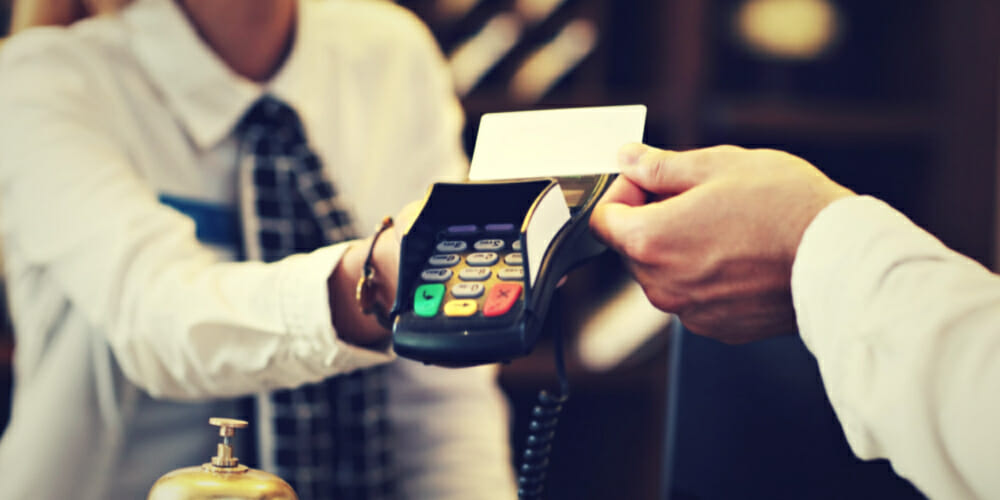
When you check into a hotel, you’ll likely notice that they place an “incidental hold” on your credit card. This is a standard practice designed to cover potential charges for incidentals that you might accrue during your stay. The amount of this hold varies widely depending on the hotel’s star rating, location, and the length of your stay.
Why Hotels Place an Incidental Hold
The primary reasons for an incidental hold are:
- Financial Security: It ensures that the hotel has a way to recoup costs if guests incur charges for services like room service, minibar use, or damages, and then attempt to leave without settling these extra bills.
- Streamlined Checkout: By pre-authorizing a certain amount, hotels can expedite the checkout process. When you leave, they simply deduct the actual incidental charges from this pre-authorized amount, or release the hold if no incidentals were incurred.
- Preventing Fraud: It acts as a form of verification of the guest’s ability to pay for extra services.
Understanding the Incidental Hold Amount
The incidental hold amount is not a charge that will appear on your final bill unless you incur incidentals. It’s a temporary pre-authorization. For example, a hotel might place a hold of $50-$150 per night of your stay. So, for a three-night stay, you could see a pre-authorization of $150-$450 on your credit card statement. This amount is “held” by your bank and is not available for your use during your stay.
Important Note on Holds: It’s crucial to understand that this hold can take a few business days to be released after you check out, depending on your bank’s policies. This means that the money, while not charged, is temporarily inaccessible. Some travelers prefer to use a credit card with a high credit limit for incidental holds to avoid impacting their available funds for other purchases. Always check the hotel’s policy on incidental holds before or at check-in.
Managing and Minimizing Incidental Costs
While some incidentals are unavoidable, particularly if you plan to enjoy the hotel’s amenities, there are several strategies you can employ to manage and potentially minimize these extra costs, ensuring your travel experience remains within your budget.
Proactive Planning and Research
- Read the Fine Print: Before booking, thoroughly review the hotel’s terms and conditions, especially regarding fees for parking, Wi-Fi, and any resort fees (which often bundle several incidental services).
- Check for Inclusions: Pay attention to what is included in the room rate. Some packages might offer complimentary breakfast, Wi-Fi, or even credits for dining or activities.
- Compare Hotel Policies: If you’re choosing between several hotels in a city like New York City or a popular destination, compare their policies on common incidentals like parking and Wi-Fi.
During Your Stay
- Set a Daily Budget: Decide on a daily limit for incidental spending and track your expenses to stay within it.
- Use Your Own Supplies: Bring your own toiletries, snacks, and water bottles to avoid purchasing them at inflated hotel prices.
- Opt for Complimentary Services: Utilize free services like complimentary breakfast, public Wi-Fi if available and sufficient, or the hotel’s regular gym facilities.
- Be Mindful of the Minibar: The minibar is a notorious source of unexpected charges. If you want snacks or drinks, it’s often far cheaper to purchase them from a local convenience store. Many hotels allow you to clear out the minibar to make space for your own items.
- Clarify Charges at Check-in: Don’t hesitate to ask the front desk about any potential charges you’re unsure of. Understanding policies upfront can prevent misunderstandings later.
- Review Your Bill Carefully: Before you pay and check out, take a moment to review your final bill for any discrepancies or charges you don’t recognize. If you see something questionable, ask for clarification.
Leveraging Loyalty Programs and Packages
- Hotel Loyalty Programs: Membership in hotel loyalty programs, such as Marriott Bonvoy or Hilton Honors, can sometimes offer perks like free Wi-Fi, late checkout, or even room upgrades that can indirectly reduce incidental spending.
- Package Deals: Look for all-inclusive packages or deals that might bundle common incidentals into the room rate, offering a potential cost saving.
By understanding what hotel incidentals are, how incidental holds work, and by adopting smart strategies for management and minimization, you can ensure that your hotel stay is not only comfortable but also financially predictable. This knowledge empowers you to make the most of your accommodation choices and enjoy your travels with peace of mind.
LifeOutOfTheBox is a participant in the Amazon Services LLC Associates Program, an affiliate advertising program designed to provide a means for sites to earn advertising fees by advertising and linking to Amazon.com. Amazon, the Amazon logo, AmazonSupply, and the AmazonSupply logo are trademarks of Amazon.com, Inc. or its affiliates. As an Amazon Associate we earn affiliate commissions from qualifying purchases.