
The Maine Coon stands as a testament to the rugged beauty of the United States. Known affectionately as the “gentle giant” of the feline world, this breed is not merely a pet; it is a living piece of history originating from the harsh, windswept landscapes of Maine. For those who appreciate the intersection of nature, history, and companionship, understanding the Maine Coon requires a deep dive into the environment that forged its unique characteristics.
A Legacy Forged in the Northeast
The story of the Maine Coon is inextricably linked to the coastal heritage of New England. While the exact origins of the breed remain a subject of folklore and debate, the consensus among feline historians is that they developed naturally in the climate of the Northeast.
The Survival of the Fittest
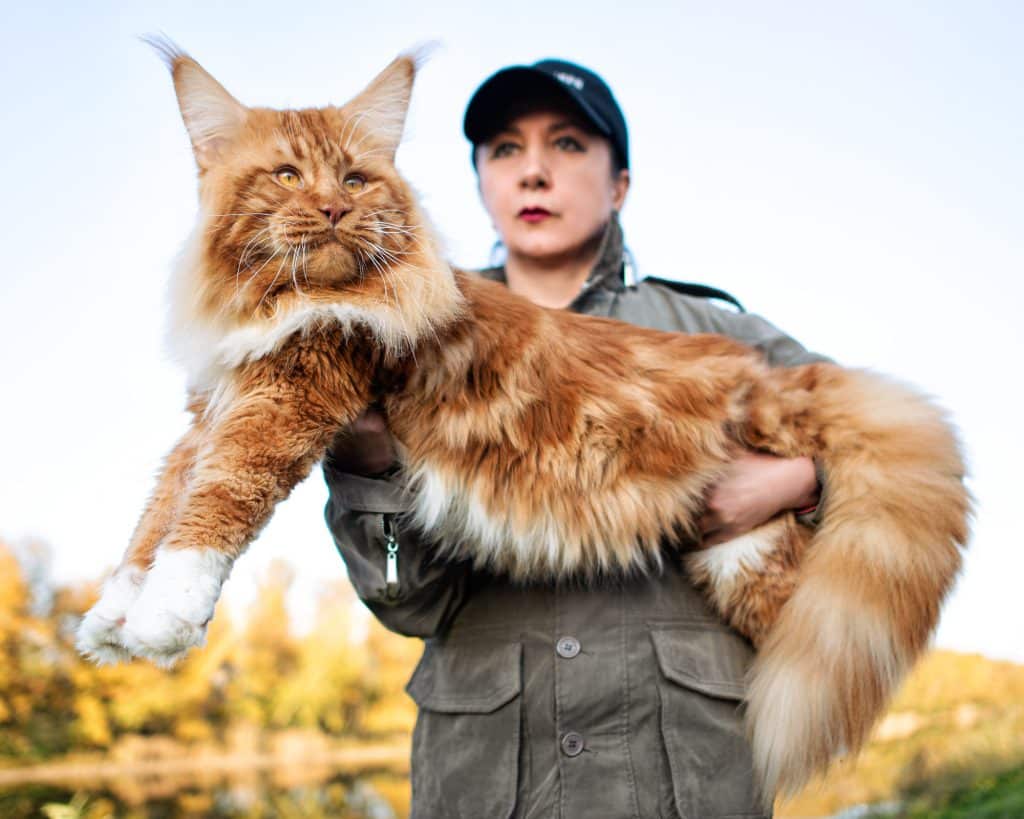
Unlike many cat breeds that were selectively bred in drawing rooms, the Maine Coon was a product of survival. In the early days of American maritime history, settlers relied on these large, hardy cats to keep ships and barns free of rodents. They had to endure frigid winters and damp coastal air, leading to the development of their signature water-resistant fur and heavy, tufted paws that acted as natural snowshoes.
Folklore and Reality
There are many legends surrounding their creation. Some suggest a romanticized (though biologically impossible) tale of cats mating with raccoons, which contributed to their long, bushy tails. Others point toward the seafaring adventures of Captain Charles Coon, whose long-haired cats allegedly disembarked at Maine ports. Regardless of the myth, the breed was officially recognized in the late 19th century, with the Maine State Cat title cementing its status as an iconic symbol of the region.
Physical Mastery of the Environment
To look at a Maine Coon is to see a creature built for the wilderness. Every aspect of their physiology serves a purpose rooted in their ancestral home. Their presence is commanding, often reminiscent of the majestic Appalachian Mountains that grace the region where they rose to prominence.
The Coat and Structure
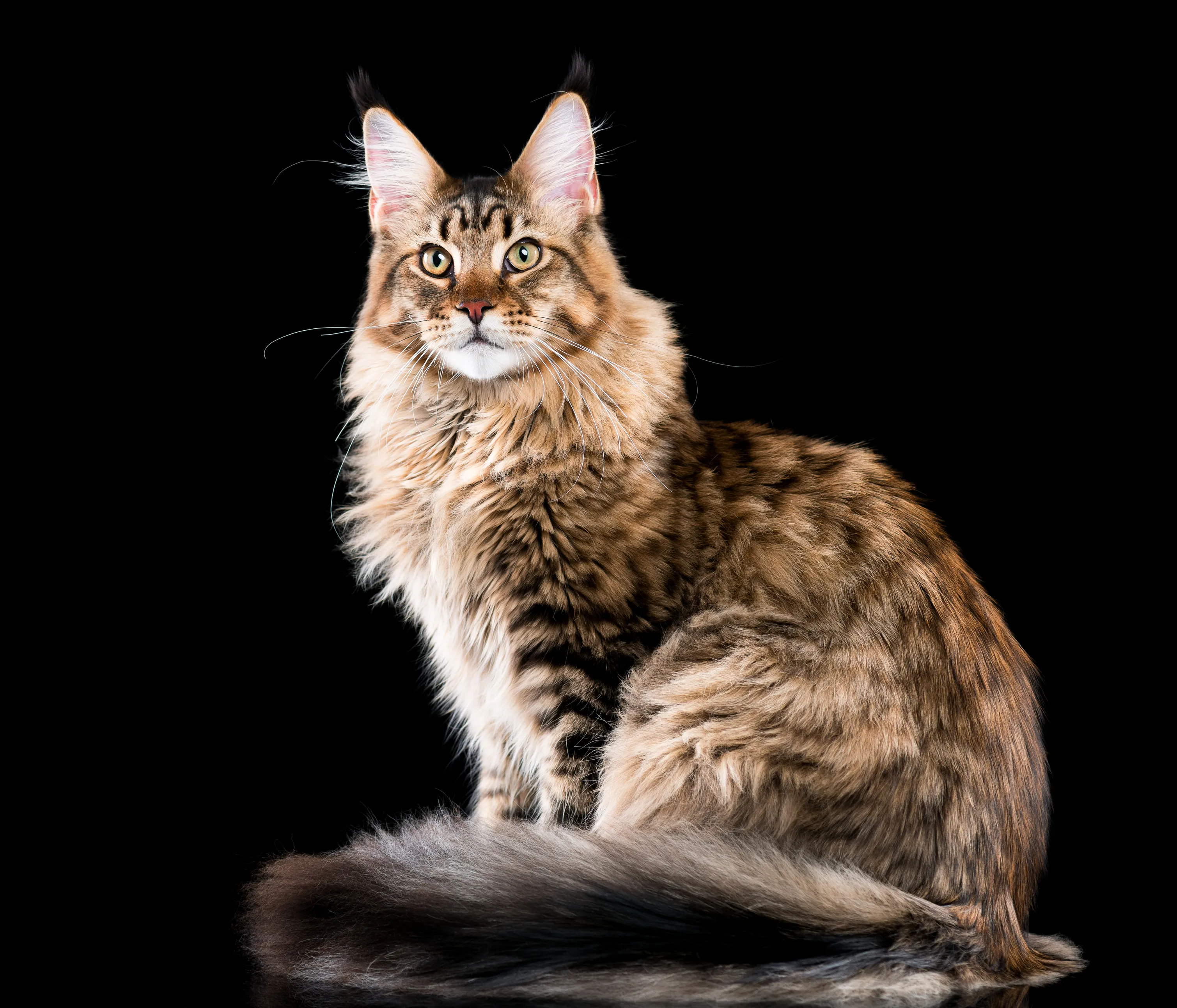
Their fur is the most immediate identifier. It is dense, shaggy, and uneven, featuring a longer “ruff” around the neck and a thick, silky undercoat. This structure allowed them to thrive in the outdoor conditions of North America. They are one of the largest domestic cat breeds, often weighing between 15 and 25 pounds, with a muscular build that commands respect.

Adaptive Features
- Ear Tufts: Their prominent, lynx-like ear tufts are not just aesthetic; they provided protection against the biting winds of the Atlantic Ocean.
- The Tail: Their tails are exceptionally long and plume-like. When sleeping in cold, outdoor environments, these cats would curl their tails around their bodies like a thick, insulating blanket.
- Paws: Their oversized, round paws provide extra surface area, preventing them from sinking into deep snow during the winter months common in places like Portland.
Temperament and Human Connection
Despite their formidable size and wild appearance, the Maine Coon is celebrated for a personality that mirrors the warm, inviting spirit of the Eastern Seaboard. They are often described as “dog-like” in their devotion, a trait that makes them exceptional companions for those exploring the quieter corners of New England living.
A Gentle Nature
The Maine Coon is famously patient and intelligent. They are known for their “chirps” and trills rather than a traditional meow, a gentle vocalization that reflects their social nature. In a household, they are rarely aloof; they prefer to be in the center of the activity, whether you are reading in a quiet library in Boston or spending an afternoon watching the tides in a coastal cottage.
Playfulness and Intelligence
Their high level of intelligence makes them easy to train, and they are one of the few breeds that genuinely enjoy water. This trait likely evolved as they navigated the watery landscapes of coastal Maine. They are adept at solving puzzles, opening doors, and participating in family life, making them a fixture in many homes that value active, interactive pets.
Cultural Significance in American Heritage
The Maine Coon is more than a cat; it is a cultural icon. Their image is often associated with the rustic aesthetic of the United States rural lifestyle. From the historic lighthouses of Acadia National Park to the bustling markets of New York, the presence of these cats evokes a sense of nostalgia for an era when survival and companionship were intrinsically linked.
A Breed of Resilience
The history of the Maine Coon is a microcosm of the resilience found in the American spirit. They faced near-extinction in the early 20th century as other, more “exotic” breeds rose to popularity. However, dedicated fanciers and local enthusiasts from the Northeast worked tirelessly to preserve the bloodline. Today, they are among the most popular breeds globally, but they remain most closely identified with their ancestral home.
The Maine Coon Today
Whether you encounter them in a luxury home in Vermont or a rugged farmhouse in New Hampshire, the Maine Coon retains the dignity and poise of its ancestors. They serve as a reminder that even in our modern, fast-paced world, there is value in the natural, the hardy, and the unpretentious. They invite us to slow down, enjoy the quiet comfort of a domestic space, and appreciate the living history that walks alongside us.
By understanding the Maine Coon, one gains a deeper appreciation for the unique geography and cultural narrative of the United States. They are the embodiment of the Northeast—a blend of wild endurance and quiet, unwavering loyalty that has captivated hearts for centuries. As you explore the heritage of this region, you will find that the Maine Coon is as much a part of the landscape as the granite cliffs and the crashing waves of the Atlantic Ocean.
LifeOutOfTheBox is a participant in the Amazon Services LLC Associates Program, an affiliate advertising program designed to provide a means for sites to earn advertising fees by advertising and linking to Amazon.com. Amazon, the Amazon logo, AmazonSupply, and the AmazonSupply logo are trademarks of Amazon.com, Inc. or its affiliates. As an Amazon Associate we earn affiliate commissions from qualifying purchases.