
Navigating the skies to the iconic state of New York often begins with understanding its extensive network of airports. Far from being mere points of arrival and departure, these aviation hubs are crucial gateways that facilitate both domestic and international travel, playing a vital role in the state’s economy and its status as a global destination. For travelers, discerning the purpose and offerings of each airport is key to planning a seamless journey, whether your ultimate destination is the bustling metropolis of New York City or the scenic landscapes beyond. This exploration delves into the primary airports serving New York, their unique characteristics, and the advantages they offer to a diverse range of travelers.
The Tri-State Gateway: Understanding the Major Hubs
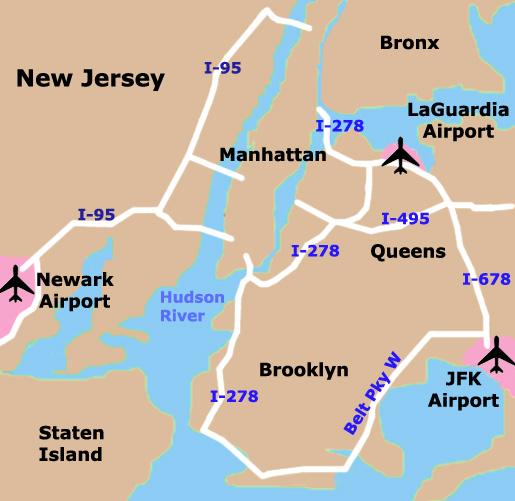
The region encompassing New York, New Jersey, and parts of Connecticut is served by a sophisticated air transportation system, with three major international airports forming the core of this network. These airports, while geographically close, cater to different airlines, destinations, and passenger needs, offering a multifaceted approach to air travel. Understanding which airport serves which purpose can significantly impact your travel experience, from ease of access to your final destination to the overall cost and convenience of your flight.
John F. Kennedy International Airport (JFK)
John F. Kennedy International Airport, commonly known as JFK, is arguably the most recognized and busiest airport in New York. Situated in Queens, it is a major international gateway, handling a vast number of overseas flights from carriers across the globe. JFK is renowned for its extensive network of international airlines, connecting New York to hundreds of cities worldwide. Its nine terminals are home to a diverse array of airlines, from legacy carriers to burgeoning international outfits, making it the primary choice for many intercontinental journeys.
International Connectivity and Terminal Offerings
The sheer scale of international operations at JFK is a testament to its importance as a global hub. Terminal 1, for example, hosts many European and Asian airlines, while Terminal 4 is a major hub for airlines like Delta Air Lines and its international partners. Terminal 7 has historically been used by airlines such as British Airways, and Terminal 8 is a significant base for American Airlines. The airport has undergone significant renovations and expansions, continually enhancing its passenger facilities, dining options, and retail experiences to accommodate the millions of travelers who pass through its doors annually. For travelers seeking direct flights to distant locales or those arriving from abroad, JFK is often the most direct and convenient option.
Ground Transportation and Accessibility
Despite its vastness, JFK offers a range of ground transportation options. The AirTrain JFK is a critical link, connecting all terminals to the New York City subway system, specifically the A and E lines, and to the Long Island Rail Road at Jamaica Station. Taxis, ride-sharing services, and shuttle buses are also readily available, though traffic congestion in and around Queens can sometimes impact travel times.
Newark Liberty International Airport (EWR)
Located in Newark, New Jersey, Newark Liberty International Airport, or EWR, is the third busiest airport in the New York metropolitan area and a significant international and domestic gateway. Operated by the Port Authority of New York and New Jersey, EWR serves a wide array of airlines, with a strong presence from carriers like United Airlines, which maintains a major hub at the airport. Its strategic location makes it a convenient option for travelers whose final destination is in parts of New Jersey or western Long Island.
Airline Hubs and Domestic Focus
EWR is particularly important for domestic travel within the United States. United Airlines utilizes EWR as one of its primary hubs, offering a vast network of flights to major cities across the country. Other carriers like Spirit Airlines and JetBlue Airways also operate significant routes from EWR. The airport’s three terminals are undergoing modernization, aiming to improve passenger flow and amenities, reflecting its ongoing importance in the region’s air travel landscape.
Transportation Links to the Region
Connecting EWR to the surrounding areas is the AirTrain Newark, which provides seamless access to the New Jersey Transit rail system. This rail link allows passengers to travel directly to New York Penn Station in Manhattan, a journey that typically takes under thirty minutes. Additionally, NJ Transit buses, taxis, and ride-sharing services are available, offering diverse options for reaching various points within New Jersey and beyond.
LaGuardia Airport (LGA)
LaGuardia Airport, also located in Queens, is the smallest of the three major airports serving the New York metropolitan area. LGA primarily focuses on domestic flights, serving as a crucial hub for shorter routes and connections within the United States. It is particularly important for flights to and from cities within a certain radius of New York, making it a convenient choice for business travelers and those on shorter trips. LGA has been undergoing extensive redevelopment, with a significant focus on modernizing its terminals to improve passenger experience and operational efficiency.
Domestic Network and Airline Presence
LaGuardia Airport is dominated by domestic carriers such as Delta Air Lines and American Airlines, which operate substantial networks from the airport. Its strategic position makes it ideal for connecting flights within the Northeast corridor and to major hubs across the country. The airport’s modernization efforts are transforming its appearance and functionality, with new terminals designed to offer a more contemporary and comfortable environment for passengers.

Local Accessibility and Public Transit
LGA’s accessibility has historically been a point of discussion, but improvements are continually being made. While it does not have its own direct rail link like JFK or EWR, it is well-served by MTA buses connecting to subway stations, including the 7 train and the N and W lines. This integration with the New York City transit system provides a viable public transportation option for travelers heading to or from Manhattan and other boroughs. Taxis and ride-sharing services are also available.
Smaller Airports and Their Niche Roles
Beyond the three major international and domestic hubs, New York state is also served by a number of smaller airports, often referred to as general aviation or regional airports. These facilities cater to a different segment of travelers, including private pilots, charter flights, and regional commuter airlines. While they handle significantly less passenger traffic than their larger counterparts, they play a crucial role in supporting local economies, facilitating business travel, and providing access to areas not directly served by major airports.
Westchester County Airport (HPN)
Westchester County Airport, known as HPN, is a vital facility for the affluent communities in Westchester County and southern Connecticut. It primarily serves general aviation and offers a limited number of scheduled commercial flights, often operated by regional carriers. For residents in these areas, HPN provides a convenient alternative to traveling into New York City to catch a flight, saving considerable travel time. The airport is known for its more relaxed atmosphere compared to the major international gateways.
General Aviation and Private Jet Services
Westchester County Airport is a popular choice for private pilots and corporate aviation. It offers extensive facilities for general aviation, including fixed-base operators (FBOs) that provide fueling, maintenance, and concierge services for private aircraft. This focus on private aviation makes HPN an attractive option for business executives and individuals seeking discreet and efficient air travel.
Long Island MacArthur Airport (ISP)
Long Island MacArthur Airport, or ISP, is situated in Islip, New York, serving the central and eastern parts of Long Island. Similar to HPN, ISP handles a mix of commercial and general aviation traffic. It offers scheduled flights to several domestic destinations, providing a convenient air travel option for residents of Suffolk County and surrounding areas, thereby reducing the need to travel to the more distant JFK or LGA.
Regional Connections and Commuter Flights
ISP is a key provider of regional air connections for Long Island. Airlines operating from ISP often focus on routes to major East Coast cities and offer a more personalized boarding experience compared to larger airports. Its manageable size and accessible location make it a practical choice for many travelers on Long Island.
Choosing the Right Airport for Your New York Journey
The selection of an airport for your travel to or from New York is a decision that hinges on several factors, including your final destination within the metropolitan area or the state, your airline preference, budget considerations, and desired level of convenience. Understanding the strengths and specialties of each airport is paramount to ensuring a smooth and efficient travel experience.
Destination-Based Selection
For international travelers, JFK is usually the primary choice due to its extensive global network. If your destination is in northern New Jersey or parts of western Long Island, EWR might offer a more direct route. For domestic travel, especially to cities in the Northeast, LGA is often the most convenient. If you are traveling to or from the northern suburbs of New York City or southern Connecticut, HPN can save you considerable travel time. Similarly, ISP serves as an excellent gateway for those residing in or traveling to central and eastern Long Island.
Airline Preference and Flight Schedules
Your choice of airline can also dictate which airport you will use, as many airlines have preferred operating bases or hubs. For instance, if you are a frequent flyer with United Airlines, EWR will likely be your most practical option. Likewise, major international carriers are predominantly found at JFK. Always check your flight details carefully to confirm the departure and arrival airport, as even within the same metropolitan area, flights can be routed through different facilities.

Considering Ground Transportation and Travel Time
Finally, the ease and cost of ground transportation from the airport to your final destination should be a significant consideration. While JFK and EWR offer direct rail links to Manhattan, LGA relies on bus connections. Evaluate the total travel time and cost, including transit from the airport, when comparing flight options. For travelers prioritizing speed and convenience, especially those with significant amounts of luggage or traveling with families, ride-sharing services or taxis might be a more suitable, albeit often more expensive, option. By carefully weighing these factors, you can make an informed decision and ensure your arrival in New York is as seamless as possible.
LifeOutOfTheBox is a participant in the Amazon Services LLC Associates Program, an affiliate advertising program designed to provide a means for sites to earn advertising fees by advertising and linking to Amazon.com. Amazon, the Amazon logo, AmazonSupply, and the AmazonSupply logo are trademarks of Amazon.com, Inc. or its affiliates. As an Amazon Associate we earn affiliate commissions from qualifying purchases.