
The allure of a vacation often conjures images of pristine beaches, luxurious amenities, and unforgettable experiences. When booking a stay at a resort, especially those renowned for their extensive offerings and prime locations, travelers anticipate a certain level of comfort and service. However, tucked away within the final bill, a mysterious charge often emerges: the resort fee. This enigmatic addition has become a ubiquitous part of the travel landscape, leaving many to wonder exactly what it is and why they are paying for it.
Understanding the Resort Fee Phenomenon
At its core, a resort fee, sometimes referred to as a amenity fee, daily resort charge, or destination fee, is a mandatory charge levied by hotels and resorts. Unlike the advertised room rate, this fee is added to your total bill, typically on a per-night basis. The stated purpose of these fees is to cover the costs of amenities and services that the resort provides to all guests, regardless of whether each individual guest utilizes them. This can encompass a wide array of offerings, from high-speed internet and fitness center access to swimming pool maintenance and the provision of beach towels.

The concept isn’t entirely new, but its prevalence and the way it’s presented to consumers have evolved significantly. Initially, these fees were more commonly associated with large, amenity-rich resorts, particularly in popular tourist destinations like Las Vegas or beach-front properties. However, the practice has since expanded, and it’s now not uncommon to encounter resort fees at a broader range of accommodations, including boutique hotels and even some urban establishments that aim to offer a more comprehensive guest experience.
The Rationale Behind Resort Fees
Resorts argue that by consolidating the cost of these shared amenities into a single, transparent fee, they can offer a more predictable pricing structure for their guests. Instead of inflating room rates to cover these services, the resort fee allows them to present a base room price that appears more competitive, while the additional fee accounts for the value-added services. This allows guests to understand upfront that certain facilities and services are part of the overall package, even if they don’t use every single one.
These fees are often justified by the costs associated with maintaining extensive facilities such as:
- Fitness Centers: Gym equipment, cleaning, and staff.
- Pools and Hot Tubs: Water treatment, lifeguards, towel service, and upkeep.
- Internet Access: Providing reliable Wi-Fi throughout the property.
- Concierge Services: Staffing and resources for guest assistance.
- Shuttle Services: Transportation to local attractions or airports.
- Beach and Pool Access: Maintenance of beach areas, lounge chairs, and umbrellas.
- Daily Housekeeping and Turndown Service: Though often considered standard, some resorts may allocate a portion of the resort fee to enhanced daily services.
- In-Room Amenities: While some in-room amenities are standard, others like premium coffee makers or bath products might contribute to the fee.
- Recreational Activities: Access to tennis courts, golf facilities (though often with separate charges), or on-site games.
- Local Calls and Fax Services: Increasingly less common but still a stated amenity by some.
The idea is that by pooling these costs, the resort can ensure a consistently high standard of these facilities for all patrons. For a resort in Maui, for instance, maintaining pristine beach access and providing ample lounge chairs can be a significant operational expense. Similarly, a large resort in Orlando with multiple swimming pools and water parks incurs substantial costs for staffing, water treatment, and safety.
Navigating the Complexities of Resort Fees
While the intention might be transparency, the reality for many travelers is that resort fees can be a source of confusion and frustration. The amount of the fee can vary significantly, ranging from a modest $15 to upwards of $50 or even more per night, depending on the property and its location. For a week-long stay at a luxury resort in the Bahamas, these fees can add hundreds of dollars to the overall vacation cost, often appearing as an unwelcome surprise at checkout.
When are Resort Fees Applied?
Resort fees are typically applied to every night of your stay. This means that even if you arrive late and leave early, or spend most of your time out exploring a destination like Rome or Tokyo, you will still be charged the daily resort fee for each night you occupy the room. Some resorts may also apply these fees to different room types, though typically they are applied universally across all bookings made directly with the hotel or through third-party booking sites.
It’s also important to note that resort fees are generally non-negotiable. They are a fixed part of the resort’s pricing strategy. While you might be able to negotiate the room rate itself, the resort fee is usually presented as an unavoidable charge.
The Debate Over Transparency and Value
The practice of resort fees has drawn criticism from consumer advocacy groups and travelers alike. A primary concern is the lack of consistent transparency in how these fees are advertised. While some booking platforms and hotel websites now clearly display resort fees, others may bury them in the fine print or only reveal them late in the booking process. This can lead to guests feeling misled about the true cost of their accommodation, especially when comparing prices between different hotels or booking channels.
For example, two hotels in Cancun might advertise similar base room rates. However, if one hotel charges a $30 resort fee per night and the other has no resort fee, the latter offers a significantly lower overall price. Without clear disclosure, a traveler might book the hotel with the resort fee, only to discover the added cost upon arrival or at checkout.
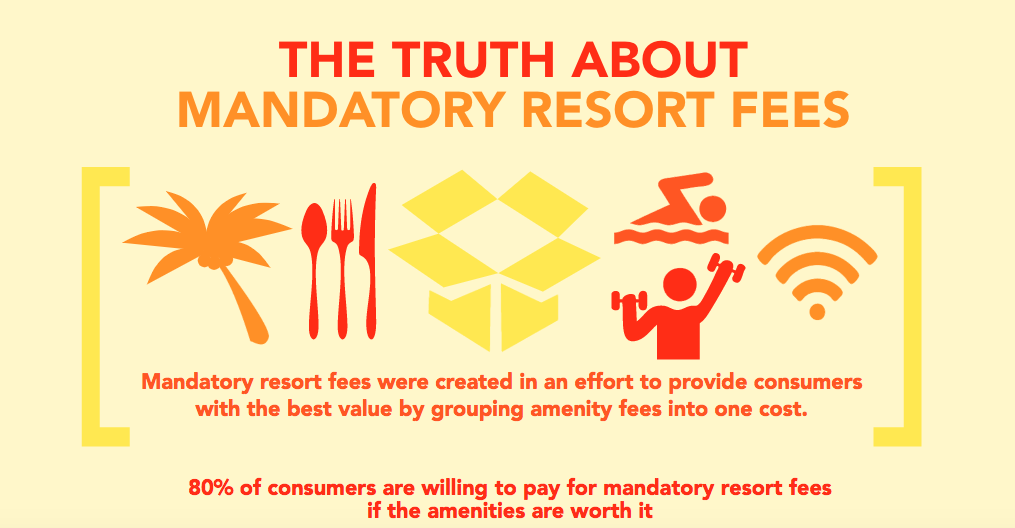
Furthermore, the value proposition of resort fees is often debated. Guests may question whether the amenities covered by the fee are truly worth the extra expense, especially if they are not utilizing many of them. A business traveler on a short stay in New York City might have little use for a resort pool or beach access, yet still be required to pay the fee.
Strategies for Managing Resort Fees
While resort fees can be a source of annoyance, there are strategies travelers can employ to mitigate their impact or make more informed decisions.
1. Research Before You Book
The most effective way to deal with resort fees is to be aware of them before you commit to a booking. Thoroughly examine the booking details on the hotel’s website or your chosen travel agency. Look for any mention of “resort fees,” “amenity fees,” “daily charges,” or similar terms. If a fee isn’t immediately apparent, try looking for a “fees and charges” section or a link to the hotel’s policies.
Many travel forums and review sites like TripAdvisor also discuss resort fees. Reading recent guest reviews can provide valuable insights into the current fees being charged and whether guests felt they received good value. For instance, reviews for the Bellagio Las Vegas might detail the resort fee and what it covers, helping you decide if it aligns with your expectations for a stay in Las Vegas.
2. Consider Alternative Accommodations
If resort fees are a significant concern, consider alternatives to traditional resorts. Many hotels, particularly smaller boutique establishments or those that are not amenity-heavy, do not charge resort fees. Additionally, exploring options like vacation rentals, apartments, or serviced accommodations on platforms like Airbnb or Vrbo can often bypass resort fees altogether, though these may come with their own cleaning or service charges.
For a family vacation, a villa rental in Tuscany might offer more space and amenities at a comparable or even lower overall cost than a resort with hefty daily fees. Similarly, if your priority is simply a comfortable bed and a good location in a city like Paris, a standard hotel without extensive facilities might be a more budget-friendly choice.
3. Leverage Included Amenities
If you do choose to stay at a resort with a fee, make an effort to utilize the amenities it covers. If your fee includes access to a state-of-the-art fitness center, take advantage of it. If it covers complimentary yoga classes or a shuttle service to a popular attraction like the Grand Canyon, plan your activities to incorporate these benefits. By maximizing your use of these services, you can feel that you’re getting more value for your money.
Some resorts might even offer credit towards specific activities or dining as part of their resort fee, particularly if they are aiming to enhance the guest experience beyond basic amenities. Always inquire at the front desk about what exactly your resort fee entitles you to.
4. Inquire About Fee Waivers or Discounts
While rare, there are occasional circumstances where resort fees might be waived or discounted. This is more likely to happen if there was a significant issue during your stay that the resort is trying to rectify, or if you are a loyalty program member with a high status. Some resorts may also offer package deals that include the resort fee, making it seem like a part of the overall promotion rather than an additional charge.
It is always worth a polite inquiry at the front desk, especially if you feel the fee is excessive or if certain advertised amenities were unavailable during your stay. However, do not expect this to be a common occurrence, and always be prepared to pay the full fee.

The Future of Resort Fees
The debate surrounding resort fees is ongoing, with regulators and consumer groups continuing to scrutinize the practice for its potential to mislead consumers. In some regions, there have been calls for more stringent regulations regarding the disclosure of these mandatory charges. As consumer awareness grows, hotels and resorts may face increasing pressure to be more transparent or to incorporate these costs more directly into their advertised room rates.
For now, resort fees remain a prevalent aspect of the travel industry. By understanding what they are, why they exist, and how to research them, travelers can navigate this aspect of accommodation booking with greater confidence, ensuring that their vacation budget accurately reflects the true cost of their desired experience. Whether you’re planning a luxurious getaway to a beachfront resort in the Maldives or a bustling city break to Hong Kong, being informed about resort fees will help you make the best choices for your travels.
LifeOutOfTheBox is a participant in the Amazon Services LLC Associates Program, an affiliate advertising program designed to provide a means for sites to earn advertising fees by advertising and linking to Amazon.com. Amazon, the Amazon logo, AmazonSupply, and the AmazonSupply logo are trademarks of Amazon.com, Inc. or its affiliates. As an Amazon Associate we earn affiliate commissions from qualifying purchases.