
When planning a trip to the vast and vibrant Lone Star State, or if you’re a resident considering a purchase, understanding the nuances of Texas sales tax is crucial. While the thought of taxes might seem mundane, a grasp of these regulations can significantly impact your budget, especially when booking hotels, exploring attractions, or indulging in the local lifestyle. This guide aims to demystify Texas sales tax, breaking down what it is, who it applies to, and how it influences your experiences across the state, from the bustling streets of Austin to the historic charm of San Antonio.
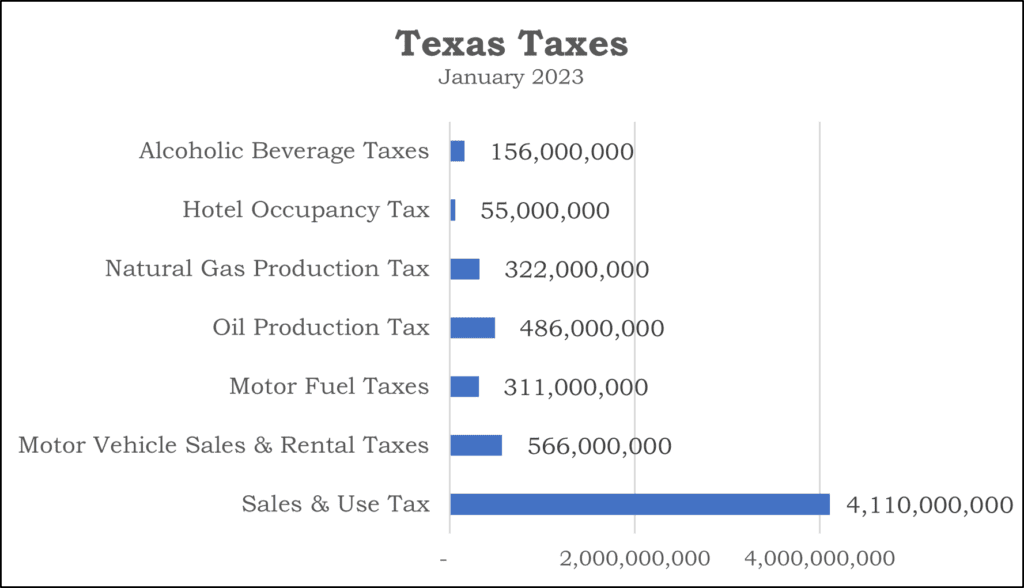
The Texas tax system operates differently from many other states. It relies heavily on sales and use taxes, property taxes, and various other business taxes, with no state income tax for individuals. This makes sales tax a primary revenue generator for the state and its local governments, funding essential services like education, infrastructure, and public safety. For visitors, this translates to an added percentage on many goods and services, while for businesses, it means diligent record-keeping and remittance.
Understanding the Basics: State and Local Sales Tax Rates
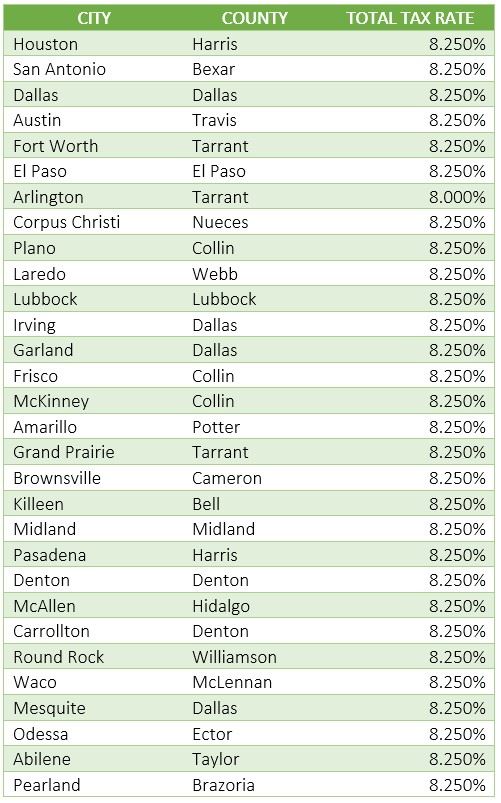
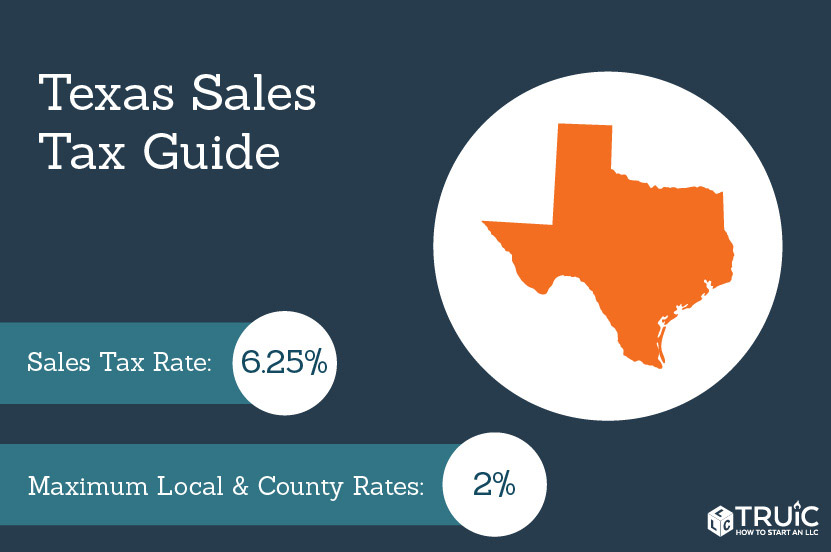
At its core, Texas sales tax is a percentage levied on the retail sale of tangible personal property and certain services. The state sales tax rate is set at 6.25%. However, this is just the foundation. Local governments, including cities, counties, and special districts, have the authority to impose their own local sales taxes. This is where the complexity often arises, as the combined state and local rates can vary significantly from one municipality to another.
The maximum combined sales tax rate in Texas is capped at 8.25%. This means that while a city might levy its own tax, the total you pay at the checkout or on your hotel bill will not exceed this 8.25% threshold, except in very specific instances related to certain districts like those for professional sports stadiums or transit authorities, which can push the rate slightly higher in designated areas. For instance, a purchase made in Dallas will likely have a different combined sales tax rate than the same purchase made in a smaller town in West Texas.
State Sales Tax: The Foundation
The 6.25% state sales tax is applied across the board to most taxable goods and services. This rate is consistent throughout the state and forms the base upon which local taxes are added. It’s important to recognize that this revenue directly contributes to funding state programs and initiatives, impacting everything from highway maintenance to state park upkeep. When you’re enjoying a scenic drive through the Texas Hill Country or visiting a state landmark, a portion of the sales tax collected indirectly supports these experiences.
Local Sales Tax: The Variable Factor
The variability in Texas sales tax primarily stems from local add-ons. Cities, counties, and special districts can each impose their own sales taxes, and these are often combined to form the final rate. For example, a city might have a 1.5% local sales tax, and if the county also has a 0.5% tax, that adds up to 2% in local taxes, which is then added to the state’s 6.25% for a total of 8.25%.
This means that if you’re staying in a resort in Galveston or dining at a renowned restaurant in Houston, the sales tax you encounter might be higher than in a more rural Texas county with fewer local taxing authorities. Understanding the specific local tax rates for your destination is essential for accurate budgeting. Many online resources and official Texas Comptroller websites provide detailed breakdowns of sales tax rates by locality. This is particularly relevant for accommodation providers, who must correctly calculate and remit these varied local taxes.
What is Taxable? Goods, Services, and Exceptions
Navigating Texas sales tax involves understanding what items and services are subject to taxation. Generally, the state taxes the sale or lease of tangible personal goods and the provision of certain taxable services. However, there are numerous exemptions and specific rules that can impact different purchases, especially those related to travel, tourism, and lifestyle.
Taxable Goods
Most tangible personal property is subject to Texas sales tax. This includes everything from clothing and electronics to furniture and souvenirs. When you’re shopping for unique items in a Texas boutique or picking up essentials for your trip, expect to see sales tax added to the sticker price. This applies whether you’re purchasing items in person or online from a Texas-based retailer.
Taxable Services
The list of taxable services in Texas is extensive and continually updated. Some common examples include:
- Admissions to amusement, entertainment, or recreational facilities (e.g., theme parks, sporting events).
- Hotel occupancy, which is a significant consideration for travelers booking accommodation.
- Repair and remodeling services for real property.
- Information services.
- Security services.
- Personal services like dry cleaning and laundry.
Services that are often considered taxable for travelers include entry fees to attractions like the Alamo or Space Center Houston, as well as the room rate for your stay at a resort or hotel. Understanding this can help in budgeting for experiences and luxury travel.
Exemptions and Non-Taxable Items
Fortunately, not everything is taxed in Texas. Several important exemptions exist, which are particularly beneficial for residents and can sometimes impact the overall cost of a trip. Key exemptions include:
- Groceries: Most staple food items intended for home consumption are exempt from sales tax. This is a significant benefit for families on budget travel or those planning longer stays where self-catering is an option.
- Prescription Drugs: Medications prescribed by a physician are not subject to sales tax.
- Residential Rent: While hotel stays are taxed, the long-term rental of a primary residence is generally exempt. This is a distinction that impacts those considering long-term stay apartments.
- Certain Business Inputs: Some raw materials and components used in manufacturing are exempt to encourage economic development.
Moreover, certain types of organizations, like some religious and charitable institutions, may be exempt from paying sales tax on their purchases. It’s always wise to inquire if you believe a purchase might qualify for an exemption.
Sales Tax and Your Texas Travel Experience
For those visiting Texas, sales tax will be a recurring factor in your expenses, influencing decisions about accommodation, dining, and activities. Understanding how it applies can help you budget more effectively and avoid unexpected costs.
Hotels and Accommodation
When booking accommodation in Texas, whether it’s a luxury resort in San Antonio, a charming bed and breakfast in the Texas Hill Country, or a practical apartment in Dallas, the room rate will be subject to hotel occupancy tax. This tax is composed of the state sales tax rate plus any applicable local and municipal taxes. The specific rate can vary significantly depending on the city and county. For example, Austin and Houston have higher local taxes than some smaller towns. It’s always advisable to check the estimated total cost, including taxes, when comparing booking options and reading reviews. This is particularly important for those planning business stays or family trips.
Dining and Food
While groceries for home consumption are generally exempt, dining out in Texas means your meal will likely be subject to sales tax. This includes everything from a quick bite at a local diner to a fine dining experience at a renowned restaurant. The combined state and local sales tax rate will apply. This is an important consideration for those exploring local culture through its food scene. However, remember that food and drink purchased for home consumption from a grocery store are usually exempt.
Attractions and Entertainment
Entry fees to attractions, landmarks, and entertainment venues are typically considered taxable admissions. Whether you’re visiting the San Antonio Riverwalk, exploring the Waco Mammoth National Monument, or attending a concert, you’ll likely pay sales tax on your ticket. This also applies to guided tours and other paid experiences that fall under the category of amusement and recreation. For families enjoying family trips, factoring these costs into your budget is essential.
Shopping and Souvenirs
Your shopping sprees in Texas, whether you’re looking for designer brands in Houston or unique Texas souvenirs in Austin, will also be subject to sales tax on most tangible goods. This applies to purchases made in physical stores as well as online from Texas-based retailers. If you’re a savvy shopper looking for budget travel deals, keep in mind that the sales tax will increase the final price of your purchases.
Business Stays and Luxury Travel
For those on business stays, sales tax applies to hotel rooms, meals, and any other taxable goods or services purchased. Similarly, luxury travel enthusiasts will find that the higher price points of luxury hotels, fine dining, and exclusive experiences will naturally result in a higher sales tax amount. Understanding the tax structure helps in managing the overall expenditure for both professional and leisure purposes.
By staying informed about Texas sales tax, you can better plan your travel budget, make informed purchasing decisions, and enjoy your time in the Lone Star State without any unwelcome financial surprises. The Texas Comptroller of Public Accounts is an excellent resource for the most up-to-date information on tax rates and regulations.
LifeOutOfTheBox is a participant in the Amazon Services LLC Associates Program, an affiliate advertising program designed to provide a means for sites to earn advertising fees by advertising and linking to Amazon.com. Amazon, the Amazon logo, AmazonSupply, and the AmazonSupply logo are trademarks of Amazon.com, Inc. or its affiliates. As an Amazon Associate we earn affiliate commissions from qualifying purchases.