
In an increasingly fast-paced world, the quest for tranquility, rejuvenation, and holistic well-being has led many to discover the profound benefits of spas. But what exactly is a spa? Far more than just a place for a massage, a spa is a sanctuary dedicated to enhancing physical, mental, and spiritual health through a diverse range of therapeutic treatments, facilities, and a calming ambiance. Rooted in ancient traditions and evolving with modern science, spas have become integral to the travel and lifestyle landscape, offering everything from luxurious escapes to focused medical interventions.
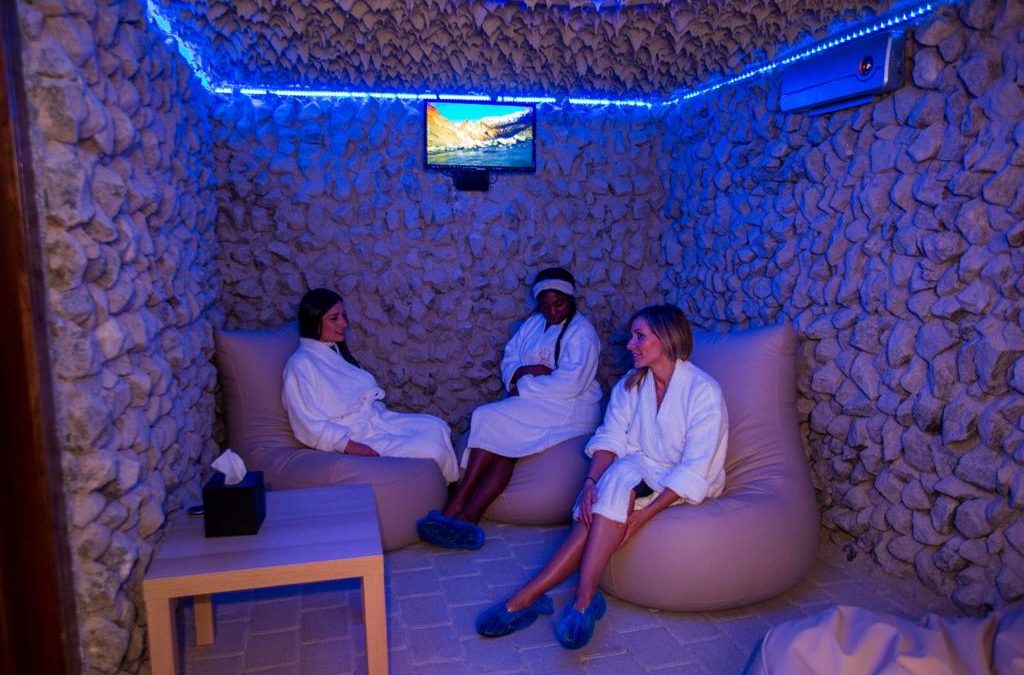
For travelers, spas represent a unique intersection of accommodation, tourism, and lifestyle choices. Whether integrated into a grand hotel or standing alone as a dedicated destination retreat, they offer a chance to disconnect from daily stressors and reconnect with oneself. From the bustling cities of Europe to the serene landscapes of Asia, spas beckon with promises of relaxation, healing, and personal growth. Understanding the multifaceted nature of spas is key to unlocking their full potential and finding the perfect wellness experience tailored to your needs.
The Enduring Legacy: A Journey Through Spa History and Philosophy
The concept of the spa is by no means a modern invention. Its roots run deep into human history, intertwined with our innate understanding of water’s healing properties and the pursuit of cleanliness and health. To truly appreciate what spas are today, one must journey back to their ancient origins and trace their evolution through various cultures and eras.
Ancient Origins and Healing Waters
The very word “spa” is often believed to derive from the Belgian town of Spa, famous for its mineral springs since the 14th century. However, the practices associated with spas predate this considerably. Early civilizations, recognizing the therapeutic benefits of natural mineral springs and hot springs, established communal bathing rituals that laid the groundwork for modern spa culture.
The ancient Greeks were pioneers in hydrotherapy, using water not just for hygiene but for therapeutic purposes, often near natural springs and streams. Hippocrates, the father of medicine, advocated for water treatments, believing they could cure various ailments. However, it was the Romans who truly perfected the art of communal bathing, creating elaborate public bathhouses known as thermae. These monumental structures, such as the Baths of Caracalla in Rome or the well-preserved Roman baths in Bath, England, were more than just places to bathe. They were social hubs, centers for exercise, education, and relaxation, offering hot and cold pools, steam rooms, and massage areas. The Romans understood that wellness was a holistic endeavor, integrating physical activity with social interaction and personal care – a philosophy that resonates deeply with modern spa practices.
Beyond Europe, other cultures developed their own unique bathing traditions. In Japan, the onsen (natural hot springs) have been cherished for centuries, not just for their healing minerals but also for their connection to nature and spiritual purity. The Hammam or Turkish bath, with its focus on steam, exfoliation, and massage, evolved from Roman and Byzantine traditions, becoming a cornerstone of social life and personal care throughout the Middle East and North Africa. Similarly, sweat lodges and purification rituals were central to many indigenous cultures in North America.
From Therapeutic Sanctuaries to Modern Wellness Resorts
The Middle Ages saw a decline in public bathing in Europe, largely due to disease concerns and changing social norms. However, the therapeutic use of mineral springs persisted, especially in places like the Belgian town of Spa and Karlove Vary in the Czech Republic. By the 18th and 19th centuries, spa towns experienced a grand revival, becoming fashionable resorts where the aristocracy and wealthy would “take the waters” for health and recreation. These early modern spas often featured grand architecture, entertainment, and social events alongside their therapeutic treatments.
The 20th century brought significant changes, with medical advances leading to a more scientific understanding of spa treatments. Hydrotherapy, balneotherapy (bathing in mineral water), and thalassotherapy (seawater treatments) gained recognition for their specific health benefits. The latter half of the century witnessed a shift from purely medical “sanatoriums” to a broader concept of wellness. This evolution saw spas embrace a wider range of services, including massages, facials, body treatments, fitness activities, and healthy cuisine, transforming them into comprehensive wellness centers.
Today, the philosophy of spas is holistic. They aim not only to treat ailments but to promote overall well-being, stress reduction, and preventative health. They cater to a diverse clientele seeking various forms of rejuvenation, from a quick de-stressing session to an immersive lifestyle overhaul, integrating seamlessly into modern travel and lifestyle trends.
A Spectrum of Serenity: Exploring Different Types of Spas
The term “spa” is now an umbrella term encompassing a vast array of facilities, each offering a distinct experience tailored to different needs and budgets. Understanding these distinctions is crucial when planning a wellness retreat or incorporating spa elements into your travels.
Destination Spas: Immersive Wellness Getaways
Destination spas are perhaps the most comprehensive type of spa. Unlike other spas that might be part of a larger resort or visited for a few hours, a destination spa is a dedicated facility where guests stay for an extended period, typically several days to weeks, to engage in a structured program of wellness activities. These programs often include a combination of fitness classes, healthy cuisine (sometimes tailored to individual needs), educational workshops on nutrition and stress management, and a wide array of treatments such as massages, body wraps, and hydrotherapy.
The primary goal of a destination spa is to provide an immersive experience that promotes significant lifestyle changes and deep relaxation. Examples include world-renowned retreats like Chiva-Som in Thailand or Rancho La Puerta in Mexico. These spas are often located in scenic, tranquil environments, offering a complete escape from daily life and fostering a sense of community among guests on a similar wellness journey. For those seeking a profound shift in their well-being, a destination spa offers an unparalleled experience, often integrating aspects of luxury travel with dedicated health goals.
Hotel and Resort Spas: Luxury and Convenience
Among the most popular and accessible types, hotel and resort spas are integrated within a larger hospitality establishment, typically a hotel, resort, or cruise ship. These spas offer a convenient way for travelers to incorporate relaxation and wellness into their vacation or business trip. They often boast luxurious facilities, including treatment rooms, steam rooms, saunas, whirlpools, and sometimes even dedicated spa pools or relaxation lounges.
The services offered are generally extensive, ranging from traditional massages and facials to more specialized body treatments and beauty services. While they may not offer the same intensive, structured programs as destination spas, they excel at providing an indulgent escape. Many high-end establishments, such as those from the Four Seasons or Ritz-Carlton brands, are renowned for their exceptional spa offerings, often incorporating local ingredients and therapeutic traditions unique to their destination. These spas contribute significantly to the overall hotel amenities and enhance the guest experience, making them a key factor in booking decisions for many discerning travelers.
Day Spas and Medical Spas: Accessible Rejuvenation
Day Spas: Day spas are designed for local patrons or travelers seeking a shorter, more accessible spa experience without the need for an overnight stay. Typically located in cities or suburban areas, they offer a menu of services similar to resort spas – massages, facials, manicures, pedicures, and body treatments – but on an à la carte basis. They provide a convenient escape for a few hours of pampering and relaxation, fitting easily into a busy schedule or serving as a budget-friendly way to enjoy spa benefits. Day spas are essential for promoting routine self-care and are a popular option for those incorporating wellness into their everyday lifestyle.
Medical Spas: A growing segment of the spa industry, medical spas (or medi-spas) blend traditional spa services with medical procedures in a supervised clinical setting. Operated under the guidance of a medical doctor, these facilities offer treatments that go beyond typical relaxation, such as Botox injections, dermal fillers, laser skin resurfacing, chemical peels, and advanced aesthetic procedures. While still offering a relaxing environment, the primary focus of a medical spa is on results-driven aesthetic or therapeutic outcomes. They cater to individuals seeking specific cosmetic improvements or medical-grade skin care, often bridging the gap between a traditional spa and a doctor’s office.
Mineral, Hot Spring, and Thalassotherapy Spas: Harnessing Nature’s Power
Many spas capitalize on the innate healing properties of natural elements.
Mineral and Hot Spring Spas: These spas are built around natural sources of mineral-rich water or geothermally heated hot springs. The therapeutic benefits are derived from soaking in these waters, which are believed to alleviate various conditions, from arthritis and skin issues to stress. Famous hot spring destinations include the geothermal baths of Budapest, Hungary, the onsen of Kyoto, Japan, and the thermal resorts in the Swiss Alps. These spas are often found near natural landmarks and offer a unique connection to the earth’s healing energies, appealing to travelers interested in natural remedies and cultural experiences.

Thalassotherapy Spas: Originating in France, thalassotherapy spas utilize seawater, sea products (such as mud and algae), and marine climate for their therapeutic properties. The term “thalasso” comes from the Greek word “thalassa,” meaning sea. Treatments typically involve heated seawater pools, jet showers, seaweed wraps, and marine-based massages, all aimed at improving circulation, detoxification, and muscle tone. These spas are almost exclusively located on coastlines, integrating the invigorating power of the ocean into their wellness offerings. Popular in coastal regions of France, Spain, and Greece, they are a prime example of how local geography shapes spa traditions and tourism experiences.
The Holistic Benefits: Why Spa Experiences Matter
Beyond indulgence, spa experiences offer a profound array of benefits that contribute significantly to overall well-being. They address not just physical ailments but also mental and emotional stressors, making them an invaluable tool for modern living and a growing aspect of the lifestyle industry.
Physical Rejuvenation and Pain Relief
One of the most immediate and tangible benefits of spa treatments is physical rejuvenation. Massages, from Swedish and deep tissue to hot stone therapies, effectively relieve muscle tension, improve blood circulation, and reduce soreness. Hydrotherapy, through various water jets, whirlpools, and mineral baths, can soothe aching joints, aid in muscle recovery, and enhance flexibility. Treatments like body wraps and scrubs exfoliate the skin, promoting a healthy glow and improving skin tone.
For individuals dealing with chronic pain, conditions like arthritis, or post-injury recovery, certain spa therapies can be highly beneficial. Balneotherapy, for example, harnesses the anti-inflammatory and pain-relieving properties of specific minerals in the water. Thalassotherapy, with its use of nutrient-rich seawater, can aid in detoxification and remineralization, supporting bodily functions at a cellular level. Spas are increasingly becoming destinations for preventative health, helping individuals maintain physical vitality and manage the stresses that can manifest as physical discomfort.
Mental Clarity and Stress Reduction
Perhaps the most universally sought-after benefit of a spa visit is stress reduction. The tranquil environment, soothing aromas, soft music, and expert touch all contribute to a profound sense of calm. Massages trigger the release of endorphins and reduce levels of cortisol, the stress hormone, leading to a feeling of deep relaxation and improved mood. Spending time in a quiet relaxation lounge or engaging in meditation offered at many spas further aids in calming the mind.
Beyond immediate stress relief, regular spa visits can foster greater mental clarity and emotional balance. By creating a dedicated space and time for self-care, spas encourage mindfulness and a detachment from daily worries. This mental break can lead to improved focus, better sleep quality, and an enhanced ability to cope with life’s challenges. For busy professionals or individuals navigating demanding periods, incorporating spa treatments into their routine can be a vital component of mental health maintenance.
Enhanced Well-being and Lifestyle Integration
Ultimately, spas promote a holistic sense of well-being that extends beyond the treatment room. Many destination spas and wellness resorts offer programs that integrate nutrition, fitness, and mindfulness practices, encouraging guests to adopt healthier habits long-term. From yoga and Pilates classes to guided hikes and cooking demonstrations, these activities empower individuals to make sustainable changes to their lifestyle.
The impact of a spa experience can linger long after the visit, inspiring a renewed commitment to self-care, healthy eating, and physical activity. For travelers, a spa retreat can transform a vacation from mere sightseeing into a transformative journey of personal growth and revitalization. Whether it’s a solo retreat focused on introspection, a romantic getaway for couples to reconnect, or a family trip with dedicated wellness activities, spas offer flexible options to enhance various travel experiences. Integrating spa visits into one’s life is not merely a luxury; it’s an investment in enduring health, happiness, and a balanced lifestyle.
Navigating the Spa World: Tips for Choosing and Booking Your Retreat
With such a diverse array of spa options available, selecting the right one can feel overwhelming. However, by considering a few key factors and understanding how to integrate spa experiences into your travel plans, you can ensure a truly rewarding wellness journey.
Factors to Consider: From Treatments to Ambiance
When choosing a spa, begin by clarifying your primary goal. Are you seeking intense detoxification, pure relaxation, aesthetic improvements, or a complete lifestyle overhaul?
-
Type of Spa: As discussed, day spas are great for quick fixes, hotel and resort spas offer convenience and luxury alongside a vacation, destination spas provide immersive programs, and medical spas focus on specific treatments. Mineral, hot spring, and thalassotherapy spas leverage natural resources. Your goal will dictate the most suitable type.
-
Location and Environment: Do you prefer a bustling urban oasis, a serene mountain retreat, or a rejuvenating coastal escape? The environment significantly impacts the overall experience. Some travelers might seek the vibrant culture of a city spa in Tokyo or Paris, while others crave the tranquility of a remote retreat in Bali or the Swiss Alps. Consider how the destination itself contributes to your sense of well-being.
-
Treatments and Facilities: Review the spa’s menu carefully. Does it offer the specific treatments you’re interested in, such as Ayurvedic therapies from India or traditional Thai massage from Thailand? Beyond individual services, what communal facilities are available? Think about steam rooms, saunas, cold plunges, relaxation areas, fitness centers, and pools. Some spas, particularly luxury resorts like those managed by Aman Resorts, pride themselves on expansive, world-class facilities and unique architectural designs that enhance the experience.
-
Ambiance and Philosophy: Each spa has its own unique atmosphere, from minimalist and modern to opulent and traditional. Some focus heavily on silence and introspection, while others encourage social interaction. Read reviews and browse photos to gauge if the ambiance aligns with your personal preferences for relaxation. The spa’s underlying philosophy – whether it’s clinical, spiritual, or purely indulgent – will also shape your experience.
-
Budget: Spa experiences can range from affordable day spa treatments to significant investments in luxury destination retreats. Determine your budget upfront and explore options that offer the best value for your desired experience. Many resorts offer spa packages that can be more economical than booking individual services.
Incorporating Spas into Your Travel Itinerary
For those passionate about travel, integrating a spa experience can elevate an ordinary trip into an extraordinary wellness adventure.
-
Research in Advance: When planning a trip to a new destination, research reputable spas as you would attractions or restaurants. Look for those known for their local traditions or unique offerings. For example, a trip to Hungary might include a visit to the historic thermal baths of Budapest, a natural landmark in itself.
-
Read Reviews and Comparisons: Utilize websites that offer reviews and comparisons of spa facilities and treatments. These insights from fellow travelers can provide valuable information about service quality, cleanliness, and overall experience.
-
Booking and Planning: It’s often advisable to book spa treatments in advance, especially at popular hotel or resort spas, as availability can be limited. If you are staying at a hotel with an integrated spa, inquire about special guest rates or packages that combine accommodation with spa services. For long-term stays or extended wellness retreats, consider booking well ahead of time.
-
Maximize the Experience: Arrive early for your appointment to enjoy the spa’s amenities, such as steam rooms or relaxation lounges. Communicate openly with your therapist about your preferences and any concerns. Remember that a spa visit is about disconnecting, so leave your electronic devices behind and immerse yourself fully in the tranquil environment.
In conclusion, spas are dynamic havens that offer a myriad of pathways to wellness, deeply rooted in history and continually evolving to meet contemporary needs. Whether you seek ancient healing rituals, modern medical aesthetics, or simply a peaceful escape from the demands of daily life, there is a spa experience waiting to transform your physical, mental, and emotional landscape. By understanding what spas are and how to navigate their diverse offerings, you can unlock a world of rejuvenation and integrate these invaluable experiences into a richer, healthier lifestyle and more fulfilling travel adventures.
LifeOutOfTheBox is a participant in the Amazon Services LLC Associates Program, an affiliate advertising program designed to provide a means for sites to earn advertising fees by advertising and linking to Amazon.com. Amazon, the Amazon logo, AmazonSupply, and the AmazonSupply logo are trademarks of Amazon.com, Inc. or its affiliates. As an Amazon Associate we earn affiliate commissions from qualifying purchases.