
Suites in a hotel represent a distinct and often elevated level of accommodation, moving beyond the standard guest room to offer a more spacious, luxurious, and functional living experience. They are designed for discerning travelers who seek more than just a place to sleep, catering to individuals and groups requiring additional space for work, relaxation, or entertaining. Understanding what constitutes a suite is key to selecting the right hotel room for a particular trip, whether for business or leisure.
Defining the Hotel Suite
At its core, a hotel suite is defined by its increased square footage compared to a traditional hotel room and its separation of living and sleeping areas. While a standard room typically comprises a single, multi-purpose space encompassing a bed, a desk, and a seating area, a suite ingeniously divides these functions into distinct zones. This separation is the fundamental characteristic that distinguishes a suite from its more conventional counterpart.
The Essential Components of a Suite
While the specific configuration of suites can vary significantly between hotels and even within a single establishment, certain elements are almost universally present.
Separate Living Area
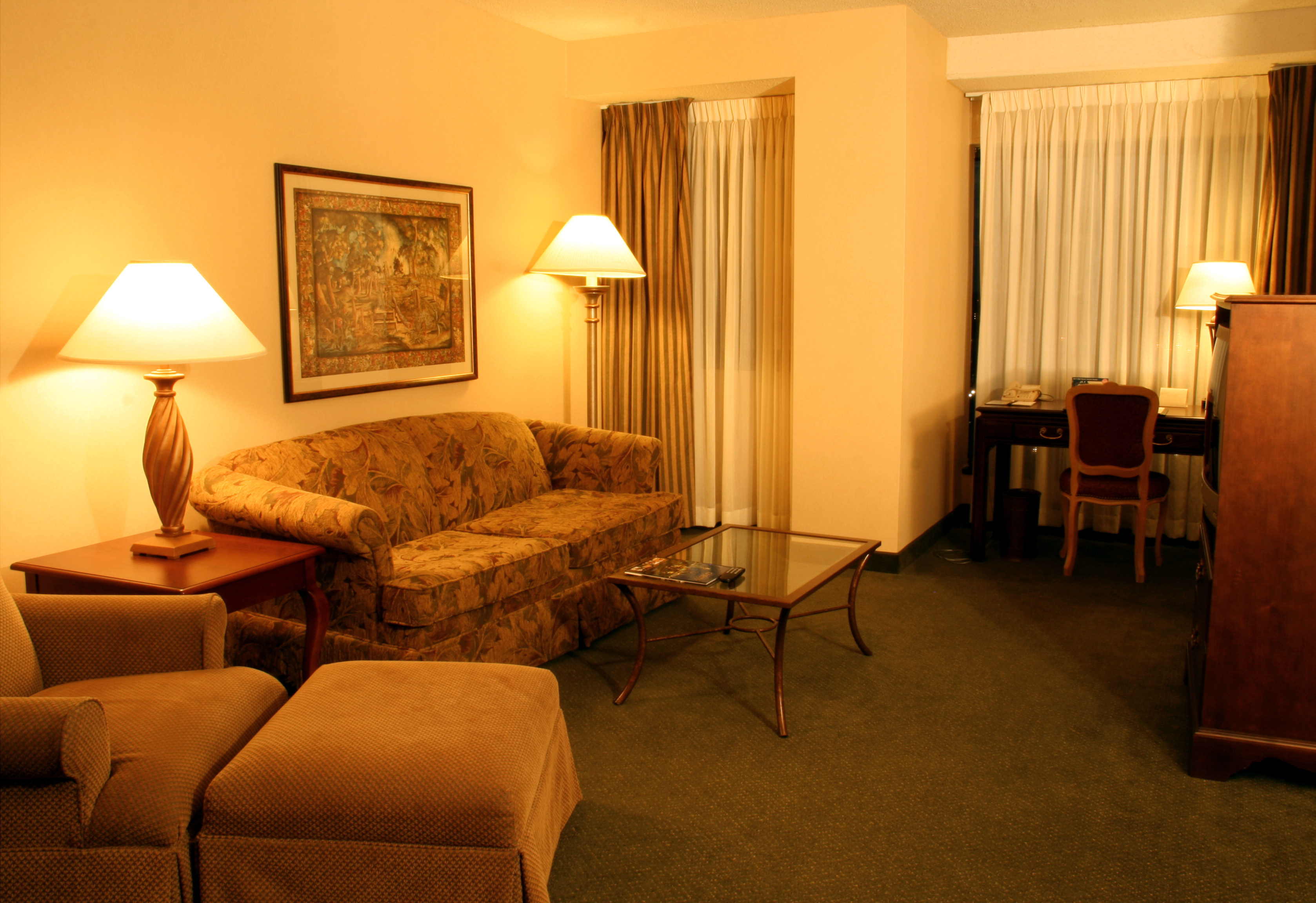
The most prominent feature of a suite is its dedicated living or sitting area. This space is often furnished with comfortable seating, such as sofas, armchairs, and coffee tables, providing a comfortable environment for lounging, reading, or socializing. For business travelers, this area can serve as a makeshift office, allowing for focused work away from the bed. Families might find it a convenient spot for children to play or for everyone to gather and relax after a day of sightseeing.
Private Bedroom
Unlike a standard room, a suite typically features a completely enclosed, private bedroom. This ensures a greater degree of privacy and allows guests to separate their sleeping quarters from their daytime activities. The bedroom itself is usually appointed with a comfortable bed, bedside tables, and often additional amenities like a television or a vanity area. The separation offers a quiet sanctuary for rest, undisturbed by the activities in the living space.
Enhanced Amenities and Space
Beyond the spatial division, suites often come with an array of enhanced amenities and a generally higher standard of furnishings and decor. This can include upgraded toiletries, plush bathrobes and slippers, larger televisions, and a more comprehensive minibar. The overall ambiance tends to be more sophisticated, reflecting the premium nature of the accommodation.
Types of Hotel Suites
The world of hotel suites is diverse, with various types catering to different needs and preferences. From the compact yet distinguished “junior suite” to the expansive and opulent “presidential suite,” there’s a suite for almost every occasion.
Junior Suite
The junior suite, often also referred to as a mini-suite or executive suite, represents a step up from a standard room without the full separation of a larger suite. It typically offers a more spacious room than a standard accommodation and may feature a distinct sitting area separated by furniture rather than a wall. This area is usually furnished with a sofa or comfortable armchairs and a coffee table. While the bedroom and living space are not entirely divided, the increased square footage and the designated lounge area provide a more comfortable and versatile environment. Junior suites are an excellent option for travelers who desire a bit more room and a defined relaxation space without the higher price point of a full suite.
One-Bedroom Suite
The classic one-bedroom suite embodies the core definition of a suite: a separate bedroom and a distinct living room. This configuration offers a clear division between sleeping and common areas, providing excellent privacy and functionality. The living room is usually well-appointed and can be used for informal meetings, entertaining guests, or simply relaxing. This type of suite is ideal for couples seeking a romantic getaway, business travelers who need a dedicated workspace, or families who appreciate having a separate area for children to sleep while adults enjoy the living space.
Two-Bedroom Suite and Larger
For families, groups of friends, or those requiring even more space and privacy, suites with multiple bedrooms are available. These expansive accommodations offer multiple private sleeping quarters, each typically with its own en-suite bathroom, and a generous shared living area. This allows each guest or couple to have their own private retreat while still providing ample space for communal activities. These larger suites are often found in luxury hotels and resorts, such as those in Aspen or Maui, and are perfect for extended stays or special occasions.
Specialty Suites
Beyond the standard configurations, hotels often offer unique and themed specialty suites designed to provide an unforgettable experience. These can include:
Presidential Suite
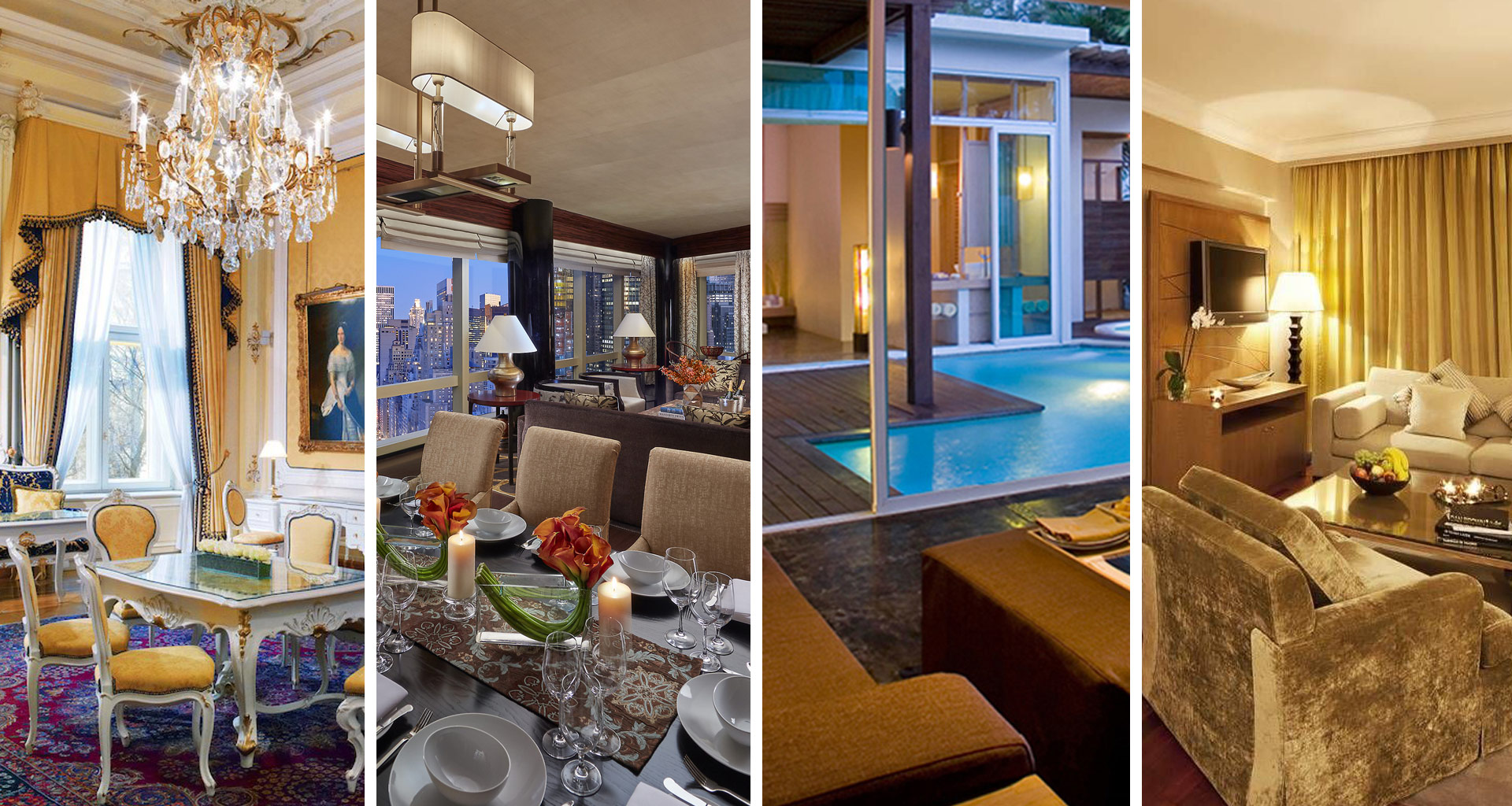
The presidential suite is the pinnacle of hotel luxury and prestige. These suites are typically the largest and most elaborately appointed accommodations in a hotel. They often feature multiple bedrooms, expansive living and dining areas, a full kitchen or kitchenette, and sometimes even private balconies with stunning views. The decor is usually of the highest quality, and the amenities are unparalleled, often including personalized butler service and exclusive access to hotel facilities. These suites are named as such due to their frequent use by visiting dignitaries and heads of state, offering the utmost in security, comfort, and exclusivity. Many renowned hotels, like the Waldorf Astoria New York, are famous for their iconic presidential suites.
Penthouse Suite
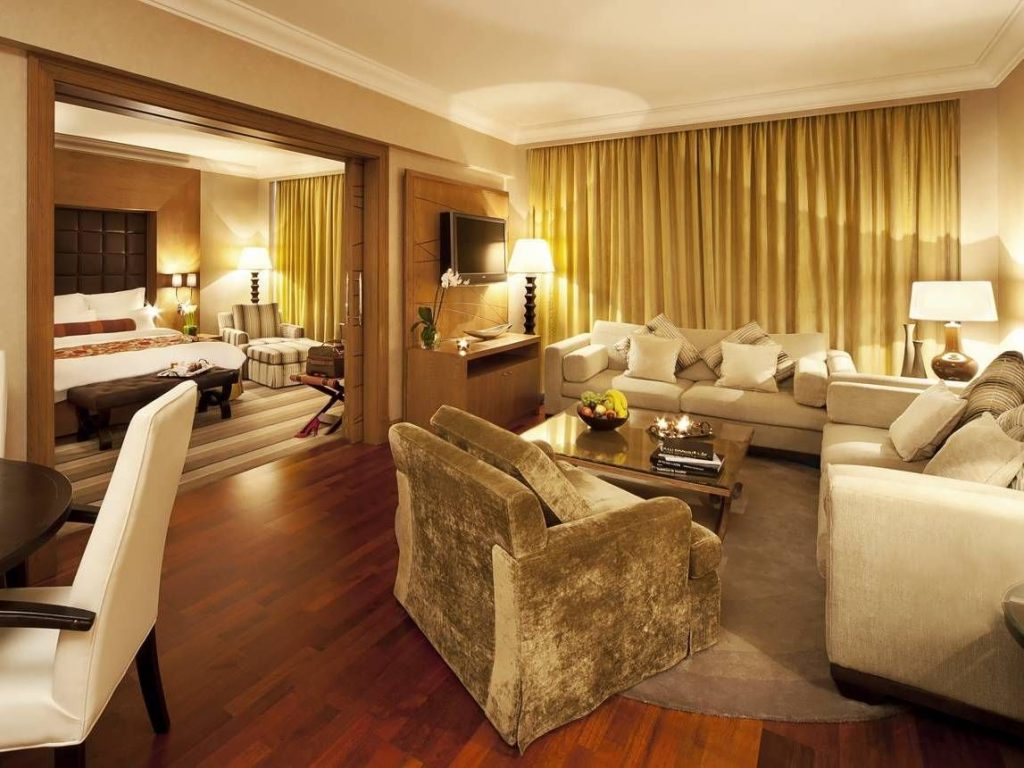
Similar to presidential suites in their opulence and size, penthouse suites are typically located on the top floor of a building, offering breathtaking panoramic views of the city or surrounding landscape. They often boast spacious outdoor terraces or balconies, further enhancing the luxurious experience. These suites are designed for ultimate indulgence and often feature high-end designer furnishings, state-of-the-art entertainment systems, and a level of service that caters to the most demanding guests.
Theme Suites
Some hotels get creative with their suite offerings, designing “theme suites” based on popular culture, historical periods, or specific interests. These might include suites inspired by iconic movies, dedicated to a particular sport, or designed to evoke the ambiance of a different era. While less common, these themed suites can offer a truly unique and memorable stay for guests seeking something out of the ordinary.
The Benefits of Choosing a Suite
Opting for a hotel suite over a standard room provides a multitude of advantages that can significantly enhance a travel experience. The increased space and thoughtful design translate into greater comfort, flexibility, and often a more productive or relaxing stay.
Enhanced Comfort and Space
The most obvious benefit is the sheer increase in living space. Having a separate area to relax, work, or dine in, distinct from the sleeping quarters, offers a level of comfort that a standard room simply cannot match. This is particularly valuable for longer stays, where the ability to spread out and establish a sense of “home” is crucial. For families traveling with children, the separate living area can be a sanity saver, providing a place for parents to unwind after the kids have gone to bed.
Increased Functionality and Versatility
Suites offer enhanced functionality for various needs. Business travelers can utilize the separate living area as a dedicated workspace, holding informal meetings or catching up on emails without disturbing their sleep environment. The presence of a dining table, often found in larger suites, allows for private meals or room service enjoyed in a more formal setting. For those entertaining visiting friends or colleagues, a suite provides a more appropriate and private venue than a standard hotel room.
Added Privacy and Seclusion
The physical separation of the bedroom from the living area inherently provides a greater sense of privacy. This is especially beneficial for couples or individuals who value their personal space. It allows one person to sleep while another reads or works in the adjoining living area without disturbance. For those who prefer not to be seen by hotel staff or other guests in their immediate personal space, the distinct zones of a suite offer a welcome layer of seclusion.
Potential for Cost-Effectiveness (for Groups)
While a suite is generally more expensive than a standard room, it can become cost-effective when traveling with others. For a family or a group of friends, booking one larger suite can often be more economical than booking multiple individual rooms, especially when considering the shared living space and amenities. This makes suites a viable option for group travel, offering both savings and a more integrated shared experience.
Luxury and Indulgence
Beyond the practical benefits, choosing a suite is often about indulging in a more luxurious and pampered experience. The higher quality furnishings, upgraded amenities, and generally more refined atmosphere contribute to a sense of specialness. It elevates the hotel stay from a functional necessity to a memorable part of the travel experience. For special occasions like anniversaries or milestone birthdays, a suite can transform a hotel stay into a celebration.
Considerations When Booking a Suite
While the allure of a hotel suite is undeniable, a few practical considerations should be taken into account to ensure it aligns with your needs and budget.
Cost
The most significant factor is, of course, cost. Suites are priced higher than standard rooms due to their increased size, superior amenities, and often prime location within the hotel. It’s essential to compare the price of a suite with booking multiple standard rooms to determine the most economical option for your group. Always check for package deals or promotions that might make a suite more accessible.
Actual Space and Layout
While the term “suite” implies separation, the degree of separation and the actual layout can vary significantly. A junior suite might have a partitioned area rather than a fully enclosed room. It’s always advisable to examine floor plans or photos of the specific suite you are considering. Understanding the exact configuration will help manage expectations and ensure the layout meets your requirements for privacy and functionality.
Hotel Amenities and Services
The availability of specific amenities within the suite, such as a kitchenette, dining table, or multiple bathrooms, should be confirmed. Additionally, consider the hotel’s overall amenities and services that complement the suite experience, such as room service, concierge services, or on-site dining options. A suite at a well-appointed resort like the Ritz-Carlton, Bali can offer a vastly different experience than one at a boutique hotel in Paris.
Purpose of Travel
Finally, the purpose of your trip should guide your decision. For a short business trip where the primary focus is on rest, a standard room might suffice. However, for a family vacation, a romantic escape, or a trip requiring work and entertaining, the added benefits of a suite at a property like the Four Seasons Hotel George V Paris can be invaluable. By carefully weighing these factors, travelers can make an informed choice and truly leverage the advantages that a hotel suite offers.
LifeOutOfTheBox is a participant in the Amazon Services LLC Associates Program, an affiliate advertising program designed to provide a means for sites to earn advertising fees by advertising and linking to Amazon.com. Amazon, the Amazon logo, AmazonSupply, and the AmazonSupply logo are trademarks of Amazon.com, Inc. or its affiliates. As an Amazon Associate we earn affiliate commissions from qualifying purchases.