
Planning a trip to the Lone Star State? Whether you’re drawn by the vibrant Austin music scene, the historical depths of San Antonio, the sprawling ranches near Fort Worth, or the dazzling lights of Houston, Texas offers an unparalleled travel experience. From world-class hotels and luxurious resorts to charming apartments and exclusive villas, the state boasts a diverse range of accommodation options to suit every traveler’s needs and budget. You might be seeking a high-end lifestyle experience with a focus on luxury travel, or perhaps a more budget-friendly adventure exploring family trips and local tourism. Whatever your preference, understanding the financial landscape, including Texas taxes, can enhance your planning and overall enjoyment.
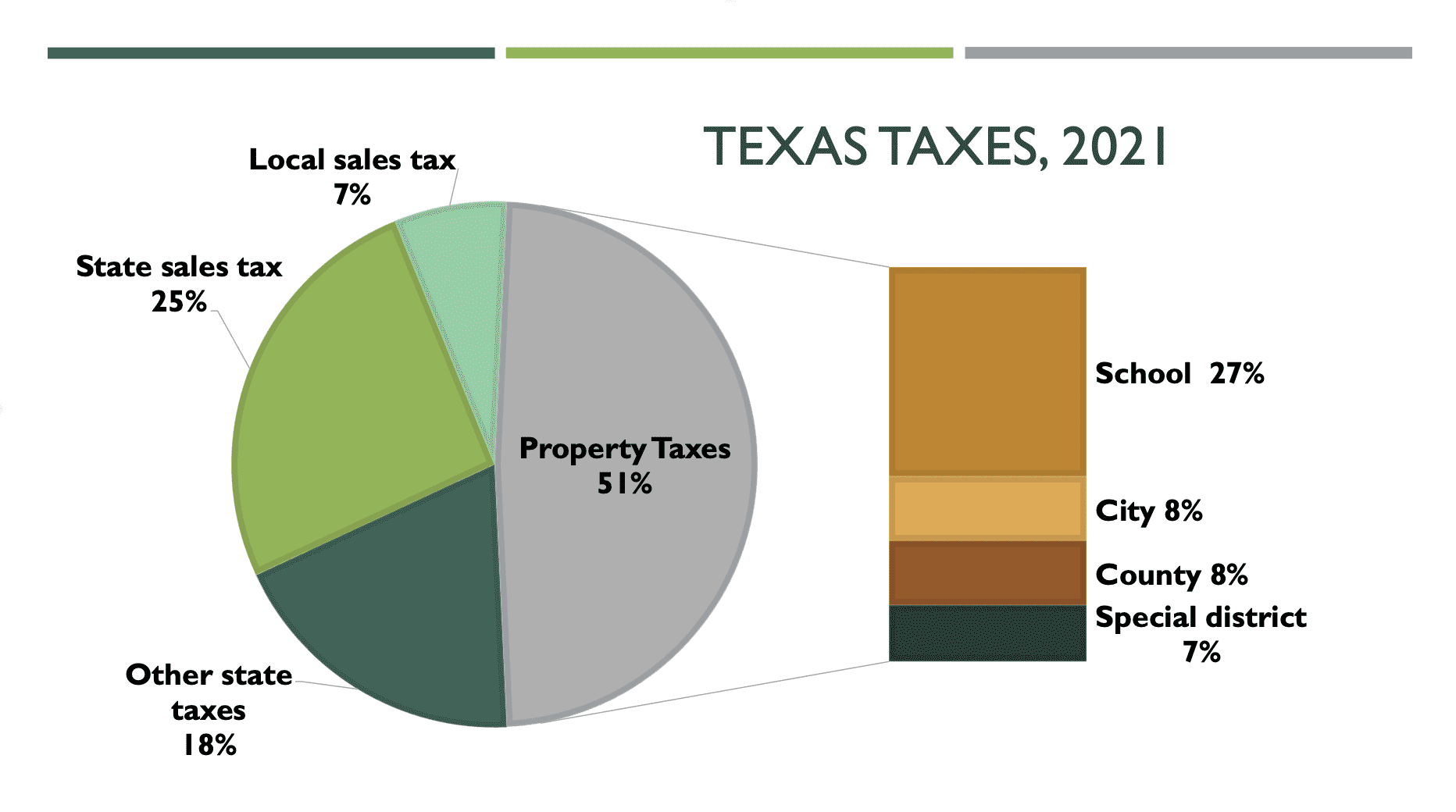
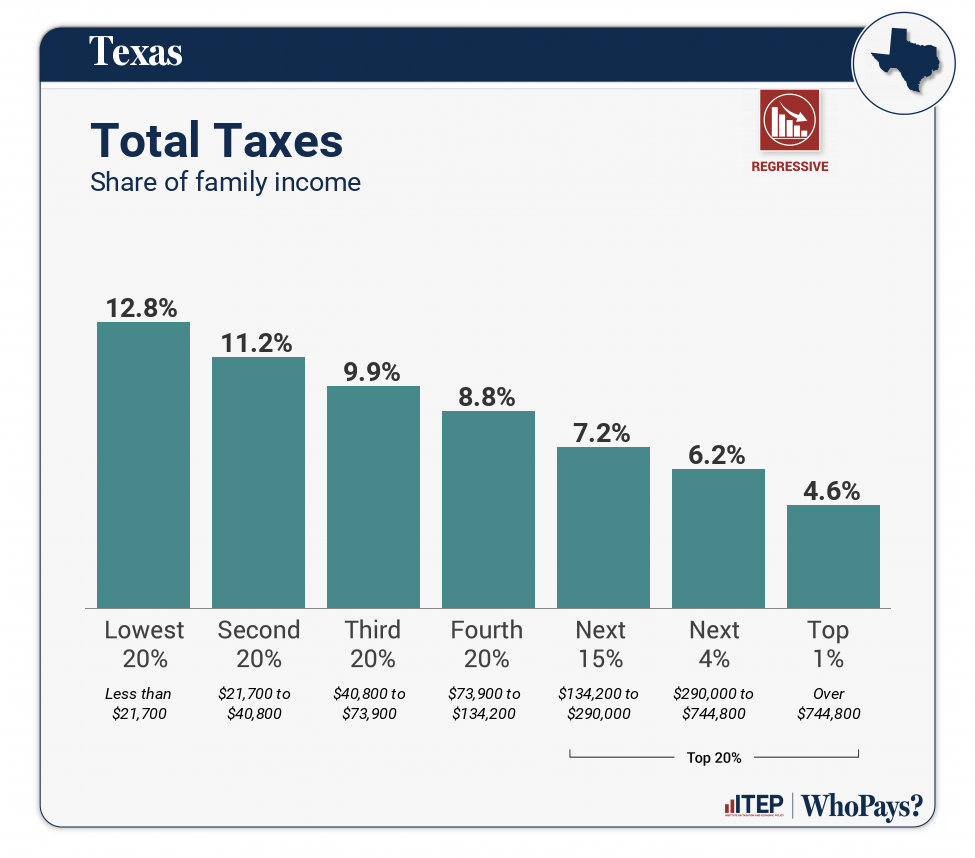
While Texas is famously known for not having a state income tax, this doesn’t mean you’re entirely free from tax considerations when you visit or reside there. The state and local governments generate revenue through a variety of other means, primarily through sales and property taxes. For travelers, understanding these taxes is crucial for budgeting for attractions, experiences, food, and your chosen accommodation. For those considering a longer stay, perhaps a long-term stay in an apartment or even purchasing property, a deeper dive into property tax implications becomes essential. This guide will navigate you through the various tax structures you’re likely to encounter in Texas, ensuring your exploration of its famous places, landmarks, and rich local culture is both enriching and financially transparent.
Understanding Texas Sales Tax
One of the most direct and noticeable taxes for visitors in Texas is the sales tax. This tax is levied on the sale of most tangible goods and some services. Unlike many other states, Texas does not have a single statewide sales tax rate. Instead, it’s a combination of state, county, and city rates, which can lead to variations depending on your exact location. This means the price you see on a tag might be lower than the price you pay at the register, especially in popular tourist destinations.
The Components of the Texas Sales Tax
The state of Texas imposes a base state sales tax rate. However, this rate is then augmented by local taxes, including those imposed by counties and cities. This layered approach allows local municipalities to generate revenue to fund essential services, such as schools, roads, and public safety, which directly contribute to the quality of tourism infrastructure and the overall lifestyle experience in their areas.
At its core, the state sales tax rate in Texas is set. However, the total rate you’ll pay is a sum of the state rate, plus any applicable county and municipal sales taxes. This can mean that shopping for souvenirs in one city might result in a slightly different tax burden than in another, even for the same item. Understanding these variations can be particularly helpful when planning significant purchases or when considering the cumulative cost of various experiences.
What is Taxable?
Generally, most tangible personal property sold within Texas is subject to sales tax. This includes everything from clothing and electronics to souvenirs and gifts you might pick up at a museum shop or a boutique in Galveston. For tourism purposes, this means that admission fees to many attractions, such as theme parks, museums, and even some concert venues, are also subject to sales tax. If you’re dining out at one of Texas‘s famed barbecue joints or exploring the culinary delights of Houston, the food and beverages you consume will also carry this sales tax.
However, there are exceptions and nuances. For instance, groceries intended for home consumption are typically exempt from state sales tax, though local taxes may still apply. Likewise, certain services, like professional fees for lawyers or accountants, are generally not subject to sales tax, while others, such as hotel stays and car rentals, are.
Accommodation and Sales Tax
For travelers focusing on accommodation, understanding how sales tax applies to your hotel stay is paramount. The room rate you see advertised for The Driskill in Austin or a suite at the Grand Hyatt Hotel in San Antonio will have sales tax added at checkout. This applies to a wide range of accommodation types, including suites, standard hotel rooms, resorts, and even apartments or villas rented for short-term stays. The rate will depend on the specific location of the property, as it will include the state rate plus any relevant local taxes. This is a significant consideration for budgeting, especially for longer stays or when booking more luxurious accommodation like a resort with extensive amenities.
Tourist-Specific Considerations
When exploring Texas‘s landmarks, famous places, and nature reserves, you’ll find that entrance fees to many attractions are taxable. This includes historical sites like the Alamo in San Antonio, natural wonders like Big Bend National Park, and cultural institutions scattered across the state. If you’re attending a festival, a sporting event, or a performance, the ticket price will also include sales tax. For budget travel, it’s wise to factor these taxes into your daily expenditure. For family trips, understanding these costs upfront can help manage expectations and budgets for outings and entertainment.
Property Taxes in Texas
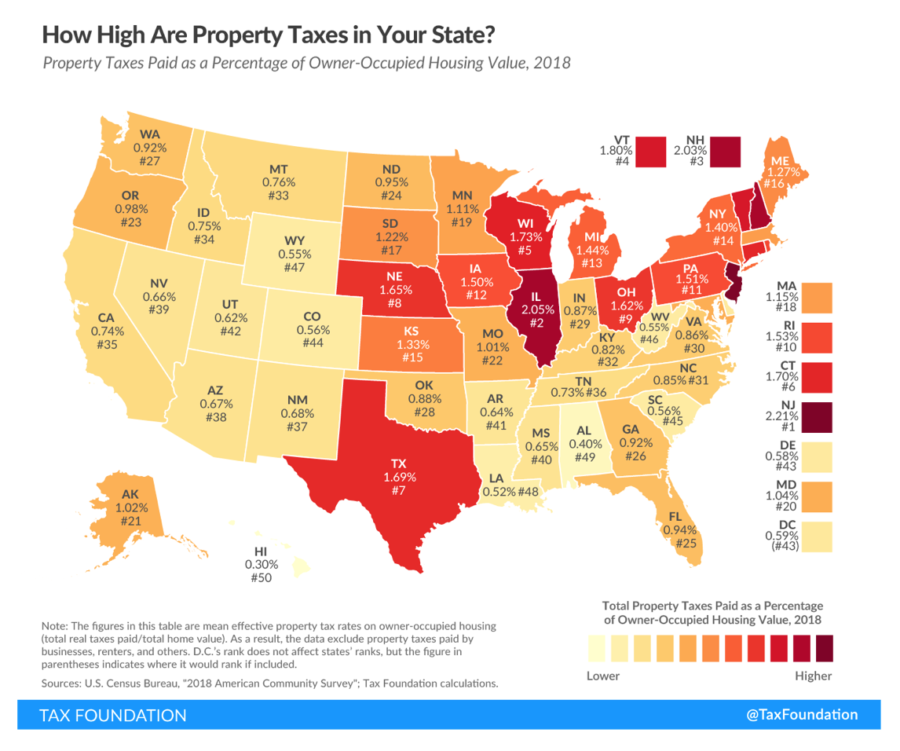
While sales tax is a primary concern for short-term visitors, property taxes become a more significant factor for those considering long-term stay options, purchasing accommodation, or even for businesses operating within the state. Texas does not have a state-level property tax. However, local governments—counties, cities, and school districts—levy their own property taxes. These taxes are a major source of funding for local services, including public education, which is a cornerstone of Texas communities.
How Property Taxes Work
In Texas, property taxes are based on the assessed value of real estate and, in some cases, personal property. Property owners are taxed on the value of their property after any applicable exemptions. The rate, known as the property tax rate or millage rate, is set by each taxing entity. This rate is then applied to the assessed value of the property to determine the tax bill.
The assessment process involves appraisals of property values. These appraisals can be conducted by county appraisal districts. Property owners have the right to protest their appraised value if they believe it to be inaccurate. Exemptions, such as homestead exemptions for primary residences, can reduce the taxable value of a property, thereby lowering the tax burden. For those exploring lifestyle choices that involve homeownership or extended stays that might feel like residency, understanding these exemptions is vital.
Implications for Long-Term Stays and Investment
For individuals planning a long-term stay in a rented apartment or considering investing in accommodation like a villa or a vacation home, property taxes, though typically paid by the owner, can indirectly affect rental rates. If you are purchasing property, understanding the local property tax rates in areas like Dallas, Houston, or the Texas Hill Country is crucial for financial planning. These taxes can represent a substantial ongoing expense, and their variability across different cities and counties necessitates thorough research for anyone looking to invest or settle down in Texas. The rates can differ significantly, impacting the overall cost of ownership and the feasibility of certain lifestyle choices.
Other Taxes and Fees
Beyond sales and property taxes, Texas has other tax structures and fees that might be relevant to travelers and residents, depending on their activities. These can range from specific industry taxes to fees associated with certain services.
Vehicle Taxes and Fees
If you’re renting a car for your explorations, you’ll encounter taxes and fees associated with vehicle rentals. These typically include state and local sales taxes on the rental cost, as well as potentially other surcharges levied by the rental company or the airport. For those considering bringing their own vehicle into Texas or purchasing one there, Texas has a vehicle sales tax and annual registration fees that apply. These contribute to road maintenance and other transportation-related infrastructure, indirectly supporting the tourism sector by ensuring travel routes are well-maintained.
Hotel Occupancy Tax (HOT)
In addition to the general state and local sales tax, hotels and other lodging establishments in Texas are subject to a Hotel Occupancy Tax (HOT). This tax is levied on the privilege of occupying a room in a hotel. The HOT is collected by the lodging establishment and remitted to the state and local governments. The rates can vary by city and county, and revenue generated from the HOT is often dedicated to promoting tourism and improving attractions and experiences within that locality. So, when you check out of your resort or hotel in Dallas or Galveston, a portion of your bill will be attributed to this specific tax, directly contributing to the funding of tourism initiatives.
State and Local Fees
Various state and local agencies also levy fees for specific services or permits. For example, entrance fees to state parks like Palo Duro Canyon State Park or Mustang Island State Park are common. These fees, while not always classified as taxes, function similarly in that they represent a cost to access certain public goods or services. Understanding these various charges is part of a comprehensive approach to budgeting for your Texas adventure, ensuring that your travel plans, whether focused on nature, history, or food, are financially sound.
In conclusion, while Texas offers the attractive proposition of no state income tax, a clear understanding of its sales and property tax structures, along with specific fees like the Hotel Occupancy Tax, is essential for any visitor or potential resident. These taxes are vital for funding the infrastructure, services, and attractions that make Texas such a dynamic and appealing destination, from its bustling cities and historical landmarks to its diverse lifestyles and unforgettable experiences. Being informed empowers you to budget effectively and fully enjoy all that the Lone Star State has to offer.
LifeOutOfTheBox is a participant in the Amazon Services LLC Associates Program, an affiliate advertising program designed to provide a means for sites to earn advertising fees by advertising and linking to Amazon.com. Amazon, the Amazon logo, AmazonSupply, and the AmazonSupply logo are trademarks of Amazon.com, Inc. or its affiliates. As an Amazon Associate we earn affiliate commissions from qualifying purchases.