
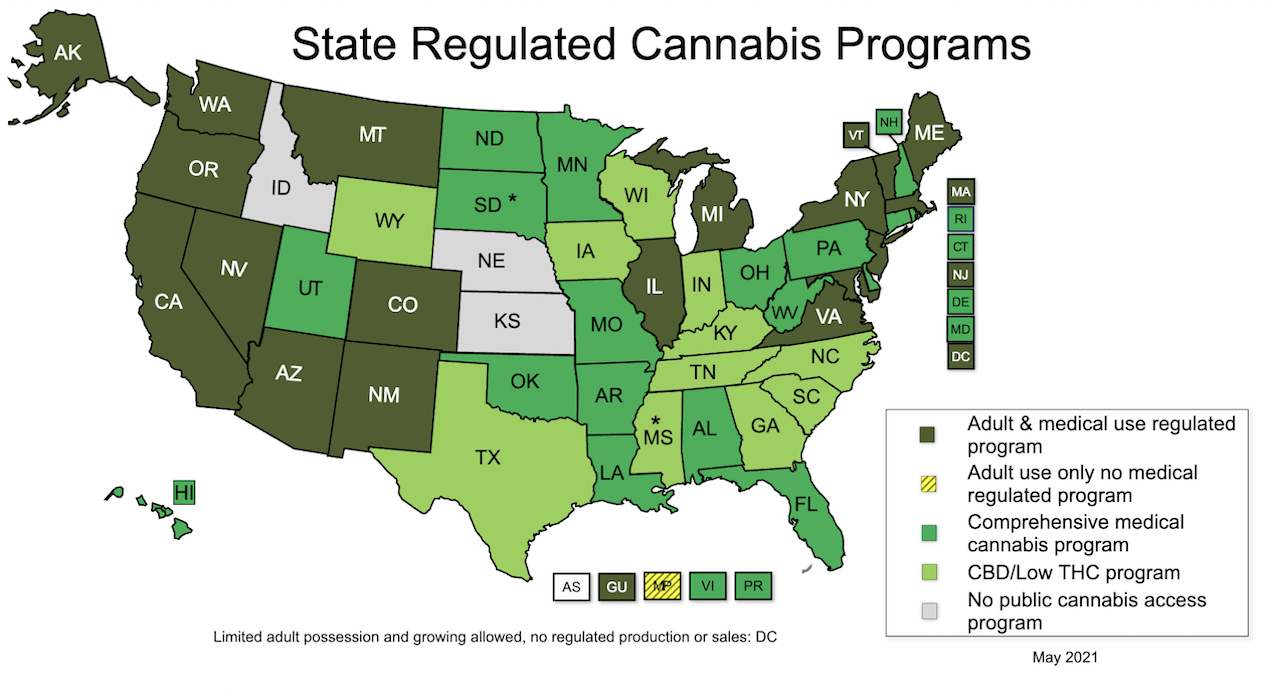
The landscape of health and wellness in Alabama has evolved significantly with the legalization of medical cannabis. For many residents, understanding the qualifying conditions for medical marijuana is a crucial step toward exploring new avenues for managing chronic pain, debilitating illnesses, and improving their overall quality of life. Enacted as Darby’s Law in 2021, the Alabama Medical Cannabis Commission (AMCC) oversees the state’s program, providing a regulated framework for patients to access therapeutic cannabis products. This shift represents a pivotal moment for personal health management, offering an alternative pathway to relief under strict medical supervision. For those in Alabama considering medical cannabis as part of their lifestyle choices for well-being, knowing the specific conditions is paramount.

Navigating Alabama’s Medical Cannabis Program
The implementation of Darby’s Law in Alabama was a carefully considered legislative effort, aiming to provide compassionate care while maintaining rigorous controls. The law established the Alabama Medical Cannabis Commission (AMCC), which is responsible for regulating all aspects of the medical cannabis program, from cultivation and processing to dispensing and patient registration. This structured approach ensures product quality, patient safety, and adherence to legal guidelines, fostering an environment where medical cannabis can be integrated responsibly into a patient’s health regimen.
The Role of the AMCC
The AMCC plays a critical role in shaping the medical cannabis landscape. Its responsibilities include licensing cultivators, processors, dispensaries, and testing laboratories. Furthermore, the AMCC is tasked with developing and enforcing regulations that govern product standards, packaging, labeling, and dispensing limits. This oversight is vital for patient confidence, guaranteeing that products available through licensed dispensaries meet stringent quality and safety requirements. For Alabama residents, engaging with the medical cannabis program means navigating a system designed with their well-being at its core, under the careful guidance of this regulatory body. Understanding the commission’s function instills a sense of security and clarity for those considering this therapeutic option as part of their lifestyle.
Physician Certification and Patient Registration
Access to medical cannabis in Alabama is strictly mediated through licensed physicians. Patients must obtain a recommendation from a physician who has completed a specific training course provided by the state. This ensures that doctors are well-informed about the medical use of cannabis, its potential benefits, and contraindications. After receiving a physician’s certification, patients can then apply for a medical cannabis card through the AMCC. This card is essential for legally purchasing medical cannabis products from state-licensed dispensaries. The process is designed to be thorough, ensuring that medical cannabis is prescribed appropriately and responsibly, aligning with a lifestyle of informed health decisions. This robust certification and registration system underscores Alabama’s commitment to a carefully managed medical cannabis program, prioritizing patient safety and therapeutic efficacy.
The 15 Qualifying Conditions for Medical Cannabis
Alabama’s medical cannabis law specifies 15 conditions that qualify a patient for a medical cannabis card. These conditions represent a range of debilitating or chronic illnesses for which conventional treatments may have proven ineffective or for which cannabis has demonstrated therapeutic potential. The inclusion of these specific conditions reflects a medical and legislative consensus on the appropriate application of cannabis as medicine. For individuals living with these health challenges, medical cannabis offers a new potential avenue for improving their daily lives and managing symptoms, thereby profoundly impacting their lifestyle.
Chronic Pain and Neurological Disorders
Several qualifying conditions fall under the umbrella of chronic pain and neurological disorders, reflecting the recognized efficacy of cannabis in managing such symptoms.
- Cancer-related cachexia or chronic nausea: Often a devastating side effect of cancer and its treatments, leading to significant weight loss and discomfort.
- Tourette’s Syndrome: A neurological disorder characterized by involuntary movements and vocalizations.
- Autism Spectrum Disorder: Specifically, when accompanied by aggressive behavior or self-injury.
- Crohn’s Disease: A chronic inflammatory bowel disease that can cause severe abdominal pain, fatigue, and weight loss.
- Epilepsy or a condition causing intractable seizures: For patients whose seizures are not adequately controlled by other medications.
- Multiple Sclerosis: A chronic disease affecting the brain and spinal cord, leading to symptoms like muscle weakness, numbness, and coordination problems.
- Parkinson’s Disease: A progressive nervous system disorder that affects movement.
- Sickle Cell Anemia: A genetic blood disorder causing chronic pain episodes.
- Spasticity associated with Multiple Sclerosis or a spinal cord injury: Involuntary muscle stiffness and spasms that can severely impair mobility and comfort.
- Post-traumatic stress disorder (PTSD): For individuals experiencing severe and debilitating symptoms.
- Terminal illness: Where the patient’s life expectancy is less than six months.
- Conditions causing chronic pain: When traditional treatments have failed and the pain significantly impairs daily life. This is a broad category that can encompass various underlying causes of persistent discomfort.
- Opioid Use Disorder: Specifically, as a harm reduction strategy for patients seeking to reduce or discontinue opioid use, under strict medical supervision.
Other Debilitating Conditions
Beyond neurological and chronic pain, Alabama’s law also addresses other severe conditions where medical cannabis may offer significant therapeutic benefits, enhancing the patient’s lifestyle by alleviating distressing symptoms.
- AIDS or HIV-related nausea or weight loss: Similar to cancer-related cachexia, these conditions can severely impact a patient’s quality of life.
- Amyotrophic lateral sclerosis (ALS): A progressive neurodegenerative disease that affects nerve cells in the brain and spinal cord, leading to muscle weakness and atrophy.

Each of these conditions represents a significant challenge to an individual’s well-being and daily functioning. The availability of medical cannabis provides a new therapeutic option, potentially offering relief and improving the lifestyle quality for those eligible patients across Alabama.
Product Types and Dispensing
Once certified and registered, patients in Alabama gain access to a range of medical cannabis products designed to meet diverse medical needs and preferences. The types of products available are carefully regulated by the AMCC to ensure safety, consistency, and appropriate dosing. This regulation is crucial for patients, as it helps them integrate medical cannabis effectively and safely into their daily lifestyle.
Approved Forms of Medical Cannabis
Alabama’s law permits several forms of medical cannabis, each offering different onset times and durations of effect, allowing physicians and patients to tailor treatment to specific conditions and symptoms.
- Tablets, capsules, and tinctures: These oral forms offer precise dosing and a discreet way to consume cannabis, with effects typically manifesting within an hour or two and lasting several hours. They are ideal for systemic relief and consistent symptom management throughout the day.
- Gels, creams, and transdermal patches: Topical applications are excellent for localized pain relief and inflammation without significant psychoactive effects. Patches offer a slow, sustained release of cannabinoids into the bloodstream, providing prolonged therapeutic benefits.
- Suppositories: These are particularly useful for patients who cannot take oral medications or require rapid absorption for conditions affecting the digestive or reproductive systems.
- Nebulizers (non-whole flower): While the smoking of cannabis flower is prohibited, nebulizers allow for the inhalation of cannabis compounds without combustion, offering a faster onset of action than oral forms.
- Chewable tablets, lozenges, or oils: These offer variations on oral consumption, often with specific flavor profiles or ease of use for certain patient populations.
It is important to note that smoking or vaping medical cannabis flower is strictly prohibited under Alabama law, reflecting a public health stance on inhalation methods. The focus is on controlled, safer delivery mechanisms that maximize therapeutic benefits while minimizing potential risks.
The Role of Licensed Dispensaries
Licensed dispensaries are the only legal points of sale for medical cannabis in Alabama. These facilities are regulated to ensure product authenticity, proper storage, and professional patient interaction. Dispensary staff, often referred to as “dispensary agents,” are trained to assist patients with product selection based on their physician’s recommendation and individual needs. They can provide guidance on different product forms, cannabinoid profiles (e.g., THC, CBD ratios), and consumption methods. This personalized guidance is invaluable for patients, especially those new to medical cannabis, helping them confidently incorporate it into their health and wellness lifestyle. The stringent regulations governing dispensaries ensure that patients receive high-quality, safe, and effective products, contributing to a trustworthy medical cannabis program in Alabama.
Impact on Lifestyle and Well-being in Alabama
The introduction of medical cannabis in Alabama marks a significant advancement in healthcare options, profoundly impacting the lifestyle and well-being of eligible residents. For many, it represents a new hope for managing intractable conditions that have long diminished their quality of life. The ability to legally access a therapeutic alternative can lead to improved symptom control, reduced reliance on more potent pharmaceuticals, and a greater sense of autonomy over one’s health journey.
Enhanced Quality of Life
For patients suffering from chronic pain, severe nausea, spasticity, or the debilitating symptoms of neurological disorders, medical cannabis can offer much-needed relief. This relief is not merely symptomatic; it can translate into an enhanced ability to participate in daily activities, maintain social connections, and experience a greater sense of comfort and ease. Improved sleep patterns, reduced anxiety, and better appetite are common benefits reported by patients, all of which contribute to a more fulfilling and engaged lifestyle. The discreet and precise dosing options available through approved product forms further allow patients to manage their conditions without undue disruption to their daily routines.
A New Dimension of Health Management
The Alabama medical cannabis program provides a structured and legitimate pathway for patients to explore cannabis as a complementary or alternative therapy. This integration into mainstream healthcare, albeit with specific regulations, validates its therapeutic potential and empowers patients to make informed decisions about their health. For many, this means a shift away from potentially addictive or harsh pharmaceuticals, embracing a more holistic approach to wellness. The stringent oversight by the AMCC and the requirement for physician certification ensure that this new dimension of health management is pursued responsibly and safely. Ultimately, for those living with qualifying conditions in Alabama, medical cannabis offers a beacon of hope, promising a path towards improved health, greater comfort, and a richer, more active lifestyle.
LifeOutOfTheBox is a participant in the Amazon Services LLC Associates Program, an affiliate advertising program designed to provide a means for sites to earn advertising fees by advertising and linking to Amazon.com. Amazon, the Amazon logo, AmazonSupply, and the AmazonSupply logo are trademarks of Amazon.com, Inc. or its affiliates. As an Amazon Associate we earn affiliate commissions from qualifying purchases.