
In the dynamic world of accommodation, where guest comfort reigns supreme, understanding the nuances of bedding is paramount. Among the various bed sizes, the California King stands out, offering an unparalleled sleeping experience, especially for taller individuals. However, its unique dimensions often lead to confusion when selecting appropriate bedding, particularly comforters. For any establishment aiming to provide a superior sleep environment, from boutique hotels to luxury villas or even long-term executive apartments, knowing the precise dimensions of a California King comforter is not just a detail—it’s a fundamental aspect of guest satisfaction and operational efficiency.
The allure of a California King bed lies in its expansive length, designed to accommodate sleepers who find standard King beds a bit too short. This extra length demands specially sized bedding to ensure proper coverage, warmth, and aesthetic appeal. An ill-fitting comforter can detract from the overall sleep experience, leaving guests feeling uncovered or the bed looking unkempt. This guide delves into the specific dimensions, variations, and critical considerations for selecting the ideal California King comforter, ensuring your accommodation offers nothing short of perfection.
Understanding the California King Bed and Its Unique Appeal
The California King bed has carved a niche in the luxury accommodation sector, revered for its spaciousness and particular appeal to a specific demographic. Originating from the American West Coast, this bed size was designed to address a common desire for more sleeping length without necessarily sacrificing too much width, making it a distinctive offering in high-end suites and master bedrooms.
The Origin and Purpose of the California King
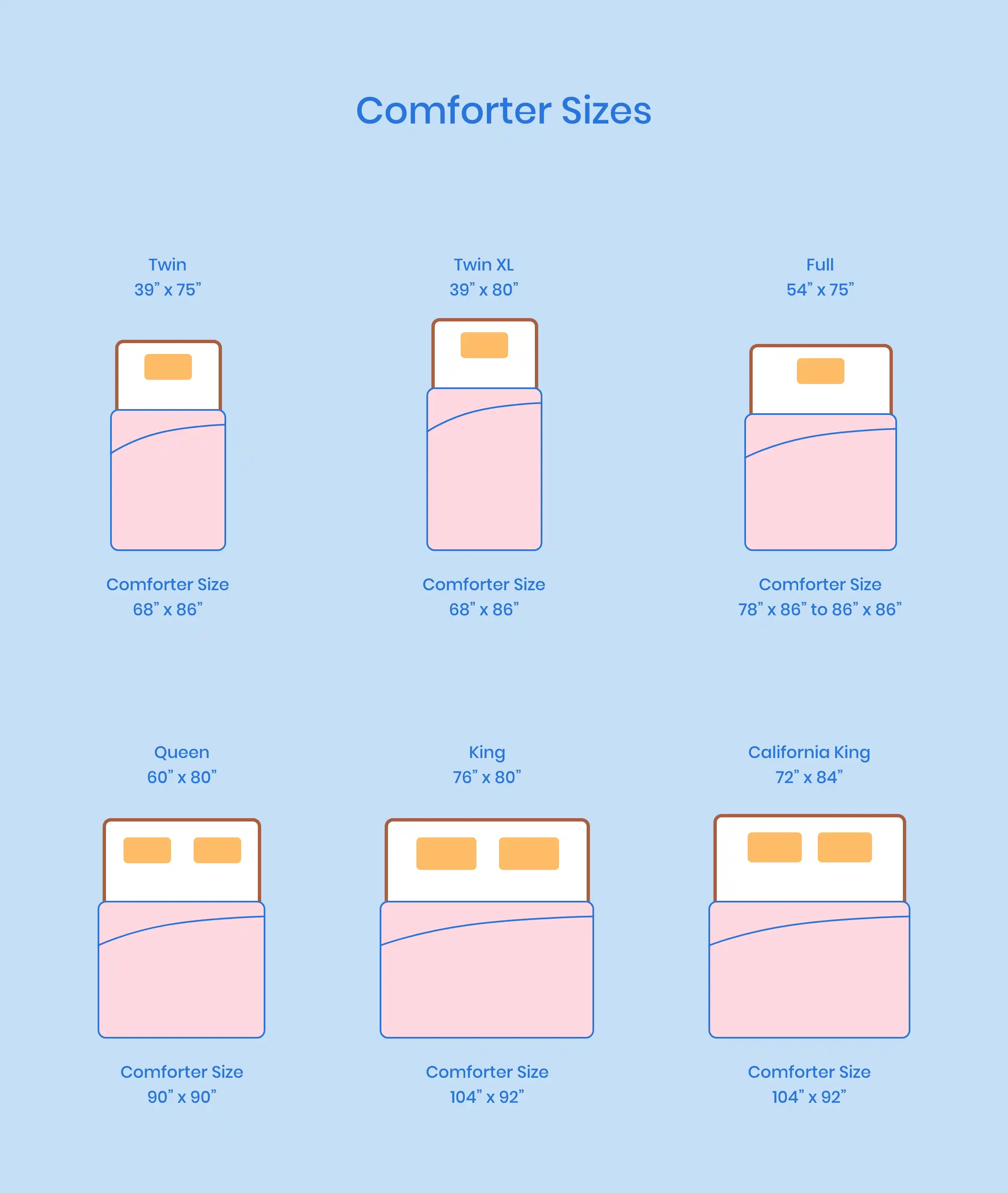
Unlike its broader counterpart, the standard King, the California King typically measures 72 inches wide by 84 inches long (183 cm x 213 cm). This makes it 4 inches narrower but 4 inches longer than a standard King bed (which is 76 inches wide by 80 inches long). Its genesis is often attributed to the post-World War II era in the United States, particularly among the affluent in Beverly Hills who sought larger, more comfortable sleeping arrangements for their expansive homes. The longer dimension provided ample space for taller individuals to stretch out fully, preventing their feet from dangling off the end of the bed—a common complaint with shorter mattresses. For accommodation providers, offering California King beds in select rooms or suites signals a commitment to catering to diverse guest needs and preferences, especially for those seeking an elevated sense of luxury and comfort.
Why the Extra Length Matters for Accommodation
In the hospitality industry, every detail contributes to the guest experience. The extra length of a California King bed is a significant draw for a particular segment of travelers—tall individuals, couples who prefer more legroom, or those simply accustomed to a more expansive sleeping surface at home. For properties managed by groups like Marriott International or Hilton Worldwide, offering California King beds in premium rooms can be a powerful differentiator. It’s not just about the physical dimensions but the perception of thoughtful design and superior comfort. Guests who appreciate this extra length will often seek out accommodations that provide it, leading to higher satisfaction scores and repeat bookings. Ensuring that the bedding, especially the comforter, perfectly complements these dimensions is crucial to delivering on the promise of a truly luxurious sleep environment.
Decoding California King Comforter Dimensions
The heart of the matter lies in understanding the specific measurements that define a California King comforter. Unlike fitted sheets, which must precisely match mattress dimensions, comforters offer a degree of flexibility, yet still demand adherence to certain standards to ensure optimal coverage and aesthetic appeal.
The Standard California King Comforter Size
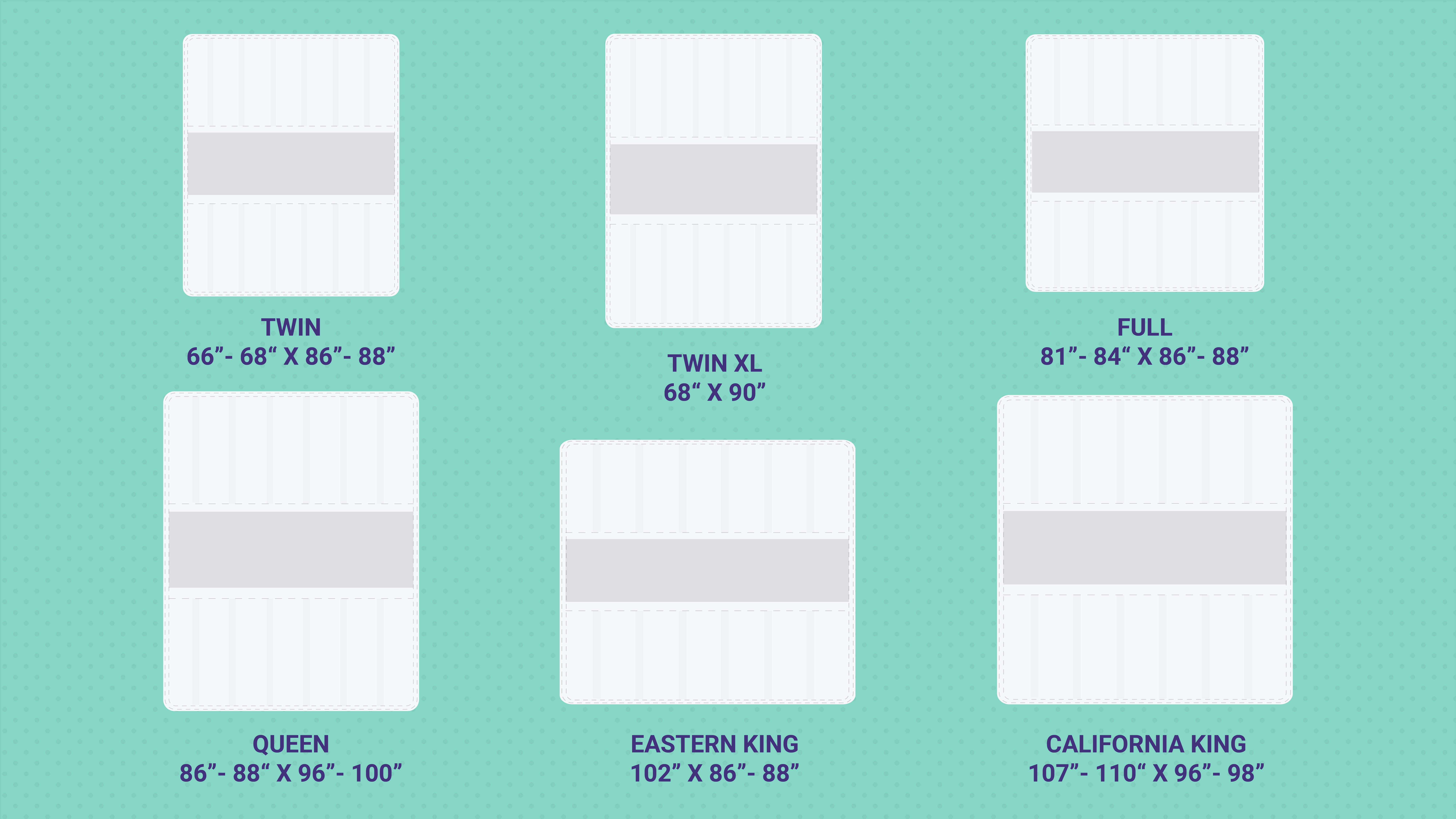
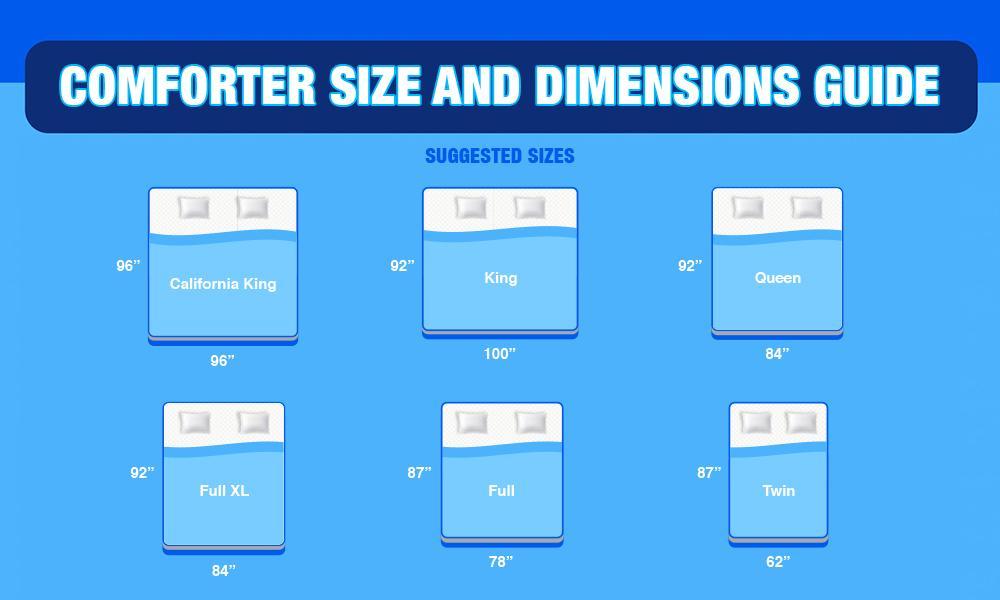
Generally, a standard California King comforter measures approximately 104 inches wide by 94 inches long (264 cm x 239 cm). This size is specifically designed to provide ample drape over the sides and foot of a 72″ x 84″ mattress, ensuring that the bed looks complete and guests remain fully covered throughout the night. The extra width and length compared to the mattress dimensions account for the mattress’s height and allow for a generous overhang, which is essential for both warmth and visual appeal in a well-made bed. It’s this generous overhang that contributes to the plush, inviting look characteristic of luxury accommodation bedding.
Variations and Considerations for Fit
While the 104″ x 94″ measurement is a widely accepted standard, it’s important for accommodation providers to be aware that comforter dimensions can vary slightly between manufacturers. Some brands might offer comforters that are 102″ x 90″ or even 108″ x 98″. These slight differences can impact the “drape” or overhang. When selecting comforters, consider the specific height of your mattresses, including any mattress toppers. A thicker mattress will require a comforter with a more generous width and length to achieve the desired drape. This is particularly relevant for high-end properties where guests expect a certain level of luxury in their bedding presentation, such as those found in a Waldorf Astoria suite. It’s always advisable to check the manufacturer’s exact specifications and, if possible, to test a sample on your specific California King bed setup.
The “Drape” Factor: Why Comforter Size Isn’t Always Exact
The concept of “drape” is critical when discussing comforter dimensions for accommodation. A comforter’s size isn’t just about covering the top of the bed; it’s about how much it hangs over the sides and foot, creating a luxurious and inviting aesthetic. For a California King bed, an ideal drape would be approximately 10-15 inches on each side and at the foot, depending on the mattress height and the desired look. For a 72-inch wide mattress, a 104-inch wide comforter provides 16 inches of overhang on each side ([104 – 72] / 2 = 16). Similarly, for an 84-inch long mattress, a 94-inch long comforter provides 10 inches of overhang at the foot (assuming the head of the comforter aligns with the head of the bed). Understanding this calculation helps in visualizing the final look and ensuring that the selected comforter meets the aesthetic and functional requirements of your establishment.
California King vs. Standard King: A Critical Comparison
The distinction between a California King and a standard King bed often causes confusion, not only for guests but also for those responsible for procuring accommodation essentials. While both offer generous space, their fundamental dimensional differences necessitate specific bedding choices. Misunderstanding these differences can lead to ill-fitting linens, compromised comfort, and an overall diminished guest experience.
Bed Dimensions: Where the Kings Diverge
The most crucial difference lies in the mattress dimensions themselves. A standard King bed measures 76 inches wide by 80 inches long. In contrast, a California King bed is 72 inches wide by 84 inches long. This means the standard King is 4 inches wider and 4 inches shorter than the California King. This difference, while seemingly small, significantly impacts the required size of all bedding, from fitted sheets to comforters. For properties like the Four Seasons Hotels and Resorts that pride themselves on meticulous attention to detail, accurately matching bedding to mattress size is non-negotiable. It prevents stretched sheets, inadequate comforter coverage, and the frustrating experience of wrestling with ill-fitting duvet covers.
Comforter Dimensions: Ensuring a Perfect Match
Given the disparity in mattress sizes, it’s logical that their respective comforters also differ.
- Standard King Comforter: Typically measures around 104 inches wide by 90 inches long (264 cm x 229 cm).
- California King Comforter: As established, it generally measures 104 inches wide by 94 inches long (264 cm x 239 cm).
While both often share a similar width, the critical difference lies in the length. A standard King comforter will be too short for a California King mattress, leaving insufficient drape at the foot and potentially exposing sleepers’ feet. Conversely, a California King comforter on a standard King bed would be slightly too long, potentially dragging on the floor or needing to be tucked in excessively, which can look cumbersome and less elegant. For accommodation managers, recognizing this distinction is vital for maintaining inventory accuracy and ensuring that each bed is dressed perfectly.
The Impact on Guest Comfort in Accommodation
The subtle differences in comforter dimensions between California King and standard King beds have a profound impact on guest comfort. Imagine a tall guest staying in a room with a California King bed, only to find the comforter barely reaches their ankles because it’s a standard King size. This seemingly minor oversight can lead to a chilly night, discomfort, and ultimately, a negative review. In the hospitality sector, where guest satisfaction is paramount, such details can make or break a stay. Providing a comforter that perfectly fits the bed ensures maximum coverage, warmth, and a sense of plush luxury that guests associate with a premium accommodation experience. It underscores the establishment’s commitment to thoughtful design and genuine care for its visitors.
Selecting the Perfect California King Comforter for Your Accommodation
Choosing the right California King comforter for an accommodation setting goes far beyond just getting the dimensions right. It involves a strategic consideration of materials, construction, aesthetics, and practicality to ensure both guest satisfaction and operational longevity. The comforter is a central element of the bed, profoundly influencing the room’s ambiance and the guest’s perception of comfort and luxury.
Material and Fill: Enhancing the Guest Experience
The core of a comforter’s comfort lies in its fill material and outer fabric. For accommodation, durability, hypoallergenicity, and ease of care are as important as warmth and softness.
- Down and Feathers: Offer superior warmth-to-weight ratio and luxurious loft, making them a popular choice for high-end properties. However, potential allergen issues and higher maintenance costs must be considered. When using down, opt for hypoallergenic varieties and ensure appropriate duvet covers are used to protect the comforter.
- Down Alternatives (Synthetic Fills): These are often made from polyester fibers and are an excellent choice for broad appeal. They are hypoallergenic, more affordable, and generally easier to wash and dry, making them ideal for the rigorous demands of hospitality. Modern synthetic fills can mimic the loft and warmth of down quite effectively.
- Cotton or Wool: While less common as comforter fills, some luxury options include these natural fibers for breathability and temperature regulation. Cotton is excellent for lighter, year-round options, while wool provides natural warmth without overheating. The outer shell, often cotton, should be soft to the touch and durable enough to withstand frequent laundering. Selecting materials that contribute to a serene and comfortable sleep environment is key to a memorable guest stay.
Thread Count and Weave: Durability and Luxury
The outer fabric of the comforter, typically the shell of a duvet insert or the comforter itself, plays a vital role in both feel and longevity.
- Thread Count: Often cited for sheets, thread count (the number of threads woven into one square inch of fabric) also applies to comforter shells. A higher thread count (e.g., 200-400) generally indicates a tighter weave, leading to a smoother, more durable fabric that is less likely to allow fill to escape. For high-traffic accommodation, durability is paramount, as bedding must withstand frequent washing.
- Weave: Common weaves include percale (crisp and matte) and sateen (smooth and lustrous). The choice of weave can influence the overall feel and aesthetic of the bedding. A tight, even weave also helps prevent dust mites and allergens from penetrating the comforter, contributing to a healthier sleep environment for guests. Investing in a good quality shell reduces wear and tear, prolonging the life of the comforter and enhancing its luxurious feel.
Design and Aesthetics: Complementing Your Interior
The comforter is a prominent visual element in any bedroom. Its design, color, and texture should complement the overall interior design of the accommodation.
- Color: White or neutral tones are overwhelmingly popular in hospitality for their clean, crisp look and ease of bleaching. They also provide a versatile backdrop for accent pillows or throws.
- Pattern/Texture: While solid colors are common, subtle textures or patterns can add depth and interest without overwhelming the room. The comforter contributes significantly to the ‘first impression’ of a room. A beautifully dressed bed, with a perfectly sized and aesthetically pleasing comforter, immediately conveys a sense of care and luxury, setting a positive tone for the guest’s stay.
Practical Considerations for Housekeeping and Maintenance
For accommodation providers, the practicality of bedding maintenance is a significant factor.
- Washability: Comforters that can be easily laundered in commercial machines are preferable. Down alternatives generally perform better in this regard. Consideration should also be given to drying times, especially in facilities with high occupancy rates.
- Duvet Covers: Using duvet covers for comforters is highly recommended. They protect the comforter from direct contact, extending its life, and are much easier and quicker to wash and change between guests. This also allows for greater flexibility in changing the aesthetic of the room with different cover designs.
- Durability: Choosing well-constructed comforters that can withstand frequent industrial laundering without losing their shape, loft, or integrity is a sound long-term investment. This minimizes replacement costs and ensures a consistent quality experience for every guest.
Beyond Dimensions: The Role of a Quality Comforter in Accommodation Excellence
While dimensions are critical for the practical fit, the true value of a California King comforter in a hospitality setting extends far beyond mere measurements. It plays a pivotal role in defining the guest experience, contributing to overall satisfaction, and reinforcing the property’s reputation for excellence.
Elevating the Sleep Experience
A quality comforter, correctly sized for a California King bed, fundamentally elevates the sleep experience. It provides the perfect balance of warmth and breathability, allowing guests to drift into comfortable slumber regardless of the ambient temperature. The luxurious feel of the fabric and the plush loft of the fill create an inviting cocoon, making the bed a sanctuary. In an era where travelers prioritize rest and rejuvenation, a superior sleep experience can be a primary driver for repeat business and positive word-of-mouth. Accommodation that invests in premium bedding, including perfectly matched California King comforters, demonstrates a deep understanding of guest needs and a commitment to their well-being.
Making a Lasting Impression on Guests
The bed is often the focal point of a hotel room or rental apartment. A beautifully made bed, featuring a generously sized and aesthetically pleasing California King comforter, creates an immediate impression of luxury and attention to detail. This initial visual appeal sets a positive tone for the entire stay. Guests remember the comfort of their bed, the quality of the linens, and the overall sense of indulgence. This lasting impression is invaluable in a competitive market, influencing online reviews, social media mentions, and future booking decisions. Properties that consistently deliver on these aspects, whether a charming boutique inn or a sprawling resort, build strong guest loyalty.
Investing in Comfort and Longevity
Selecting a high-quality California King comforter is not merely an expense; it is a strategic investment. While initial costs might be higher for premium materials and construction, the longevity and sustained performance of such comforters translate into long-term savings. They withstand frequent laundering without losing their shape or insulating properties, reducing the need for premature replacements. More importantly, this investment directly translates into consistent guest satisfaction. By prioritizing comfort, durability, and precise sizing, accommodation providers ensure that every guest who encounters a California King bed enjoys the ultimate sleeping experience, solidifying the establishment’s reputation as a destination for unparalleled rest and luxury.
LifeOutOfTheBox is a participant in the Amazon Services LLC Associates Program, an affiliate advertising program designed to provide a means for sites to earn advertising fees by advertising and linking to Amazon.com. Amazon, the Amazon logo, AmazonSupply, and the AmazonSupply logo are trademarks of Amazon.com, Inc. or its affiliates. As an Amazon Associate we earn affiliate commissions from qualifying purchases.