
Chicago, a city synonymous with architectural marvels, vibrant arts, and a rich culinary scene, also grapples with a complex social issue: gang activity. While this aspect is a somber part of the city’s narrative, understanding it is crucial for a comprehensive appreciation of its urban landscape and the challenges it faces. This exploration aims to shed light on the nature, history, and impact of gangs in Chicago, offering a nuanced perspective beyond sensationalized headlines. It is important to preface this discussion by stating that gang presence is not indicative of the safety or desirability of the city for tourists and residents alike. Millions visit and live in Chicago each year without incident, enjoying its world-class attractions.

A Historical Tapestry of Chicago Gangs
The roots of organized gang activity in Chicago can be traced back to the early 20th century, emerging from a confluence of socio-economic factors. The Great Migration of African Americans from the rural South to the industrial North brought large populations to cities like Chicago, seeking economic opportunity. However, systemic racism, segregation, and limited access to housing and jobs created fertile ground for the formation of street gangs as a means of protection, social belonging, and, for some, illicit enterprise.
The Rise of Street Gangs
In the mid-20th century, as urban landscapes transformed and communities shifted, street gangs began to solidify their structures. The establishment of distinct territories, hierarchical leadership, and codified rules became hallmarks of these organizations. Early gangs often formed along racial and ethnic lines, reflecting the segregated neighborhoods of the time. Youth, seeking an identity and a sense of power in marginalized communities, found kinship and a perceived sense of security within gang structures.
Evolution and Transformation
Over the decades, Chicago gangs have evolved significantly. From loosely organized groups focused on neighborhood protection and petty crime, they have transformed into sophisticated criminal enterprises involved in various illegal activities, including drug trafficking, extortion, and violence. The drug trade, in particular, has been a significant driver of gang power and the violence associated with it. The crack cocaine epidemic of the 1980s had a profound and devastating impact on many Chicago communities, fueling gang warfare and exacerbating social issues.
Key Factors in Gang Formation
Several intertwined factors contribute to the persistent presence of gangs in certain Chicago neighborhoods:
- Socioeconomic Disparities: Areas with high unemployment, poverty, and lack of educational and economic opportunities often see higher rates of gang involvement. Gangs can offer a sense of purpose, financial incentive, and status that may be absent elsewhere.
- Lack of Resources and Opportunity: Limited access to positive youth programs, after-school activities, and viable career paths can push young people toward gangs as a default.
- Community and Family Ties: In some cases, gang affiliation can be deeply rooted in family history or neighborhood culture, creating a cycle of involvement that is difficult to break.
- Systemic Issues: Historical patterns of segregation, discriminatory housing policies, and uneven distribution of resources by city and state governments have contributed to the concentration of poverty and gang activity in specific areas.
- Law Enforcement and Criminal Justice: While necessary for public safety, the effectiveness and approach of law enforcement can also play a role. Over-policing in some communities without corresponding investment in social programs can sometimes alienate residents and fail to address root causes.
Prominent Gangs and Their Dynamics
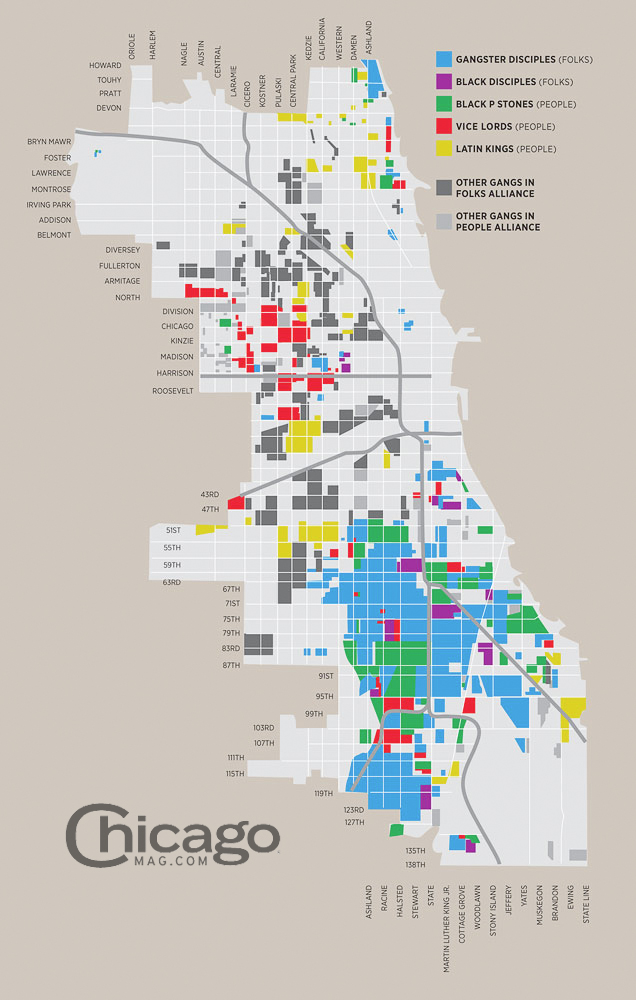
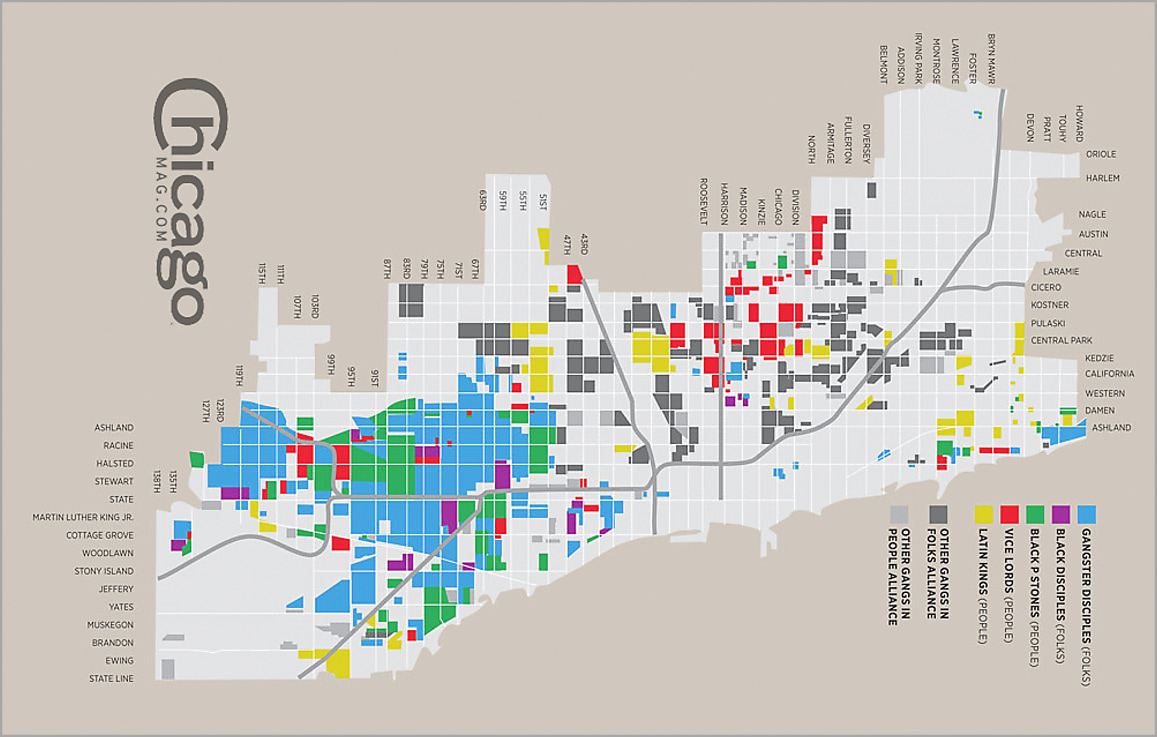
Chicago is home to a complex network of gangs, ranging from large, established organizations to smaller, more localized crews. While specific gang names and affiliations can shift over time, some names have become synonymous with the city’s gang landscape due to their history and impact.
Major Organizations
Historically, Chicago has seen the dominance of several major street gangs, often with national reach. These groups typically have a more structured hierarchy and engage in a wider range of criminal activities.
- Gangster Disciples: One of the largest and most organized gangs in Chicago, with a significant presence across the city and beyond. They are known for their hierarchical structure and involvement in various illicit activities.
- Black Disciples: Often in competition or conflict with the Gangster Disciples, the Black Disciples are another significant force within Chicago’s gang landscape.
- Vice Lords: A historically prominent African American street gang originating on the West Side of Chicago, known for their complex internal structure and long history.
- Latin Kings: A powerful Hispanic street gang that originated in Chicago and has a widespread presence throughout the city and other parts of the United States. They are known for their strict rules and codes of conduct.
- Pacoima Outlaws: While the Pacoima Outlaws are primarily associated with California, their influence and connections have sometimes intersected with Chicago’s gang dynamics, particularly in larger criminal networks.
Street Gangs and Neighborhood Crews
Beyond the larger organizations, countless smaller street gangs and neighborhood crews operate throughout Chicago. These groups are often more localized, with their influence confined to specific blocks or blocks. Their activities can range from territorial disputes and drug sales to more opportunistic crimes. The dynamics between these smaller crews and larger gangs can be fluid, involving alliances, rivalries, and periods of intense conflict.
The Impact of Gangs on Communities
The presence of gangs has a profound and often devastating impact on the communities where they operate. This impact is not uniform and varies greatly depending on the specific neighborhood and the nature of gang activity.
Violence and Crime
Gang-related violence is a persistent concern in Chicago. This violence often stems from territorial disputes, retaliation, or competition over illegal markets. Homicides, shootings, and other violent crimes can disrupt daily life, instill fear, and damage the social fabric of neighborhoods. The collateral damage, where innocent bystanders are caught in the crossfire, is a tragic consequence.
Economic Disruption
Gangs can hinder economic development in several ways. They can extort businesses, discourage investment, and create an environment of instability that deters entrepreneurs. Furthermore, the illicit economies fostered by gangs divert resources and talent away from legitimate economic activities.
Social Stigma and Fear
The pervasive presence of gangs can lead to a sense of fear and insecurity among residents. This can impact everything from where people choose to live and work to how they allow their children to interact within the community. The association of certain neighborhoods with gang activity can also create a social stigma, further marginalizing residents and perpetuating negative cycles.
Youth Recruitment and Vulnerability
Gangs often target vulnerable young people, offering them a sense of belonging, protection, and financial opportunity. This can draw youth away from educational pursuits and legitimate paths, trapping them in a cycle of violence and crime. The allure of gang membership can be particularly strong in areas with limited positive outlets for young people.
Addressing the Challenge: A Multifaceted Approach
Combating gang activity in Chicago requires a comprehensive and sustained effort that addresses both the symptoms and the root causes. No single solution will suffice; instead, a coordinated approach involving law enforcement, community leaders, social services, and governmental agencies is necessary.
Law Enforcement and Prevention Strategies
- Targeted Interventions: Law enforcement agencies focus on disrupting gang operations, apprehending violent offenders, and dismantling criminal networks. This includes intelligence gathering, surveillance, and collaborative efforts between federal, state, and local police departments.
- Community Policing: Building trust and positive relationships between law enforcement and the communities they serve is crucial. Community policing initiatives aim to foster cooperation, share information, and address local concerns proactively.
- Gang Prevention Programs: Investing in programs that divert youth from gang involvement is a key preventive measure. These programs often focus on mentorship, life skills development, conflict resolution, and providing alternatives to gang membership.
Community Empowerment and Social Investment
- Economic Development and Job Creation: Creating economic opportunities within affected communities is vital. This includes supporting local businesses, attracting new employers, and providing job training programs that lead to sustainable employment.
- Educational Support: Strengthening educational institutions, providing tutoring, and ensuring access to quality education can offer young people a viable path away from gangs. This also includes addressing issues like school dropout rates.
- Youth Engagement and Mentorship: Expanding access to positive youth programs, recreational activities, and mentorship opportunities can provide young people with constructive outlets and positive role models.
- Trauma-Informed Care and Mental Health Services: Addressing the psychological toll of living in high-violence areas is critical. Providing accessible mental health services can help individuals and communities heal and build resilience.
Policy and Systemic Change
- Addressing Root Causes: Policymakers must continue to address the underlying socioeconomic factors that contribute to gang formation, such as poverty, segregation, and lack of opportunity. This involves investing in affordable housing, equitable resource distribution, and social programs.
- Re-entry Programs: For individuals transitioning out of incarceration, robust re-entry programs that offer job assistance, housing support, and counseling are essential to reduce recidivism and break cycles of crime.
- Interagency Collaboration: Effective solutions require seamless collaboration between various government agencies, non-profit organizations, and community stakeholders.
While the issue of gangs in Chicago is a complex and ongoing challenge, it is important to recognize that it does not define the entire city. Chicago remains a dynamic and resilient metropolis, with millions of residents and visitors enjoying its vibrant culture, world-class attractions, and diverse neighborhoods. Understanding the complexities of gang activity is part of understanding the full picture of this great American city, but it should not overshadow the countless positive aspects that make Chicago a compelling destination and a thriving place to call home.
LifeOutOfTheBox is a participant in the Amazon Services LLC Associates Program, an affiliate advertising program designed to provide a means for sites to earn advertising fees by advertising and linking to Amazon.com. Amazon, the Amazon logo, AmazonSupply, and the AmazonSupply logo are trademarks of Amazon.com, Inc. or its affiliates. As an Amazon Associate we earn affiliate commissions from qualifying purchases.