
California, often known as the Golden State, beckons millions of travelers each year with its diverse landscapes, iconic landmarks, and vibrant cities. From the sun-drenched beaches of San Diego to the majestic redwoods of Northern California, and the bustling urban hubs of Los Angeles and San Francisco, there’s an adventure for every type of explorer. However, for those planning a quintessential California road trip, a crucial consideration often arises: the cost of gasoline. California consistently boasts some of the highest fuel prices in the United States, a factor that can significantly impact a travel budget, whether you’re embarking on a luxurious coastal drive or a budget-friendly family vacation.

Understanding the dynamics of California’s gas prices is essential for seamless travel planning. These elevated costs aren’t arbitrary; they stem from a confluence of unique state taxes, stringent environmental regulations, and specific market conditions that set the state apart from its neighbors like Nevada or Arizona. For anyone dreaming of cruising down Highway 1 or exploring the desert landscapes of Joshua Tree National Park, factoring in fuel expenses is as important as booking the right accommodation or researching the best local restaurants. This guide aims to shed light on what makes gas prices in California what they are, how they vary across the state, and most importantly, how travelers can smartly navigate these costs to ensure their California journey remains unforgettable and within budget.
Navigating California’s Fuel Landscape: A Traveler’s Guide
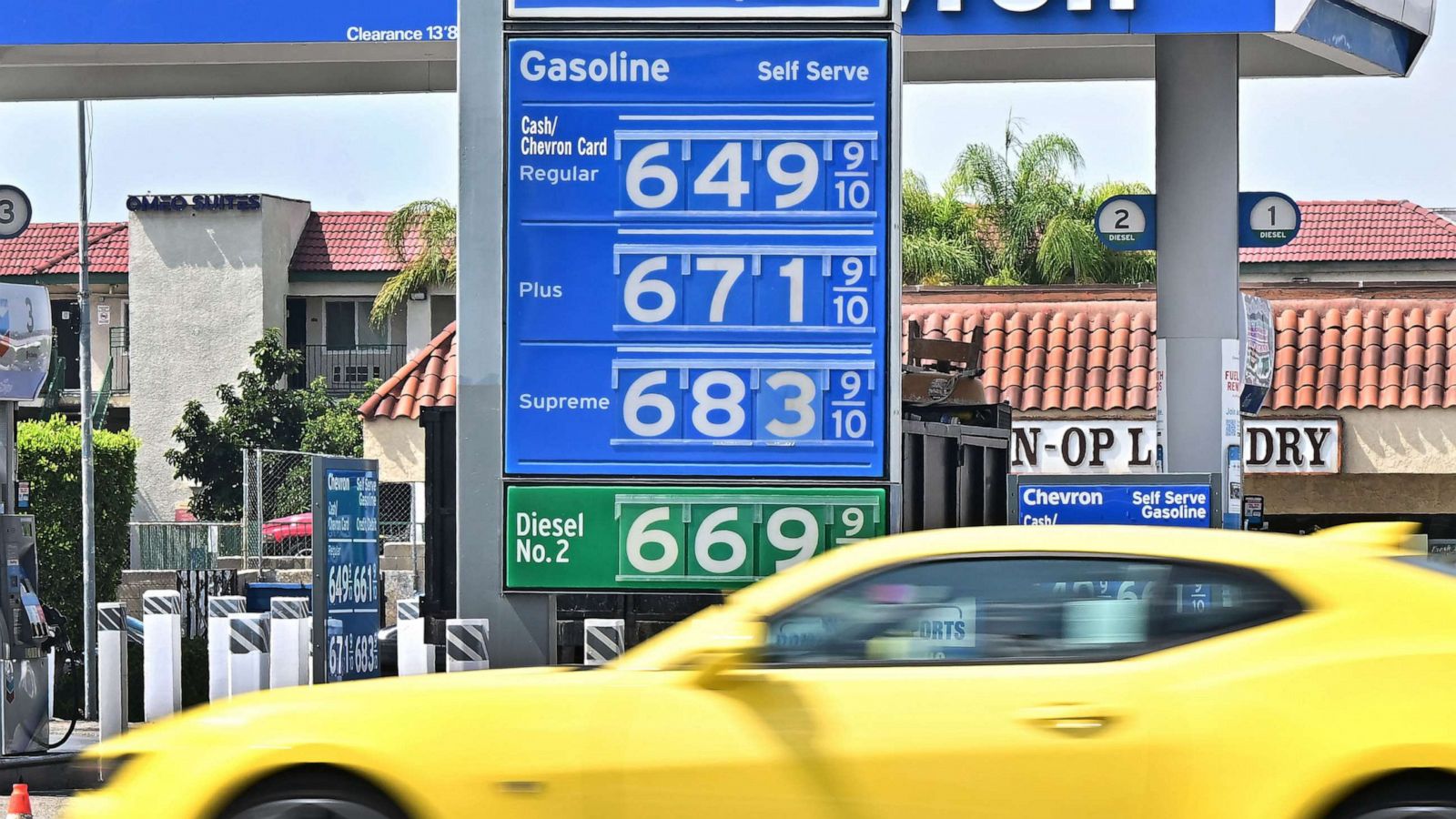
For many visitors, a trip to California is synonymous with a road trip. The freedom to explore diverse regions at one’s own pace, from the stunning vistas of Big Sur to the towering peaks of the Sierra Nevada, is unparalleled. However, this freedom comes with the responsibility of budgeting for fuel. California’s gas prices consistently rank among the highest in the nation, often significantly above the national average. This is not merely a transient phenomenon but a persistent characteristic of the state’s fuel market.
Why does California stand out in this regard? The answer lies in a complex interplay of state-specific factors. Travelers arriving from other states or international destinations might be surprised by the pump prices, making it crucial to understand the underlying causes. These include a combination of high state and local taxes, some of the strictest environmental regulations in the world necessitating special fuel blends, limited refining capacity, and the state’s geographical isolation from major pipeline networks that serve other parts of the country. These elements combine to create a unique fuel market that directly impacts every driver, from daily commuters to cross-state adventurers.
Understanding the Factors Behind the Pump
To truly grasp why California’s gas prices are high, it’s essential to dissect the various components that contribute to the final price at the pump. This understanding can help travelers better anticipate costs and make informed decisions about their travel plans.
- State and Federal Taxes: California levies some of the highest gasoline taxes in the United States. These taxes, which include excise taxes and sales taxes, fund essential infrastructure projects, road maintenance, and public transit initiatives. While crucial for the state’s development, they undeniably add a significant premium to every gallon purchased. Federal taxes also contribute, but the state-specific levies are the primary differentiator.
- Environmental Regulations and Special Blends: California is a leader in environmental protection, and this commitment extends to its fuel standards. The state mandates unique gasoline formulations, often referred to as “reformulated gasoline,” designed to reduce smog and harmful emissions. These special blends, particularly for summer months, are more expensive to produce and distribute than conventional gasoline sold elsewhere. Only a limited number of refineries are equipped to produce these specific blends, creating a bottleneck that can drive up prices.
- Refinery Capacity and Market Dynamics: The majority of California’s gasoline is produced by a relatively small number of refineries located within the state. Any unexpected shutdown, maintenance issue, or disruption at one of these facilities can significantly impact supply, leading to immediate price hikes. Unlike other states that can readily import fuel from broader national networks, California’s isolated market makes it more susceptible to localized supply shocks. Demand also plays a role; a vibrant economy and a large population mean consistent high demand, which can also push prices upward.
- Geographic Demand and Supply: California’s vastness means that gas prices can vary significantly even within the state. Urban centers like Los Angeles, San Francisco, and San Jose generally see higher prices due to higher demand and additional local taxes. Remote areas or popular tourist destinations like Lake Tahoe or towns near national parks might also have elevated prices due to higher transportation costs and limited competition. Conversely, some areas in the Central Valley like Fresno or regions closer to major refining hubs might occasionally offer slightly lower prices.
Impact on Different Travel Styles
The cost of fuel can have varying impacts depending on a traveler’s budget and preferred travel style. Being aware of these differences can help tailor a trip that aligns with both your dreams and your wallet.
- The Budget-Conscious Explorer: For backpackers, students, or families on a tight budget, high gas prices mean a larger portion of their travel funds will be allocated to transportation. This might necessitate choosing more fuel-efficient vehicles, prioritizing shorter drives, or even opting for public transport where available, especially in major cities. They might also choose more affordable accommodation options, like budget hotels or campsites, to offset fuel costs.
- Luxury Travel and Convenience: Travelers seeking luxury experiences might be less concerned about per-gallon prices but will still appreciate efficiency. For them, the convenience of premium fuel for high-performance rental cars or the ability to drive without constantly worrying about budgeting for the next fill-up is key. Luxury travel often involves staying at high-end resorts and exploring exclusive destinations, which may entail significant driving.
- Family Road Trips: Family vacations often involve larger vehicles for luggage and passengers, which can be less fuel-efficient. The cumulative cost of gas over a long road trip across California can become substantial. Families might need to factor in these costs when deciding on destinations, the duration of their trip, and the type of activities they plan. Balancing hotel costs with fuel expenses becomes a critical part of the overall planning.
Budgeting for Your Golden State Adventure: Fuel-Smart Strategies
A trip through California promises unparalleled memories, but proactive planning, especially concerning fuel costs, is paramount. Integrating fuel expenses into your overall travel budget can prevent unwelcome surprises and ensure a smoother, more enjoyable journey, leaving more room for experiences and less for financial worries.
Essential Tips for Saving at the Pump
While California’s high gas prices are largely a given, there are several smart strategies travelers can employ to mitigate their impact and stretch their travel budget further.
- Utilizing Fuel Price Apps: Technology is your friend when it comes to finding the best gas prices. Apps like GasBuddy or Waze allow users to locate the cheapest gas stations in their vicinity or along their planned route. A difference of even 20-30 cents per gallon can add up significantly over a multi-day road trip. Planning your fuel stops based on these apps, rather than simply pulling into the first station you see, can lead to considerable savings.
- Smart Driving Habits: The way you drive has a direct impact on your vehicle’s fuel efficiency. Practicing eco-friendly driving habits can significantly reduce your consumption. This includes:
- Maintaining a consistent speed: Rapid acceleration and sudden braking consume more fuel.
- Avoiding excessive idling: If you’re going to be stopped for more than a minute, it’s generally more fuel-efficient to turn off your engine.
- Keeping tires properly inflated: Underinflated tires reduce fuel economy and can be dangerous.
- Using cruise control on highways: This helps maintain a steady speed and optimize fuel usage.
- Removing unnecessary weight: Extra luggage or gear on the roof rack creates drag and increases fuel consumption.
- Membership Programs and Loyalty Cards: Many gas stations or grocery store chains offer loyalty programs that provide discounts on fuel. If you’re planning an extended stay or a long road trip, signing up for a free loyalty card from a common chain like Chevron or Shell can yield savings. Some credit cards also offer cash back or rewards specifically for gas purchases.
- Consider Electric Vehicles or Hybrids: For eco-conscious travelers or those looking to sidestep gas prices entirely, renting an electric vehicle (EV) or a hybrid car is an increasingly viable option. California boasts an extensive network of charging stations, particularly in urban areas and along major travel corridors. While EV rentals might sometimes be pricier upfront, the savings on fuel can often make them a cost-effective alternative, especially for longer journeys. This also aligns with a sustainable tourism lifestyle.
Integrating Fuel Costs into Your Overall Travel Budget
Thinking about fuel costs in isolation isn’t enough; they need to be woven into the tapestry of your entire travel budget, alongside accommodation, dining, activities, and souvenirs.
- Balancing Accommodation Choices with Fuel Expenses: High gas prices might influence your choice of accommodation. If you find a fantastic deal on a hotel or resort slightly outside a major city, weigh the savings against the increased fuel cost of driving to and from attractions. Sometimes, paying a bit more for a centrally located hotel can reduce driving distances and, consequently, fuel expenses. For instance, staying in downtown San Francisco might mean higher nightly rates but less driving to see landmarks like the Golden Gate Bridge or Alcatraz Island.
- Comparing Driving vs. Other Transportation Options: For certain routes, especially between major cities like Los Angeles and San Francisco, consider whether flying, taking a train, or even a bus might be more cost-effective than driving. Factor in not just gas, but also wear and tear on your vehicle (if it’s your own), parking fees, and the value of your time. For solo travelers or couples, public transport can be a fantastic way to save, while families often find driving more practical despite the fuel costs.
- Allocating Funds for Spontaneous Detours: One of the joys of a road trip is the freedom to explore unexpected sights. Allocate a buffer in your fuel budget for spontaneous detours to charming small towns like Solvang or scenic overlooks that catch your eye. This flexibility ensures that budgeting doesn’t stifle the very essence of discovery that makes California travel so appealing.
Exploring California’s Iconic Destinations and Gas Prices
California’s allure lies in its incredibly diverse geography, offering everything from sun-drenched coastlines to arid deserts and snow-capped mountains. Each region presents unique travel opportunities, but also varying considerations when it comes to fuel prices and accessibility. Understanding these regional nuances is key to planning an efficient and enjoyable itinerary.
- Coastal Drives: From Highway 1 to Big Sur: The legendary Highway 1 coastal route, especially through Big Sur, is a bucket-list item for many. While breathtaking, gas stations can be sparse and significantly more expensive in these remote, scenic areas. Planning ahead by filling up in larger towns before entering these stretches, such as Monterey or San Luis Obispo, is a wise strategy. This allows travelers to fully immerse themselves in the dramatic cliffs and Pacific Ocean views without worrying about the next gas station.
- Desert Escapes: Joshua Tree National Park and Death Valley: Venturing into California’s stunning desert landscapes, like Joshua Tree National Park or Death Valley, requires careful fuel planning. These areas are vast and remote, with very few services. Gas stations within the parks or in tiny gateway towns will almost always have exorbitant prices due to logistical challenges. It’s imperative to fill your tank in larger towns like Palm Springs, Twentynine Palms, or Ridgecrest before heading into the desert.
- Mountain Adventures: Yosemite National Park and the Sierra Nevada: The majestic beauty of places like Yosemite National Park and the surrounding Sierra Nevada mountain range draws nature lovers year-round. Similar to desert areas, gas stations within or immediately adjacent to national parks often command premium prices. Towns like Mammoth Lakes or those in the Eastern Sierra can be significantly more expensive than cities in the San Joaquin Valley. Ensure your tank is full before ascending into the mountains, especially if exploring areas like Lake Tahoe or attempting to reach the base of Mount Whitney.
- Urban Explorations: Driving in Los Angeles, San Francisco, and San Diego: California’s major metropolises offer a wealth of cultural and entertainment attractions. While these cities have numerous gas stations, prices generally reflect the high cost of living and additional local taxes. For instance, navigating Los Angeles to visit Hollywood, Disneyland, or Universal Studios Hollywood means a lot of driving, and parking can be expensive too. In San Francisco, while public transport is robust, driving to areas like the Golden Gate Bridge or Fisherman’s Wharf will incur fuel costs. San Diego offers attractions like Balboa Park and the beaches of La Jolla, often requiring a car. Utilizing gas price apps in these urban environments is particularly effective due to the higher density of stations and potential price variations.
Planning Pit Stops and Attractions
Strategic planning of your itinerary can not only save you money on gas but also enhance your overall travel experience, allowing you to seamlessly integrate sightseeing with practical necessities.
- Strategic Fueling Near Tourist Hubs: While gas stations directly within popular tourist areas or near major attractions like Legoland California or Hearst Castle might be pricey, fueling up in nearby towns or on the outskirts of cities before reaching the main attraction can often yield better prices. Plan your routes to pass through areas known for slightly cheaper gas.
- Combining Sightseeing with Refueling Opportunities: Look for opportunities where you can fill up your tank while simultaneously visiting an attraction or taking a meal break. Many larger service centers on major highways now offer a variety of dining options and amenities, making them convenient one-stop shops. This saves time and ensures you’re not making extra trips just for gas.
- Exploring Off-the-Beaten-Path Gems: California is filled with charming small towns and hidden gems that offer unique cultural experiences. Visiting places like the Danish-inspired town of Solvang, the artistic community of Mendocino, or the historic Gold Country allows travelers to experience authentic California. While these trips might involve more driving, the immersive cultural experiences often outweigh the fuel costs, especially if you plan your route efficiently. Exploring California’s Wine Country in Napa Valley or Sonoma Valley similarly benefits from a well-planned driving route to combine tastings with fuel stops.
The Future of Fuel and California Travel
The landscape of fuel consumption and transportation in California is constantly evolving, driven by technological advancements, environmental consciousness, and shifting consumer preferences. For travelers, understanding these trends is key to planning future adventures in the Golden State.
Embracing Eco-Friendly Exploration
As gas prices remain a significant factor, and environmental concerns grow, eco-friendly travel options are becoming increasingly attractive and accessible.
- The Rise of Electric Vehicle Infrastructure: California is at the forefront of the electric vehicle (EV) revolution. The state has invested heavily in developing a robust charging infrastructure, with thousands of public and private charging stations available across urban centers, along major highways, and even in many national parks and tourist destinations. This extensive network makes EV road trips a practical reality for many. For travelers considering an EV rental, apps like PlugShare can help locate charging stations and plan routes accordingly.
- Sustainable Tourism and Transportation Choices: A growing number of travelers are seeking more sustainable ways to explore. This includes opting for lower-emission vehicles, utilizing public transportation, or even planning trips that minimize driving, perhaps by focusing on destinations accessible by foot or bike. Many hotels and resorts are also embracing eco-friendly practices, and choosing such accommodation can align with a sustainable travel lifestyle.
- Long-Term Trends and Their Impact on Road Trips: While internal combustion engine vehicles will remain prevalent for some time, the long-term trend in California is towards electrification. This means that future road trips might involve less worry about gas prices and more focus on charging logistics. As battery technology improves and charging times decrease, the classic California road trip will likely transform, offering new efficiencies and environmental benefits. This shift could make places like Catalina Island, which are only accessible by ferry, even more appealing as car-free destinations.
Conclusion
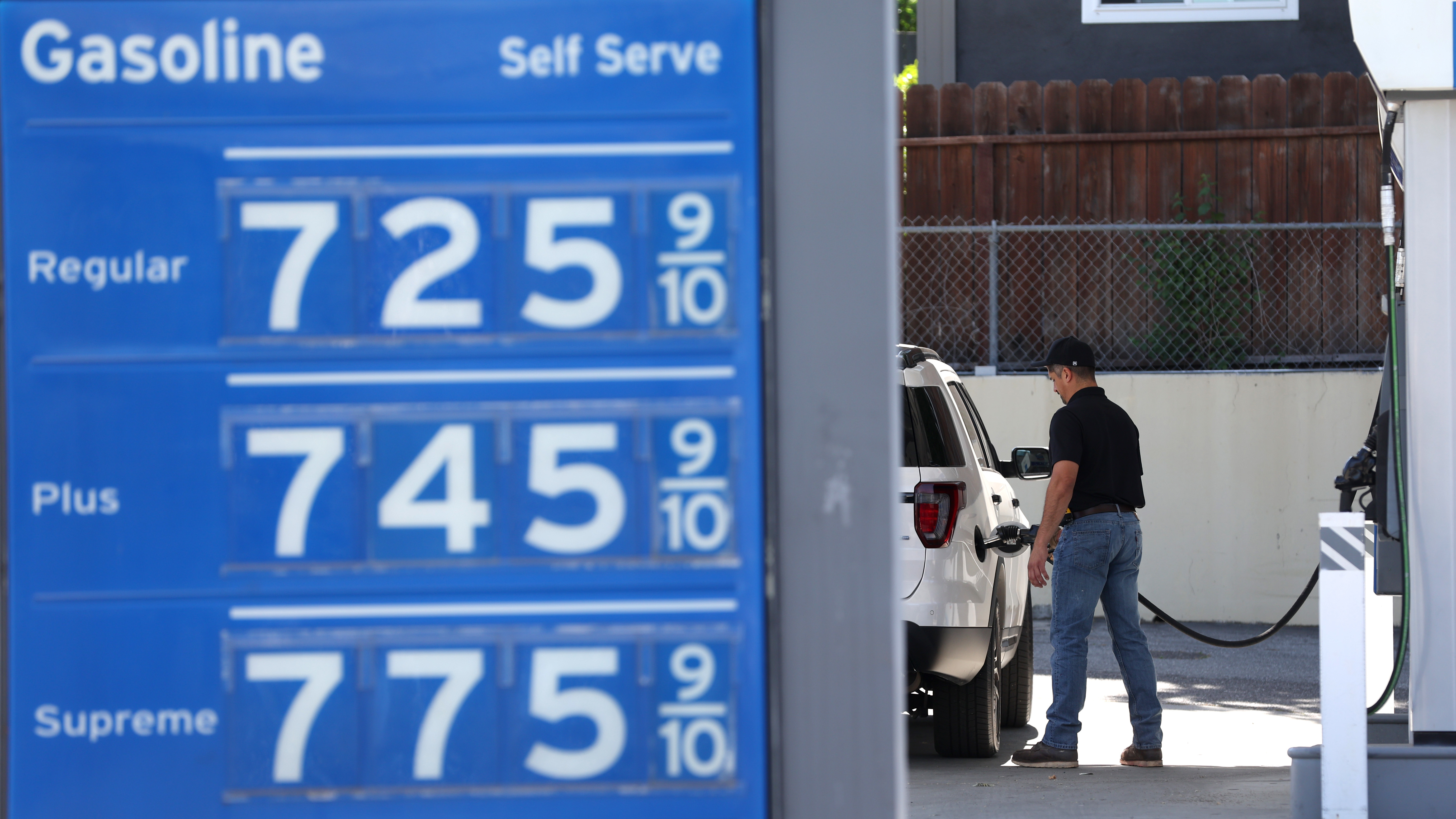
Navigating the gas prices in California is an integral part of planning any successful trip to the Golden State. While the state’s unique combination of taxes, regulations, and market dynamics results in higher fuel costs compared to other parts of the United States, this shouldn’t deter anyone from experiencing its unparalleled beauty and diverse attractions. By understanding the factors behind the prices, employing smart budgeting strategies, and leveraging technology, travelers can significantly mitigate the impact of fuel expenses.
Whether you’re embarking on a scenic drive along Highway 1, exploring the vibrant cityscapes of Los Angeles and San Francisco, or venturing into the majestic wilderness of Yosemite National Park, a well-planned approach to fuel can ensure your focus remains on the adventure itself. Furthermore, with the accelerating shift towards electric vehicles and sustainable travel practices, the future of exploration in California promises even more eco-friendly and potentially cost-effective ways to discover its wonders. So, plan smartly, drive efficiently, and get ready to create lasting memories in one of the world’s most captivating travel destinations.