
Florida, often dubbed the Sunshine State, is a magnet for travelers worldwide, drawing them with its pristine beaches, vibrant cities, and world-class attractions. From the magical theme parks of Orlando to the historic charm of St. Augustine and the tropical allure of the Florida Keys, there’s an endless array of experiences waiting. However, for those planning a visit, understanding the state’s hurricane season is crucial for a smooth and enjoyable trip. While the prospect of a hurricane might sound daunting, with proper planning and awareness, you can still experience the best of Florida even during these months. This comprehensive guide will equip you with everything you need to know about Florida’s hurricane seasons, offering insights into travel, accommodation, and making the most of your adventure, come rain or shine.
Understanding Florida’s Hurricane Season: Dates and Dynamics
For visitors and residents alike, knowing the precise duration and characteristics of the hurricane season is the first step towards informed travel planning. This period dictates a unique rhythm for the state, influencing everything from hotel bookings to outdoor activities.
The Official Calendar: When to Expect Storms
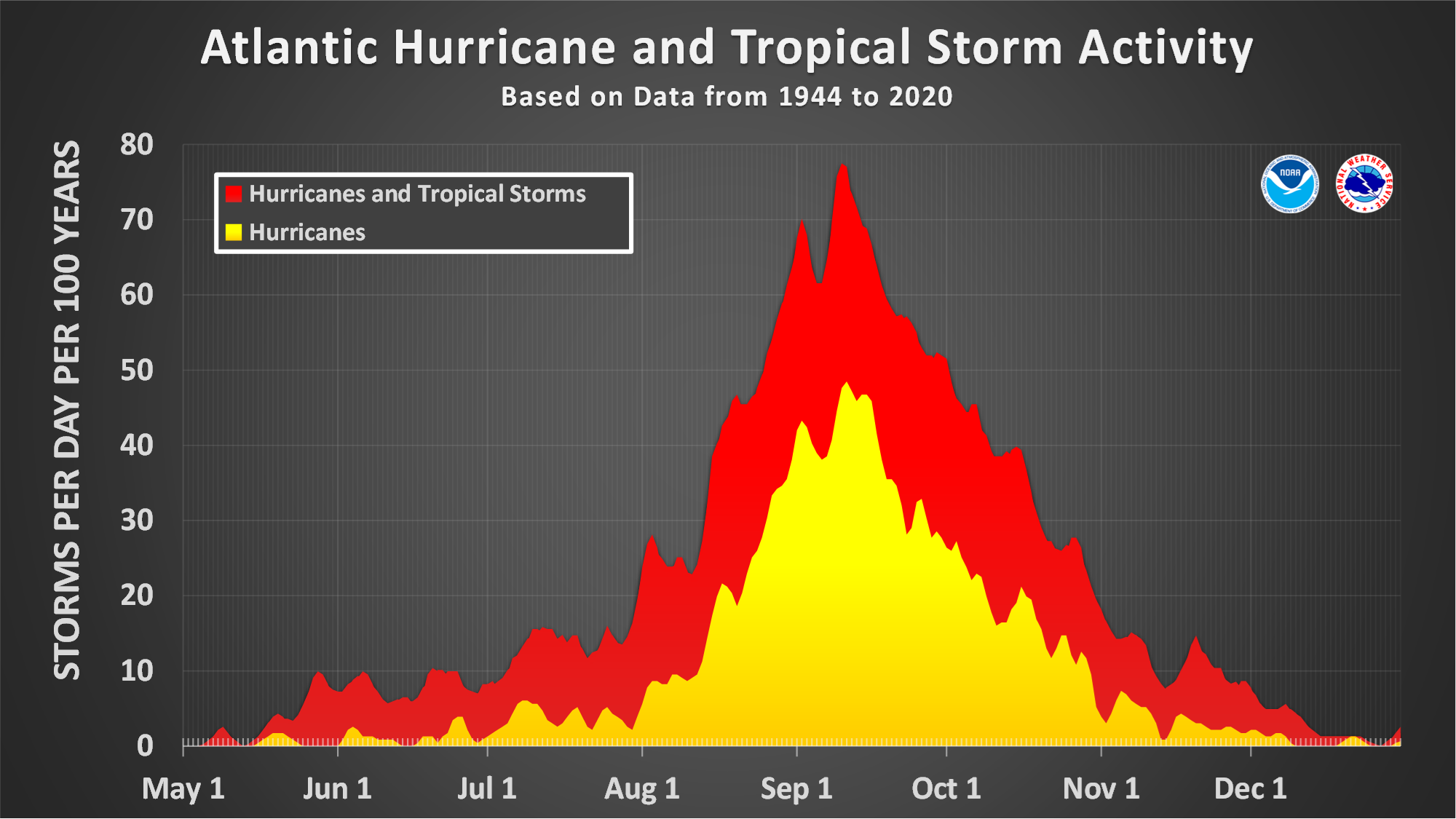
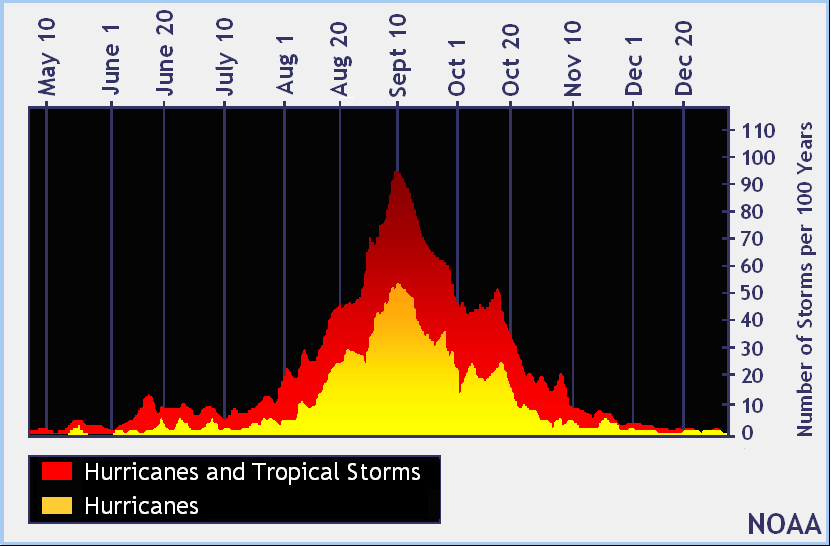
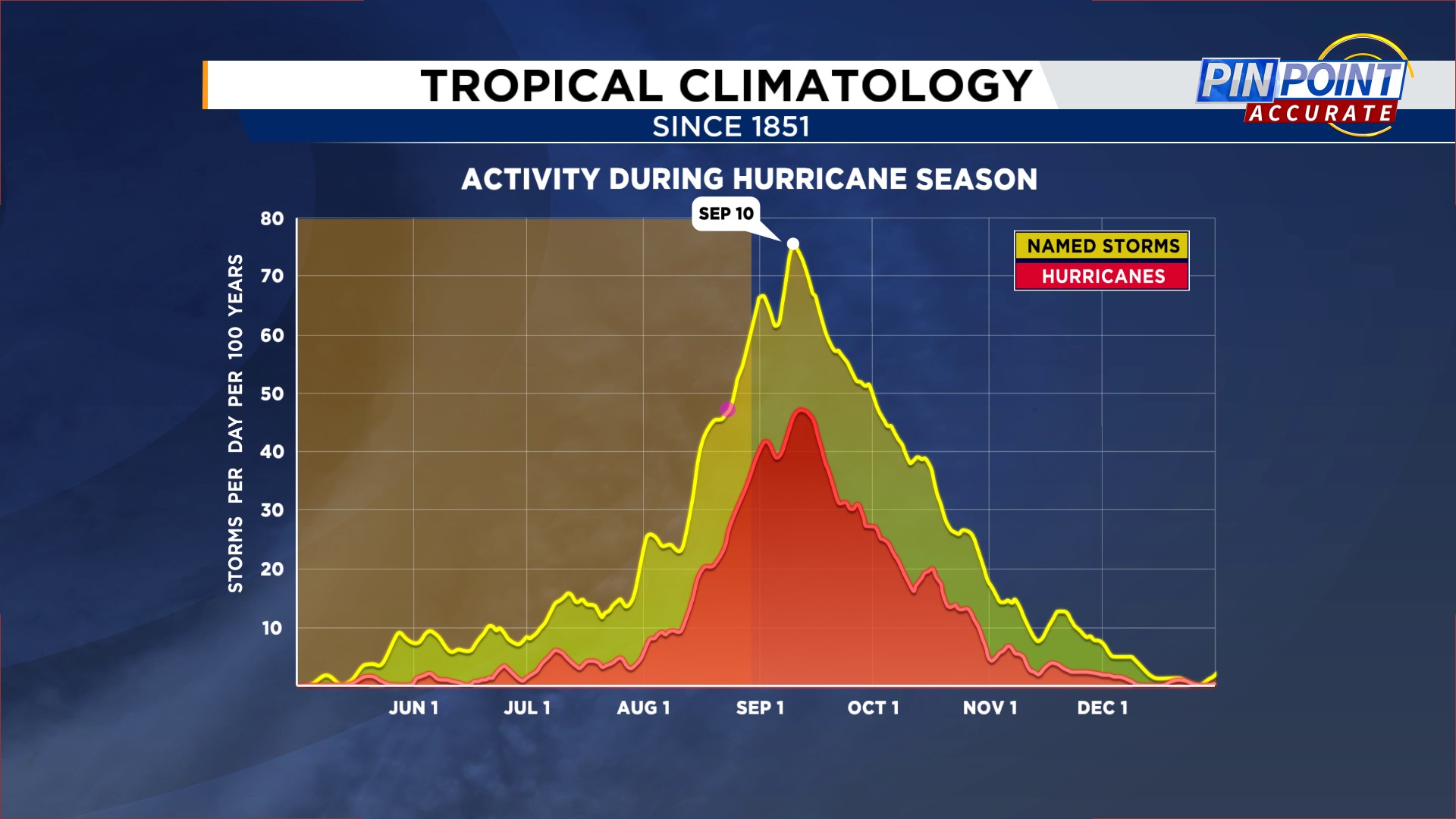
The official Atlantic hurricane season, which directly impacts Florida, runs annually from June 1st to November 30th. During these six months, atmospheric and oceanic conditions in the Atlantic Ocean and the Gulf of Mexico are conducive to the formation and intensification of tropical storms and hurricanes. While the season encompasses this entire period, not all months carry the same level of risk or intensity. Early in the season, storms tend to form closer to the Florida coast or in the Gulf of Mexico, while later in the season, activity often shifts to the deeper Atlantic.
Peak Activity: The Most Vulnerable Months
While the entire six-month window is considered hurricane season, history shows a distinct peak in activity. August, September, and early October are statistically the most active months for tropical cyclone formation and landfalls in the Atlantic basin. During this period, sea surface temperatures reach their highest, providing ample fuel for developing storms. This peak means that travelers planning visits during these specific months should be particularly diligent with their preparations and monitoring of weather forecasts. It’s not uncommon for multiple named storms to be active simultaneously across the Atlantic during September, making it a critical time for those with travel plans to Florida.
Why Florida? Geography and Climate
Florida’s unique geographical position makes it particularly susceptible to hurricanes. The peninsula extends into the warm waters of the Atlantic Ocean to its east and the Gulf of Mexico to its west, both prime breeding grounds for tropical systems. The warm waters provide the necessary energy for these storms to form and strengthen, while prevailing wind patterns can steer them towards the state’s extensive coastline. Furthermore, the relatively flat terrain means that once a storm makes landfall, it can maintain its intensity for longer and bring widespread impacts through heavy rainfall, storm surge, and high winds, affecting both coastal and inland areas, including popular destinations like Orlando and Tampa.
Navigating Travel and Accommodation During Hurricane Season
Traveling to Florida during hurricane season doesn’t have to be a gamble. With strategic planning and an understanding of how the travel and accommodation industries adapt, you can still enjoy a fantastic vacation while minimizing risks.
Planning Your Florida Getaway: Essential Preparations
The cornerstone of a stress-free trip during hurricane season is thorough preparation. First and foremost, consider travel insurance. Policies that include “cancel for any reason” or specific hurricane clauses can be invaluable, covering non-refundable expenses like flights, hotels, and tours if your trip is disrupted by a storm. Always read the fine print to understand what is covered. Secondly, prioritize flexible bookings. Look for airlines and hotels that offer free cancellation or rebooking options, especially if you’re booking well in advance. Many travel providers become more flexible closer to a potential storm, but having these options from the outset offers greater peace of mind. Lastly, stay informed. Utilize reliable weather sources like the National Hurricane Center (NHC) and local news outlets to monitor tropical weather developments. Being aware of potential storms several days in advance allows for timely adjustments to your plans.
Accommodation Choices and Policies
Hotels and resorts across Florida are well-versed in hurricane preparedness, often having detailed plans for guests’ safety and evacuation if necessary. When booking, inquire about their hurricane policies. Many upscale resorts, such as those found in Miami Beach or Naples, offer “hurricane guarantees” that allow for penalty-free cancellations or rebookings if a named storm threatens the area. For budget travelers or those opting for apartments and villas, ensure you understand the host’s cancellation policy. Reading recent reviews can also provide insight into how a property handles unforeseen circumstances. While amenities like swimming pools or beachfront access might be temporarily unavailable during a storm, many hotels prioritize providing essential services and comfort to guests weathering a delay. Always check if your chosen accommodation is in an evacuation zone, particularly for coastal properties in areas like Key West or Fort Lauderdale.
Travel Logistics: Flights, Roads, and Re-routing
Air travel is often the first to be impacted by an approaching hurricane. Airlines will issue waivers allowing passengers to change flights without fees if a storm is forecast to affect an airport. Keep a close eye on your airline’s website and sign up for flight alerts. If a storm is imminent, flights might be canceled entirely, requiring rebooking. For those driving, particularly within Florida or from neighboring states, monitoring road conditions and potential evacuation routes is essential. Florida has well-established evacuation plans, often involving contraflow on major interstates. Be aware that traffic can become extremely heavy during an evacuation. If traveling by car, ensure your vehicle is in good condition, and consider filling up with gas regularly, as stations might experience shortages or power outages. Having alternative routes mapped out for your destination or a safe inland retreat can be a lifesaver.
Experiencing Florida Safely: Tourism, Activities, and Local Culture
Despite the hurricane season, Florida remains a vibrant tourist destination. Understanding how attractions operate and prioritizing safety will ensure a memorable trip.
Enjoying Florida’s Attractions: What to Expect
Florida’s iconic attractions, from the sprawling theme parks like Walt Disney World Resort and Universal Orlando Resort to natural wonders like Everglades National Park and the Kennedy Space Center Visitor Complex, have comprehensive weather protocols. Theme parks, for instance, often close for a day or two before a direct hit and reopen quickly once the danger passes, sometimes offering special policies for tickets during closures. Coastal attractions, including beaches like South Beach and Clearwater Beach, or water-based activities, will cease operations as a storm approaches. It’s crucial to check the official websites or social media channels of attractions for real-time updates on closures, operational changes, and re-opening schedules. Many indoor attractions, museums, and shopping districts like Disney Springs or Universal CityWalk might be less affected and can serve as excellent alternatives if outdoor activities are limited by heavy rain, even outside of direct hurricane threats.
Safety First: Tips for Visitors
Your safety is paramount. If you find yourself in Florida during a hurricane threat, follow local authorities’ advice immediately.
- Stay Informed: Beyond national forecasts, pay attention to local emergency management agencies for county-specific advisories, warnings, and evacuation orders.
- Emergency Plan: Discuss an emergency plan with your travel companions. Know where you would meet, and have contact information readily available.
- Emergency Kit: While hotels usually have supplies, having a small personal kit with essential medications, a first-aid kit, flashlight, portable charger, and some non-perishable snacks is wise.
- Communication: Keep your phone charged and consider carrying a portable power bank. Inform family and friends of your location and plans.
- Evacuation: If an evacuation order is issued for your area, leave immediately. Do not wait. Hotels will typically require guests to evacuate.
- Shelter in Place: If advised to shelter in place, stay indoors, away from windows, and follow your hotel’s instructions.
Beyond the Storms: The Allure of Off-Peak Travel
Despite the hurricane season, there’s a silver lining for the savvy traveler. The months of June, early July, and November often present lower chances of direct hurricane impacts, while still falling within the “off-peak” shoulder season. This period frequently brings fewer crowds to popular attractions and lower prices on hotels, flights, and packages compared to the bustling spring break or winter holiday seasons. Travelers seeking a more relaxed pace, better deals, and shorter lines might find this an ideal time to visit. While the weather can be hot and humid, and afternoon thunderstorms are common, these are usually brief and offer a refreshing break from the sun. Plus, watching a dramatic Florida storm roll in from a safe vantage point can be an experience in itself, showcasing the state’s powerful natural beauty.
Regional Spotlights: Hurricane Preparedness Across Florida
Florida is a large and diverse state, and hurricane risks and preparedness can vary significantly from one region to another. Understanding these nuances is key for targeted planning.
Coastal Hotspots: Miami, Orlando, and the Florida Keys
Miami and Fort Lauderdale, located on the southeast coast, are particularly vulnerable to storms tracking from the Atlantic. The dense urban environment, coupled with low-lying coastal areas like the Art Deco Historic District, means that storm surge and heavy rainfall can lead to significant flooding. Hotels here are typically robust, but evacuation orders are common. Orlando, while inland, is not immune. Strong winds and torrential rains can still cause widespread power outages and localized flooding, impacting theme parks like SeaWorld Orlando and Legoland Florida Resort. However, theme park infrastructure is designed to withstand significant weather, and operations usually resume quickly. The Florida Keys, a string of low-lying islands including the popular Key West and sites like Dry Tortugas National Park, are perhaps the most susceptible region. Due to their narrow landmass and single evacuation route (US-1), early and mandatory evacuations are standard practice, sometimes days in advance of a storm’s arrival. Travelers to the Keys during peak hurricane season must be prepared for potential trip cancellations or early departures.
Inland vs. Coastal Risks: A Comparative Look
While coastal regions face the immediate threats of storm surge, beach erosion, and direct wind impact, inland areas also have their challenges. Cities like Tampa and Sarasota on the Gulf Coast, as well as Jacksonville on the northeast Atlantic coast, face significant risks from storm surge due to their bay and river systems. Inland areas, including Central Florida and the Panhandle, predominantly deal with severe winds, flash flooding from heavy rainfall, and tornadoes often associated with hurricane outer bands. Attractions such as Busch Gardens Tampa Bay might experience closures due to these inland threats. Travelers should understand that even if their destination is not directly on the coast, it can still be significantly affected. The widespread nature of Florida’s waterways and natural areas like Biscayne National Park means that flooding can occur far from the immediate coastline.
Supporting Local Tourism: Resilience and Recovery
Florida’s tourism industry is incredibly resilient. Following a storm, local communities and businesses work tirelessly to clean up, rebuild, and reopen. Many establishments, from small, family-owned restaurants to large resorts, depend on tourism for their livelihoods. Visiting Florida outside of a direct threat, even within hurricane season, contributes to the economic vitality of these communities. Websites like Visit Florida provide up-to-date information on the status of destinations and attractions after a storm. Showing support by visiting once an area is safe and open for business helps these destinations recover and thrive. Whether it’s enjoying the serene beaches of Amelia Island or the vibrant nightlife of Panama City Beach, your presence helps bolster the local economy.
Making the Most of Your Florida Trip, No Matter the Season
Ultimately, visiting Florida is an experience of a lifetime, and with a little preparation, you can enjoy it fully, even during the hurricane season.
The Smart Traveler’s Checklist
- Research: Understand the typical weather patterns for your chosen dates and destination within Florida.
- Insurance: Invest in comprehensive travel insurance that covers weather-related disruptions.
- Flexibility: Book flights and accommodations with flexible cancellation or rebooking policies.
- Stay Connected: Sign up for weather alerts and follow local emergency services and news.
- Pack Smart: Bring rain gear, waterproof bags for electronics, and essentials for an emergency kit.
- Communication Plan: Have a plan for how to contact family and friends, and what to do if you get separated.
- Local Knowledge: Don’t hesitate to ask hotel staff or locals for advice and information; they are a valuable resource.
Embracing Flexibility and Adventure
While the official hurricane season defines a period of heightened vigilance, it also coincides with some of Florida’s most beautiful weather and often presents opportunities for more budget-friendly travel and fewer crowds. By being prepared, staying informed, and remaining flexible, you can navigate any potential weather challenges with confidence. Florida’s charm extends beyond its sunshine; it’s found in its resilience, its vibrant culture, and the spirit of adventure it offers. With careful planning, your trip to the Sunshine State during hurricane season can be just as memorable and enjoyable as any other time of year, allowing you to discover its wonders and embrace the unexpected.
LifeOutOfTheBox is a participant in the Amazon Services LLC Associates Program, an affiliate advertising program designed to provide a means for sites to earn advertising fees by advertising and linking to Amazon.com. Amazon, the Amazon logo, AmazonSupply, and the AmazonSupply logo are trademarks of Amazon.com, Inc. or its affiliates. As an Amazon Associate we earn affiliate commissions from qualifying purchases.