
For many, Florida embodies the ultimate vacation — sun-drenched beaches, world-class theme parks, and vibrant cultural experiences. However, planning a trip to the Sunshine State requires an understanding of its unique climate, particularly the annual hurricane season. Knowing when this period occurs and how to prepare for it is paramount for any traveler looking to ensure a safe, smooth, and enjoyable experience. This comprehensive guide will illuminate the specific months of Florida’s hurricane season, offering invaluable insights and practical advice to help you navigate your travel plans effectively, allowing you to maximize your adventure in this popular destination.
Understanding Florida’s Hurricane Season: Key Dates for Travelers
The prospect of a hurricane can be daunting, but with proper knowledge, it doesn’t have to derail your Florida travel dreams. The first step is to clearly define the official season and understand its historical patterns.
Defining the Atlantic Hurricane Season
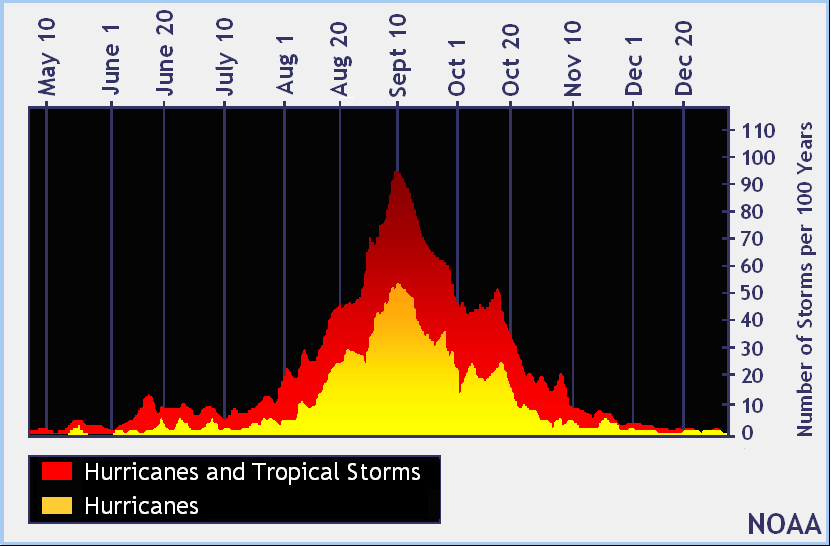
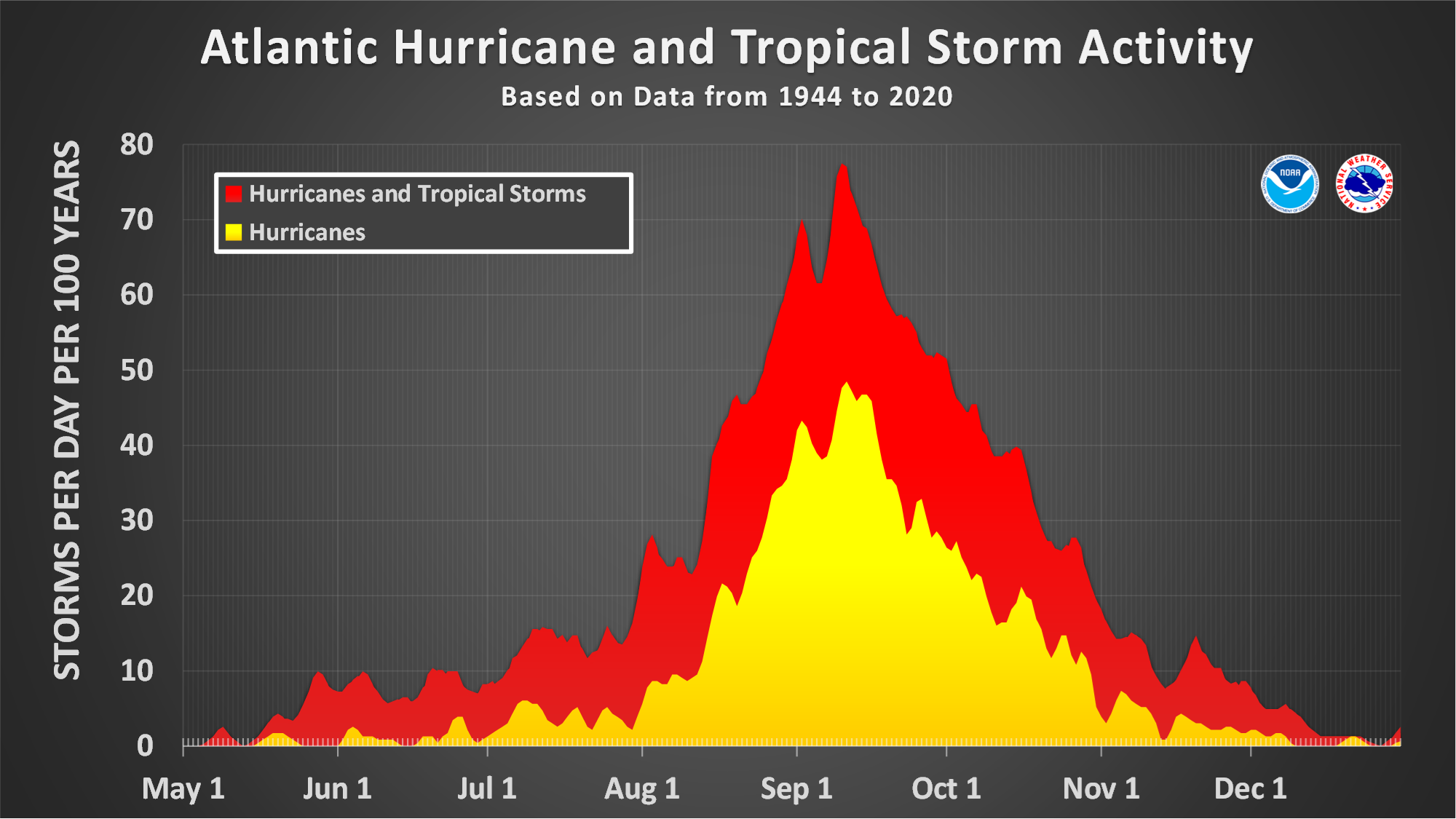
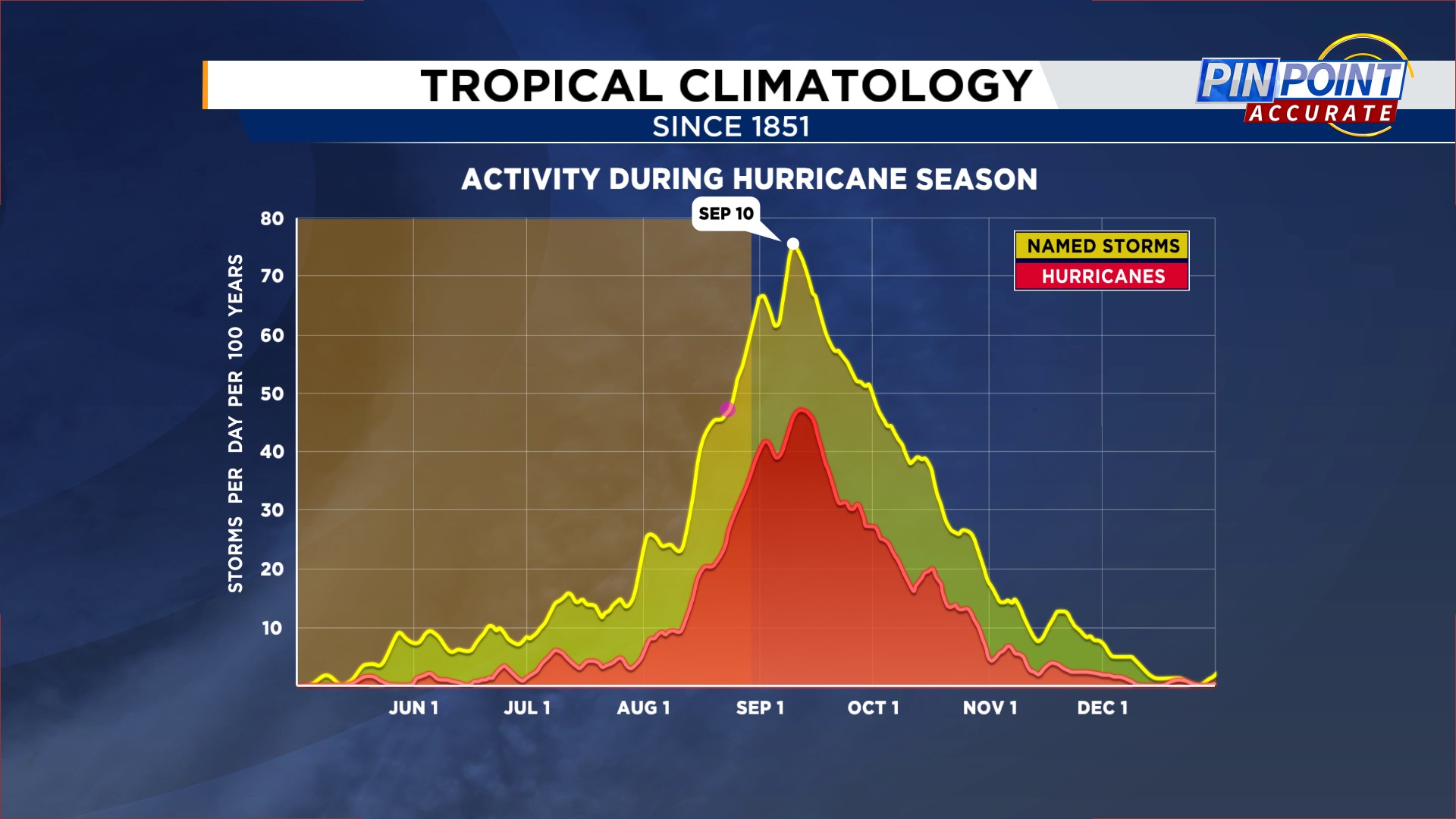
The official Atlantic hurricane season runs annually from June 1st to November 30th. This six-month window is when tropical storms and hurricanes are most likely to form in the Atlantic Ocean, Caribbean Sea, and Gulf of Mexico. While early-season storms can occur in May and late-season storms occasionally extend into December, the National Oceanic and Atmospheric Administration (NOAA) designates these months as the primary period of heightened activity. It’s crucial for travelers to understand that the beginning and end of the season do not signify an immediate threat but rather mark the period when conditions are most conducive for tropical cyclone development. Throughout these months, warm ocean waters, low wind shear, and moist air converge to create the perfect environment for these powerful weather systems to form and strengthen.
Historical Peak Periods in Florida
While the entire six-month span is considered hurricane season, historical data reveals distinct peak periods of activity. For Florida, the most active months are typically August, September, and October. September, in particular, stands out as the historical peak month for tropical cyclone activity in the Atlantic basin. During these months, sea surface temperatures are at their highest, providing ample fuel for storms. This means that if you’re planning a trip to popular destinations like Miami, Orlando, or Tampa during this timeframe, it’s especially important to remain vigilant and incorporate hurricane preparedness into your travel strategy. While a direct hit is never guaranteed, the probability of encountering some form of tropical weather, from heavy rains to stronger systems, increases significantly during these peak weeks.
Why These Dates Matter for Your Travel Plans
Understanding the hurricane season dates isn’t just about avoiding a storm; it’s about making informed travel decisions. Traveling outside the peak season, particularly from December to May, generally offers more predictable weather and clearer skies, though crowds might be larger during peak winter and spring break periods. Conversely, traveling during the official hurricane season can offer advantages such as lower airfares and accommodation rates, fewer crowds at major attractions, and the unique beauty of Florida’s summer and fall. However, these benefits come with the caveat of needing a robust contingency plan. Knowing these dates allows you to weigh the pros and cons, assess your personal risk tolerance, and make proactive choices regarding booking flexibility, travel insurance, and on-the-ground preparedness. It’s about being smart, not scared, and ensuring your Florida experience is memorable for all the right reasons.
Navigating Travel During Hurricane Season: Planning and Preparation
Traveling to Florida during hurricane season doesn’t have to be a gamble. With thoughtful planning and strategic preparation, you can mitigate risks and still enjoy a fantastic getaway.
Essential Pre-Trip Research and Resources
Before you even book your flights, thorough research is your best defense. Start by familiarizing yourself with Florida’s emergency management protocols and the specific hurricane preparedness plans for your chosen destination. Websites like the Florida Division of Emergency Management and the National Hurricane Center (NHC) are invaluable resources for real-time storm tracking, advisories, and public safety information. Download local emergency apps for the areas you plan to visit, such as Miami-Dade or Orange County if you’re heading to Orlando. Pay attention to seasonal forecasts released by experts like Colorado State University, which provide predictions on the number and intensity of storms for the upcoming season. While these are forecasts and not guarantees, they offer a general outlook that can influence your travel timing. Additionally, research your specific airline and hotel’s hurricane policies, as these can vary significantly.
Flexible Booking Options and Travel Insurance
This is perhaps the most crucial piece of advice for hurricane season travel. Prioritize flexible bookings that allow for free changes or cancellations. Many airlines and hotels offer waivers during declared hurricane threats, but policies differ, so read the fine print carefully. More importantly, invest in comprehensive travel insurance. Standard travel insurance often covers trip cancellation or interruption due to a named hurricane, but ensure your policy specifically includes this coverage and understand its terms and conditions, such as when the policy must be purchased (often before a storm is named or becomes a credible threat). Some policies offer “cancel for any reason” clauses, which provide ultimate flexibility but come at a higher premium. Consider the value of your trip — flights, accommodations, tours, and experiences at places like Walt Disney World Resort or Universal Orlando Resort — when deciding on your insurance coverage.
Packing Essentials and Emergency Kits
Should a storm approach or impact your travel, being prepared on the ground is key. Beyond your usual vacation attire, consider packing a small emergency kit, especially if you’re driving or staying in a less serviced area like the Florida Keys. This might include a battery-powered radio, a portable power bank for charging devices, a first-aid kit, copies of important documents, any necessary prescription medications, and a supply of non-perishable snacks and bottled water. Pack rain gear, including a waterproof jacket and sturdy, closed-toe shoes. If you’re traveling with children, include comfort items and entertainment that don’t rely on electricity. Think about what you’d need if you experienced a temporary power outage or had to stay indoors for an extended period. While most major tourist areas like St. Petersburg and Fort Lauderdale are well-equipped, a little personal preparedness goes a long way.
Safety First: Staying Informed and What to Do During a Storm
While planning minimizes risk, understanding what to do if a storm impacts your trip is vital for your safety and peace of mind.
Monitoring Weather Updates and Official Channels
Once in Florida, vigilance becomes your top priority. Continuously monitor weather updates from credible sources. The National Hurricane Center (NHC) is the ultimate authority for hurricane forecasting and advisories. Local news channels (TV and radio), official county government websites, and weather apps (like those from NOAA or reputable meteorologists) are also excellent sources of localized information. Be wary of social media rumors and always cross-reference information with official channels. Pay close attention to watches and warnings: a hurricane watch means hurricane conditions are possible within 48 hours, while a hurricane warning means they are expected within 36 hours. Understanding these distinctions is critical for timely decision-making regarding evacuation or sheltering.
Evacuation Procedures and Sheltering in Place
Florida counties issue specific evacuation orders based on storm intensity, trajectory, and storm surge risk. If an evacuation order is issued for your area, take it seriously and leave immediately. Do not wait for conditions to worsen. Have a plan for your evacuation route, know where designated shelters are, and ensure your vehicle is fueled. If you are staying at a hotel or resort, they will have their own emergency plans and will guide guests through evacuation procedures. In some cases, if you are not in an evacuation zone and your accommodation is deemed safe, authorities might advise sheltering in place. This means staying indoors, away from windows, and having your emergency kit readily accessible. Always follow the instructions of local emergency management officials and your accommodation staff, as they are best informed about local conditions and safety protocols.
Post-Storm Recovery and Communication
The immediate aftermath of a hurricane can be chaotic. Power outages, communication disruptions, and blocked roads are common. It’s important to have a way to communicate with family and friends. Text messages often get through when calls cannot. Have fully charged phones and portable power banks. If you were sheltering in place, do not venture outside until authorities declare it safe. Be aware of downed power lines, standing water, and weakened structures. If you are a tourist, your priority will likely be to contact your airline or travel provider to rebook your travel home. Patience is key during recovery efforts, as infrastructure repairs take time. Local authorities and your hotel staff will be your best source of information regarding the safety of roads, availability of services, and the reopening of attractions.
Exploring Florida During the Shoulder Months: Benefits and Considerations
While the peak hurricane season months carry higher risk, the “shoulder months” within the official season or just outside it can offer unique advantages for travelers.
Advantages of Traveling in the Shoulder Months
Consider late May/early June or late October/November for your Florida getaway. These periods often fall outside the historical peak for storm activity, though they are still within the official season. Traveling during these times can mean significantly lower crowds at popular attractions like the Kennedy Space Center Visitor Complex or the beaches of Sarasota and Naples. This translates to shorter lines, easier restaurant reservations, and a more relaxed atmosphere overall. Furthermore, accommodation rates and airfares tend to be more competitive compared to the bustling winter and spring seasons. The weather during these shoulder months is also often delightful, with warm temperatures perfect for beach activities and outdoor adventures, without the intense heat and humidity of mid-summer.
Best Destinations for Lower Perceived Risk
While no part of Florida is entirely immune from hurricanes, certain regions historically experience fewer direct impacts or recover more quickly. Inland destinations, such as Orlando’s theme park areas, tend to be less vulnerable to storm surge compared to coastal cities like Key West. While high winds and heavy rainfall can still occur, the immediate dangers associated with coastal flooding are reduced. Similarly, areas further north in Florida may have different storm patterns than the southern peninsula. When planning your trip, consider the geographical characteristics of your chosen destination. Researching historical hurricane tracks can provide a general sense of relative risk, although it’s important to remember that every storm is unique.
Enjoying Florida’s Attractions with Awareness
Even if you choose to travel during the hurricane season, you can still have an incredible time by staying aware and flexible. Many attractions, especially theme parks, have robust weather policies and operate even during periods of rain, often offering unique experiences with fewer crowds. Destinations like Everglades National Park might offer different perspectives during wetter conditions, showcasing Florida’s incredible biodiversity. Plan indoor activities as backups – Florida boasts world-class museums, aquariums, shopping centers, and dining experiences that are perfect for rainy days. Embrace the occasional afternoon thunderstorm, which is common in Florida even outside of hurricane season, as a chance to relax or explore indoor alternatives. Your trip can be just as fulfilling, provided you remain informed and adaptable.
Maximizing Your Florida Experience: Beyond the Storm Season
Understanding hurricane season is a vital part of travel planning, but Florida offers year-round appeal. Knowing the best times to visit for various experiences can truly maximize your vacation.
Ideal Times for Visiting Popular Florida Destinations
For those who wish to avoid hurricane season entirely, the optimal time to visit Florida is generally from December to May. During these months, the weather is typically dry, sunny, and mild, with lower humidity. This period is perfect for enjoying the state’s beautiful beaches, outdoor activities, and theme parks without the concern of tropical storms. However, these are also the busiest months, particularly during holiday periods, spring break, and school vacations, which means higher prices for flights and accommodations, and longer lines at attractions. If budget and crowds are a concern, traveling in late November (after Thanksgiving) or early December can be a sweet spot, offering pleasant weather before the peak holiday rush.
Year-Round Attractions and Activities
Florida’s diverse offerings ensure that there’s always something to see and do, regardless of the season. Beyond the famed beaches, you can explore the vibrant arts scene in St. Petersburg, discover the rich history of St. Augustine, or dive into the natural wonders of the Everglades National Park. Orlando’s theme parks provide entertainment year-round, often with seasonal events and festivals. Many museums, aquariums, and indoor entertainment venues across the state are perfect for any weather condition. Even during hurricane season, days are often sunny and beautiful, offering plenty of opportunities for outdoor enjoyment between any potential weather systems. The key is to be flexible and have alternative plans ready.
Future-Proofing Your Florida Getaway
Ultimately, traveling to Florida during hurricane season is a decision that balances potential savings and fewer crowds against the increased risk of weather disruptions. By understanding that the official season runs from June 1st to November 30th, with a peak in August, September, and October, you empower yourself with the knowledge to plan intelligently. Always prioritize flexibility in bookings, secure comprehensive travel insurance, and stay continuously informed about weather forecasts and official advisories. With careful preparation and a proactive mindset, your Florida adventure can be everything you dream of, regardless of when you choose to visit the Sunshine State. The beauty and excitement of Florida await, and with this guide, you’re better equipped to enjoy them safely and confidently.
LifeOutOfTheBox is a participant in the Amazon Services LLC Associates Program, an affiliate advertising program designed to provide a means for sites to earn advertising fees by advertising and linking to Amazon.com. Amazon, the Amazon logo, AmazonSupply, and the AmazonSupply logo are trademarks of Amazon.com, Inc. or its affiliates. As an Amazon Associate we earn affiliate commissions from qualifying purchases.