
Texas, a state renowned for its vast landscapes, rich history, and vibrant culture, is also a place where civic engagement is a cornerstone of its identity. Understanding the voting process and the laws that govern it is crucial for every resident who wishes to participate in shaping the future of the Lone Star State. Recent legislative changes have introduced new nuances to how Texans cast their ballots, impacting everything from voter registration to election day procedures. For travelers and residents alike who might be planning to be in Texas during an election cycle, or for those who simply wish to be more informed about their civic duties, a clear understanding of these evolving voting laws is essential.
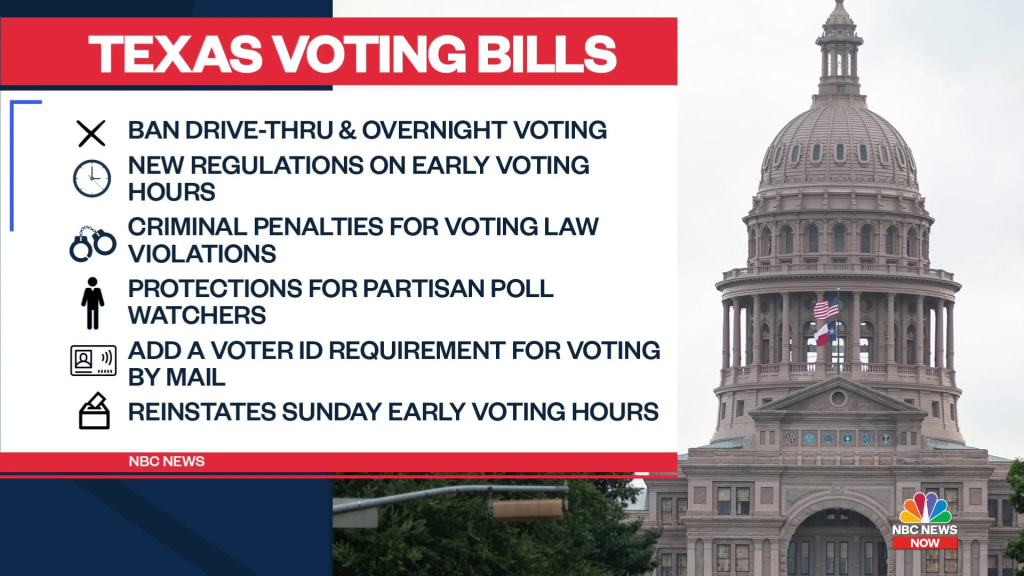
This exploration will delve into the key aspects of the updated voting legislation in Texas, aiming to provide clarity and insight into the current electoral landscape. We will examine the significant changes that have been enacted, their potential implications, and the practical steps voters need to take to ensure their voices are heard. From the intricacies of mail-in voting to the regulations surrounding polling places and voter identification, this guide aims to demystify the process and empower Texans to participate confidently in their democratic journey.
Key Provisions of Texas Voting Law Updates
The legislative landscape surrounding voting in Texas has seen considerable evolution, particularly with the passage of recent bills aimed at reinforcing election security and integrity. These changes have touched upon various stages of the electoral process, from registration to the casting and counting of ballots. Understanding these provisions is paramount for any Texan, whether a long-time resident or a visitor planning to engage in local governance during their stay.
Voter Registration Requirements
The foundation of participation in any election is voter registration. Texas maintains specific requirements for individuals to be eligible to register and cast a ballot. Recent legislation has focused on the accuracy and verification of voter registration data.
Deadlines and Eligibility
To vote in an election in Texas, citizens must be at least 18 years old on Election Day, a resident of the county in which they are registering, and a citizen of the United States. They must also be a legal resident of Texas and not be finally convicted of a felony, or if so convicted, must have fully discharged their sentence, including any term of probation or parole, unless the person is otherwise eligible to vote.
A critical deadline for voter registration is the 30-day period before an election. Applications must be received by the voter registrar by the close of business on the 30th day before Election Day. This means that individuals planning to vote in a particular election must ensure their registration is completed well in advance. For instance, if an election is scheduled for November 5th, the voter registration deadline would typically be October 6th. Missing this deadline renders an individual ineligible to vote in that specific election.
Maintaining Registration Accuracy
The state has implemented measures designed to ensure the accuracy of the voter rolls. This includes processes for removing voters who have moved out of the county or state, or those who have been deceased. While the intent is to maintain up-to-date lists, voters are encouraged to periodically check their registration status to confirm their information is current. The Texas Secretary of State’s office provides resources for voters to verify their registration status online.
Identification Requirements at the Polls
Presenting valid identification is a standard requirement for casting a ballot in person at a polling place in Texas. Recent legislative changes have further defined and, in some instances, expanded the types of identification that are acceptable.
Approved Forms of Identification
Texas law mandates that registered voters present one of the following forms of acceptable photo identification when voting in person:
- A Texas driver license.
- A Texas election identification certificate issued by the Texas Department of Public Safety (DPS).
- A Texas personal identification card issued by the DPS.
- A Texas handgun license issued by the DPS.
- A United States military identification card containing the person’s photograph.
- A United States citizenship certificate containing the person’s photograph.
- A United States lawful permanent resident card containing the person’s photograph.
For voters aged 70 or older, a broader range of identification documents are accepted. In addition to the above, they may present one of the following:
- A copy of a current utility bill that identifies the voter by name and address.
- A copy of a current bank statement that identifies the voter by name and address.
- A copy of a government check or other official document issued to the voter showing the voter’s name and address (such as a document from a government agency for public benefits).
The “Reasonable Impediment Declaration”
For voters who have a “reasonable impediment” to obtaining an acceptable form of photo identification, Texas law provides an alternative. This involves completing a “Reasonable Impediment Declaration” at the polling place. In such cases, the voter will be allowed to present a non-photo identification that contains their name and address, such as a voter registration certificate, and will then be administered an oath and allowed to cast a regular ballot. The declaration attests that the voter has a reasonable impediment to obtaining an acceptable form of photo ID. This provision aims to ensure that voters who face genuine obstacles are not disenfranchised.
Mail-In Voting: Expanding Access and Ensuring Security
Mail-in voting, officially known as “absentee voting” in Texas, is a critical component of the state’s election system, offering a convenient alternative for eligible voters. Recent legislative efforts have focused on streamlining the process while simultaneously bolstering security measures to prevent fraud.
Eligibility for Absentee Ballots
Texas law defines specific circumstances under which a voter is eligible to cast a ballot by mail. These categories are generally intended to accommodate individuals who are unable to vote in person at their designated polling place on Election Day.
Qualifying Conditions
A voter is eligible to vote by mail if they meet one of the following criteria:
- They will be absent from their county of residence on Election Day and during the hours that early voting is open.
- They have a sickness or physical disability that prevents them from appearing at their polling place on Election Day or during early voting, without assistance or tuition.
- They are 65 years of age or older.
- They are incarcerated, provided they have been convicted only of a misdemeanor, have been released from jail, or are otherwise on probation or parole.
It is crucial for individuals to truthfully attest to their eligibility when applying for an absentee ballot. Providing false information can carry legal penalties.
The Application Process

The application for a mail-in ballot must be submitted to the early voting clerk in the county where the voter resides. Applications can typically be obtained from the county clerk’s office or the Texas Secretary of State’s website. The application must be completed and signed by the voter. In some instances, a relative of the voter can assist with the application.
Mail-In Ballot Return and Security Measures
Once a voter receives their mail-in ballot, it must be correctly marked, signed, and returned to the early voting clerk. New legislation has introduced changes aimed at enhancing the security and integrity of the mail-in ballot process.
Signature Verification
A key security measure for mail-in ballots involves signature verification. When an absentee ballot is returned, election officials compare the signature on the carrier envelope with the voter’s signature on file in their voter registration application. This process helps to ensure that the ballot was indeed cast by the registered voter. If there is a discrepancy, the voter is typically given an opportunity to “cure” the issue, meaning they can provide additional verification to confirm their identity.
Limitations on Ballot Collection
Recent laws have also placed restrictions on who can collect and return absentee ballots. Generally, only the voter, their spouse, a parent, an adult child, a sibling, or a person providing medical assistance to the voter is permitted to return an absentee ballot on behalf of the voter. This measure is intended to prevent the unauthorized collection and potential manipulation of ballots. The specific requirements and limitations for returning a mail-in ballot should be carefully reviewed to ensure compliance.
Early Voting and Election Day Procedures
Beyond mail-in voting, Texas offers robust in-person voting options through early voting periods and on Election Day itself. These processes have also been subject to legislative adjustments designed to maintain fairness and efficiency.
The Early Voting Period
Texas law provides an extended period for voters to cast their ballots in person before Election Day. This early voting period typically begins 17 days before Election Day and ends four days before Election Day, with Saturday and Sunday being included in the period.
Polling Locations and Hours
During the early voting period, voters can cast their ballots at any designated early voting polling place within their county. This offers flexibility, allowing individuals to vote at a time and location that best suits their schedule, potentially avoiding the crowds that might be present on Election Day. The specific hours and locations of early voting sites are determined by the county’s early voting clerk and are made publicly available prior to the commencement of the early voting period.
Maintaining Continuity
The intention behind the early voting period is to provide ample opportunity for all registered voters to cast their ballots. The expanded timeframe helps to accommodate diverse work schedules and personal commitments, thereby encouraging higher voter turnout.
Election Day Operations
On Election Day, registered voters must cast their ballots at their assigned precinct polling place. This is the designated location based on their residential address.
Polling Place Operations
Polling places are typically open from 7 a.m. to 7 p.m. local time on Election Day. Voters who arrive at their polling place before 7 p.m. are allowed to vote, even if the line extends past closing time. Election workers are responsible for ensuring that the voting process is conducted in an orderly and secure manner.
Voter Assistance and Rights
Texas law provides for certain types of assistance to voters who may need help. As mentioned previously, assistance with mail-in ballots is restricted, but at the polling place, a voter may receive assistance if they are unable to read or write, or if they have a physical disability that prevents them from marking their ballot. The assistance must be provided by a person of the voter’s choice, with certain exceptions. It is also important for voters to be aware of their rights, including the right to cast a provisional ballot if there is a question about their eligibility at the polling place.
Voter Education and Resources
Navigating the complexities of election laws can be challenging. The state of Texas, along with various non-partisan organizations, provides resources to help voters understand their rights and responsibilities.
Official State Resources
The Texas Secretary of State is the primary state agency responsible for overseeing elections. Their website offers a wealth of information, including:
- Voter registration information and deadlines.
- Links to find registered voter status.
- Information on acceptable forms of identification for voting.
- Guidelines for mail-in voting.
- Contact information for local election officials.
- Election calendars and official notices.
For individuals planning visits to Texas or those considering a longer stay, familiarizing oneself with these official resources well in advance of any election cycle is highly recommended. This proactive approach ensures a smooth and informed voting experience.

Non-Partisan Voter Education Initiatives
Numerous non-partisan organizations are dedicated to promoting voter education and civic engagement across Texas. These groups often provide:
- Accessible guides to voting laws and procedures.
- Voter registration drives.
- Information on candidates and ballot measures (without endorsing specific candidates).
- Assistance in understanding voting rights.
These organizations can be invaluable for individuals seeking a comprehensive and unbiased understanding of the electoral process in Texas. They often offer resources in multiple languages and cater to diverse community needs, ensuring that all eligible Texans have the information they need to participate effectively in their democracy. Whether you are planning a trip to Austin or considering a residency in Houston, being an informed voter is an integral part of being an engaged citizen of Texas.
LifeOutOfTheBox is a participant in the Amazon Services LLC Associates Program, an affiliate advertising program designed to provide a means for sites to earn advertising fees by advertising and linking to Amazon.com. Amazon, the Amazon logo, AmazonSupply, and the AmazonSupply logo are trademarks of Amazon.com, Inc. or its affiliates. As an Amazon Associate we earn affiliate commissions from qualifying purchases.