Motivations for Leaving Florida
The decision to leave a state as desirable as Florida is rarely spontaneous. It is typically the culmination of careful consideration of various life factors, often centered around economic realities, lifestyle preferences, and personal circumstances.
The Push Factors: What Drives Departure?

Several “push factors” compel individuals to seek opportunities beyond Florida. These are the elements that make remaining in the state less appealing compared to potential alternatives.
Rising Cost of Living and Insurance Premiums
One of the most frequently cited reasons for leaving Florida is the escalating cost of living. While historically known for its affordability, recent years have seen significant increases in housing prices, rental rates, and general consumer goods. This is particularly acute in desirable coastal areas and major metropolitan centers. Compounding this is the dramatic rise in homeowners and flood insurance premiums, which have become a substantial financial burden for many residents, especially in hurricane-prone regions. For those on fixed incomes or looking to maximize their savings, these increasing costs can make Florida less tenable.
Economic and Career Opportunities Elsewhere
While Florida has a growing economy, it may not offer the same depth or breadth of opportunities as other established economic centers. Certain industries, such as advanced technology, specialized finance, or specific creative fields, may have more robust job markets, higher salaries, and greater potential for career progression in states like California, Washington, or parts of the Northeast. For ambitious professionals and entrepreneurs, the prospect of better career advancement or higher earning potential can be a powerful motivator to relocate.
Climate Preferences and Natural Disasters
Although Florida’s warm climate is a major draw, it is not universally appealing. Some individuals, particularly those accustomed to four distinct seasons or those sensitive to extreme heat and humidity, may find the year-round warmth less desirable over time. More significantly, the increasing frequency and intensity of hurricanes and other natural disasters, coupled with the associated disruptions and recovery efforts, can lead some residents to seek more geographically stable environments. The constant threat and the financial and emotional toll of preparing for and recovering from storms can be a significant push factor.
The Pull Factors: What Attracts People Away?
Conversely, certain “pull factors” in other states make them more attractive than Florida for specific individuals and families. These are the advantages offered by prospective new homes.
Lower Cost of Living and Taxes in Other States
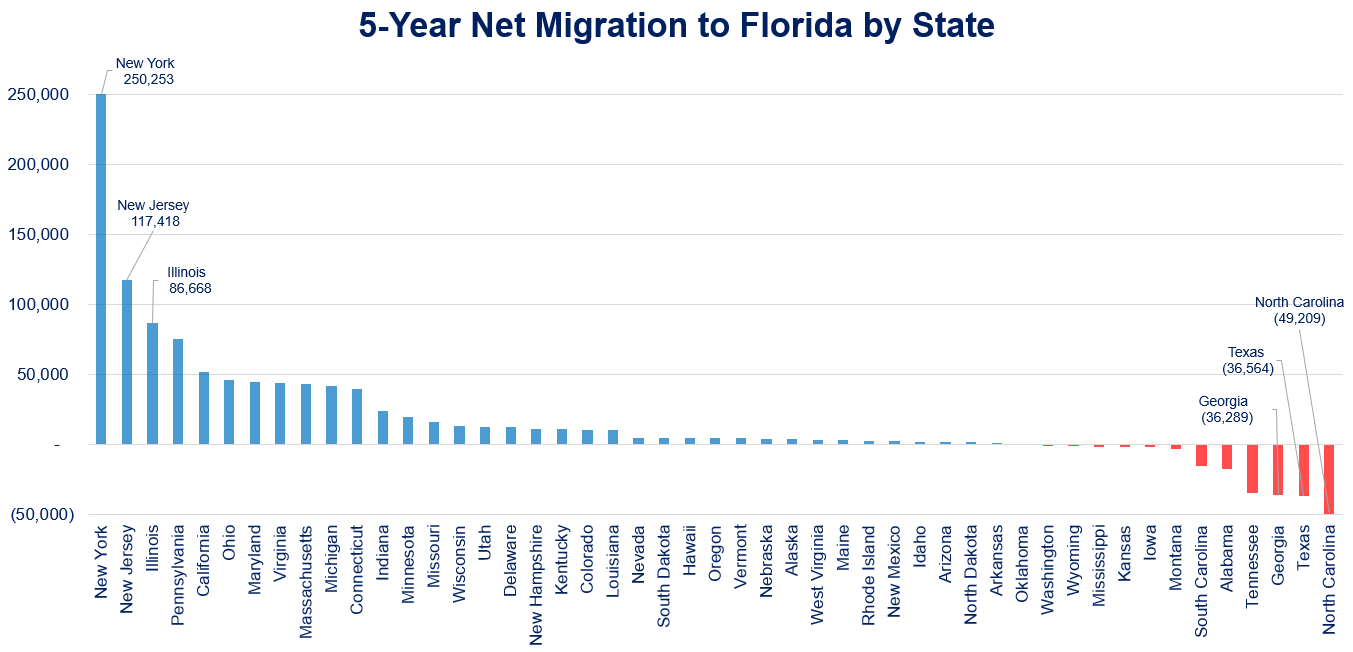
Many states that receive former Florida residents offer a demonstrably lower cost of living, especially concerning housing and property taxes. States like Tennessee and Texas do not have a state income tax, which can be a significant financial draw for individuals and families leaving Florida, which also lacks a state income tax but faces higher costs in other areas. The combination of affordable housing and the absence of state income tax in some destination states presents a compelling financial argument for relocation.
Proximity to Family and Established Social Networks
The gravitational pull of family is a powerful force in migration decisions. Many individuals leave Florida to be closer to children, aging parents, or other relatives who reside in different states. Building or re-establishing social networks, being part of a familiar community, or simply having the support of loved ones can be a primary driver for relocation, outweighing the many attractions of Florida.
Diverse Lifestyles and Environmental Preferences
Florida offers a distinct lifestyle, but it may not appeal to everyone. Some may seek a more urban environment with a different cultural scene, access to mountains or forests for outdoor recreation, or a climate with more distinct seasons. States like Colorado for its mountain landscapes, or parts of the Implications of Outbound Migration for Florida
While Florida continues to experience substantial population growth, understanding the nuances of outbound migration is crucial for policymakers, businesses, and residents alike. It offers a more balanced perspective on the state’s demographic trends and potential future challenges.
Economic Impacts and Workforce Shifts
The departure of residents, particularly skilled workers and families, can have tangible economic consequences. A reduction in the local workforce can lead to labor shortages in certain sectors, potentially impacting business operations and growth. Furthermore, the consumer spending power of those leaving is no longer contributed to the Florida economy. While new residents often fill these gaps, the shift in demographics can influence demand for specific goods and services, impacting local businesses and industries. The outflow of retirees can also affect sectors that cater to this demographic, such as healthcare services and retirement communities.
Shifting Housing Market Dynamics
The outflow of residents can influence the Florida housing market. While demand often outstrips supply, a sustained increase in people leaving could moderate price growth or even lead to a stabilization or slight decrease in certain areas. However, the influx of new residents, often from more expensive states, can counteract this effect, keeping demand high. Understanding these opposing forces is key to predicting future housing trends. The impact on rental markets and the availability of affordable housing can also be affected by these demographic shifts.
Cultural and Social Fabric Evolution
Population movement inevitably shapes the cultural and social fabric of a region. As people leave Florida and new people arrive, the state’s demographic profile, cultural norms, and community dynamics evolve. The departure of long-term residents can lead to a loss of institutional knowledge and established community traditions. Conversely, new arrivals bring fresh perspectives, skills, and cultural influences. This continuous flow of people ensures that Florida remains a dynamic and evolving state, constantly adapting to the changing needs and preferences of its inhabitants. The “snowbird” phenomenon, while a significant part of Florida’s identity, also hints at the transient nature of some residency, adding another layer to its complex population dynamics.
In conclusion, while Florida remains a top destination for many, the numbers of people leaving are significant and driven by a complex interplay of economic, lifestyle, and personal factors. Acknowledging and understanding these outbound migration trends provides a more comprehensive and insightful view of the state’s demographic landscape.
LifeOutOfTheBox is a participant in the Amazon Services LLC Associates Program, an affiliate advertising program designed to provide a means for sites to earn advertising fees by advertising and linking to Amazon.com. Amazon, the Amazon logo, AmazonSupply, and the AmazonSupply logo are trademarks of Amazon.com, Inc. or its affiliates. As an Amazon Associate we earn affiliate commissions from qualifying purchases.

