
When planning a trip to New Orleans, travelers often encounter a unique term: “parish.” Unlike the rest of the United States, where states are divided into counties, Louisiana stands apart with its 64 parishes. This distinctive administrative structure is a fascinating remnant of the state’s French and Spanish colonial heritage, deeply intertwined with its rich history and vibrant culture. For those looking to fully immerse themselves in the New Orleans experience, understanding what these parishes are – and specifically, which one encompasses the Crescent City itself – is key to unlocking a broader range of travel, tourism, and lifestyle opportunities.
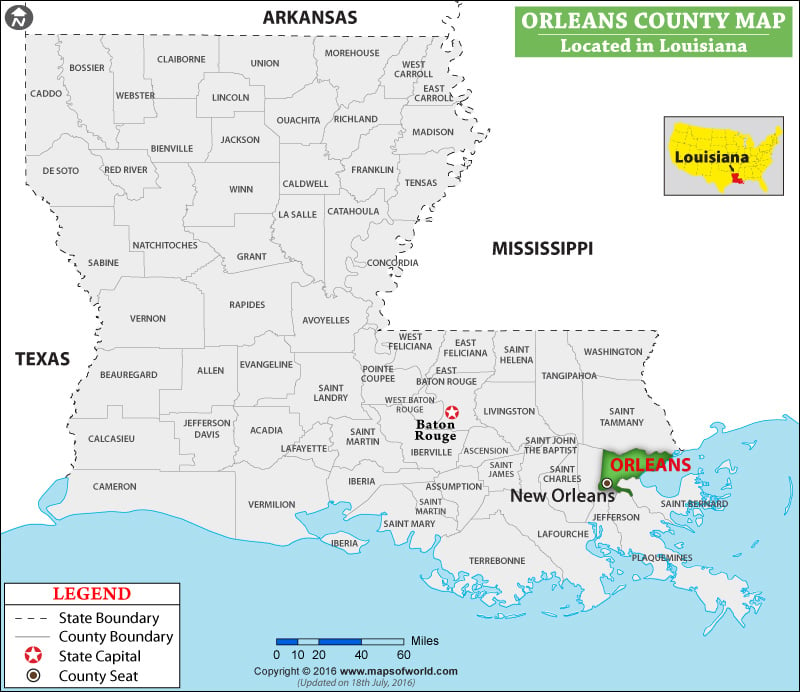
Beyond the iconic wrought-iron balconies and jazz-filled streets of its most famous neighborhoods, the “parish” system defines not just the political landscape but also the regional identity, influencing everything from local governance to the cultural nuances you’ll encounter. This guide will demystify Louisiana’s parishes, focusing on Orleans Parish, which is coterminous with New Orleans, and then venture into the surrounding areas to reveal how neighboring parishes offer diverse attractions, accommodations, and experiences that can enhance any visit to this enchanting corner of the South.
Understanding Louisiana’s Unique Parishes
Louisiana’s use of the term “parish” instead of “county” is a direct legacy of its colonial past. When French and Spanish settlers established the territory, the dominant administrative divisions were ecclesiastical parishes of the Catholic Church. These religious boundaries often served as the de facto civil and political units. Even after the Louisiana Purchase in 1803 and its eventual statehood, the established terminology stuck, making Louisiana the only state in the U.S. to retain this unique designation.
A Historical and Administrative Overview
Historically, the parish system facilitated a blend of religious and civil governance, deeply influencing community life and land division. Today, while the religious connotations are largely historical, the term “parish” remains the official designation for Louisiana’s primary administrative subdivisions, performing functions similar to counties in other states. They each have their own local governments, courts, and distinct cultural identities that contribute to the state’s overall tapestry. There are 64 parishes in total, each offering a glimpse into the diverse geography, history, and vibrant traditions of the Pelican State.
For the traveler, understanding this distinction is more than just a trivia fact; it helps to contextualize the regional differences and specific attractions. When someone refers to “going down the parish,” they are often speaking about exploring the unique communities and landscapes outside of the immediate urban core of New Orleans, each with its own charm and appeal for tourism, local culture, and distinct experiences.
The Heart of the Crescent City: Orleans Parish
The most crucial parish for anyone visiting New Orleans is Orleans Parish itself. This is where the term takes on a particularly interesting meaning, as Orleans Parish is coterminous with the City of New Orleans. This means that the city and the parish share the exact same geographical boundaries and government structure, making them one and the same in a unique consolidated city-parish government system.
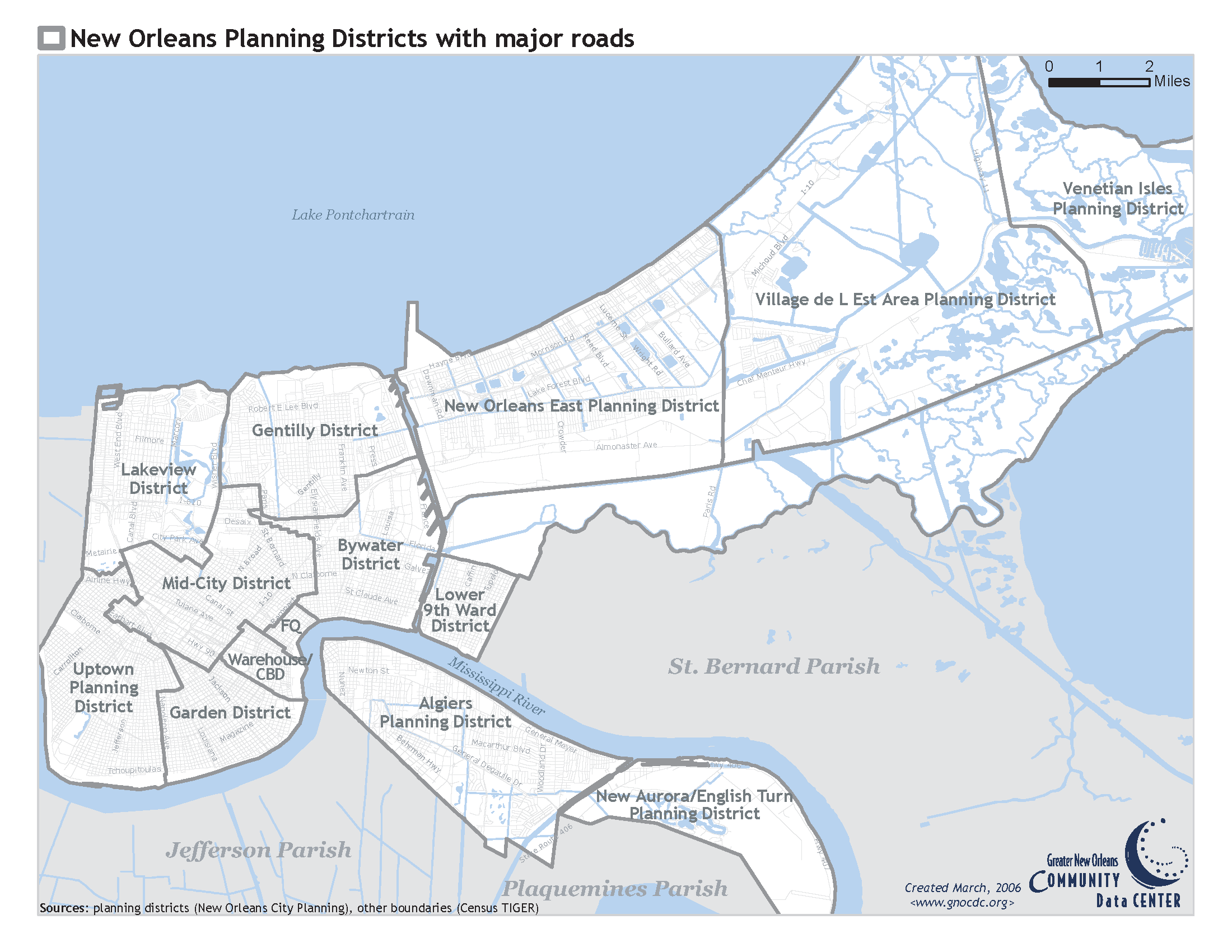
Within Orleans Parish are all the iconic landmarks and vibrant neighborhoods that make New Orleans a world-renowned travel destination. This includes the historic French Quarter with its architectural marvels and lively Bourbon Street, the elegant mansions and ancient oaks of the Garden District, the bustling Central Business District (CBD) with its modern hotels and convention centers, and the bohemian vibes of Marigny and Bywater. Also found here are the collegiate atmosphere of Uptown and the local flavor of Mid-City, home to City Park and the New Orleans Museum of Art.
When you book a hotel, dine at a restaurant, or visit an attraction within New Orleans, you are undoubtedly experiencing Orleans Parish. This area offers a comprehensive range of accommodations, from luxury resorts and boutique hotels in the French Quarter to charming guesthouses in the Marigny or convenient apartment rentals in the CBD. Tourism here is a rich tapestry of history, music, food, and festivals, providing endless opportunities for both first-time visitors and seasoned travelers to dive deep into the city’s unique lifestyle.
Beyond the City Limits: Exploring Greater New Orleans Parishes
While Orleans Parish is the beating heart of New Orleans, the surrounding parishes offer a wealth of diverse experiences, from tranquil natural landscapes to historical sites and distinct local cultures. Venturing beyond the city limits is an excellent way to broaden your understanding of the region, discover hidden gems, and experience different facets of Louisiana life. These adjacent parishes provide opportunities for unique attractions, different types of accommodations, and a chance to enjoy activities that might not be available within the city’s bustling core.
Jefferson Parish: A Blend of Urban and Coastal Charm
Immediately bordering Orleans Parish to the west, Jefferson Parish is Louisiana’s second-most populous parish. It presents a fascinating blend of urban development, suburban communities, and captivating coastal environments. Major cities like Metairie and Kenner offer extensive shopping, dining, and family-friendly attractions, often at a more accessible price point than in New Orleans proper, making it a popular choice for budget-conscious travelers seeking convenient accommodation.
For those interested in natural wonders and outdoor adventures, Jefferson Parish truly shines. The Jean Lafitte National Historical Park and Preserve in Marrero offers fascinating swamp tours where you can explore the bayous, observe wildlife, and learn about Cajun culture. Further south, the charming fishing village of Westwego provides an authentic glimpse into Louisiana’s fishing heritage. For a true escape, a drive to Grand Isle, Louisiana’s only inhabited barrier island, promises world-class fishing, birdwatching, and pristine beaches – perfect for a long-term stay or a weekend getaway offering a completely different lifestyle from the city.
St. Tammany Parish: The Northshore’s Natural Beauty
Crossing Lake Pontchartrain via the Causeway Bridge (one of the longest bridges over water in the world) brings you to St. Tammany Parish, often referred to as the “Northshore.” This parish offers a stark contrast to the bustling city, with its lush pine forests, picturesque waterways, and a more relaxed, family-friendly atmosphere. Towns like Covington, Mandeville, and Slidell are known for their charming downtowns, local boutiques, and excellent dining options.
St. Tammany Parish is a haven for nature lovers and those seeking outdoor activities. The Tammany Trace, a 31-mile paved rail-to-trail conversion, is perfect for cycling, jogging, or leisurely strolls, winding through scenic woodlands and small towns. Bogue Chitto State Park offers opportunities for canoeing, kayaking, hiking, and camping. Accommodation here ranges from quaint bed and breakfasts in historic homes to modern hotels and even luxury glamping experiences, catering to a lifestyle focused on tranquility and natural beauty. It’s an ideal destination for family trips or those looking for a peaceful retreat after the excitement of New Orleans.
St. Bernard Parish: History, Wetlands, and Seafood
Southeast of New Orleans lies St. Bernard Parish, a community rich in history and defined by its unique bayou landscape. This parish played a pivotal role in American history as the site of the decisive Battle of New Orleans in 1815. Visitors can explore the Chalmette Battlefield, a national park that preserves the site where Andrew Jackson’s forces famously defended the city against the British.
Beyond its historical significance, St. Bernard Parish is celebrated for its abundant wetlands, making it a prime destination for eco-tourism. Fishing charters, airboat tours, and birdwatching excursions are popular activities, allowing visitors to get up close with Louisiana’s diverse ecosystem. The parish is also renowned for its fresh seafood, particularly its oysters and shrimp, which are a cornerstone of the local culinary culture. Accommodation options are generally more local, with guesthouses and fishing lodges offering an authentic experience for those seeking a deeper dive into the region’s heritage and natural beauty.
Plaquemines Parish: The End of the Earth (and the River)
Stretching far south where the mighty Mississippi River empties into the Gulf of Mexico, Plaquemines Parish offers a truly unique and rugged Louisiana experience. This remote parish is a paradise for serious anglers, boasting some of the best offshore and inshore fishing in the world. Charter boats depart daily, taking visitors to prime spots for redfish, speckled trout, tuna, and more.
The landscape here is dramatic, characterized by vast expanses of wetlands, citrus groves, and a network of bayous and canals. It’s a place where the human touch is minimal, and nature reigns supreme, offering an unparalleled sense of adventure and tranquility. While accommodation can be sparse, fishing lodges and rustic cabins provide the perfect base for an immersive outdoor lifestyle trip. Exploring Plaquemines Parish is a journey to the edge of the continent, ideal for those seeking an untamed, authentic Louisiana experience away from the tourist crowds.
The River Parishes: Plantations and History
Moving upriver from New Orleans along the Mississippi River are what are collectively known as the “River Parishes,” which include St. Charles Parish, St. John the Baptist Parish, St. James Parish, and Ascension Parish. This corridor is famed for its historic plantation homes, offering a poignant and often sobering glimpse into the antebellum South.
Landmarks like Oak Alley Plantation with its iconic canopy of live oaks, Laura Plantation known for its Creole heritage and rich stories of enslaved people, and Destrehan Plantation, the oldest documented plantation house in the lower Mississippi Valley, provide invaluable historical insights. Visitors can take guided tours, explore the grounds, and learn about the complex social and economic structures of the era. Many offer overnight stays in charming guest cottages, providing a unique accommodation experience that transports you back in time. These parishes are perfect for history buffs and those interested in a deeper cultural understanding of Louisiana, blending significant landmarks with profound historical narratives.

Planning Your New Orleans Parish Adventure
Integrating the exploration of Louisiana’s parishes into your New Orleans itinerary can significantly enrich your travel experience. While Orleans Parish provides the essential vibrant city life, the surrounding parishes offer a spectrum of diverse landscapes, historical narratives, and unique cultural encounters.
Consider basing yourself in a New Orleans hotel for the initial part of your trip, allowing easy access to the city’s main attractions, famous restaurants, and lively music scene. The city boasts everything from opulent luxury hotels in the French Quarter and CBD to charming boutique guesthouses and budget-friendly accommodations that cater to all preferences and lifestyles.
For day trips or multi-day excursions, renting a car is highly recommended to explore parishes like Jefferson, St. Tammany, St. Bernard, Plaquemines, and the River Parishes. Public transportation outside of Orleans Parish is limited, and a vehicle provides the flexibility to truly immerse yourself in the natural beauty and historical landmarks of these regions. Many tour operators in New Orleans also offer guided excursions to the swamp tours or plantation homes, providing convenient options if you prefer not to drive.
When planning, think about the type of lifestyle and experiences you seek. If you’re a nature enthusiast, consider extending your stay to include a few nights in St. Tammany Parish for hiking and kayaking, or head south to Grand Isle in Jefferson Parish for an unforgettable fishing trip. History buffs will want to dedicate ample time to the River Parishes to explore the various plantations and museums, perhaps even booking a unique stay in a historic cottage. Families might appreciate the wider open spaces and outdoor activities found on the Northshore, offering a different pace from the vibrant city.
Ultimately, understanding Louisiana’s parish system opens up a world of possibilities beyond the conventional tourist path. It allows you to craft a travel experience that’s both diverse and deeply authentic, blending the iconic attractions of New Orleans with the distinct charm, history, and natural beauty of its surrounding communities. From luxury resorts to rustic cabins, urban exploration to serene natural escapes, the parishes of New Orleans and its wider region offer an unparalleled journey through the heart of Louisiana culture and heritage.
LifeOutOfTheBox is a participant in the Amazon Services LLC Associates Program, an affiliate advertising program designed to provide a means for sites to earn advertising fees by advertising and linking to Amazon.com. Amazon, the Amazon logo, AmazonSupply, and the AmazonSupply logo are trademarks of Amazon.com, Inc. or its affiliates. As an Amazon Associate we earn affiliate commissions from qualifying purchases.