
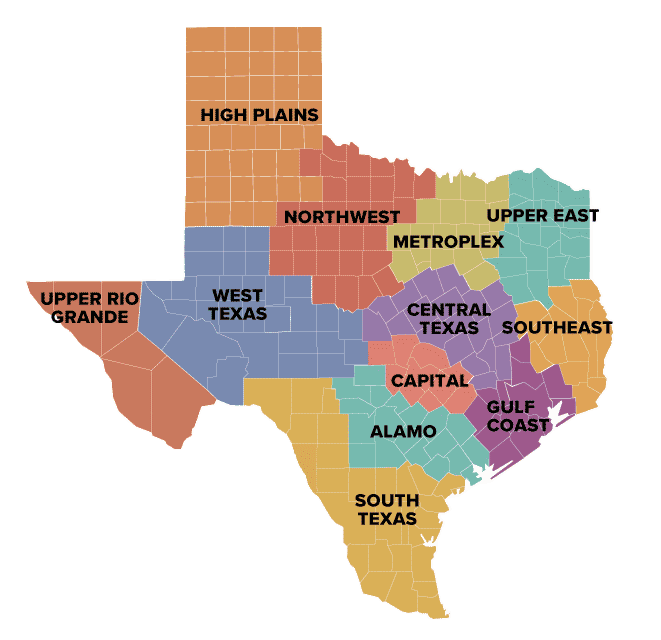
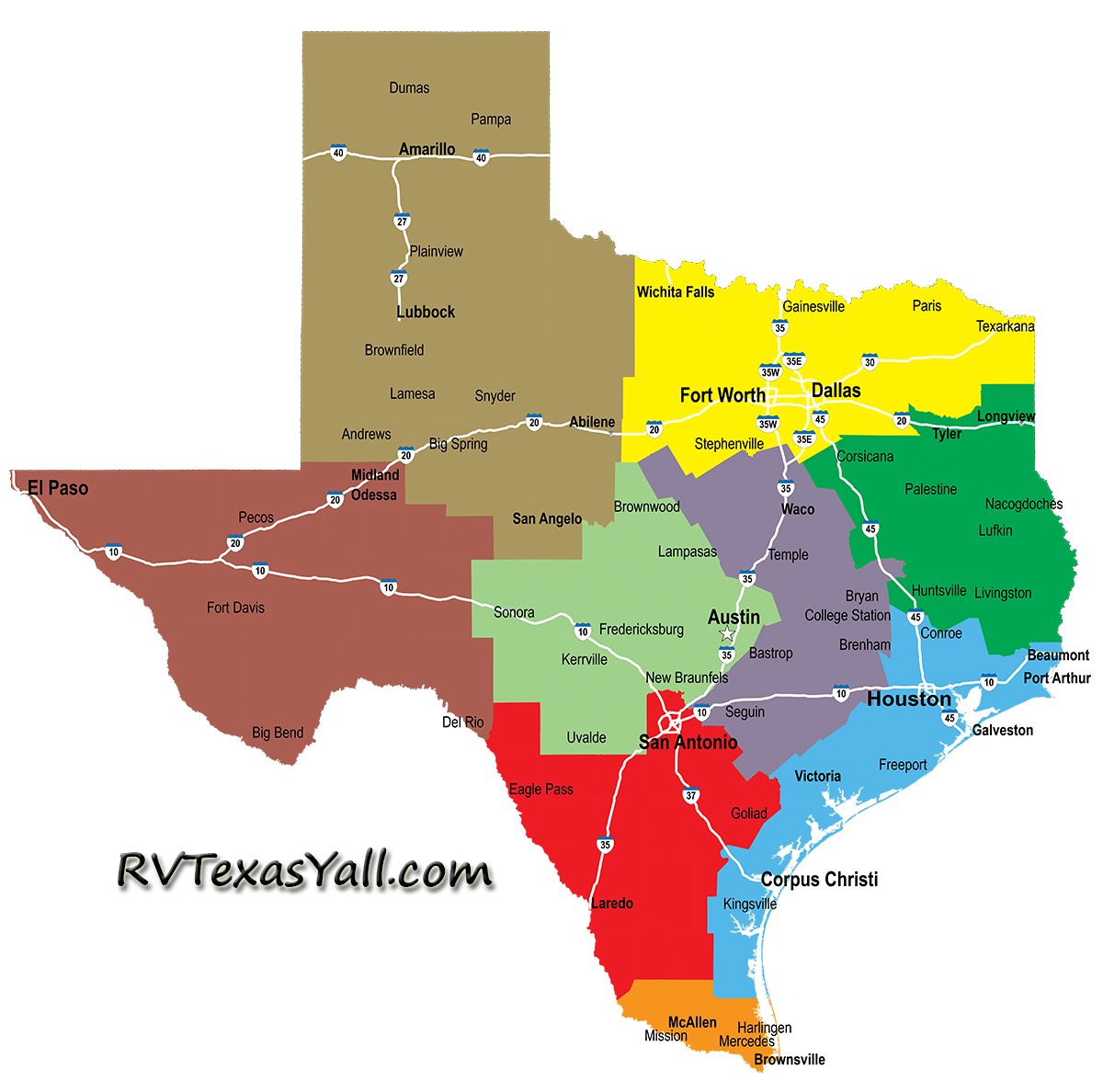
Texas, a state renowned for its vastness and diverse landscapes, is more than just a single entity; it’s a tapestry woven from distinct geographical, cultural, and economic regions. Understanding these areas is key to appreciating the full scope of what the Lone Star State has to offer, from its bustling metropolises to its serene natural wonders. Each region boasts its own unique character, shaped by history, industry, and the people who call it home.
The Panhandle Plains
Stretching across the northernmost part of Texas, the Panhandle Plains is a region defined by its wide-open skies, flat terrain, and a spirit of rugged independence. This is the heartland of Texas agriculture and ranching, where vast ranches and fertile farmlands dominate the landscape. The economy here has historically been tied to cattle, cotton, and more recently, wind energy and oil and gas production.
Amarillo: Gateway to the Panhandle
The largest city in this region, Amarillo, serves as a vital hub for commerce and transportation. Travelers passing through often stop to experience the quirky Cadillac Ranch, an iconic roadside art installation, or to challenge their appetites at the legendary Big Texan Steak Ranch, famous for its 72-ounce steak challenge. The Palo Duro Canyon State Park, often called the “Grand Canyon of Texas,” offers breathtaking geological formations and opportunities for hiking and exploring.
High Plains Agriculture
The flat, fertile soil of the High Plains is a testament to the agricultural prowess of the region. This area is a major producer of cotton, wheat, corn, and sorghum. The pervasive presence of agriculture shapes the culture and economy, fostering a strong sense of community and self-reliance among its residents.
The North Texas Region
North Texas, with its dynamic blend of urban sophistication and rural charm, is a crucial economic and cultural corridor. This region is home to the Dallas-Fort Worth Metroplex, one of the most populous and economically significant metropolitan areas in the United States.
Dallas: The Big D
Dallas is a global center for business, finance, and culture. Visitors can explore world-class museums like the Dallas Museum of Art and the Perot Museum of Nature and Science. The city’s culinary scene is vibrant, offering everything from upscale dining to authentic Tex-Mex. The historic West End district is a poignant reminder of the city’s past, particularly the assassination of President John F. Kennedy.
Fort Worth: Cowtown Charm
Adjacent to Dallas, Fort Worth retains a more traditional Western identity, earning it the nickname “Cowtown.” The Fort Worth Stockyards National Historic District offers a glimpse into the city’s rich cattle trading history with daily cattle drives and rodeos. The Cultural District boasts several impressive museums, including the Kimbell Art Museum and the Modern Art Museum of Fort Worth.
Emerging Cities and Towns
Beyond the Metroplex, North Texas includes numerous smaller cities and towns that contribute to the region’s economic vitality. Areas like McKinney and Frisco are experiencing rapid growth, attracting new residents and businesses with their quality of life and economic opportunities.
East Texas
Known for its lush pine forests, rolling hills, and abundant water resources, East Texas offers a different kind of Texan experience. This region has a strong historical connection to the timber industry, oil production, and a culture that often blends Southern hospitality with Texan pride.
The Piney Woods
The iconic Piney Woods dominate the landscape, creating a serene and verdant environment. This area is perfect for outdoor enthusiasts, with opportunities for hiking, camping, and exploring natural beauty. State parks like Tyler State Park and the Big Thicket National Preserve offer diverse ecosystems and a chance to connect with nature.
Shreveport-Longview Area
While Shreveport is technically in Louisiana, its proximity and strong economic ties make the Longview and surrounding Texas areas a distinct sub-region. Longview itself is a significant center for oil and gas, manufacturing, and retail. The region’s history is deeply intertwined with the discovery of oil, which transformed many small towns into thriving industrial centers.
Cultural Heritage
East Texas preserves a rich cultural heritage, influenced by its Southern neighbors. This can be seen in its music, food, and the welcoming nature of its communities. The region also played a role in the Civil War and the early days of the oil boom, with historical sites offering insights into these pivotal periods.
Central Texas
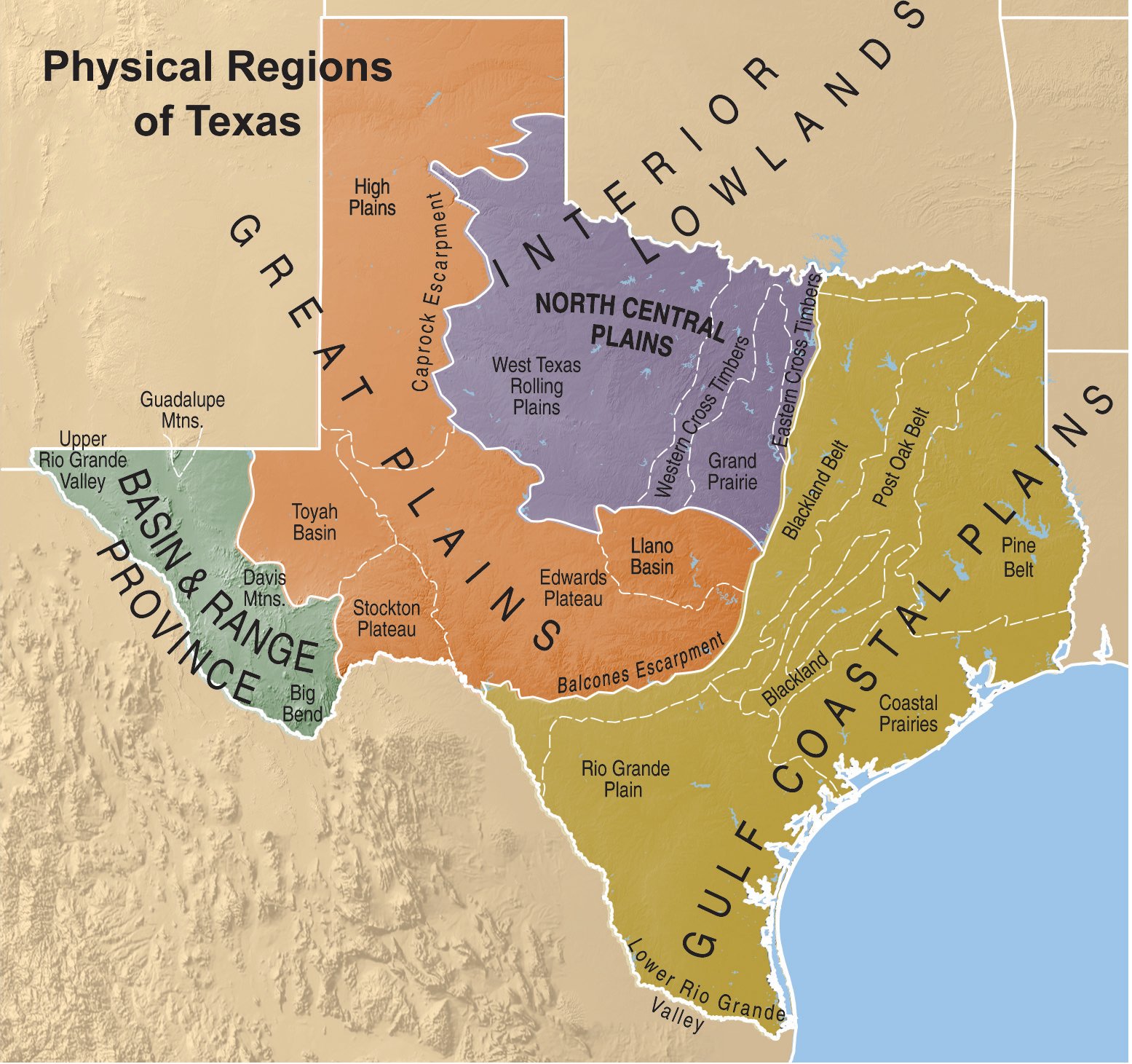
Central Texas is a region of contrasts, where rolling hills meet burgeoning metropolises, and a vibrant cultural scene thrives. This area is often seen as the heartland of Texas, blending its historical roots with a forward-looking perspective.
Austin: The Live Music Capital of the World
Austin is the state capital and a global hub for technology and live music. Known for its eclectic vibe, progressive politics, and renowned music scene, Austin draws visitors with its countless live music venues, vibrant nightlife, and thriving food truck culture. Key attractions include the Texas State Capitol Building, the Barton Creek Greenbelt for outdoor recreation, and the unique Congress Avenue Bridge bat colony that emerges each evening.
The Texas Hill Country
West of Austin and San Antonio lies the picturesque Texas Hill Country. This region is characterized by its rolling hills, crystal-clear rivers, and charming small towns like Fredericksburg, known for its German heritage, wineries, and peach orchards. The Guadalupe River and the Colorado River offer opportunities for tubing, kayaking, and swimming. The region is also dotted with numerous vineyards, making it a popular wine-tasting destination.
San Antonio: A Rich Blend of Cultures
San Antonio is a city steeped in history and rich with a unique blend of Spanish, Mexican, and American influences. Its most famous landmark, the Alamo, is a symbol of Texan courage and independence. The historic San Antonio River Walk, a network of walkways along the San Antonio River, is lined with restaurants, shops, and hotels, offering a vibrant atmosphere day and night. Other significant sites include the San Antonio Missions National Historical Park, a UNESCO World Heritage site.
South Texas
South Texas is a region of subtropical climate, rich agricultural land, and a strong cultural identity shaped by its proximity to Mexico. This area is known for its warm weather, unique cuisine, and a slower pace of life that contrasts with the state’s bustling northern cities.
The Rio Grande Valley
The Rio Grande Valley is a fertile agricultural region, a major producer of citrus fruits, vegetables, and cotton. Cities like McAllen, Brownsville, and Harlingen form the economic core of this area. The region also boasts a significant bird population, making it a prime destination for birdwatching. The close cultural and economic ties to Mexico are evident in the language, food, and traditions of its residents.
Coastal Bend
The Coastal Bend area, encompassing cities like Corpus Christi and Port Aransas, offers a distinct coastal experience. Known for its beaches, fishing, and water sports, this region is a popular vacation destination. Padre Island National Seashore, the longest undeveloped barrier island in the world, provides a pristine natural environment for exploration.
Laredo: A Border City
Laredo, situated on the Rio Grande directly across from Nuevo Laredo, is a major hub for international trade and transportation between the United States and Mexico. The city’s culture is deeply influenced by its border location, with a unique blend of American and Mexican traditions.
West Texas
West Texas is a region of grandeur and isolation, characterized by its vast desert landscapes, dramatic mountain ranges, and a spirit of resilience. This area offers some of the most stunning natural scenery in Texas, along with a unique cultural heritage shaped by its frontier history.
El Paso: The Sun City
Located on the westernmost tip of Texas, El Paso sits on the border with Mexico and across the Rio Grande from Ciudad Juárez. Known as the “Sun City,” it boasts a rich history, a vibrant Hispanic culture, and stunning views of the Franklin Mountains. Attractions include the El Paso Mission Trail, the El Paso Museum of Art, and the panoramic vistas from Franklin Mountains State Park.
Big Bend Country
Perhaps the most iconic part of West Texas is Big Bend Country, home to the breathtaking Big Bend National Park. This vast expanse of desert, mountains, and river offers unparalleled opportunities for adventure, including hiking, stargazing in one of the darkest skies in the continental United States, and exploring the rugged terrain. Nearby, the Big Bend Ranch State Park offers an even more remote and wild experience. The unique geological formations and diverse flora and fauna make this region a natural wonderland.
Permian Basin
The Permian Basin is a vast geological formation that spans parts of West Texas and southeastern New Mexico. It is one of the most significant oil-producing regions in the world, and its economy is heavily influenced by the energy industry. Cities like Midland and Odessa are the economic centers of this region, characterized by oil fields, pipelines, and a workforce dedicated to energy production.
The Texas Coast
Stretching for nearly 370 miles, the Texas Coast is a region of sandy beaches, vibrant port cities, and vital coastal ecosystems. This area is a significant economic driver for the state, largely due to its extensive oil and gas industry and its role as a major shipping route.
Houston: The Energy Capital
While Houston is a sprawling metropolis with diverse industries, its coastal proximity and immense contributions to the oil and gas sector firmly place it within the broader coastal region. As the fourth-largest city in the United States, Houston is a global center for the energy industry, aerospace (home to NASA’s Johnson Space Center), and medicine. Its diverse population contributes to a rich culinary scene and a vibrant cultural landscape, with attractions like the Museum District and the Houston Zoo.
Galveston Island
Galveston Island, a barrier island south of Houston, is a historic port city with a rich past and a lively present. Known for its Victorian architecture, sandy beaches, and historic Strand district, Galveston offers a classic coastal vacation experience. The island also plays a crucial role in the petrochemical industry and is a popular destination for cruise ships.
The Gulf Intracoastal Waterway
The Gulf Intracoastal Waterway runs parallel to the Texas coastline, serving as a vital transportation artery for goods and materials. This waterway connects numerous ports and industrial facilities along the coast, underscoring the region’s importance in commerce and industry. The diverse marine life and coastal wetlands also make this area significant for ecological conservation and recreation.
In conclusion, the regions of Texas are as varied and compelling as the state itself. From the vast plains of the Panhandle to the subtropical charm of the South Texas coast, each area offers a unique slice of the Texan experience, inviting exploration and discovery for every traveler.
LifeOutOfTheBox is a participant in the Amazon Services LLC Associates Program, an affiliate advertising program designed to provide a means for sites to earn advertising fees by advertising and linking to Amazon.com. Amazon, the Amazon logo, AmazonSupply, and the AmazonSupply logo are trademarks of Amazon.com, Inc. or its affiliates. As an Amazon Associate we earn affiliate commissions from qualifying purchases.