
Embracing Civic Engagement: A Cornerstone of the Colorado Lifestyle
Becoming an active participant in the democratic process is a fundamental aspect of establishing a well-rounded and engaged lifestyle in any community. In Colorado, a state renowned for its vibrant communities, stunning natural landscapes, and forward-thinking populace, understanding the requirements to vote is a crucial step for residents seeking to fully immerse themselves in the local fabric. Far more than a mere bureaucratic formality, the act of voting represents a commitment to the collective future of the state, influencing everything from local infrastructure and education to environmental policies that protect Colorado’s cherished wilderness. For those new to the Centennial State, or long-term residents looking to refresh their civic knowledge, delving into these requirements offers insight into the participatory lifestyle that defines many Coloradoans.

The Foundation: Basic Eligibility
Before embarking on the voter registration journey, prospective voters in Colorado must meet several foundational eligibility criteria, common across most jurisdictions in the United States but with specific nuances for the state. These pillars ensure that the electoral process remains fair, secure, and representative of the state’s legitimate residents. Understanding these basic tenets is the initial step towards integrating voting into your civic lifestyle.
Residency: Establishing Your Colorado Connection
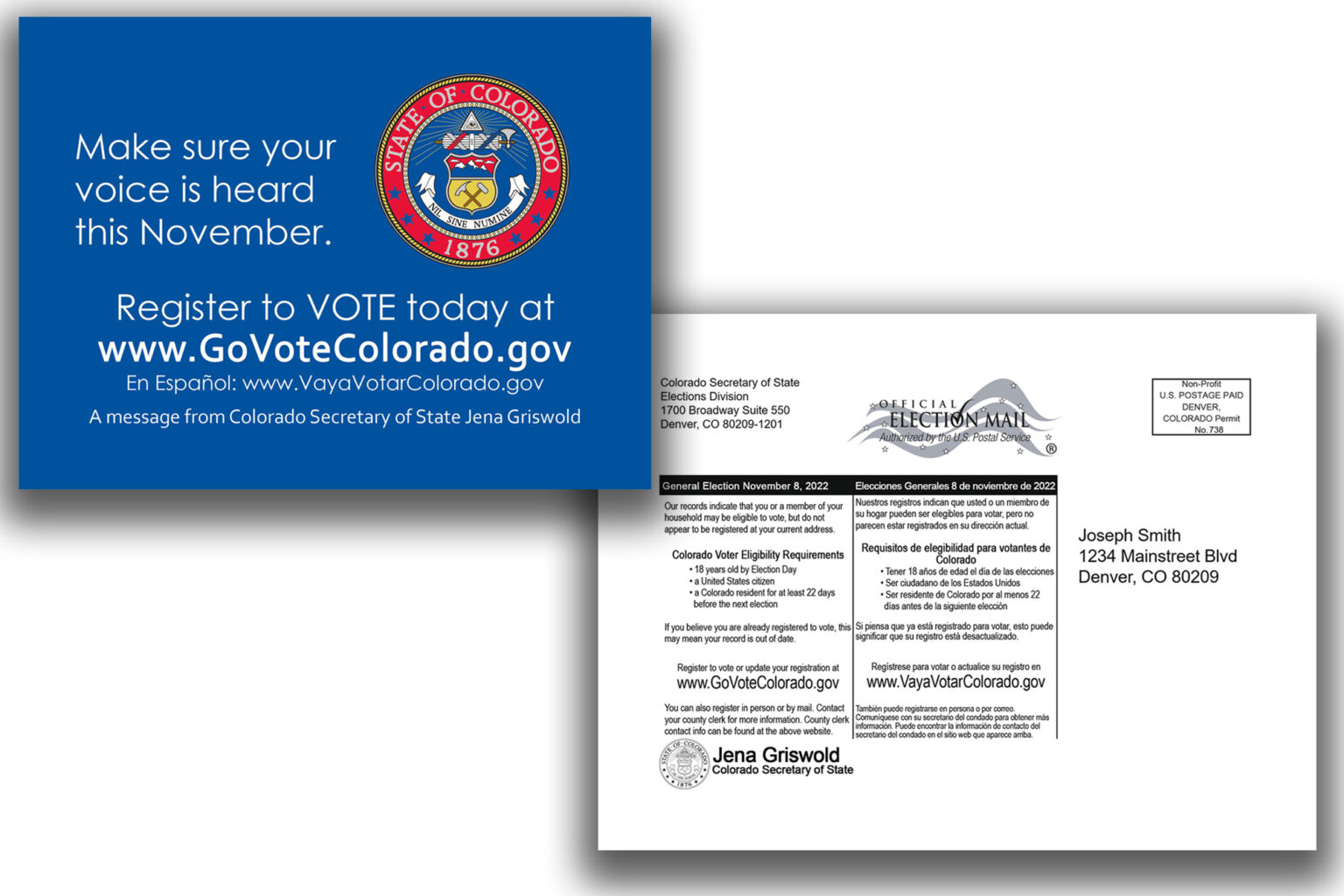
To vote in Colorado, you must be a resident of the state for at least 22 days immediately before the election at which you intend to vote. This residency requirement is key to preventing voter fraud and ensuring that individuals are voting in the community where they genuinely live and have a vested interest. Establishing residency isn’t just about living in Colorado; it implies an intention to remain in the state. For many, this aligns with the lifestyle choice of making Colorado their permanent home, whether in bustling cities like Denver, the academic hub of Boulder, or the serene mountain communities. Proving residency can involve documentation such as a Colorado driver’s license, state ID card, utility bill, bank statement, or even a paycheck from an employer in the state.
Age and Citizenship
Beyond residency, two other critical requirements form the bedrock of eligibility. First, you must be a citizen of the United States. This is a nationwide standard for federal, state, and local elections. Second, you must be at least 18 years old by the date of the election. Colorado does allow 17-year-olds to preregister to vote, and they can even vote in a primary election if they will turn 18 by the general election. This foresight encourages younger citizens to embrace an engaged lifestyle from an early age, fostering a lifelong habit of civic participation that strengthens the community’s democratic health.
Registration: Your Gateway to Participation
Once basic eligibility criteria are met, the next step in integrating civic engagement into your Colorado lifestyle is voter registration. Colorado is recognized nationally for its accessible and convenient registration processes, reflecting a broader state commitment to maximizing voter participation. This user-friendly approach ensures that the barrier to entry for civic involvement is remarkably low, encouraging more residents to actively shape their community’s future.
How to Register: Convenience and Accessibility
Colorado offers multiple avenues for voter registration, making it incredibly simple to get on the rolls. This ease of access is a key component of the state’s proactive stance on civic participation.
- Online Registration: For many, the most convenient method is registering online. The Colorado Secretary of State‘s website provides a secure and straightforward portal where eligible citizens can register or update their existing registration. This requires a valid Colorado driver’s license or state ID card number.
- Mail-in Registration: You can download a voter registration form from the Colorado Secretary of State’s website, print it, fill it out, and mail it to your county clerk and recorder. This traditional method remains a reliable option for those who prefer paper forms.
- In-Person Registration: Registration is also available in person at your county clerk and recorder’s office, driver’s license offices, or certain designated voter service and polling centers during active election periods. This provides an opportunity for direct assistance and ensures that any questions or unique situations can be addressed immediately.
- Automatic Voter Registration: In a significant move to streamline the process and encourage participation, Colorado also has automatic voter registration. When eligible citizens interact with the Department of Motor Vehicles for services like obtaining or renewing a driver’s license, they are given the opportunity to register to vote or update their existing registration, simplifying the integration of civic duty into routine tasks.
Deadlines and Updates
Colorado has some of the most flexible voter registration deadlines in the United States. You can register to vote up to and including Election Day itself, in person at a voter service and polling center. While it is always advisable to register as early as possible to ensure your information is processed smoothly and you receive your ballot by mail, this “same-day registration” provision ensures that nearly everyone who is eligible and wishes to vote has the opportunity to do so. Furthermore, it is a crucial aspect of responsible civic lifestyle to keep your voter registration information up-to-date, especially if you move within Colorado, change your name, or wish to change your party affiliation. Regularly checking your registration status online through the Colorado Secretary of State’s website is a good habit for any engaged resident.
The Voting Process: Methods and Accessibility

Colorado has been a pioneer in creating an accessible and convenient voting process, primarily through its universal mail-in ballot system. This innovative approach reflects a commitment to a modern civic lifestyle, removing traditional barriers and making participation easier for everyone, from busy professionals in Fort Collins to rural residents near Grand Junction.
Mail-in Ballots: Colorado’s Universal Approach
Every registered voter in Colorado receives a ballot in the mail approximately three weeks before Election Day. This system has dramatically increased voter turnout and convenience, allowing residents to research candidates and issues at their leisure, in the comfort of their homes. It embodies a thoughtful approach to civic engagement, acknowledging that an informed vote often requires time and consideration. You can complete your ballot at home and return it through various methods:
- Mail: Simply affix appropriate postage and drop it in any United States Postal Service mailbox. Be mindful of postal service cut-off times to ensure your ballot is postmarked by Election Day.
- Drop-Off Boxes: Colorado provides numerous secure drop-off boxes located across counties, accessible 24/7 during the voting period. These boxes are monitored and cleared regularly by election officials, offering a convenient and secure alternative to mailing.
- Voter Service and Polling Centers: During the voting period, you can drop off your completed mail ballot at any voter service and polling center in your county.
This multifaceted approach to ballot return caters to diverse preferences and schedules, supporting an active and integrated lifestyle for all Colorado residents.
In-Person Voting and Drop-Off Locations
While mail-in voting is universal, Colorado also maintains voter service and polling centers in each county. These centers are typically open for several days leading up to and including Election Day. They serve several crucial functions:
- Same-Day Registration: As mentioned, you can register and vote on the same day at these centers.
- Ballot Replacement: If your mail-in ballot is lost, damaged, or you need a new one for any reason, you can obtain a replacement ballot here.
- Assistance: Voters needing assistance due to disabilities or language barriers can receive help from trained election judges.
- Traditional Voting Experience: For those who prefer the traditional act of casting a ballot in person, these centers provide that option.
The availability of these centers ensures that accessibility remains a priority, reinforcing Colorado’s commitment to broad civic participation as part of its distinct lifestyle.
Voter ID Requirements
For mail-in ballots, no identification is required when returning your ballot by mail or through a drop-off box, as your signature on the return envelope is matched against the signature on file with the county clerk. This signature verification process is a primary security measure in Colorado’s mail ballot system. However, if you choose to vote in person at a voter service and polling center, you will be required to show an acceptable form of identification. Colorado accepts a wide range of IDs, including a Colorado driver’s license or state ID card, United States passport, student ID, or a utility bill. The aim is to ensure both security and convenience for all voters, making the process seamless for those who engage in this vital aspect of their civic lifestyle in Colorado Springs or any other part of the state.
Beyond the Ballot Box: Sustaining an Engaged Lifestyle
Voting is undeniably a cornerstone of civic engagement, but it is one piece of a broader, active lifestyle that citizens can cultivate in Colorado. Sustaining an engaged lifestyle means being consistently informed and participating in local governance beyond Election Day. This proactive involvement is what truly shapes communities and upholds the values that many Coloradoans cherish.
Staying Informed
An informed voter is an empowered voter. In Colorado, maintaining an engaged lifestyle extends to staying abreast of current events, local issues, and the platforms of elected officials and candidates. This can involve subscribing to local news sources, attending town halls, following legislative sessions, or utilizing non-partisan resources from the Colorado Secretary of State’s office. Understanding the nuances of proposed legislation, local ballot initiatives, and the impact of state policies on areas like public lands, education, or economic development is crucial for making decisions that align with your vision for the community and state. This continuous learning is an active component of a thoughtful and responsible civic lifestyle.
Local Elections and Community Impact
While presidential and gubernatorial elections often garner the most attention, local elections frequently have the most direct and immediate impact on a resident’s daily lifestyle. School board members, city council members, county commissioners, and special district officials make decisions that directly affect local taxes, public safety, parks, utilities, and community planning. Engaging in these local elections, understanding the candidates, and advocating for issues important to you are vital for shaping the immediate environment in which you live, work, and thrive. An engaged Colorado lifestyle therefore encompasses not just the act of voting, but a continuous, active interest in the governance that shapes your direct surroundings, ensuring that the vibrant communities across Colorado continue to flourish for all their residents.
LifeOutOfTheBox is a participant in the Amazon Services LLC Associates Program, an affiliate advertising program designed to provide a means for sites to earn advertising fees by advertising and linking to Amazon.com. Amazon, the Amazon logo, AmazonSupply, and the AmazonSupply logo are trademarks of Amazon.com, Inc. or its affiliates. As an Amazon Associate we earn affiliate commissions from qualifying purchases.