
Navigating the fiscal landscape of any destination is a crucial aspect of planning a trip, and the Silver State of Nevada is no exception. While renowned for its glittering casinos, world-class entertainment, and breathtaking natural wonders, understanding the sales tax structure is essential for any traveler seeking to manage their budget effectively. From the bustling streets of Las Vegas to the historic charm of Reno, sales taxes play a significant role in the overall cost of goods and services. This guide aims to demystify the complexities of Nevada’s sales tax, providing clarity on rates, exemptions, and practical considerations for visitors and residents alike.
Understanding Nevada’s Sales and Use Tax Framework
Nevada employs a dual system of sales and use taxes. The sales tax is levied on tangible personal property and certain services sold within the state, while the use tax applies to goods and services purchased outside of Nevada for use within the state, for which sales tax was not paid. This dual approach ensures that the state can collect revenue regardless of where a transaction takes place, leveling the playing field for local businesses.
The State-Level Sales Tax Rate
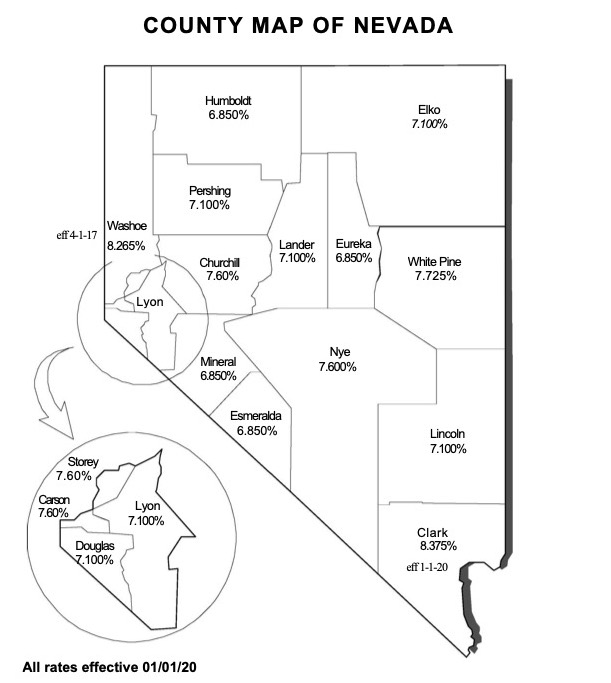
At the state level, Nevada has a uniform state sales and use tax rate of 4.6%. This rate applies across all counties in the state. However, this is just the baseline, and the total tax burden a consumer experiences is significantly influenced by local additions. This means that while the state’s portion is consistent, the final amount you pay at the register can vary considerably depending on your specific location within Nevada.
Local Additions and Their Impact
The true complexity of Nevada’s sales tax arises from the various local taxes that are added to the state rate. These local taxes are imposed by counties, cities, and regional transportation authorities, and they can significantly increase the overall sales tax burden.
County-Imposed Taxes
Counties in Nevada have the authority to levy their own sales and use taxes. These county taxes can vary widely from one county to another, reflecting the diverse economic needs and priorities of each region. For example, a county with extensive infrastructure needs or a desire to fund public services might impose a higher county tax rate.
City and Regional Taxes
In addition to county taxes, some cities and special districts within Nevada also have the power to add their own sales taxes. These can include taxes for specific purposes, such as funding public transportation systems, improving local amenities, or supporting public safety initiatives. The presence of these additional layers means that two adjacent towns in different counties, or even different cities within the same county, could have distinct final sales tax rates. This is particularly relevant for travelers moving between different urban centers or exploring smaller towns off the beaten path.
Maximum Taxable Rate Considerations
It is important to note that there is a statutory cap on the combined state and local sales and use tax rate in Nevada. While individual counties and cities can impose various additions, the total tax rate cannot exceed a certain threshold. This cap is designed to prevent excessively high tax burdens that could stifle economic activity. However, understanding the specific rates in your intended destination is always recommended.
Where and What is Taxed in Nevada?
The scope of Nevada’s sales tax extends to a wide array of goods and services. For travelers, this means that almost every purchase, from souvenirs to dining to hotel stays, will be subject to taxation.
Tangible Personal Property
The most common application of sales tax is on tangible personal property. This includes virtually any physical item you can touch and move. Whether you’re buying clothing in a boutique in Henderson, picking up electronics in a store in Sparks, or purchasing groceries for a picnic in Lake Tahoe, sales tax will be added to the price. This covers everything from everyday necessities to luxury goods.
Taxable Services
Beyond physical goods, Nevada also imposes sales tax on a variety of services. This is a critical distinction for travelers, as many services they might utilize are included.
Lodging and Accommodations
When you book a hotel room, a resort suite, or even a vacation rental in Nevada, you will be charged sales tax on the room rate. This tax is usually calculated based on the combined state and local rates applicable to the property’s location. This includes popular destinations like the Bellagio in Las Vegas or boutique inns in smaller towns.
Restaurants and Prepared Food
Dining out is a significant part of the travel experience, and in Nevada, prepared food sold by restaurants, cafes, and other food service establishments is subject to sales tax. This applies to dine-in meals, take-out orders, and even the snacks you might purchase from a hotel mini-bar.
Entertainment and Recreation
From tickets to a show on the Las Vegas Strip to admission fees for attractions like the Hoover Dam or amusement parks, many entertainment and recreational activities are subject to sales tax. This also extends to services like guided tours, recreational equipment rentals, and admission to sporting events.
Repair and Maintenance Services
Services related to the repair and maintenance of tangible personal property are also generally taxable. This could include anything from repairing your car while on a road trip through Nevada to getting your electronics fixed.
Personal Services
Certain personal services may also be subject to sales tax, depending on the specific nature of the service and local ordinances. This can sometimes include services like beauty treatments or personal care services, though specific inclusions can vary.
Non-Taxable Items
While the list of taxable items and services is extensive, there are certain exceptions. The most notable exemption is for most food products intended for home consumption. This means that groceries purchased at a supermarket for cooking in a rental unit or for personal consumption are typically not subject to sales tax. However, prepared foods, as mentioned earlier, are taxable. Additionally, prescription medications are generally exempt from sales tax.
Key Considerations for Travelers and Businesses
Understanding Nevada’s sales tax system is not just for consumers; businesses operating within or selling into the state must also adhere to its regulations. For travelers, being aware of these taxes can help in budgeting and avoiding unexpected costs.
Taxability of Online Purchases
For goods purchased online from retailers outside of Nevada, the state’s use tax typically applies if sales tax was not collected by the seller at the time of purchase. This ensures that Nevada residents and businesses are not at a disadvantage compared to in-state purchases. Travelers should be mindful that many online retailers now collect sales tax on behalf of Nevada consumers.
Exemptions and Resale Certificates
Certain entities and transactions are eligible for exemptions from sales tax. For businesses, this often involves obtaining resale certificates, which allow them to purchase goods for resale without paying sales tax. These certificates are crucial for maintaining a compliant business operation.
Government and Non-Profit Exemptions
In some cases, government entities and qualified non-profit organizations may be exempt from paying sales tax on certain purchases. These exemptions are typically governed by specific state statutes and require proper documentation to be presented at the time of sale.
Tourist-Oriented Businesses and Tax Collection
Businesses that cater to tourists, such as hotels, restaurants, and souvenir shops, are responsible for accurately calculating and collecting sales tax from their customers. They must register with the Nevada Department of Taxation and remit the collected taxes on a regular basis. Failure to do so can result in penalties and interest.
Navigating Tax Rates by Region
The most significant variation in sales tax rates within Nevada stems from the combined effect of state and local taxes. It is therefore prudent for travelers to be aware of the specific rates in their intended destinations.
Major Metropolitan Areas
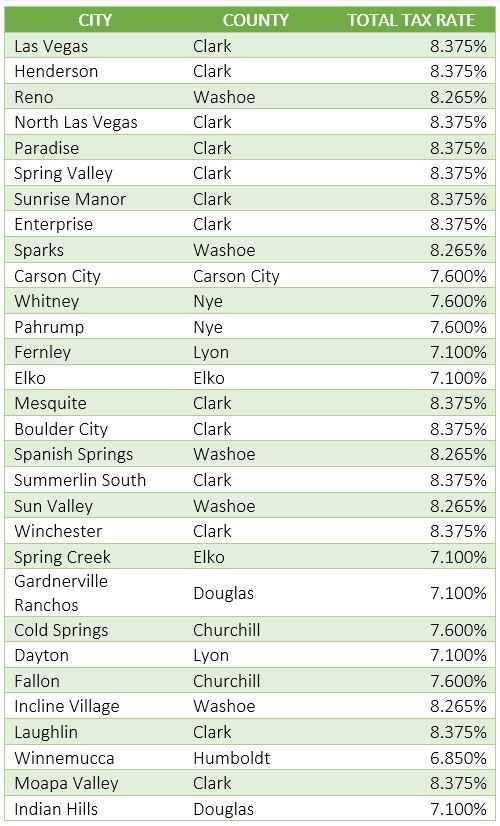
The primary tourist hubs in Nevada – Las Vegas, Reno, and Henderson – often have higher combined sales tax rates due to the presence of significant local and regional taxes aimed at funding public services and infrastructure in these populous areas. For instance, Clark County, which includes Las Vegas, typically has one of the highest overall sales tax rates in the state. Similarly, Washoe County, home to Reno and Sparks, also has a notable combined rate.
Rural and Less Populated Areas
Conversely, some of the more rural and less populated counties in Nevada may have lower combined sales tax rates. This is generally because they have fewer or lower local tax additions. However, even in these areas, the base state sales tax of 4.6% will always apply. Travelers exploring the vast open spaces or smaller towns of Nevada might find slightly lower overall tax burdens on their purchases.
The Importance of Checking Local Rates
For travelers planning an itinerary that spans multiple cities or counties, it is advisable to check the specific sales tax rates for each location. The Nevada Department of Taxation provides resources that can help determine these rates. This proactive approach can aid in more accurate budgeting for expenses such as dining, shopping, and accommodation across different parts of the state. For instance, a trip that includes a stay at a resort near Lake Tahoe will likely have a different tax rate than a visit to a casino in Elko.
Conclusion: Budgeting Wisely in the Silver State
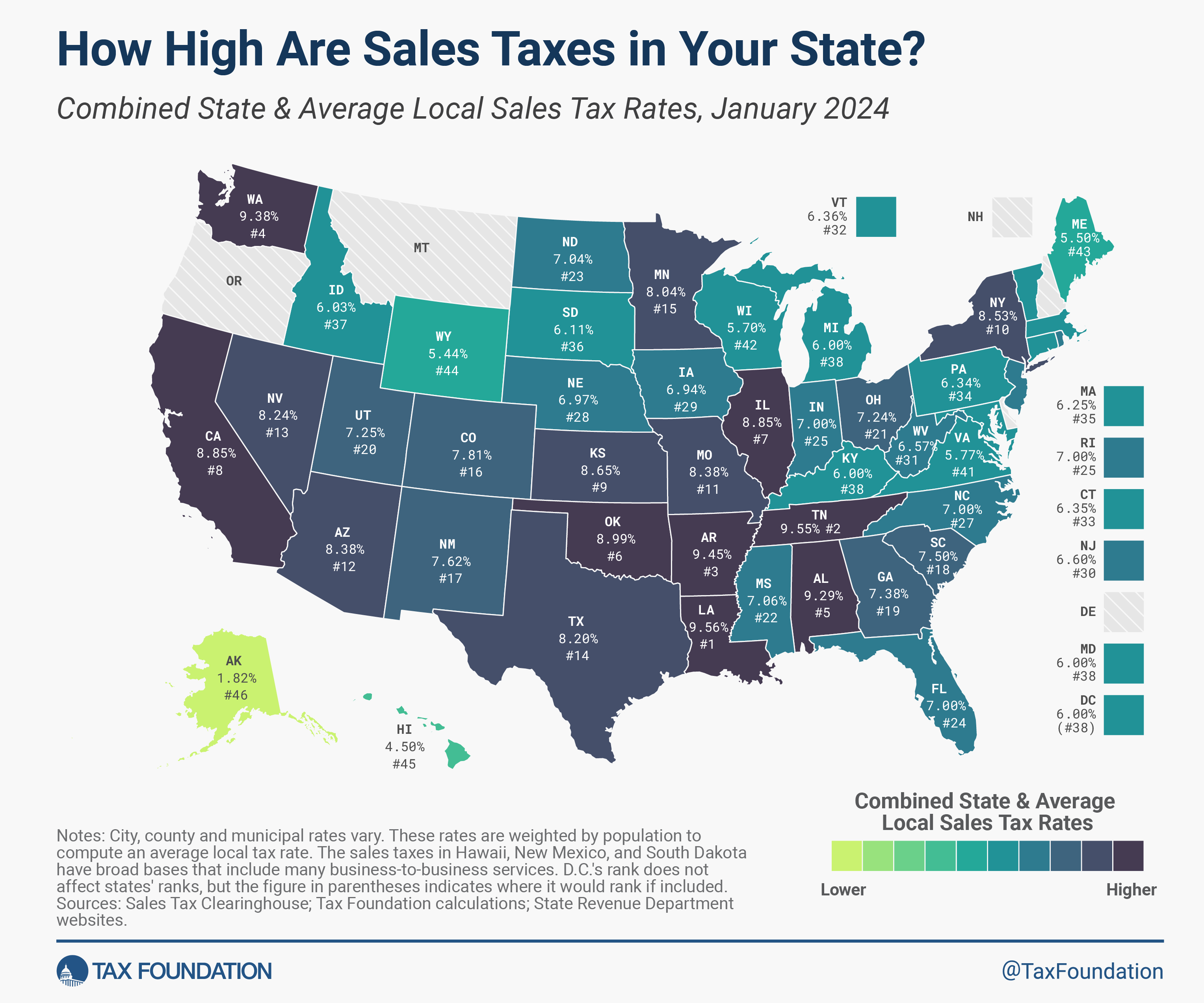
Understanding Nevada’s sales and use tax system is an integral part of responsible travel planning. While the state’s allure is undeniable, a clear grasp of taxation ensures that your budget remains intact and your experience is as enjoyable as possible. By factoring in the state rate, local additions, and the taxability of various goods and services, travelers can make informed purchasing decisions. Whether you’re enjoying the vibrant nightlife of Las Vegas, exploring the natural beauty of Valley of Fire State Park, or indulging in the diverse culinary scene, a little tax awareness goes a long way in the Silver State. Always remember to consult official sources for the most current and precise tax rate information relevant to your specific destination within Nevada.
LifeOutOfTheBox is a participant in the Amazon Services LLC Associates Program, an affiliate advertising program designed to provide a means for sites to earn advertising fees by advertising and linking to Amazon.com. Amazon, the Amazon logo, AmazonSupply, and the AmazonSupply logo are trademarks of Amazon.com, Inc. or its affiliates. As an Amazon Associate we earn affiliate commissions from qualifying purchases.