
Navigating the financial landscape of any destination is a crucial aspect of comprehensive travel planning, and for those considering extended stays or significant exploration within the Golden State, understanding California’s state taxes is paramount. While often associated with sunshine and innovation, California also presents a complex tax structure that can impact budgets, from the casual tourist seeking attractions to the business traveler establishing temporary roots. This guide delves into the primary state taxes a visitor might encounter, offering insights to help manage expectations and optimize your travel finances within this dynamic state.
Sales and Use Tax: The Everyday Impact
The most immediately noticeable state tax for travelers in California is the sales and use tax. This tax is levied on the retail sale of tangible personal property and certain services. While the state sales tax rate is set by the legislature, local jurisdictions add their own district taxes, creating a combined rate that varies significantly across the state.
Understanding the Rates
The statewide sales tax rate in California has historically been 7.25%. However, this is a baseline, and the actual rate you pay at the register will be higher due to the addition of local district taxes. These can range from 0.5% to over 2.5%, pushing the total combined rate in some areas, such as within the limits of the Los Angeles Metropolitan Transportation Authority, to over 10%. For instance, a purchase made in San Francisco will carry a different combined rate than one made in San Diego. It is essential to be aware that these rates are subject to change, often influenced by local voter initiatives for specific public services.
What’s Taxable and What’s Not
Generally, most tangible goods purchased from retailers are subject to sales tax. This includes clothing, electronics, souvenirs, and personal items. Certain services are also taxed, such as hotel accommodations (though often at a slightly different rate or with specific exemptions), parking, and admissions to places of amusement.
However, there are notable exemptions. Groceries, defined as food products for home consumption (excluding prepared foods, candy, and soda), are typically exempt from sales tax. Prescription medications are also exempt. When dining out, the tax treatment can become nuanced. Food purchased from restaurants is generally taxable, but if you purchase a ready-to-eat meal from a grocery store, it might be exempt. Understanding these distinctions can lead to small but cumulative savings during your travels.
The Use Tax
Complementing the sales tax is the use tax. This is designed to capture tax revenue on purchases made outside of California but used within the state, particularly for items purchased over the internet or via mail order from out-of-state retailers who do not collect California sales tax. If you purchase an item online from a retailer that doesn’t collect California sales tax, you are legally obligated to report and pay the use tax to the state. While enforcement for small individual purchases can be challenging, it’s an important principle for larger acquisitions or if you are establishing residency.
Income Tax: For the Longer Stays and Earned Income
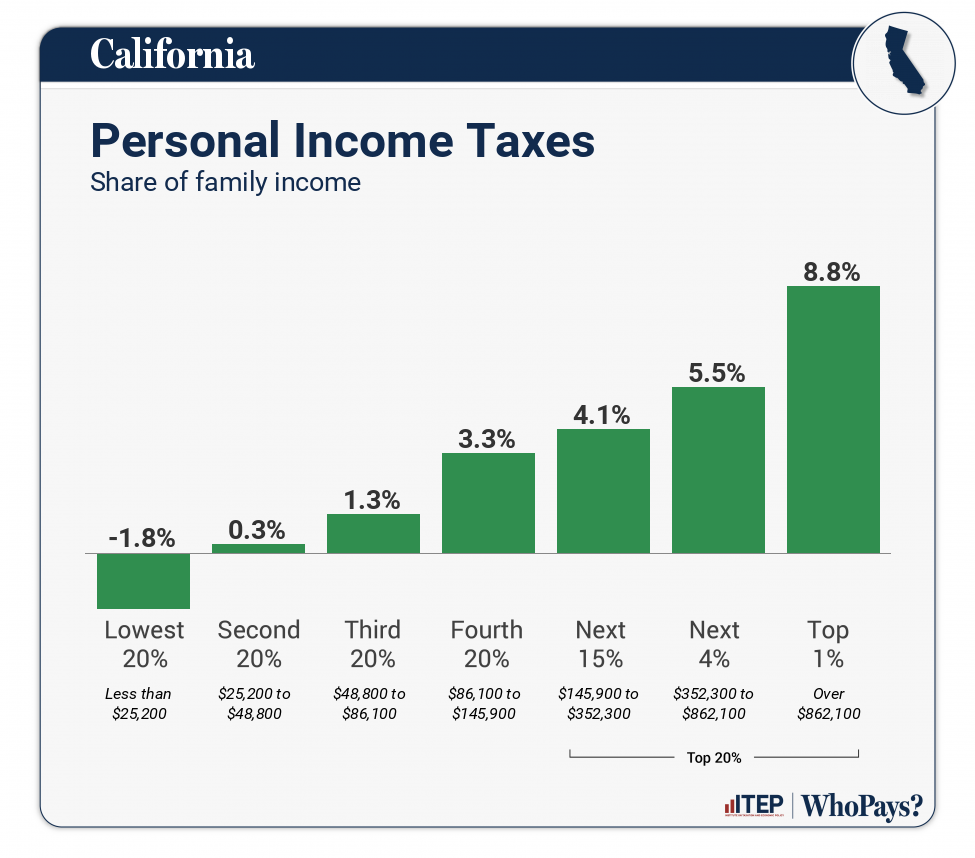
While many tourists are unlikely to incur state income tax liability, individuals planning extended stays, working remotely from California, or earning income within the state may face this tax. California has a progressive income tax system, meaning higher earners pay a larger percentage of their income in taxes.
Residency and Domicile
The determination of tax residency is crucial. California taxes residents on their worldwide income. Non-residents are generally only taxed on income derived from California sources. Establishing residency can be complex, and factors such as the intent to remain in the state indefinitely, maintaining a permanent home, registering to vote, and spending a significant amount of time in California are all considered. For those considering a work-from-home setup or a prolonged visit that blurs the lines between visitor and resident, consulting with a tax professional is highly recommended.
Tax Brackets and Rates
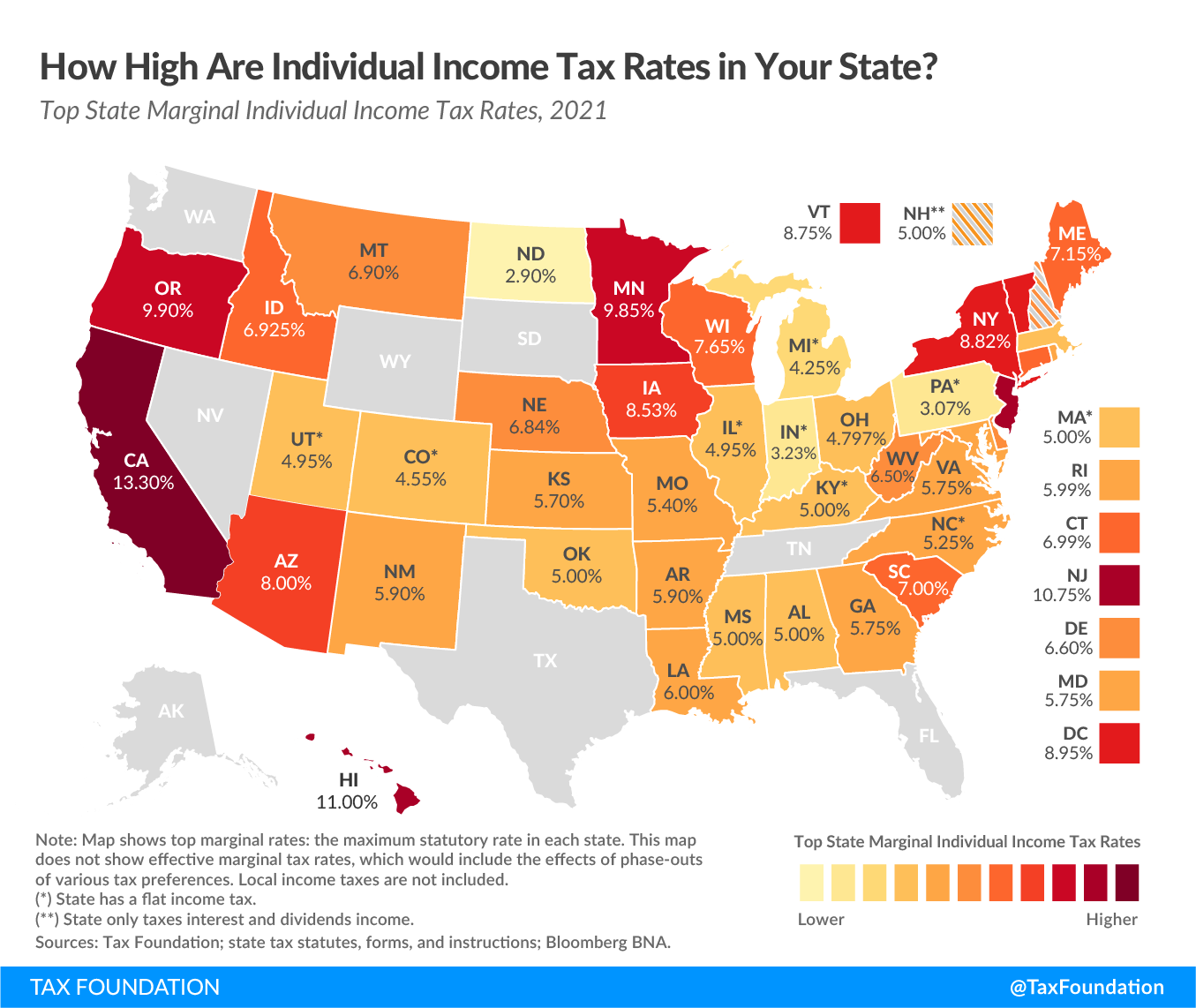
California has one of the highest top marginal income tax rates in the nation. The income tax rates are divided into several brackets, with rates increasing as income rises. For example, single filers in recent tax years have faced marginal rates that can exceed 13% for the highest income brackets. This progressive system means that individuals with modest earnings will pay significantly less than those with substantial incomes. The specific rates and bracket thresholds are adjusted annually for inflation.
Estimated Taxes
If you anticipate owing more than $1,000 in income tax for the year, and this tax is not being sufficiently withheld by an employer, California generally requires you to make estimated tax payments throughout the year. This is particularly relevant for freelancers, independent contractors, or those with significant investment income earned while residing or working in the state. Failure to make adequate estimated tax payments can result in penalties.
Other State Taxes and Fees to Consider
Beyond sales and income taxes, California imposes other taxes and fees that might affect a traveler’s budget, depending on the nature and duration of their visit.
Tourism-Related Fees
While not strictly a “tax” in the same vein as sales or income tax, various fees are often associated with tourism and hospitality. For instance, many cities and counties levy transient occupancy taxes (TOTs), also known as hotel taxes, on hotel stays. These are separate from the state sales tax and are collected by lodging establishments. Rates can vary widely, from a few percent to over 15% in popular tourist destinations like San Francisco or Santa Monica. When booking accommodations at establishments like the Beverly Hills Hotel or the Fairmont San Francisco, factor these additional local taxes into your accommodation costs.
Vehicle rental companies also often add surcharges and fees that can include state-mandated taxes. While these are typically itemized on your rental agreement, it’s wise to review them to understand the full cost of renting a car for exploring attractions like Yosemite National Park or driving the scenic Pacific Coast Highway.
Franchise Tax
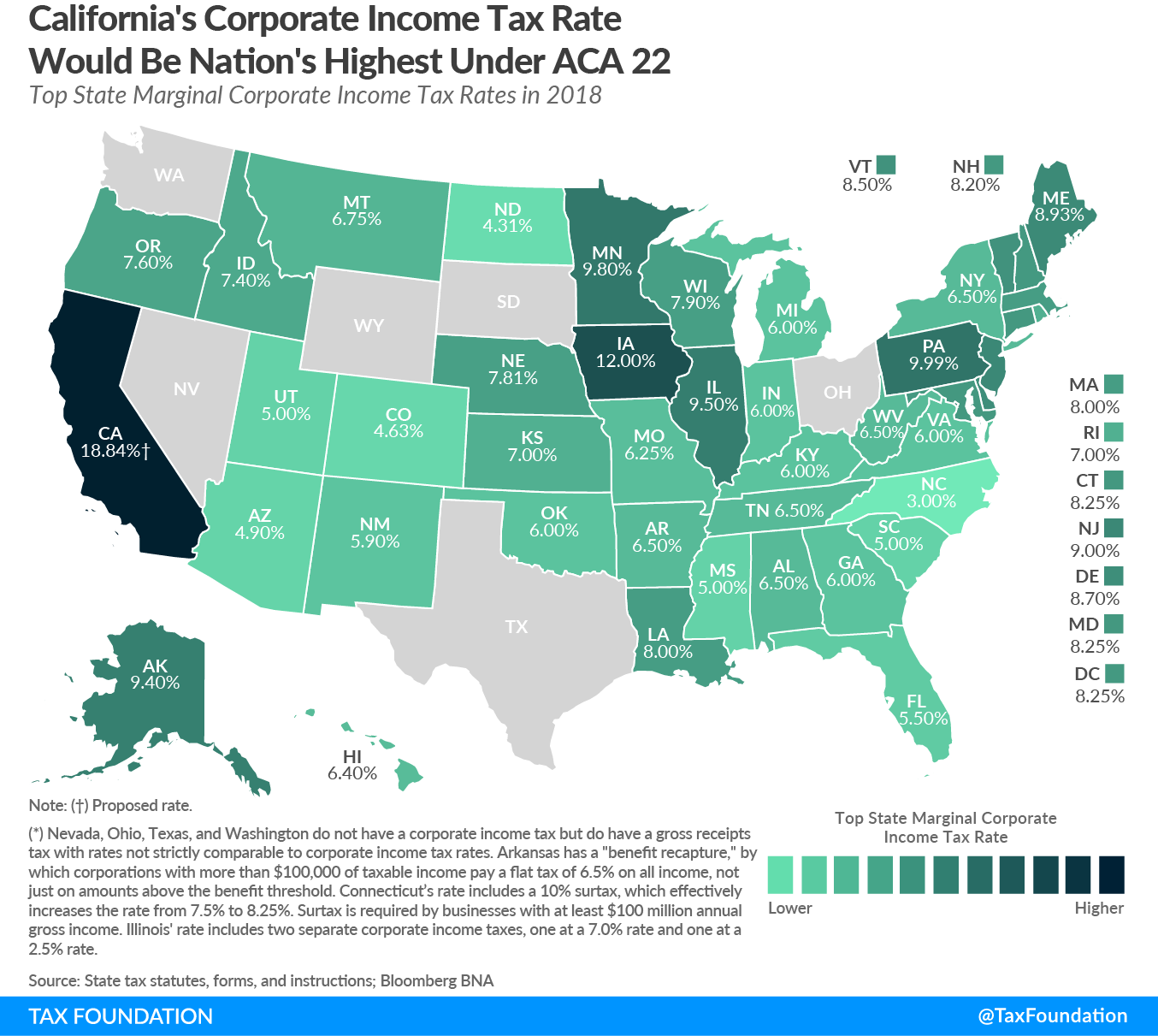
For businesses operating within California, the Franchise Tax Board (FTB) is the primary tax collection agency. Businesses are subject to various taxes, including the corporate franchise tax and personal income tax for pass-through entities. While this is more relevant for business travelers or those establishing a presence for commercial activities, it’s a significant part of the state’s revenue generation. The minimum franchise tax for corporations and LLCs is a flat fee, regardless of income, adding a baseline cost for business operations.
Excise Taxes
California also levies excise taxes on specific goods, such as gasoline, alcohol, and tobacco. These are typically included in the pump price for fuel, the price of alcoholic beverages, and the cost of cigarettes and other tobacco products. While generally a small component of a travel budget, these taxes contribute to the overall cost of certain consumables within the state.
Planning Your California Financial Journey
Understanding California‘s tax structure is not just about compliance; it’s about smart financial planning for your travels. For short visits focused on experiencing landmarks like the Golden Gate Bridge or enjoying the culinary scene in Napa Valley, sales tax and transient occupancy taxes will be the most direct impacts. For those undertaking longer trips, considering work opportunities, or engaging in significant commerce, a deeper understanding of income tax and business-related taxes becomes essential.
Always consult official California Department of Tax and Fee Administration (CDTFA) and Franchise Tax Board (FTB) resources, or seek advice from qualified tax professionals, for the most current and personalized guidance. By being informed, you can better budget for your California adventure and ensure a smoother, more enjoyable experience across this vast and diverse state.
LifeOutOfTheBox is a participant in the Amazon Services LLC Associates Program, an affiliate advertising program designed to provide a means for sites to earn advertising fees by advertising and linking to Amazon.com. Amazon, the Amazon logo, AmazonSupply, and the AmazonSupply logo are trademarks of Amazon.com, Inc. or its affiliates. As an Amazon Associate we earn affiliate commissions from qualifying purchases.