
Navigating the tax landscape of a destination is a crucial element of planning any trip, whether for leisure, business, or a longer sojourn. For those considering a visit or even a relocation to the Sunshine State, understanding the various taxes in Florida is essential for accurate budgeting and a smooth experience. This guide delves into the primary tax considerations for visitors and residents alike, focusing on aspects most relevant to travelers and those engaging with the state’s vibrant tourism and accommodation sectors.
Sales and Use Tax: The Traveler’s Constant Companion
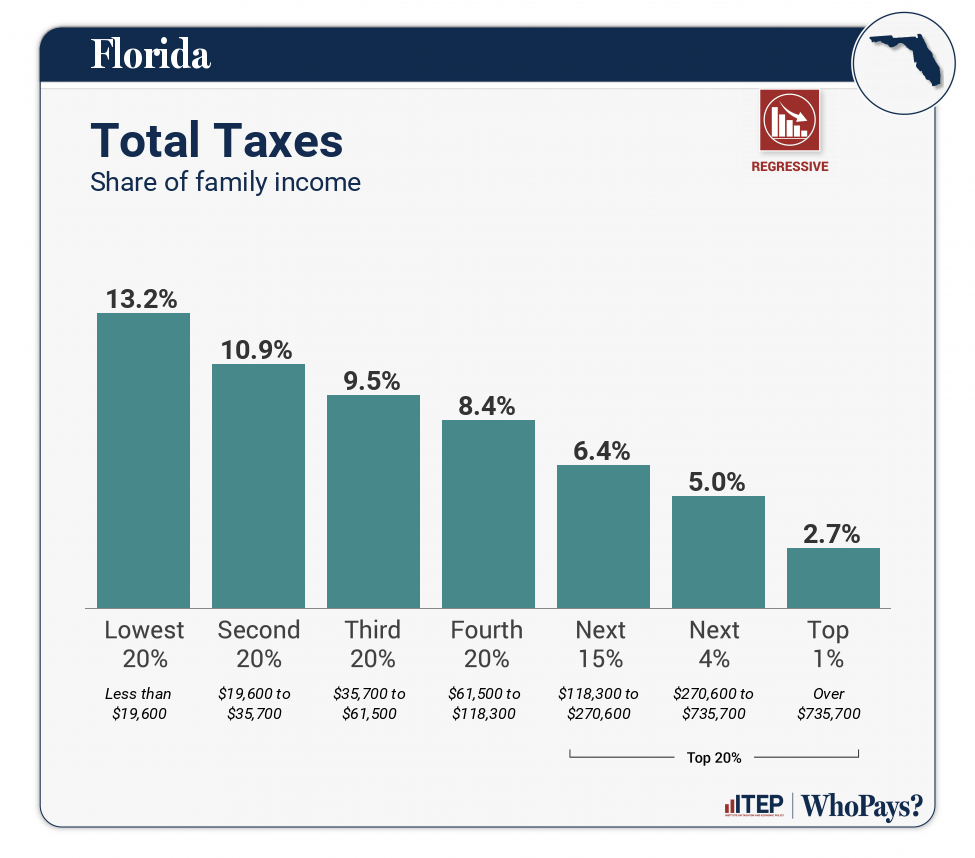
The most frequently encountered tax for visitors in Florida is the sales and use tax. This tax is levied on the retail sale of tangible personal property and some services. It’s a state tax, but counties are authorized to levy additional discretionary sales surtaxes, meaning the rate can vary depending on your specific location within the state.
State and Local Surtaxes
The statewide sales tax rate in Florida is 6%. However, many counties impose additional surtaxes, typically ranging from 0.5% to 1.5%. This means the combined sales tax rate can be as high as 7.5% in some areas. For instance, popular tourist destinations like Miami-Dade County have a higher combined rate than more rural areas. It is important to be aware that this tax applies to a wide range of purchases, from souvenirs and clothing to restaurant meals and rental cars.
Exemptions and Specific Items
While most goods and services are subject to sales tax, there are certain exemptions. For example, most unprepared food items (groceries) are exempt. However, prepared foods, such as those purchased from a restaurant or convenience store, are typically taxed. Services like labor on tangible personal property are also generally taxed. When renting items, such as beach chairs, bicycles, or even recreational equipment, expect to pay sales tax on the rental fee. For specific rates in different counties, the Florida Department of Revenue website provides detailed information.
Use Tax
Use tax is essentially the counterpart to sales tax. It is imposed on purchases made outside of Florida and brought into the state for use, storage, or consumption. This typically applies to items purchased online or from out-of-state retailers without sales tax being collected. If you purchase an item out of state and bring it back to Florida for use, and sales tax was not paid at the time of purchase, you are generally required to remit use tax to the state. This ensures a level playing field for in-state businesses.
Accommodation Taxes: For Your Stay in the Sunshine State
When it comes to lodging, Florida levies additional taxes on top of the standard sales and use tax. These taxes are specifically designed to support the state’s robust tourism industry and its infrastructure.
Tourist Development Tax (Lodging Tax)
In addition to the state and local sales tax, most counties in Florida impose a Tourist Development Tax, often referred to as a “bed tax” or “lodging tax.” This tax is levied on the rental of transient accommodations, which includes hotels, motels, vacation rentals, apartments rented for less than six months, and even timeshare resorts. The rates for the Tourist Development Tax vary significantly by county, typically ranging from 2% to 5%, but can be higher in some areas.
How it Works
When you book a room at a hotel like the Fontainebleau Miami Beach or rent a villa through a platform in Orlando, the listed price will usually not include this tax. It will be calculated and added to your bill at check-out. This tax is collected by the lodging provider and remitted to the county government. The revenue generated from this tax is often earmarked for tourism promotion, sports stadiums, convention centers, and other initiatives that enhance the visitor experience.
State Convention Tax

In addition to the local Tourist Development Tax, a state-level convention tax may also apply. This tax, often at a rate of 1%, is also levied on transient rental accommodations. Like the sales tax, the exact combined rate for lodging will depend on the specific county and city where you are staying. Always factor in these additional taxes when comparing hotel rates or planning your accommodation budget.
Property Taxes: Primarily for Residents and Property Owners
While less of a direct concern for short-term visitors, property taxes are a significant consideration for anyone purchasing real estate, owning a vacation home, or considering a longer-term stay in Florida. Property taxes are levied by local governments (counties, cities, school districts) and are based on the assessed value of the property.
Assessment and Rates
The value of your property is determined by the county property appraiser’s office. This assessed value is then multiplied by a millage rate, which is set by the various taxing authorities in the area. Millage rates are expressed in mills (dollars per $1,000 of assessed value) and can vary considerably from one locality to another. For example, property taxes in Palm Beach County might differ significantly from those in Hillsborough County.
Homestead Exemption and Other Benefits
Florida offers several property tax exemptions to reduce the burden on homeowners. The most significant is the Homestead Exemption, available to primary residences. This exemption reduces the taxable value of a home by a substantial amount, making it more affordable to live in Florida. Other exemptions are available for veterans, seniors, and individuals with disabilities. For property owners, understanding these exemptions is vital for managing their tax liabilities.
Other Taxes to Be Aware Of
Beyond the primary sales, accommodation, and property taxes, there are a few other tax considerations that might be relevant to certain travelers or activities in Florida.
Documentary Stamp Tax
This tax applies to certain real estate transactions, including the sale of property and the execution of mortgages. While typically paid by the buyer or borrower, it’s a factor in real estate transactions, not usually encountered by typical tourists.
Fuel Taxes
If you are driving in Florida, you will pay state and federal taxes on gasoline and diesel fuel, which are included in the price at the pump. These taxes help fund the state’s extensive road infrastructure.
Business Taxes
For individuals or entities conducting business in Florida, there are various business taxes, including corporate income tax and unemployment tax. However, these are beyond the scope of typical traveler concerns.
Conclusion: Planning Your Budget for Florida
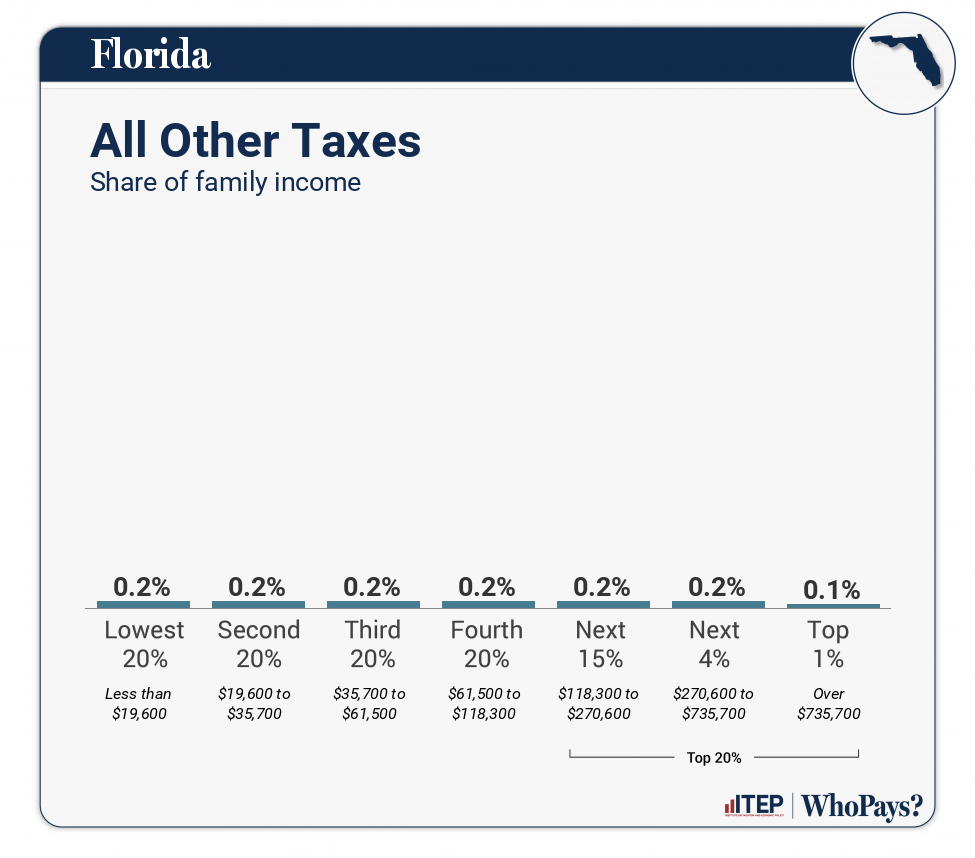
Understanding the tax structure in Florida is a key component of any trip or relocation. For the average tourist, the primary focus will be on the sales tax applied to purchases and the additional lodging taxes that increase the cost of hotels and vacation rentals. By factoring these into your budget, you can avoid unexpected expenses and enjoy your time in the beautiful Sunshine State without financial surprises. Whether you’re exploring the theme parks of Orlando, the beaches of the Florida Keys, or the cultural attractions of Tampa, a clear understanding of taxes will enhance your travel planning.
LifeOutOfTheBox is a participant in the Amazon Services LLC Associates Program, an affiliate advertising program designed to provide a means for sites to earn advertising fees by advertising and linking to Amazon.com. Amazon, the Amazon logo, AmazonSupply, and the AmazonSupply logo are trademarks of Amazon.com, Inc. or its affiliates. As an Amazon Associate we earn affiliate commissions from qualifying purchases.