
California’s relationship with gasoline taxes is complex, often drawing attention due to the state’s consistently high fuel prices. For travelers navigating the Golden State, understanding these taxes is not merely an academic exercise but a practical necessity that directly impacts budgets for road trips, daily commutes, and any journey involving a vehicle. The levied taxes are a multifaceted system, incorporating federal, state, and local components, each contributing to the final pump price you see. These funds are generally earmarked for critical infrastructure projects, including road maintenance, public transportation, and environmental initiatives, aiming to support the very systems that facilitate travel and commerce across the vast and diverse landscapes of California.

Understanding the Components of California Gas Taxes
The price at the pump in California is a culmination of several layers of taxation. These layers are often opaque to the average consumer, leading to confusion and frustration when observing the significant difference between California’s gas prices and those in other states. Delving into each component provides clarity on where the money goes and why California’s fuel costs are perceived as high.
Federal Gasoline Tax
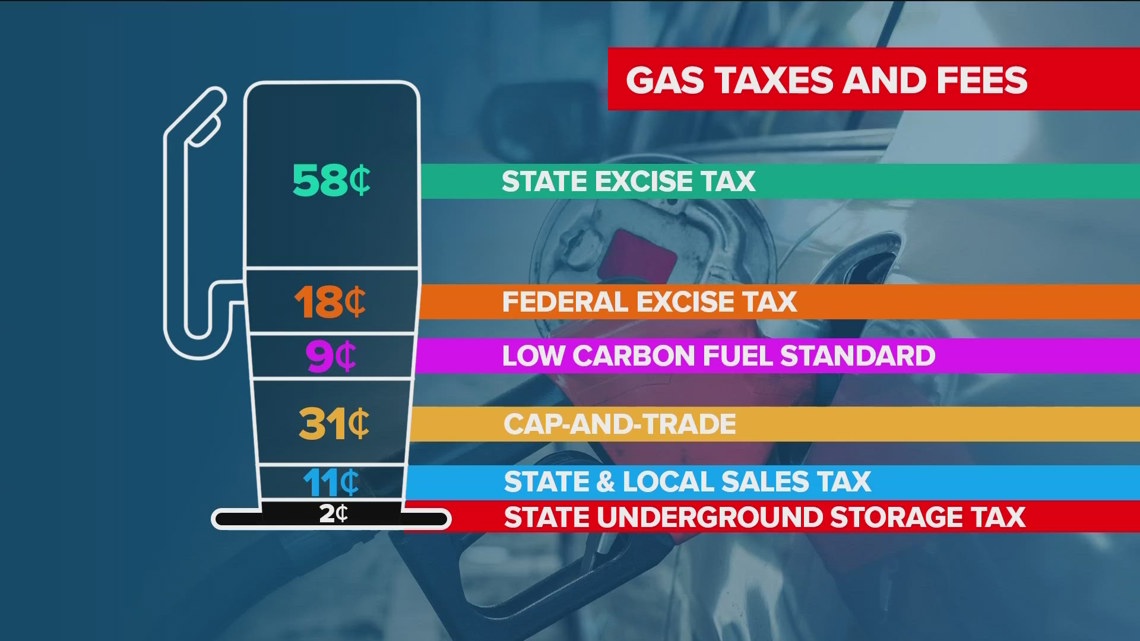
The federal government levies a tax on gasoline, which is applied nationwide. This tax is intended to fund federal highway and transportation projects. While it’s a national tax, its impact is felt uniformly across all states, including California. Currently, the federal excise tax on gasoline is $0.184 per gallon. This rate has remained unchanged since 1993, a point of contention for many who argue it has not kept pace with inflation or the actual cost of infrastructure maintenance and development.
State Excise Tax
California’s state excise tax is a significant contributor to the high price of gasoline. This tax is set by the state and is subject to adjustments based on various factors, including inflation and legislative changes. As of the latest updates, the state excise tax rate in California is $0.30 per gallon. This tax is a primary source of funding for the state’s transportation infrastructure, including the maintenance and improvement of state highways, bridges, and other public transportation systems.
Sales Tax
In addition to the excise taxes, California also imposes a sales tax on gasoline. This tax is calculated as a percentage of the retail price of gasoline. The rate of sales tax varies by county and city, adding another layer of variability to the final cost. This percentage-based tax means that as the price of gasoline rises, so does the amount of sales tax collected, further exacerbating high fuel costs during periods of increased oil prices. The state sales tax rate is 7.25%, with local jurisdictions adding their own rates, which can push the total sales tax to over 10% in some areas.
Other State and Local Levies
Beyond the primary excise and sales taxes, California’s gasoline prices are also influenced by a series of other state and local charges. These can include fees related to environmental programs, underground storage tank maintenance, and specific local transportation improvement initiatives. For instance, the state’s cap-and-trade program, designed to reduce greenhouse gas emissions, indirectly affects gasoline prices. While not a direct tax on gasoline per gallon, the costs associated with emissions allowances are passed down to consumers by fuel producers and distributors. Similarly, various local air quality management districts may impose their own fees or surcharges that contribute to the overall price.
Factors Influencing California’s High Gas Prices
The taxes are a substantial reason for California’s elevated gas prices, but they are not the sole determinant. A confluence of other factors contributes to the Golden State’s position as having some of the highest fuel costs in the nation, impacting everything from vacation planning to the cost of goods delivered across the state.
Environmental Regulations and Fuel Standards
California has some of the most stringent environmental regulations in the United States. This includes specific fuel standards designed to reduce air pollution and greenhouse gas emissions. For example, California requires a unique blend of gasoline known as “California Air Resources Board” (CARB) gasoline, which is formulated to burn cleaner. The production of this specialized fuel is more complex and costly than producing standard gasoline, and these added costs are reflected in the retail price. Compliance with these regulations often necessitates higher production costs for refiners, which are then passed on to consumers.
Refining Costs and Limited Supply
California’s geographic isolation and its unique fuel requirements create a limited refining market. The state has a finite number of refineries, and many are aging. When these refineries undergo scheduled maintenance or face unexpected disruptions (like power outages or fires), the supply of gasoline can be significantly impacted. Because California cannot easily import gasoline from other states due to its specialized fuel standards, a disruption in local refining capacity can lead to sharp price increases. This limited supply, coupled with high demand, creates a scenario where prices can spike rapidly.
Geopolitical and Global Oil Market Influences
Like the rest of the world, California’s gasoline prices are susceptible to global oil market dynamics. Fluctuations in the price of crude oil, driven by geopolitical events, supply and demand imbalances, and speculative trading, directly affect the cost of the raw material used to produce gasoline. While taxes are a fixed component of the price, the underlying cost of crude oil can vary dramatically, leading to significant swings in the final price at the pump. During periods of international instability or increased global demand, the cost of crude oil rises, pushing up the price of gasoline in California, even before taxes are considered.
Distribution and Transportation Costs
The vastness of California and its complex transportation network also contribute to the final cost of gasoline. The fuel must be transported from refineries to distribution terminals and then to individual gas stations, often covering hundreds of miles. The costs associated with this distribution, including trucking, pipeline fees, and labor, are factored into the retail price. Furthermore, the state’s commitment to robust infrastructure also means that the upkeep of these transportation routes is funded, in part, by fuel taxes, creating a cyclical relationship.
How Taxes Fund California’s Infrastructure and Services
The significant tax burden on gasoline in California is not without its intended benefits. The revenue generated from these taxes plays a crucial role in funding essential services and infrastructure improvements that are vital for the state’s economy and the quality of life for its residents and visitors. Understanding where these funds go can offer perspective on the rationale behind the tax structure.
Road Maintenance and Repair
A primary allocation of gasoline tax revenue is for the maintenance, repair, and improvement of California’s extensive road network. This includes everything from patching potholes on local streets to major reconstruction projects on state highways and freeways. With millions of vehicles traveling these roads daily, the wear and tear are substantial, requiring continuous investment to ensure safe and efficient travel. Projects funded by these taxes often include widening roadways, improving interchanges, and enhancing safety features.
Public Transportation Initiatives
Beyond roads, a portion of the fuel tax revenue is directed towards supporting and expanding public transportation systems. This includes investments in bus services, light rail, commuter trains, and other forms of mass transit. As California strives to reduce traffic congestion and its environmental impact, robust public transportation is a key component. Funds may be used for purchasing new vehicles, improving existing infrastructure, expanding service routes, and developing innovative transit solutions.
Environmental Protection and Clean Air Programs
Given California’s focus on environmental stewardship, a portion of gasoline tax revenues is also allocated to programs aimed at protecting the environment and improving air quality. This can include funding for the development and promotion of alternative fuels, electric vehicle infrastructure, and emissions reduction technologies. These initiatives are crucial in the state’s ongoing efforts to combat climate change and improve public health by reducing air pollution. The unique fuel blends mandated in California are also part of these broader environmental goals.
Infrastructure for New Technologies
As the automotive industry evolves, so too does the need for infrastructure to support new technologies. Gasoline tax revenues can contribute to the development of infrastructure for electric vehicles, such as charging stations, and the research and implementation of other sustainable transportation solutions. This forward-looking approach ensures that California’s transportation system remains adaptable and environmentally responsible.
Navigating High Gas Prices: Tips for Travelers in California
For those planning a trip to or through California, being aware of the tax implications and seeking ways to mitigate high fuel costs can make a significant difference in the overall travel experience and budget. Smart planning and informed decisions can help travelers enjoy the diverse attractions of California without being excessively burdened by fuel expenses.
Plan Your Route Strategically
Before embarking on a road trip, meticulously plan your route, considering mileage and potential fuel stops. Longer, more scenic routes might be appealing, but they often translate to more miles driven and, consequently, higher fuel consumption. Utilizing navigation apps that provide real-time gas prices can help identify the cheapest stations along your path. Some apps even allow you to compare prices across different brands and locations, helping you make informed purchasing decisions.
Consider Fuel-Efficient Vehicles and Driving Habits
If renting a vehicle for a California trip, opt for a fuel-efficient model, such as a hybrid or a smaller car. The difference in miles per gallon can be substantial over the course of a long journey, leading to significant savings. Additionally, adopting fuel-efficient driving habits can further reduce consumption. This includes avoiding rapid acceleration and hard braking, maintaining a steady speed, and ensuring tires are properly inflated. These practices not only save fuel but also contribute to safer driving.
Explore Alternatives to Driving
California offers a wealth of public transportation options, especially in its major metropolitan areas. Cities like San Francisco, Los Angeles, and San Diego have extensive public transit networks, including buses, light rail, and subway systems. For shorter trips within these cities or for exploring specific neighborhoods, utilizing these services can be a cost-effective and convenient alternative to driving and paying for parking. The Amtrak rail service also provides a scenic and relatively economical way to travel between many of California’s major cities, allowing travelers to bypass the need for a car altogether.
Be Mindful of Your Purchases
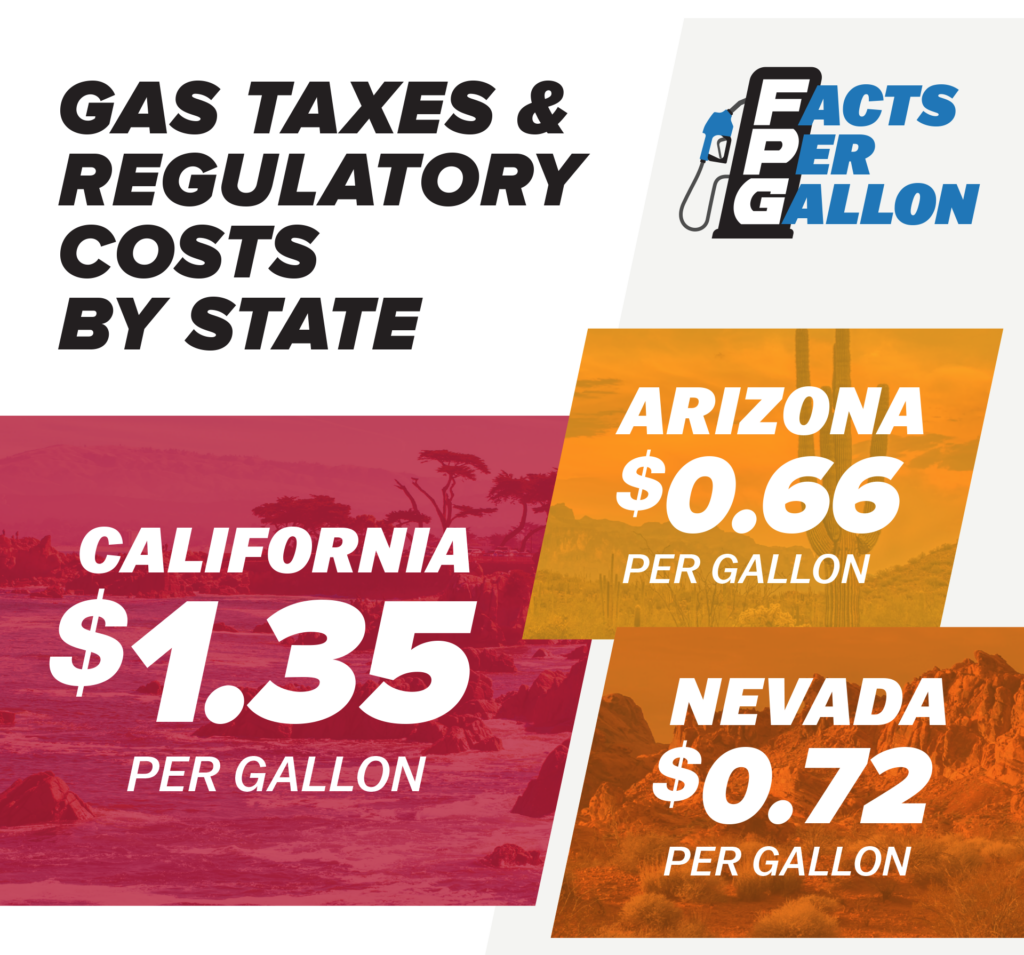
While taxes are a fixed component, the retail price of gasoline can vary significantly between different gas stations, even within the same vicinity. Comparing prices across stations, especially before embarking on longer stretches of highway where options might be limited, can lead to considerable savings. Paying attention to the prices posted on the signs outside each station is a simple yet effective strategy. Furthermore, consider purchasing gasoline in areas where prices tend to be lower, perhaps avoiding more tourist-heavy or remote locations where prices are often inflated.
LifeOutOfTheBox is a participant in the Amazon Services LLC Associates Program, an affiliate advertising program designed to provide a means for sites to earn advertising fees by advertising and linking to Amazon.com. Amazon, the Amazon logo, AmazonSupply, and the AmazonSupply logo are trademarks of Amazon.com, Inc. or its affiliates. As an Amazon Associate we earn affiliate commissions from qualifying purchases.