
The Lone Star State, a vast expanse of diverse landscapes and vibrant cultures, offers an unparalleled travel experience. From the bustling metropolises of Dallas and Houston to the historic charm of San Antonio and the natural beauty of Big Bend National Park, Texas caters to every traveler’s whim. However, before embarking on your Texas adventure, a crucial piece of information often dictates the packing list, the itinerary, and even the overall enjoyment of your trip: the prevailing temperatures. Understanding the climate is paramount to making the most of the diverse attractions and activities this incredible state has to offer.

Navigating the Texas Climate: A Seasonal Overview
Texas is renowned for its significant size, and this geographical vastness directly translates into a remarkable diversity of climates. While the state generally experiences hot summers and mild winters, there are considerable regional variations that play a pivotal role in planning your visit. From the humid subtropical conditions along the Gulf Coast to the arid and semi-arid environments of West Texas, the temperatures can swing dramatically, influencing everything from outdoor activities at iconic landmarks to the types of accommodations you might consider.
Summer in Texas: Embracing the Heat
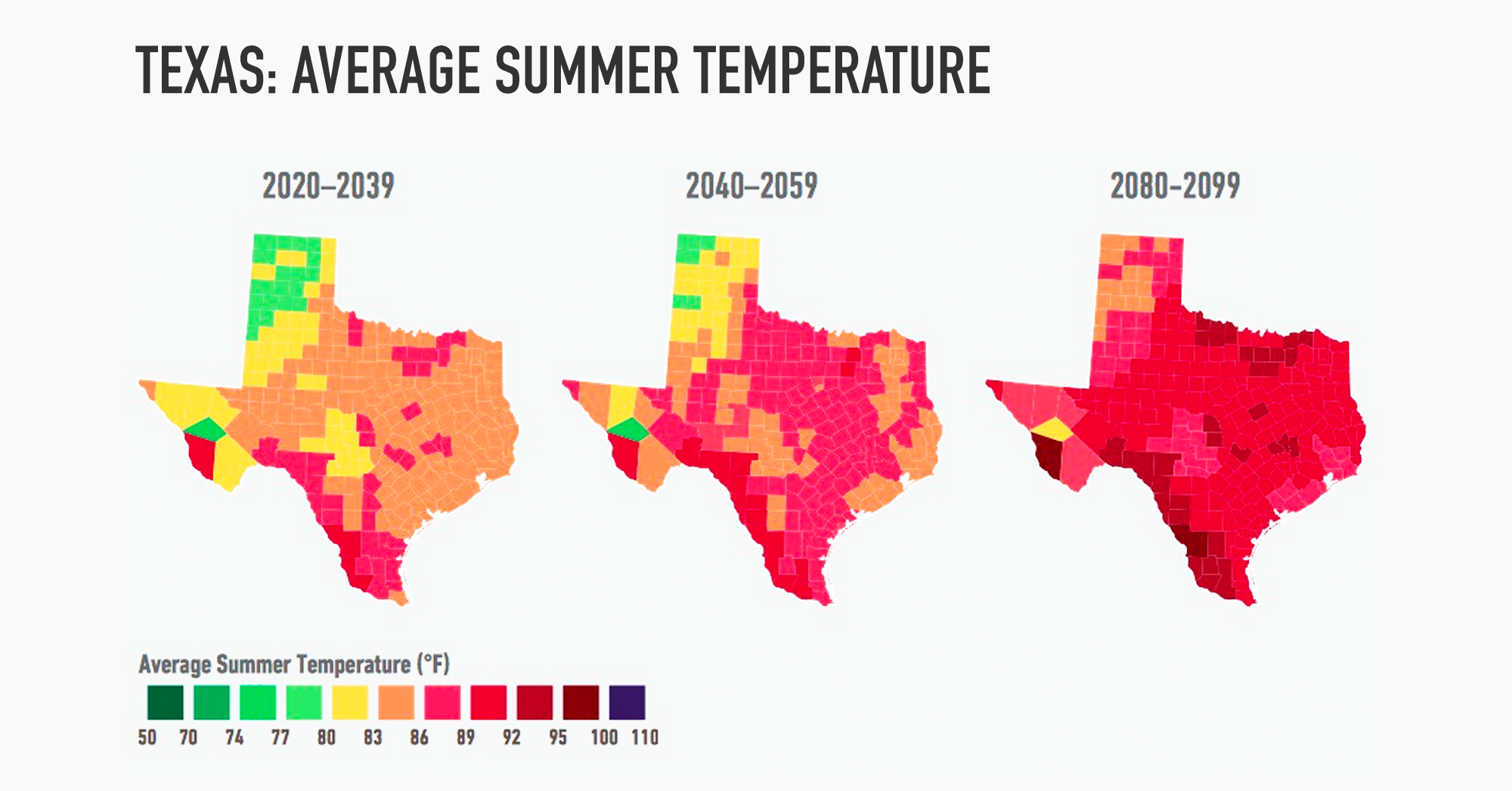
Summer in Texas, typically from June through August, is synonymous with heat. This is the period when the state lives up to its reputation for scorching temperatures. Daytime highs across much of Texas frequently climb into the 90s Fahrenheit (32-37 Celsius), and can often push past 100°F (38°C), especially in inland areas. Humidity is a significant factor, particularly in East Texas and along the Gulf Coast, where the combination of heat and moisture can make the air feel oppressive. This is the time for embracing indoor attractions, seeking out shaded spots at popular landmarks like the Alamo in San Antonio, or enjoying the refreshing waters of water parks and hotel pools.
For those who don’t mind the heat, summer offers a unique set of experiences. The long daylight hours are perfect for exploring attractions like the Space Center Houston or enjoying outdoor dining in cities like Austin. However, it’s crucial to stay hydrated and plan strenuous outdoor activities for the cooler morning or evening hours. Many travelers opt for accommodations with excellent air conditioning and swimming facilities during this season. Resorts offering extensive pool complexes, like those found in Austin or Dallas, become particularly attractive.
Autumn in Texas: A Welcome Respite and Prime Travel Season
As the relentless summer sun begins to wane, autumn in Texas, from September to November, ushers in a welcome period of milder temperatures and lower humidity. This is widely considered one of the best times to visit Texas for tourism. The heat becomes more manageable, with average highs generally ranging from the 70s to the 80s Fahrenheit (21-29°C) in September and October, gradually cooling into the 60s and 70s (15-21°C) by November.
This seasonal shift opens up a world of possibilities for outdoor exploration. Hiking and camping in Big Bend National Park become significantly more comfortable, offering breathtaking views of the desert landscape without the extreme heat. The changing foliage, particularly in the Texas Hill Country, provides a beautiful backdrop for scenic drives and visits to wineries. Cities like Fort Worth, with its historic Stockyards, and Galveston, with its charming Victorian architecture and beachfront, are ideal for exploring on foot during these months.
This is also an excellent time for experiencing local culture and festivals. Many of the state’s popular events, from music festivals to county fairs, are scheduled during the fall, taking advantage of the pleasant weather. For accommodation, travelers might find themselves more inclined to book charming bed and breakfasts in smaller towns or apartments in urban centers that offer easy access to walkable attractions. The demand for hotels, including boutique options and larger resorts, remains high due to the favorable climate.
Winter in Texas: Mild and Invigorating
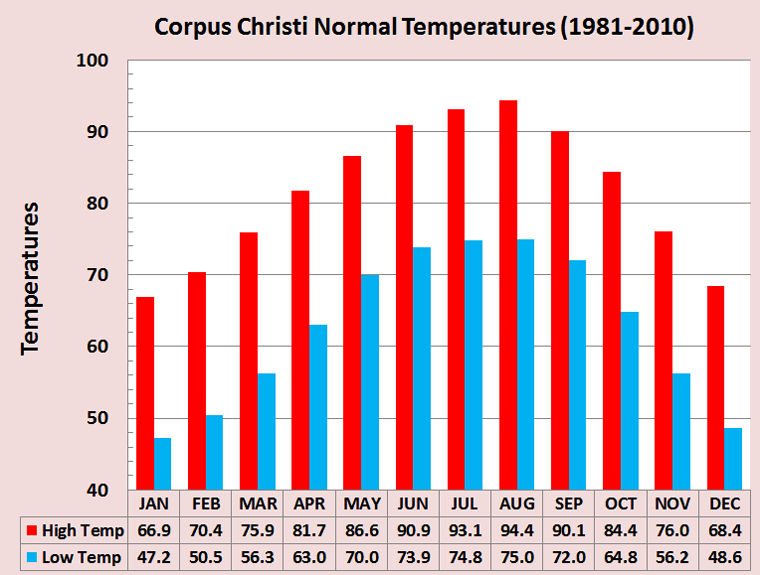
Winter in Texas, from December through February, is generally characterized by mild temperatures, though it can be quite variable. While the northern parts of the state can experience occasional cold snaps with freezing temperatures and even a dusting of snow, the majority of Texas enjoys relatively pleasant winter weather. Average daytime highs often hover in the 50s and 60s Fahrenheit (10-20°C) across much of the state. Coastal areas, like Corpus Christi, tend to be the warmest, with winter temperatures rarely dipping below freezing.
This makes winter an appealing time for travelers seeking to escape harsher climates elsewhere. It’s perfect for exploring the historic missions of San Antonio, strolling through the arts district in Dallas, or enjoying the vibrant nightlife in Austin. Golfing is popular during the winter months, as are visits to attractions that might be less comfortable in the summer heat. Many visitors also take advantage of the lower demand for some accommodations, potentially finding good deals on hotels and resorts.
Even during winter, packing layers is advisable. While sunny days can be quite warm, evenings and early mornings can be cool. The occasional cold front can bring a significant drop in temperature, so it’s wise to be prepared. For long-term stays or business trips during this season, apartments with good heating systems are a practical choice.
Spring in Texas: A Burst of Color and Comfortable Climates
Spring in Texas, from March to May, is a season of renewal and vibrant beauty, often accompanied by ideal temperatures. Following the mild winter, the state bursts into bloom, most notably with the iconic Texas Bluebonnets carpeting the countryside, especially in the Texas Hill Country. Average daytime temperatures typically range from the 60s and 70s Fahrenheit (15-26°C) in early spring, gradually warming into the 80s (27-32°C) by May.
This is another prime season for tourism, offering a delightful balance between warmth and coolness. It’s an excellent time for outdoor activities such as hiking, biking, and exploring the numerous parks and natural areas. The Texas State Parks system offers incredible opportunities for enjoying the outdoors before the intense summer heat sets in. Road trips across the state become particularly picturesque, with the wildflowers providing a stunning natural spectacle.
The pleasant weather also makes it ideal for exploring the unique charm of towns like Fredericksburg or Gruene. For those seeking a blend of city life and outdoor adventure, Austin‘s live music scene and numerous parks are exceptionally appealing during spring. Accommodation options, from charming boutique hotels to family-friendly resorts, are abundant, though it’s advisable to book in advance, especially during peak wildflower season or around major events.
Regional Temperature Variations Across Texas
The sheer size of Texas means that temperatures can vary significantly from one region to another, even within the same season. Understanding these regional differences is key to tailoring your travel plans for optimal comfort and enjoyment. Whether you’re planning a visit to the high plains of West Texas, the piney woods of East Texas, or the coastal plains along the Gulf of Mexico, a nuanced understanding of the climate will enhance your experience.
East Texas: Humid Subtropical Comfort and Heat
The eastern part of Texas, characterized by its lush pine forests and rolling hills, experiences a humid subtropical climate. Summers here are typically hot and humid, with average highs in the upper 80s and low 90s Fahrenheit (30-37°C). The humidity can make these temperatures feel even warmer. Winters are generally mild, with average highs in the 50s and 60s Fahrenheit (10-20°C), though occasional cold fronts can bring freezing temperatures. Spring and autumn are the most pleasant seasons, offering warm days and cooler evenings, perfect for exploring attractions like Palo Duro Canyon State Park or the charming towns scattered throughout the region.
West Texas: Arid Extremes and Dramatic Swings
West Texas, including the Chihuahua Desert, has a semi-arid to arid climate. This region is known for its dramatic temperature fluctuations and clear skies. Summers are intensely hot, with daytime temperatures frequently exceeding 100°F (38°C), but nights can cool down considerably. Winters are cold, with freezing temperatures common, and occasional snowfall. Spring and autumn are the most temperate seasons, offering comfortable daytime temperatures ideal for exploring the vast landscapes of Big Bend National Park or the Guadalupe Mountains National Park. The lack of humidity in this region can make the heat more bearable for some, and the clear nights are spectacular for stargazing.
Texas Gulf Coast: Coastal Breezes and Tropical Influence
The Texas Gulf Coast, stretching from Beaumont down to Brownsville, boasts a subtropical climate influenced by the Gulf of Mexico. Summers are hot and very humid, with temperatures in the high 80s and low 90s Fahrenheit (30-37°C), often accompanied by refreshing sea breezes. Hurricanes and tropical storms are a possibility during the summer and fall months, so staying informed about weather forecasts is crucial for travelers. Winters are mild and pleasant, with average highs in the 60s Fahrenheit (15-20°C), making it a popular destination for those seeking warmth. Spring and autumn offer the most ideal weather, with warm, sunny days and cooler evenings, perfect for enjoying the beaches and coastal attractions.
Central Texas: The Heart of Variability
Central Texas, encompassing cities like Austin, San Antonio, and Waco, experiences a climate that blends aspects of both East and West Texas. Summers are hot and humid, with temperatures often in the high 90s Fahrenheit (35-37°C). Winters are mild, with occasional cold snaps. Spring and autumn are particularly delightful, offering comfortable temperatures ideal for exploring the vibrant city life, historical sites, and the natural beauty of the Texas Hill Country. This region is also prone to sudden weather changes, so checking the forecast regularly is always a good idea.
Planning Your Texas Itinerary: Weather-Wise Travel Tips
When planning your dream trip to Texas, understanding the weather is not just about packing the right clothes; it’s about optimizing your entire experience. From selecting the best time to visit specific attractions to choosing the ideal accommodation, weather plays a significant role in ensuring a memorable and comfortable journey.
Choosing the Right Season for Your Interests
Your personal preferences and planned activities should heavily influence your choice of travel season. If your primary goal is to explore the natural wonders of West Texas, such as Big Bend National Park, then spring or autumn will offer the most comfortable temperatures for hiking and sightseeing. If you dream of lounging on the beaches of Galveston or South Padre Island, the summer months, despite the heat, offer warm waters and ample sunshine, though be mindful of hurricane season. For those interested in cultural immersion and city exploration, the milder temperatures of spring and autumn in Dallas, Houston, or San Antonio make walking tours and outdoor markets far more enjoyable. If you’re on a budget, traveling during the shoulder seasons (early spring or late autumn) might offer better deals on hotels and flights, with still-pleasant weather.
Accommodation Strategies Based on Temperature
The type of accommodation you choose can significantly enhance your comfort, regardless of the temperature. During the scorching summer months, properties with excellent air conditioning, swimming pools, and shaded outdoor areas are highly desirable. Think of resorts in the Texas Hill Country with expansive pool complexes or hotels in Dallas with rooftop pools offering city views. In the cooler winter months, properties with cozy fireplaces and well-heated interiors, perhaps a charming bed and breakfast in a historic town or an apartment in Austin with efficient heating, become more appealing. For those planning extended stays, consider apartments or vacation rentals that provide a home base with amenities suited to the prevailing climate, such as ample ventilation for the summer or robust heating for the winter.
Essential Packing Advice for Texas Temperatures
Packing for Texas requires a flexible approach, as temperatures can be unpredictable. Regardless of the season, it’s always wise to pack layers. Light, breathable clothing made of cotton or linen is essential for the warm and hot months. Sunscreen, hats, and sunglasses are non-negotiable for protecting yourself from the strong Texas sun. In the summer, a light rain jacket or poncho can be useful for sudden thunderstorms, especially in East Texas. For winter travel, pack a warm coat, sweaters, and a hat and gloves, as cold fronts can bring surprisingly chilly weather. Comfortable walking shoes are a must, as you’ll likely be doing a lot of exploring, whether it’s the historic missions of San Antonio, the bustling streets of Houston, or the natural trails of State Parks.
Embracing Local Cuisine and Activities Year-Round
The beauty of Texas is that there’s always something to enjoy, no matter the temperature. While the heat of summer might steer you towards indoor activities and refreshing iced tea, the milder seasons open up opportunities for barbecues, outdoor music venues, and exploring local farmers’ markets. Don’t let the weather deter you; embrace the local culture and culinary delights that Texas has to offer throughout the year. From the vibrant food scene in Austin to the seafood specialties along the Gulf Coast, every season offers a unique gastronomic adventure. Whether you’re visiting the iconic Tower of the Americas for panoramic views or the serene San Antonio Riverwalk, planning with the temperature in mind will ensure your Texas adventure is everything you dreamed it would be.
LifeOutOfTheBox is a participant in the Amazon Services LLC Associates Program, an affiliate advertising program designed to provide a means for sites to earn advertising fees by advertising and linking to Amazon.com. Amazon, the Amazon logo, AmazonSupply, and the AmazonSupply logo are trademarks of Amazon.com, Inc. or its affiliates. As an Amazon Associate we earn affiliate commissions from qualifying purchases.