
For anyone planning a visit, relocating, or simply curious about communicating with Miami, understanding its area codes is a fundamental piece of local knowledge. Often associated with sun-drenched beaches, vibrant nightlife, and a unique blend of cultures, Miami is a bustling metropolis that attracts millions. Whether you’re reserving a table at a top restaurant, booking a tour, or simply trying to reach a friend who lives in the area, knowing the correct area code ensures seamless connection. This guide delves into the specific area codes that serve Miami and its surrounding regions, offering insights crucial for both tourists and residents.

Decoding Miami’s Primary Area Codes
The heart of Miami and much of Miami-Dade County operates under a dual-area code system. This setup is common in large metropolitan areas where the demand for phone numbers has outstripped the capacity of a single code. For visitors and new residents, it’s essential to recognize both.
The Dominant 305 and 786
The original and most iconic area code for Miami is 305. It has long been synonymous with the city’s identity, appearing in countless songs, movies, and local references. For decades, if you were calling someone in Miami, you were almost certainly dialing a 305 number. However, as the population of Miami exploded and the need for new phone numbers grew exponentially with the rise of cell phones and internet lines, a second area code became necessary.
Introduced in 1998, 786 was implemented as an overlay area code for the same geographic region served by 305. This means that both 305 and 786 numbers can be found within the same neighborhoods, often even within the same household. When making a call within the 305/786 overlay area, callers are required to dial all ten digits (the area code plus the seven-digit number), even for local calls. This practice ensures that the network properly routes calls, distinguishing between numbers that might otherwise conflict if only seven digits were used. Understanding this overlay is crucial for anyone engaging with businesses or individuals in Miami, whether for booking a South Beach hotel or arranging a pick-up from Miami International Airport.
Understanding Miami-Dade County
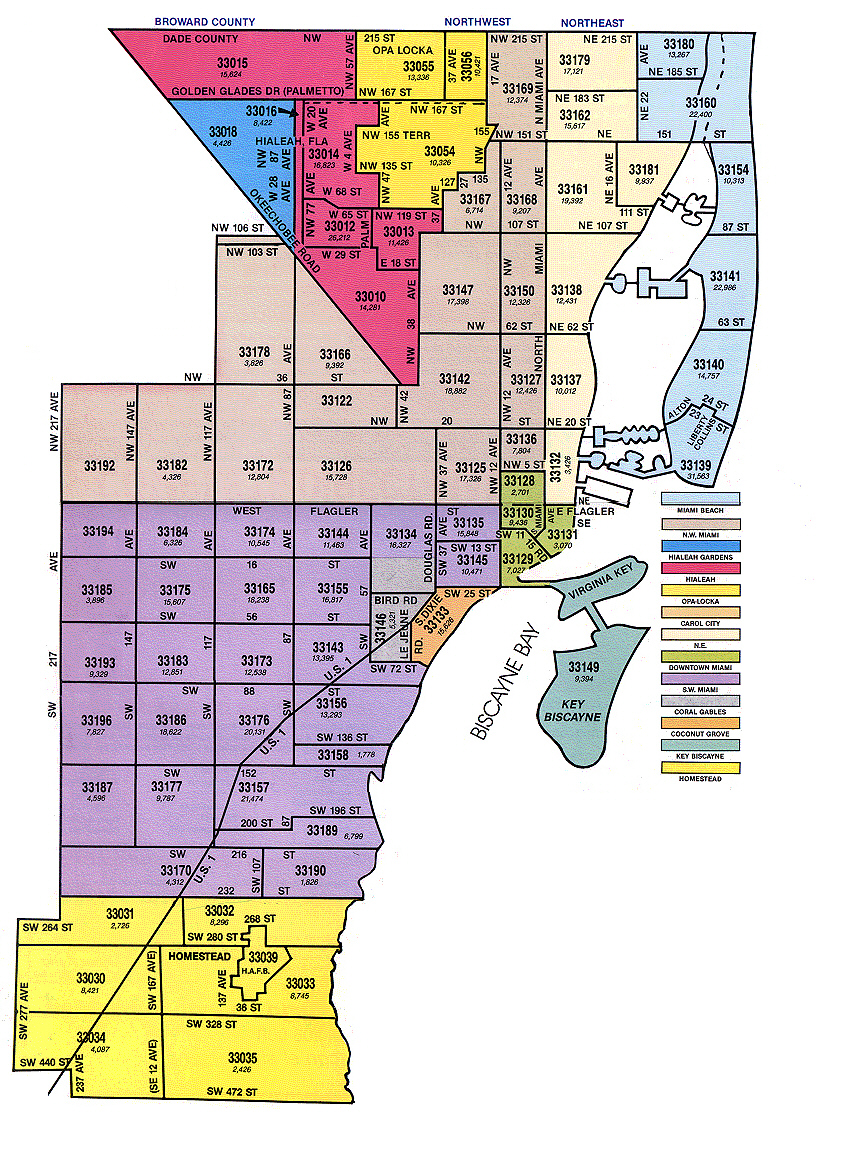
Miami-Dade County is a vast and diverse region, encompassing not only the bustling city of Miami but also numerous other municipalities like Hialeah, Miami Beach, Coral Gables, and Homestead. All these areas fall under the 305 and 786 overlay. This means that whether you are trying to reach a local farmer’s market in Homestead or a luxury boutique in Coral Gables, the dialing procedure remains the same: ten digits are required. This comprehensive coverage simplifies communication across the entire county, preventing confusion about which specific area code applies to which municipality within Miami-Dade itself. For tourists exploring different facets of Miami culture and attractions, this uniform dialing approach is a significant convenience.
The Evolution of Miami’s Area Codes: A Brief History
The story of Miami’s area codes reflects the rapid growth and modernization of South Florida. What began as a single code for a large geographic region quickly evolved to meet the demands of an expanding population and technological advancements.
From Single Code to Overlay Complexities
When the North American Numbering Plan (NANP) was established in 1947, Florida was initially served by two area codes: 305 for the southern half and 904 for the northern half. The 305 area code, therefore, originally covered a vast territory that stretched from Key West all the way up to Fort Pierce, encompassing the entire South Florida peninsula. As the region grew, this large block was progressively split. In 1953, the 813 area code was carved out for the Tampa Bay area and southwestern Florida. Later, in 1988, 407 was introduced for the central Florida region, including Orlando.
However, the most significant change for Miami occurred in the 1990s. The burgeoning population of Miami-Dade and Broward Counties, coupled with the explosion of pagers, fax machines, and eventually cell phones, led to a critical shortage of available 305 numbers. In 1995, Broward County was split off, receiving its own new area code, 954. This provided temporary relief, but the growth in Miami-Dade alone continued unabated. This led to the introduction of the 786 overlay in 1998, marking a transition from geographic splits to co-existing codes within the same service area.
Why Overlays Are Necessary
Overlay area codes like 786 were developed as a solution to prevent further complex and disruptive geographic splits. A geographic split requires existing customers in one part of a region to change their phone numbers, which can be incredibly inconvenient and costly for businesses and individuals alike. It also causes significant confusion during the transition period. An overlay, by contrast, introduces a new area code into the same geographic region as the existing one. This means no one has to change their current number. Instead, new customers in the area are simply assigned numbers from the new overlay code.
The primary consequence of an overlay is the implementation of mandatory 10-digit dialing for all local calls within the overlay region. While this might seem slightly more cumbersome than the traditional 7-digit dialing, it is a far less disruptive solution than forcing millions of people to change their phone numbers. For tourists, it simply means being mindful to always dial the full area code for any local Miami number, regardless of whether it starts with 305 or 786. This system is now a common feature in many large U.S. cities, and Miami’s adoption of it highlights its status as a major urban center.
Navigating Beyond the City Limits: Greater South Florida

While 305 and 786 are specifically for Miami-Dade County, South Florida is a much larger metropolitan area. Tourists and business travelers often venture into neighboring counties, each with its own set of area codes. Understanding these can be crucial, especially when planning excursions or connecting with services outside of Miami proper.
Broward County’s 954 and 754
Just north of Miami-Dade County lies Broward County, home to Fort Lauderdale and other popular destinations like Hollywood and Pompano Beach. As mentioned earlier, Broward County received its own area code, 954, in 1995 when it split from 305. Much like Miami-Dade, the rapid growth in Broward County also necessitated an overlay. In 2002, 754 was introduced as an overlay for the 954 region.
Therefore, if you are calling a number in Fort Lauderdale, Hollywood, or any other part of Broward County, you will need to dial either 954 or 754, followed by the seven-digit number. This is another 10-digit dialing zone. Many visitors to South Florida will travel between Miami and Fort Lauderdale for different attractions or airport access, so keeping these separate area codes in mind is highly practical.
Palm Beach County’s 561
Further north of Broward County is Palm Beach County, renowned for its affluent communities like Palm Beach and Boca Raton, as well as the bustling city of West Palm Beach. This county is served by the 561 area code, which was created in 1996 from a split of the 407 area code (which at that point served central Florida).
Unlike Miami-Dade and Broward, Palm Beach County currently operates solely under the 561 area code. While it’s always wise to check for potential future overlays, for now, if you’re calling a local number in West Palm Beach or Boca Raton, you will use the 561 area code. This distinction is important for those exploring the broader cultural and recreational offerings of the entire South Florida region.
Practical Communication Tips for Miami Visitors
Beyond simply knowing the numbers, understanding how to apply this information effectively is key to a smooth travel or stay experience in Miami.
Dialing Local and Long Distance
As established, all local calls within the 305/786 overlay in Miami-Dade County require 10-digit dialing (e.g., 305-XXX-XXXX or 786-XXX-XXXX). This applies whether you’re calling from a landline, a cell phone, or a Voice over IP (VoIP) service. The same rule applies if you’re calling from Miami to a number in Broward County (954/754) or Palm Beach County (561); these would also be dialed as 10-digit local calls if originating from within the respective metropolitan area.
For calls that are considered “long distance” within the U.S. (i.e., outside the immediate South Florida region), you typically do not need to dial a “1” before the area code if you are using a mobile phone. However, if calling from a landline, especially an older hotel phone, you might still be required to dial “1” before the area code and number. It’s always best practice to check local dialing instructions provided by your accommodation. For instance, if you’re trying to reach a number in New York City from your Miami Beach hotel, you’d dial 1-212-XXX-XXXX.
International Considerations for Tourists
For international visitors, using a local Florida area code becomes a factor when making calls within the U.S. If you’ve purchased a local SIM card or an e-SIM with a U.S. number, you will follow the standard 10-digit dialing rules for calls within Miami and the wider South Florida region.
If you are using your home country’s mobile plan with international roaming, you would typically dial U.S. numbers just as you would from within the U.S. (e.g., 305-XXX-XXXX). However, for calling back home, you’ll need to use the international dialing prefix (often “+” or “00”), followed by your country code, and then the full phone number. Many modern smartphones automatically handle the international prefix when you select a contact from your address book, making it simpler. Keep in mind that international roaming charges can be substantial, so consider Wi-Fi calling apps or a local SIM card for more economical communication.
Emergency Services and Key Contacts
In case of an emergency anywhere in the U.S., including Miami, the universal number to dial is 911. This connects you directly to police, fire, or ambulance services. It is a free call and does not require an area code. For non-emergency situations, such as reporting a minor incident or asking for general police information, look up the non-emergency number for the Miami-Dade Police Department or the specific city police department (e.g., Miami Beach Police Department). These numbers will likely be 10-digit numbers using the 305 or 786 area codes.
It’s also a good idea to have other key local contacts stored in your phone, such as your hotel’s front desk, tour operators, or transportation services. Ensuring these are saved with the correct 10-digit number (including the 305 or 786 area code) will prevent any dialing mishaps during your stay. Knowing these practical tips allows for a safer and more convenient experience as you navigate the vibrant culture and activities Miami has to offer.
In conclusion, while the question “What area code is Miami?” might seem simple, the answer reveals a dynamic communication landscape shaped by urban growth and technological adaptation. With 305 and 786 serving Miami-Dade County, and distinct codes for neighboring regions, a clear understanding ensures seamless connectivity. By internalizing these key pieces of information and following simple dialing rules, visitors and residents alike can confidently communicate and fully immerse themselves in the unique charm of Miami and South Florida.
LifeOutOfTheBox is a participant in the Amazon Services LLC Associates Program, an affiliate advertising program designed to provide a means for sites to earn advertising fees by advertising and linking to Amazon.com. Amazon, the Amazon logo, AmazonSupply, and the AmazonSupply logo are trademarks of Amazon.com, Inc. or its affiliates. As an Amazon Associate we earn affiliate commissions from qualifying purchases.