
California, a state synonymous with sunshine, innovation, and breathtaking landscapes, is a vast and diverse tapestry. From the bustling metropolises of Southern California to the serene redwood forests of the north, and the vineyards of the central coast, it’s a destination that captivates millions of travelers each year. When planning a trip to the Golden State, understanding its geography, and by extension, its telecommunication landscape, can be incredibly useful. While you might not be dialing phone numbers extensively during your vacation, knowing about the area codes can offer a subtle yet insightful glimpse into the state’s sprawling reach and distinct regions.
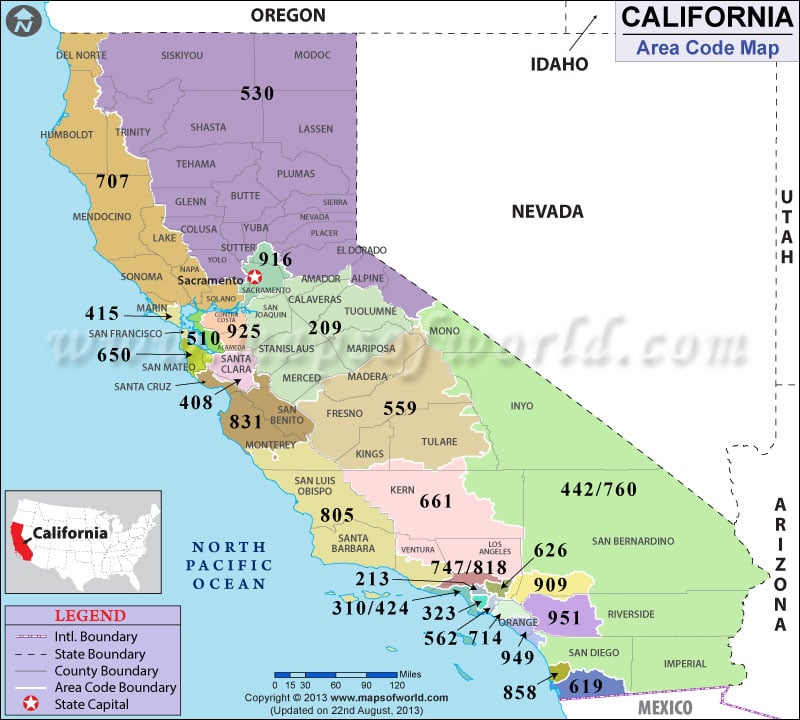
This exploration delves into the intricate network of California’s area codes, not just as numerical identifiers, but as markers of the diverse travel experiences, unique tourism opportunities, and varied lifestyle choices available across this iconic American state. Whether you’re a seasoned globetrotter seeking the ultimate luxury travel experience, a family embarking on a memorable family trip, or a budget-conscious adventurer exploring new destinations, understanding these codes can add another layer to your appreciation of California.
The Expanding Digital Landscape of California
The proliferation of mobile phones and the increasing demand for phone numbers have led to a constant evolution of area codes in densely populated regions. This overlay system, where new area codes are added without removing old ones, ensures that everyone can get a unique phone number while preserving the existing ones. This dynamic digital expansion mirrors the state’s own growth and development, from its early days to its current status as a global hub for technology and culture.
Understanding Area Code Overlays
Area code overlays are a common method used by telecommunications regulators to introduce new area codes. Instead of splitting an existing area code and assigning a new one to a specific geographic area, overlays allow new numbers with a different area code to be assigned within the same geographic region. This means that in some parts of California, you might find that a geographic region is served by multiple area codes. For example, a resident in a particular city might have a phone number with an older area code, while a new resident in the same city could have a number with a recently introduced overlay area code.
This system, while sometimes confusing for those accustomed to a one-to-one mapping of area codes to regions, is crucial for accommodating the ever-growing demand for phone lines. It reflects the immense popularity of California as a place to live, work, and visit, necessitating an ever-expanding telecommunication infrastructure. For travelers, this means that even within a single city, you might encounter a variety of area codes.
Navigating California’s Diverse Geographic Regions Through Area Codes
California is not a monolith. Its geography is incredibly varied, from the sun-drenched beaches of San Diego to the majestic Yosemite National Park, the vibrant cultural heart of Los Angeles, and the tech-centric innovation of San Francisco. Each of these regions, and countless others, are marked by specific area codes, acting as digital signposts to the unique attractions, local culture, and experiences they offer.
Southern California: A Tapestry of Sun and Entertainment
The southern part of the state is perhaps the most recognized for its iconic landmarks and diverse population. Los Angeles County alone is a sprawling megalopolis, and as such, it has seen numerous area code additions over the years to accommodate its massive population and economic activity.
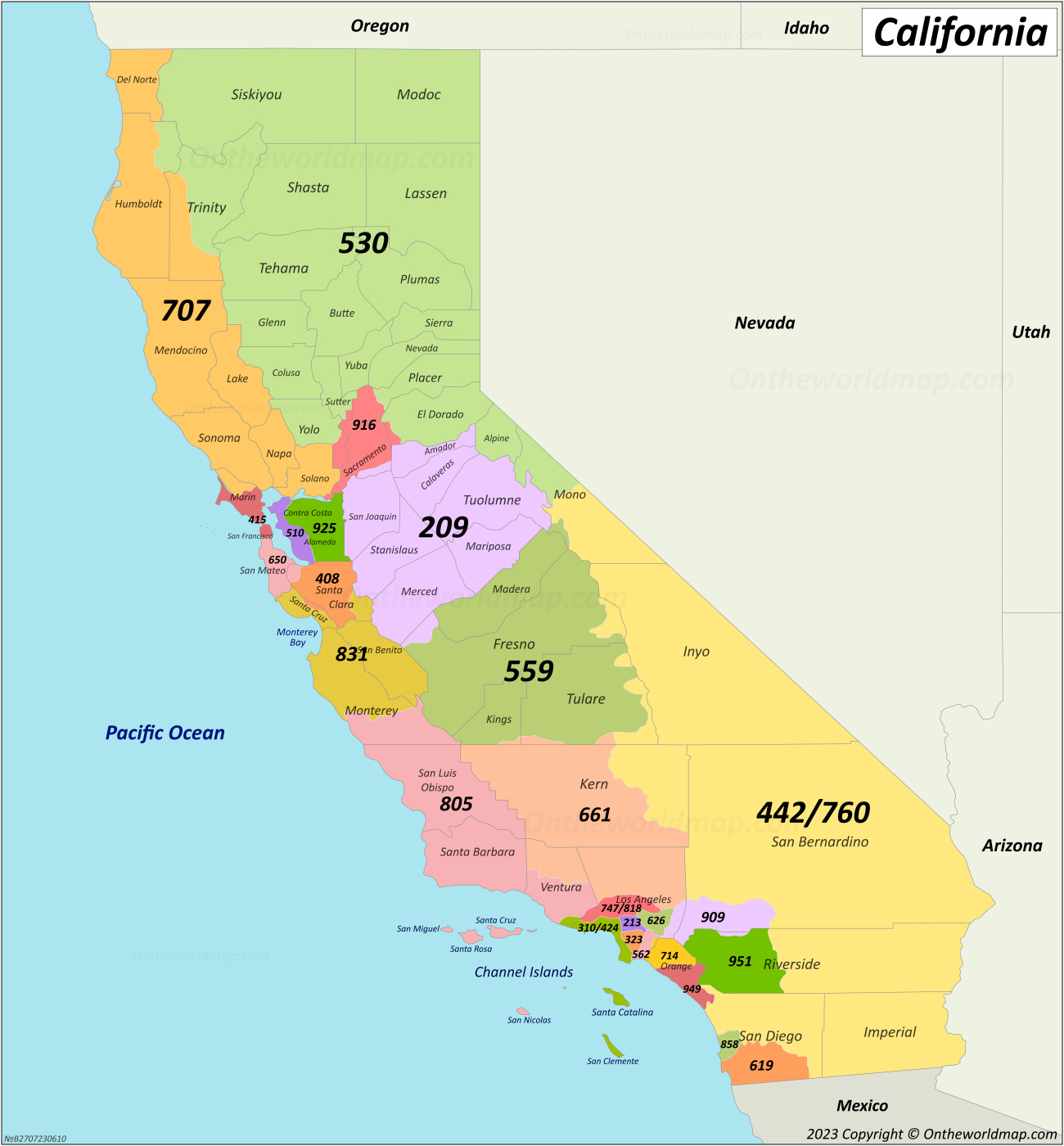
- 213 and 323: These are the original area codes for much of Los Angeles City. The 213 code covers the downtown core, while 323 expanded to encompass surrounding areas. When you think of the historic heart of Los Angeles, with its classic architecture and bustling business districts, these codes are often associated.
- 310 and 424: Serving the western and southern portions of Los Angeles County, these area codes are synonymous with affluent coastal communities like Beverly Hills, Santa Monica, and Malibu. These areas are renowned for their luxury resorts, high-end boutiques, and celebrity sightings, representing the glamorous side of California lifestyle.
- 818 and 747: These codes cover the San Fernando Valley, a large and populous region in Los Angeles County, known for its diverse communities and significant role in the film and television industry. The San Fernando Valley offers a blend of suburban living and commercial hubs, with plenty of local attractions and food experiences.
- 626: This area code serves the San Gabriel Valley, east of Los Angeles, a region rich in diverse cultures and culinary delights, particularly its renowned Asian cuisine.
- 562: Covering parts of southeastern Los Angeles County, including cities like Long Beach, this area code is linked to coastal communities and port activities.
- 714 and 657: These codes are primarily associated with Orange County, a region famous for its theme parks like Disneyland and Knott’s Berry Farm, beautiful beaches, and family-friendly tourism. The Orange County experience often involves sunny days, beach activities, and a vibrant local scene.
- 949: This newer overlay code serves southern Orange County, encompassing affluent coastal cities and inland communities, further diversifying the region’s offerings.
- 909: Covering parts of eastern Los Angeles County and western San Bernardino County, this area code serves a mix of suburban and more rural areas, including mountainous regions and popular hiking destinations.
- 760: This vast area code covers a significant portion of Southern California, stretching from the inland empire to the Mojave Desert and down to the Mexican border. It encompasses popular destinations like Palm Springs, known for its mid-century modern architecture and desert resorts, and the otherworldly landscapes of Joshua Tree National Park.
Central California: Valleys of Agriculture and Coastal Charm
Central California is a region of stark contrasts, from the fertile agricultural heartland of the Central Valley to the dramatic coastline and wine country.
- 805 and 820: These codes serve a large geographical area stretching from the southern end of the Central Coast up through San Luis Obispo County and into Ventura County. This region is celebrated for its beautiful beaches, wine regions like the Santa Barbara wine country, and charming coastal towns.
- 559: This area code covers a significant portion of the Central Valley, an agricultural powerhouse, as well as the stunning Sierra Nevada foothills and the entrance to Yosemite National Park. Cities like Fresno are key economic centers in this region.
- 831: Serving Monterey Bay and surrounding areas, this code is linked to iconic landmarks like the Monterey Bay Aquarium and the scenic 17-Mile Drive. The region is famous for its natural beauty, marine life, and rich history.
- 408 and 669: These codes are central to Silicon Valley, the global epicenter of technology and innovation. Cities like San Jose, Santa Clara, and Sunnyvale fall under these prefixes, representing a major hub for business stays and technological advancements.
- 510 and 341: These codes cover the East Bay region of the San Francisco Bay Area, including cities like Oakland and Berkeley, known for their diverse cultures, vibrant arts scenes, and unique local culture.
- 650: This area code serves the peninsula south of San Francisco, including cities like Palo Alto and Redwood City, another significant portion of Silicon Valley’s technological landscape.
Northern California: Redwoods, Wine, and Iconic Cityscapes
Northern California boasts a dramatic coastline, ancient redwood forests, world-renowned wine regions, and the iconic city of San Francisco.
- 415 and 628: These are the primary area codes for the city of San Francisco and parts of Marin County. San Francisco is a global tourist magnet, famous for landmarks like the Golden Gate Bridge, Alcatraz Island, and its distinct neighborhoods, each offering unique experiences.
- 707: This expansive area code covers much of Northern California‘s wine country, including Napa Valley and Sonoma Valley, renowned for their world-class wineries and picturesque vineyards. It also extends to the rugged northern coast and redwood forests.
- 209: This area code serves a large area east of the Bay Area, including parts of the Central Valley and the Sierra Nevada foothills. It provides access to Yosemite National Park from the west and includes cities like Stockton and Modesto.
- 916 and 279: These codes cover Sacramento County and surrounding areas, making them the digital gateway to California’s capital city, Sacramento. Sacramento offers a rich history, including the California State Railroad Museum, and serves as a hub for state government and business.
- 530: This area code encompasses a vast northern and northeastern portion of the state, including the Lake Tahoe region, known for its stunning alpine scenery and year-round recreational activities, as well as the university towns of Chico and Redding, and the volcanic landscapes of Lassen Volcanic National Park.

Beyond the Numbers: Area Codes as a Lens for Exploration
While the primary purpose of an area code is to facilitate communication, understanding the geographical distribution of California’s area codes can serve as an unexpected yet useful tool for travelers and anyone interested in the state’s intricate geography. Each code represents a segment of this diverse state, hinting at the potential destinations, attractions, accommodations, and lifestyle facets that lie within its numerical boundaries.
For instance, if you’re looking at accommodation options in the wine country, you might find yourself looking at numbers with the 707 area code, immediately signaling a connection to the vineyards and wineries of Napa and Sonoma. Conversely, searching for a family-friendly resort experience in Southern California might lead you to areas covered by 714 or 949, suggesting proximity to theme parks and beaches.
The presence of multiple overlay codes in densely populated areas like Los Angeles and the Bay Area is a testament to their economic vitality and their enduring appeal as places to live and visit. These areas are not just geographical locations; they are vibrant centers of culture, commerce, and tourism, each with its own unique character and a multitude of experiences waiting to be discovered.
Ultimately, while the specific numerical sequence might seem technical, the area codes of California are woven into the very fabric of its identity. They are digital threads connecting us to the state’s diverse landscapes, rich history, dynamic present, and promising future. As you plan your next adventure, whether it’s exploring the natural wonders of Big Sur, indulging in the culinary scene of San Francisco, or soaking up the sun in San Diego, let these numerical identifiers offer a small yet intriguing glimpse into the vast and captivating world of California. They are, in their own way, part of the rich tapestry that makes this state a truly unforgettable destination.
LifeOutOfTheBox is a participant in the Amazon Services LLC Associates Program, an affiliate advertising program designed to provide a means for sites to earn advertising fees by advertising and linking to Amazon.com. Amazon, the Amazon logo, AmazonSupply, and the AmazonSupply logo are trademarks of Amazon.com, Inc. or its affiliates. As an Amazon Associate we earn affiliate commissions from qualifying purchases.