
For many, Florida conjures images of pristine white-sand beaches, crystal-clear turquoise waters, and endless sunshine – an idyllic escape for travelers seeking relaxation, adventure, or family fun. However, the Sunshine State periodically faces a natural phenomenon known as “red tide,” which can significantly impact coastal environments and alter travel plans. Understanding what red tide is, how it’s monitored, and its potential effects is crucial for anyone planning a visit to Florida’s beloved shores.
This comprehensive guide aims to equip you with the knowledge needed to navigate red tide concerns, ensuring your Florida vacation remains enjoyable, safe, and memorable. We’ll delve into the science behind red tide, point you to official resources for real-time updates, explore its implications for tourism and local lifestyle, and suggest fantastic alternative activities should your preferred beach be affected. Whether you’re a seasoned Florida visitor or planning your first trip, being informed allows for a more flexible and fulfilling travel experience.
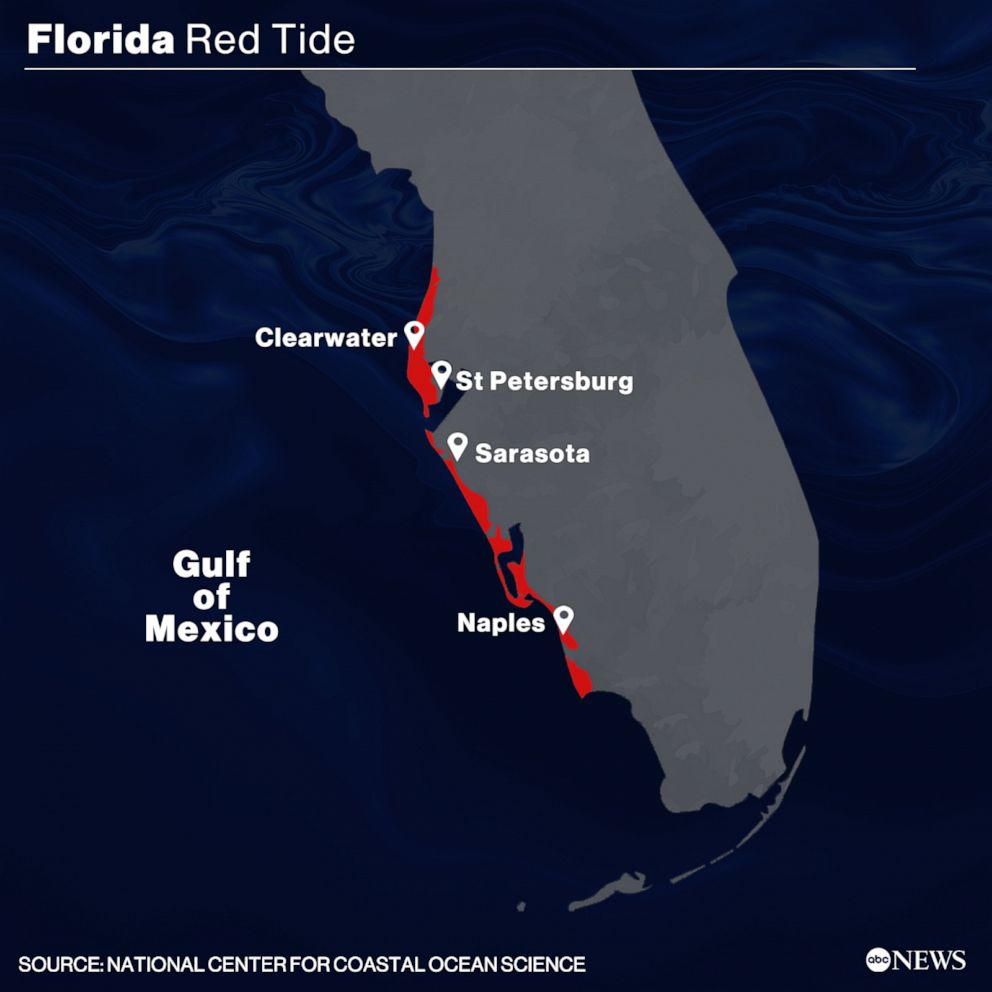
Understanding Florida’s Red Tide: What It Is and Why It Matters
Red tide is a common term for harmful algal blooms (HABs) caused by microscopic algae, specifically Karenia brevis, which occurs naturally in the Gulf of Mexico. While these organisms are always present in low concentrations, under certain conditions—such as favorable nutrient levels, sunlight, and water salinity—they can multiply rapidly, forming dense “blooms” that can discolor the water (hence “red tide,” though colors can vary from red to brown to green).
The significance of red tide goes far beyond a mere aesthetic change in the water. Karenia brevis produces potent neurotoxins called brevetoxins, which can have detrimental effects on marine life, coastal ecosystems, and even human health. For travelers and residents alike, understanding these impacts is key to making informed decisions about beach visits and outdoor activities.
Health Considerations and Symptoms
One of the primary concerns for tourists regarding red tide is its potential impact on human health. When brevetoxins become airborne (through wave action or sea spray), they can cause respiratory irritation in humans. Symptoms typically include:
- Coughing: Often dry and persistent.
- Sneezing: Similar to allergic reactions.
- Throat Irritation: A scratchy or sore sensation.
- Runny Nose: Nasal congestion and discharge.
- Eye Irritation: Itchiness, redness, or watery eyes.
These symptoms are generally temporary and subside quickly upon leaving the affected area. However, individuals with pre-existing respiratory conditions, such as asthma or chronic obstructive pulmonary disease (COPD), may experience more severe reactions and should avoid beaches with active red tide. Swimmers may also experience skin irritation or rashes, especially if they have open cuts or sores. It’s important to note that consuming seafood harvested from red tide-affected waters, particularly shellfish, can be dangerous, as toxins can accumulate in their tissues. Fortunately, commercial seafood (finfish) sold in restaurants and stores is generally safe, as regulatory measures are in place to ensure its safety.
Environmental Impact and Marine Life
The environmental consequences of a significant red tide bloom are often heartbreakingly visible. Brevetoxins can paralyze the central nervous systems of fish, leading to widespread fish kills. These events not only impact the aesthetic appeal of a beach but also disrupt the delicate marine food web. Other marine animals, including sea turtles, dolphins, and manatees, can also be affected by consuming contaminated prey or inhaling airborne toxins.
Beyond the immediate loss of marine life, red tide can stress coral reefs and seagrass beds, critical habitats for numerous species. The decomposition of dead fish can further deplete oxygen levels in the water, creating “dead zones” that exacerbate the problem for surviving marine organisms. For those interested in Florida’s rich natural heritage and unique wildlife, red tide represents a serious ecological challenge.
Current Red Tide Status: Where to Find Up-to-Date Information
Given the dynamic nature of red tide blooms, knowing where to access the most current and reliable information is paramount for any traveler. Red tide conditions can change rapidly, with varying concentrations of Karenia brevis cells reported from one beach to the next, even within the same county. Relying on outdated information or anecdotal reports can lead to disappointment or, worse, expose you to uncomfortable conditions.
Fortunately, Florida has robust monitoring systems in place, offering transparency and real-time data to help both residents and visitors make informed decisions.
Official Monitoring Resources
The leading authority for red tide monitoring and reporting in Florida is the Florida Fish and Wildlife Conservation Commission (FWC). Their dedicated website is the go-to source for scientific data, advisories, and forecasts. The FWC provides:
- Weekly Red Tide Status Reports: These comprehensive reports detail the current status of Karenia brevis in water samples collected along Florida’s coasts, often categorized by county and specific beach locations.
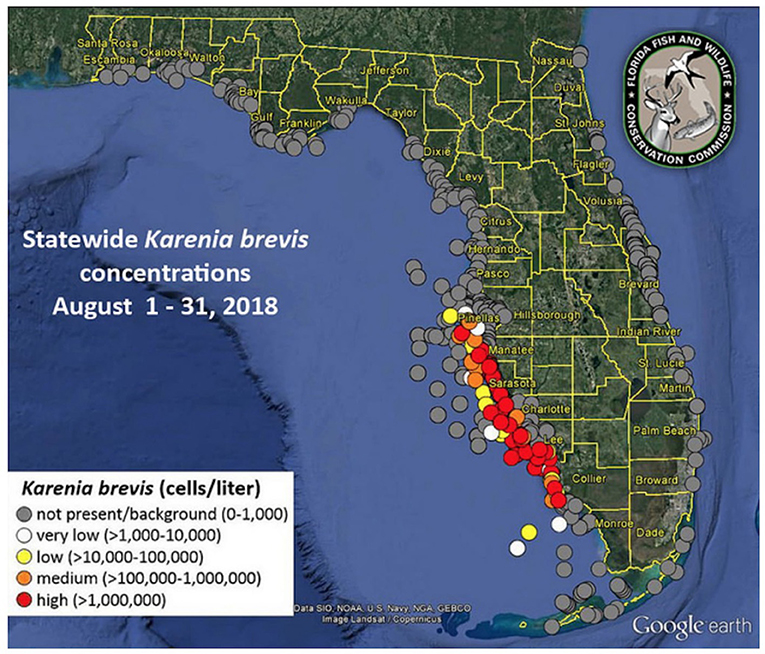
- Interactive Maps: Visual aids that display cell concentrations (from absent to high) across the state, making it easy to see which areas are affected and to what extent.
- Respiratory Forecasts: Developed in collaboration with the National Oceanic and Atmospheric Administration (NOAA), these forecasts predict the likelihood of respiratory irritation for specific beaches over the next 24-48 hours.
In addition to the FWC, local county health departments and tourism boards also play a crucial role. The Florida Department of Health often issues public health advisories for affected areas, while county-specific tourism websites (e.g., for Sarasota, Lee County, or Collier County) may offer localized beach conditions and recommendations. Many beaches, particularly in heavily visited areas like Clearwater Beach or Siesta Key, also have local signage or social media updates regarding beach conditions.
Interpreting Red Tide Maps and Reports
When reviewing official red tide maps and reports, pay close attention to the following details:
- Cell Concentration Levels: Reports typically use categories like “background,” “very low,” “low,” “medium,” and “high” to indicate the density of Karenia brevis cells. High concentrations are more likely to cause significant fish kills and respiratory irritation.
- Location Specificity: Red tide is highly localized. One beach might be clear, while a beach just a few miles down the coast could be heavily impacted. Always check the specific beach or area you plan to visit.
- Date of Data Collection: Ensure you are looking at the most recent data. Conditions can change day by day.
- Trends: Sometimes, reports indicate whether concentrations are increasing, decreasing, or stable, which can help in predicting future conditions.
By regularly consulting these resources, travelers can stay informed and adjust their itineraries as needed, making the most of their Florida vacation regardless of red tide conditions.

Impact on Travel and Tourism: Navigating Your Florida Vacation
Red tide can undoubtedly cast a shadow over a beach vacation, but it doesn’t have to ruin your entire trip to Florida. The state is vast and incredibly diverse, offering a multitude of experiences far beyond its coastal areas. Understanding how red tide might affect your plans and being prepared to pivot are key to a successful journey.
Coastal Communities Most Affected
Historically, red tide blooms originating in the Gulf of Mexico tend to affect Florida’s Southwest Florida and central Gulf Coast regions most frequently and intensely. Areas like Sarasota, Manatee County (including Anna Maria Island and Longboat Key), Pinellas County (home to St. Petersburg and Clearwater Beach), Fort Myers, Naples, Sanibel Island, Captiva Island, and Marco Island have experienced significant impacts during severe bloom events. These areas rely heavily on beach tourism, so local businesses, including hotels, restaurants, and tour operators, can be deeply affected.
When red tide is present, popular beach activities like swimming, sunbathing, shelling, and fishing might be less appealing or even advised against due to respiratory irritation, unpleasant odors from decaying fish, and potential skin irritation. For avid anglers, fishing can still be possible, but care should be taken with consumption, and it’s best to check local advisories.
Accommodation and Booking Flexibility
If your travel plans are centered around beach activities in a potentially affected area, consider booking accommodations with flexible cancellation policies or purchasing travel insurance. Many hotels, suites, and resorts on the Gulf Coast offer fantastic amenities, from elaborate pools and spas to private balconies with stunning views, which can still be enjoyed even if the beach itself is not ideal. For instance, a luxurious Naples resort might still offer an exceptional experience, allowing you to relax poolside or explore the city’s upscale shopping and dining.
Some travelers choose to book accommodations slightly inland, where air quality is less likely to be impacted, and commute to beaches if conditions improve. Others might opt for stays in cities like Tampa or St. Petersburg, which offer a blend of urban attractions and proximity to the coast, providing more options if beach conditions are poor.
Beyond the Beaches: Alternative Activities in Florida
One of the greatest strengths of Florida as a travel destination is its incredible diversity. If red tide affects your preferred coastal spot, countless other attractions and experiences await across the state. Embracing these alternatives can transform a potentially disappointing beach trip into an unforgettable journey exploring Florida’s rich culture, history, nature, and entertainment.
Exploring Florida’s Inland Gems and Theme Parks
Florida’s inland regions offer a completely different, yet equally captivating, side of the state. For families, the world-renowned theme parks of Orlando are a perennial favorite. Spend days immersed in the magic of Walt Disney World Resort or experience the thrilling rides and cinematic adventures at Universal Orlando Resort. Tampa also boasts major attractions like Busch Gardens Tampa Bay with its African-themed rides and animal encounters, and Adventure Island for water park fun.
Nature enthusiasts can explore the vast and unique ecosystems of the Everglades National Park, where airboat tours offer thrilling encounters with alligators and diverse birdlife. Florida’s natural springs, such as those near Ocala or along the St. Johns River, provide clear, cool waters perfect for swimming, snorkeling, and kayaking, offering a refreshing alternative to the ocean. These springs are fed by underground aquifers and are generally unaffected by coastal red tide.
Cultural Experiences and Culinary Delights
Florida is steeped in history and vibrant culture. Step back in time in St. Augustine, the nation’s oldest continuously inhabited European-established settlement. Wander its cobblestone streets, visit the historic Castillo de San Marcos, and explore its many museums. Miami, with its distinct Latin American flair, offers incredible art deco architecture in Miami Beach, the colorful street art of Wynwood, and the lively atmosphere of Little Havana.
Cities like Sarasota are known for their thriving arts scenes, including the renowned Ringling Museum complex. St. Petersburg boasts the fascinating Dali Museum, while Tampa’s historic Ybor City district invites visitors to explore its cigar-making heritage and vibrant nightlife. Even if the beaches are out, you can indulge in Florida’s diverse culinary landscape, from fresh seafood (sourced from non-affected waters) to international cuisine and farm-to-table dining experiences.
For space enthusiasts, a trip to the Kennedy Space Center Visitor Complex on Florida’s Atlantic Coast (which is generally not affected by Gulf of Mexico red tides) provides an awe-inspiring look into space exploration. And let’s not forget the charming towns like Winter Park near Orlando, with its boutiques, galleries, and scenic Lake Eola Park in downtown Orlando.
Even the Florida Keys, stretching from the southern tip of Florida into the Atlantic, offer a distinct island vibe with unique attractions like the Hemingway Home in Key West, snorkeling in Biscayne National Park, or exploring the remote beauty of Dry Tortugas National Park. While marine life can be affected by various environmental factors, these areas are geographically distinct from the primary red tide zones of the Gulf Coast.
Planning Ahead: Tips for a Red Tide-Aware Florida Trip
A truly well-planned trip to Florida accounts for all possibilities, including the presence of red tide. By adopting a proactive and informed approach, you can significantly enhance your chances of a smooth and enjoyable vacation, regardless of what Mother Nature brings.
Best Practices for Travelers
- Monitor Conditions Regularly: As your trip approaches and even during your stay, make it a habit to check the FWC’s red tide updates. Conditions can change day-to-day.
- Be Flexible with Your Itinerary: If your initial beach choice is impacted, have a backup plan. Explore the alternative attractions mentioned above or consider visiting beaches on the Atlantic Coast or the Florida Panhandle, which are less frequently affected by Karenia brevis blooms originating in the Gulf of Mexico.
- Protect Your Health: If you visit an affected beach and experience respiratory irritation, move to an area with fresh air. Individuals with respiratory sensitivities should consider avoiding affected areas altogether. Keep windows closed in cars and accommodations near the beach.
- Heed Local Advisories: Always pay attention to signage at beaches and advice from local officials, lifeguards, and hotel staff. They are your immediate source for on-the-ground conditions.
- Pack Smart: Consider bringing over-the-counter allergy medications or inhalers if you are prone to respiratory issues. Sunglasses can help protect eyes from irritation.
Supporting Local Businesses
When red tide impacts a coastal community, local businesses bear the brunt of reduced tourism. Even if beach conditions aren’t ideal, consider patronizing local restaurants, shops, and attractions. Many of these establishments offer unique cultural experiences, local cuisine, and handmade goods that reflect the true spirit of Florida. Staying at a local hotel or villa, even if you spend more time by the pool or exploring inland, still contributes to the local economy. Your support helps these communities weather challenging periods and rebound stronger.
By being informed, flexible, and supportive, you can still have a fantastic Florida experience while being mindful of environmental conditions. Florida’s beauty and hospitality extend far beyond its immediate coastline, offering a world of travel, tourism, and lifestyle choices that promise an unforgettable journey.
LifeOutOfTheBox is a participant in the Amazon Services LLC Associates Program, an affiliate advertising program designed to provide a means for sites to earn advertising fees by advertising and linking to Amazon.com. Amazon, the Amazon logo, AmazonSupply, and the AmazonSupply logo are trademarks of Amazon.com, Inc. or its affiliates. As an Amazon Associate we earn affiliate commissions from qualifying purchases.