
California, a state renowned for its diverse landscapes, from sun-drenched beaches to towering mountain ranges, is also home to a thriving population of incredible wildlife. Among its most iconic, and often misunderstood, inhabitants are bears. While the majestic California grizzly bear famously adorns the state flag, its presence in the wild ceased over a century ago. Today, the wilderness areas of the Golden State are primarily dominated by a single, formidable species: the American black bear. Understanding these creatures, their habitats, and their behavior is crucial for anyone venturing into California’s natural wonders. This exploration delves into the biology, ecology, and cultural significance of bears in California, offering insights into how humans and these powerful mammals can coexist respectfully.
The Reigning Species: The American Black Bear
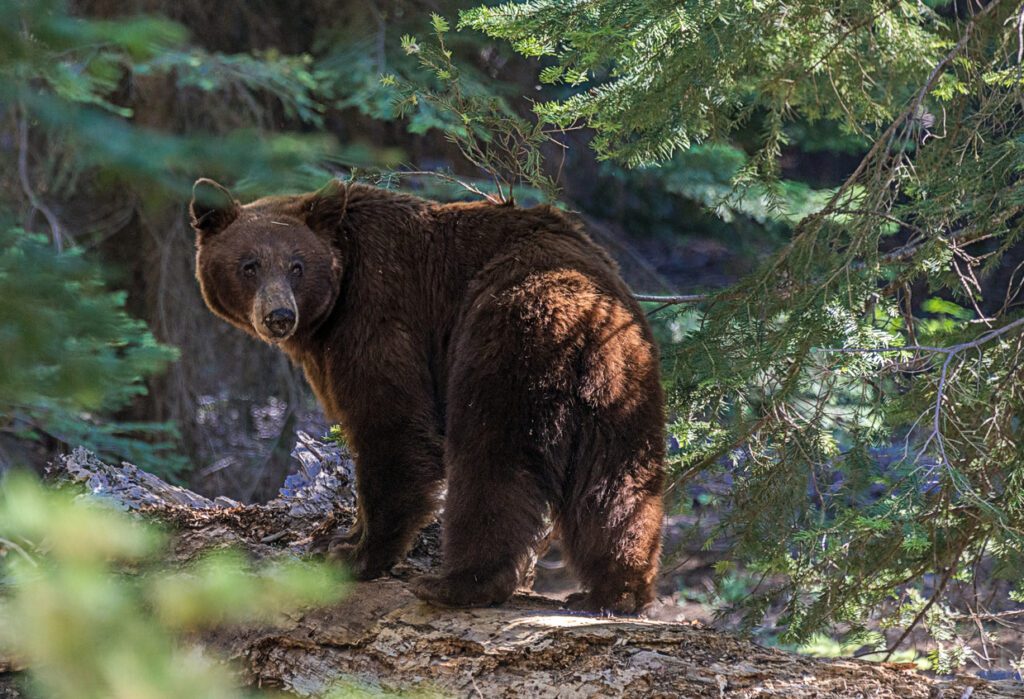
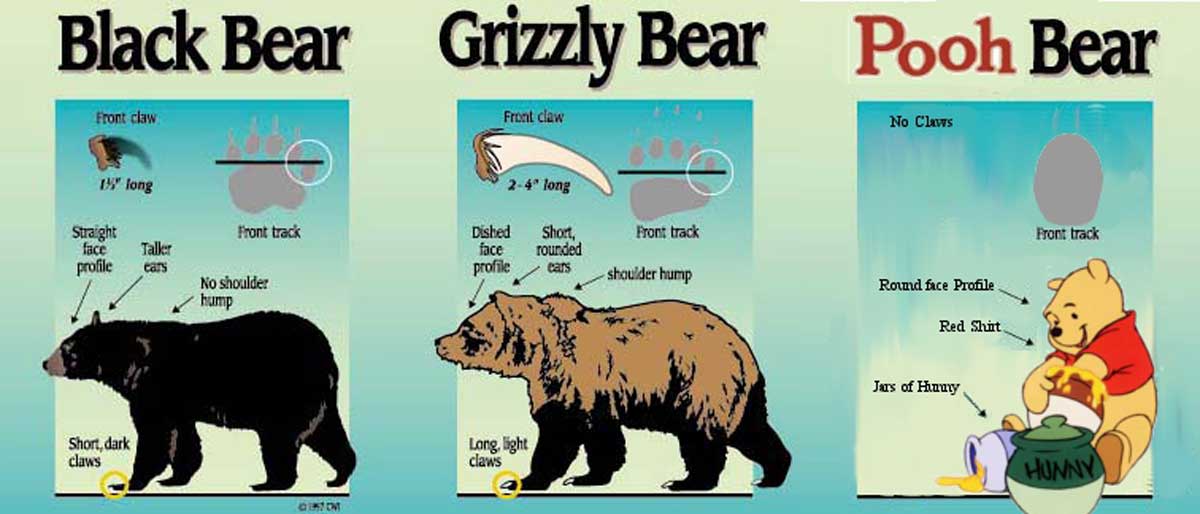
Despite its common name, the American black bear (Ursus americanus) exhibits a wide range of colorations, from jet black to cinnamon brown, and even a rare blue-gray in some regions. In California, brown or cinnamon-colored individuals are quite common, often leading to misidentification by casual observers who might mistake them for grizzlies. These bears are generally smaller than their extinct grizzly cousins, with adult males typically weighing between 200 and 400 pounds, though some can exceed 600 pounds. Females are smaller, usually ranging from 120 to 250 pounds. Their distinguishing features include a straight facial profile, short, rounded ears, and the lack of a prominent shoulder hump that characterized the grizzly.
Black bears are omnivores, their diet primarily consisting of plants, berries, nuts, insects, and carrion. They are opportunistic feeders, making them highly adaptable to various environments and food sources. This adaptability, combined with their intelligence and keen sense of smell, allows them to thrive across many of California’s ecosystems, from dense forests to chaparral-covered hillsides. Their survival instincts and resourcefulness have made them incredibly successful, despite historical hunting pressures and ongoing habitat fragmentation. While often portrayed as solitary, black bears have complex social structures, particularly during mating season or when food is abundant. Females, or sows, typically give birth to one to three cubs every two to three years, raising them diligently for about a year and a half before they venture out on their own.
Habitats and Distribution Across the Golden State
The American black bear population in California is robust and widely distributed, thriving in many of the state’s wild and semi-wild areas. Their ability to adapt to diverse environments allows them to inhabit a vast range, predominantly in forested and mountainous regions.
Key Bear Hotspots
One of the most significant populations resides within the sprawling Sierra Nevada mountain range, extending from the northern reaches down through the central part of the state. Iconic national parks like Yosemite National Park, Sequoia and Kings Canyon National Parks, and the Lake Tahoe Basin are prime habitats where visitors frequently encounter black bears. These areas provide abundant natural food sources, dense cover for denning, and vast wilderness for roaming.
Further north, the remote and rugged Klamath Mountains and the adjacent Cascade Range also support healthy black bear populations. These regions, characterized by thick forests and abundant waterways, offer ideal conditions for bears. Along the coast, bears can be found in parts of the Coast Ranges, particularly in areas with significant forest cover, though their presence is less common closer to heavily populated coastal areas.
Southern California also hosts a notable bear population, particularly in the Transverse Ranges and Peninsular Ranges, including the San Bernardino Mountains, San Gabriel Mountains, and San Jacinto Mountains. These bears navigate a landscape increasingly fragmented by human development, often venturing into urban-wildland interfaces in search of food, especially during drought years when natural forage is scarce.
Seasonal Movements and Habitat Use

Bear movements are highly influenced by seasonal changes, especially food availability. In spring, after emerging from hibernation, bears seek out fresh grasses, forbs, and carrion. As summer progresses, they move to areas rich in berries and fruits. Fall is a critical period for hyperphagia, where bears consume vast quantities of acorns, nuts, and other calorie-rich foods to build up fat reserves for winter hibernation. Their dens are typically located in hollow logs, rock crevices, or self-dug excavations, providing shelter from the elements and predators during their winter sleep.
Coexisting with California’s Wild Bears
Encounters with black bears in California’s natural areas are a common occurrence for hikers, campers, and even residents living on the wildland-urban interface. While generally shy and reclusive, bears can become habituated to human presence and food sources, leading to conflicts. Responsible behavior is paramount to ensure both human safety and the well-being of the bears.
Bear-Wise Practices for Visitors
When exploring bear country in California, adhering to “bear-wise” practices is crucial. This includes properly storing food in bear-resistant containers or lockers provided at campsites, or using approved bear canisters when backpacking. Never leave food, scented items (like toiletries), or even empty coolers unattended in vehicles or tents, as bears have an incredible sense of smell and can easily break into cars. Disposing of garbage properly in bear-resistant bins is equally important.
If you encounter a bear, remain calm. Do not run, as this may trigger a chase instinct. Instead, make yourself look as large as possible, wave your arms, and make noise to try and scare the bear away. Back away slowly, always allowing the bear an escape route. If a bear approaches you, especially if it stands on its hind legs, it is likely trying to get a better look or smell; this is not necessarily an aggressive act. However, if a bear acts aggressively, such as huffing, jaw popping, or charging, stand your ground and be prepared to defend yourself. Most defensive encounters are bluff charges. If a bear makes physical contact, fight back vigorously, especially if it’s a predatory attack (rare for black bears). Report all bear encounters, especially aggressive ones, to park rangers or the California Department of Fish and Wildlife.
Conservation and Management Efforts
The California Department of Fish and Wildlife, in cooperation with organizations like the National Park Service and the U.S. Forest Service, plays a vital role in managing California’s bear population. Their efforts focus on monitoring bear health and distribution, mitigating human-bear conflicts through public education and deterrents, and protecting bear habitats. Education campaigns emphasize the importance of not feeding bears, intentionally or unintentionally, as habituated bears often lose their natural fear of humans and are more likely to be involved in conflicts, sometimes leading to their euthanasia. The long-term survival of California’s black bears depends on continued conservation efforts and responsible human behavior.
The Grizzly Bear Legacy: A Historical Perspective
No discussion of bears in California would be complete without acknowledging the ghost of the California grizzly bear (Ursus arctos californicus). Once a dominant force in the state’s ecosystem, these powerful apex predators were revered and feared. Standing up to eight feet tall on their hind legs and weighing over a thousand pounds, grizzlies were larger and more aggressive than their black bear counterparts. Their distinguishing features included a pronounced shoulder hump, a dish-shaped face, and longer claws more suited for digging.
Historically, the California grizzly bear roamed across nearly the entire state, from coastal lowlands to mountain peaks. They were central to the mythology and spirituality of indigenous tribes and became an iconic symbol of the wild, untamed frontier. However, with the arrival of Spanish missionaries and later, American settlers during the Gold Rush, their fate was sealed. Grizzlies were viewed as a threat to livestock and human safety, leading to extensive hunting and eradication campaigns.
By the late 19th and early 20th centuries, their numbers dwindled rapidly. The last confirmed sighting of a wild California grizzly bear occurred in 1922 in Tulare County. The species was declared extinct in California shortly thereafter. Its enduring legacy, however, is etched into the state’s identity. The grizzly bear is prominently featured on the California state flag, a stark reminder of the state’s wild past and a powerful symbol of its natural heritage. While there are ongoing discussions and studies about the potential for grizzly reintroduction in other parts of the American West, the California grizzly bear remains a poignant emblem of a lost wilderness, serving as a powerful lesson in conservation for the thriving American black bear population that continues to roam the Golden State today.
LifeOutOfTheBox is a participant in the Amazon Services LLC Associates Program, an affiliate advertising program designed to provide a means for sites to earn advertising fees by advertising and linking to Amazon.com. Amazon, the Amazon logo, AmazonSupply, and the AmazonSupply logo are trademarks of Amazon.com, Inc. or its affiliates. As an Amazon Associate we earn affiliate commissions from qualifying purchases.