
Colorado, a land of majestic mountains, pristine forests, and sprawling wilderness, beckons adventurers and nature enthusiasts from across the globe. Part of the allure of this spectacular state lies in its vibrant ecosystem and the incredible wildlife that calls it home. Among the most iconic and often misunderstood creatures are bears. For tourists planning to explore Colorado’s backcountry, national parks, or even its charming mountain towns, understanding the local bear population is not just fascinating—it’s essential for a safe and respectful visit. The question “What bears are in Colorado?” is a common one, and the answer, while seemingly simple, opens a door to deeper insight into this magnificent animal and how we can responsibly coexist with it.
The Lone Ursine Resident: The American Black Bear in Colorado
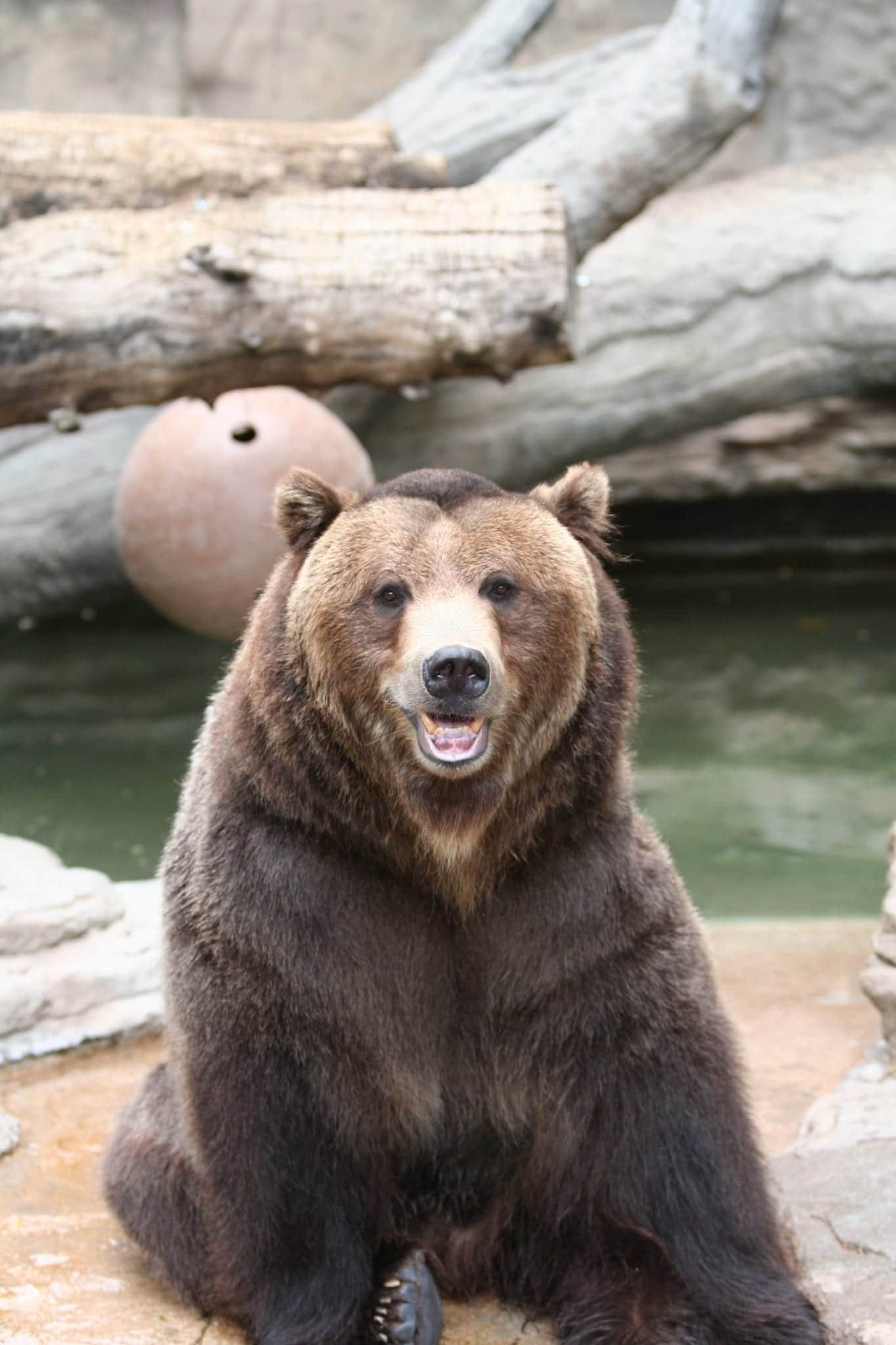
Despite its vast wilderness and diverse habitats, Colorado is home to only one species of bear: the American Black Bear (Ursus americanus). This fact often surprises visitors who might envision Grizzlies roaming the Rocky Mountains or hear anecdotal tales of various “types” of bears. Dispelling these myths is the first step in truly appreciating the unique ursine presence in the Centennial State.
Dispelling Myths: Only One Species
While the historical range of the Grizzly Bear (Ursus arctos horribilis) once extended into Colorado, the last confirmed sighting of a Grizzly Bear in the state was in 1979 in the San Juan Mountains. Today, these formidable predators are no longer found here, making the American Black Bear the sole representative of the bear family in Colorado. The misconception that there are different “types” of bears often arises from the incredible color variations of the American Black Bear itself. As their name suggests, many are black, but they can also be brown, cinnamon, blonde, or even reddish, leading people to mistakenly identify them as grizzlies or other species. This diversity in coat color is a testament to their adaptability and genetic variation within a single species.
Physical Characteristics and Identification
Identifying an American Black Bear is crucial for both safety and accurate wildlife appreciation. American Black Bears are generally smaller than grizzlies, though they are still large and powerful animals. Adult males in Colorado typically weigh between 200-300 pounds, with some reaching over 400 pounds, especially during periods of abundant food in the fall. Females are smaller, averaging 120-180 pounds. They stand about 2-3 feet tall at the shoulder when on all fours and can reach 5-7 feet when standing on their hind legs.
Distinguishing features include a straight facial profile (unlike the dished face of a Grizzly Bear), larger, more prominent ears, and the lack of a prominent shoulder hump (which is characteristic of grizzlies due to their powerful digging muscles). Their claws are shorter and more curved, optimized for climbing trees rather than the long, straight claws of a Grizzly Bear designed for digging. Understanding these physical traits helps tourists confidently identify the species they encounter, fostering a deeper respect for these unique Colorado residents.
Habitat and Distribution Across Colorado
American Black Bears are remarkably adaptable and can be found across much of Colorado’s forested and mountainous terrain, primarily in elevations ranging from 5,500 to 10,000 feet. Their preferred habitats include dense forests, aspen groves, oak brush, and pinyon-juniper woodlands. These areas provide ample cover, diverse food sources, and suitable denning sites. While they are predominantly found in the western two-thirds of the state, particularly in the Rocky Mountain National Park area, the San Juan Mountains, and the state’s numerous national forests, their range can extend into urban-interface areas when food is scarce or readily available from human sources. This proximity to human settlements underscores the importance of bear-aware practices for all residents and visitors.
Bear Behavior and Ecology: What Tourists Should Know
Understanding the behavior and ecology of the American Black Bear is paramount for responsible tourism in Colorado. Their patterns of activity, diet, and social structure dictate how and when humans might encounter them, and how best to minimize potential conflicts.
Dietary Habits and Seasonal Foraging
American Black Bears are omnivores, meaning their diet consists of both plant and animal matter. In Colorado, their diet is primarily vegetarian, heavily influenced by seasonal availability. In spring, they graze on tender grasses, forbs, and emerging shoots. Summer brings a bounty of berries like serviceberries, chokecherries, and raspberries. As fall approaches, bears enter a crucial phase called hyperphagia, where they consume vast quantities of food—acorns, hawthorn berries, and other nuts and fruits—to build up fat reserves for winter hibernation. Insects, grubs, and carrion also supplement their diet. Only a small percentage of their diet comes from meat, typically small mammals or occasionally fawns. Human food, when accessible, becomes an irresistible, high-calorie alternative that can quickly lead to habituation and conflict.
Activity Patterns: Primarily Crepuscular
While American Black Bears can be active at any time, they are primarily crepuscular, meaning they are most active during dawn and dusk. This is when they typically forage for food, travel between different parts of their home range, and are generally more on the move. For tourists venturing into bear country, this knowledge is critical. Hikers and campers should exercise extra vigilance during these hours. Early morning hikes or late afternoon strolls in areas known for bear activity carry a slightly higher chance of an encounter. Being aware of these activity patterns allows visitors to plan their excursions strategically and remain more observant during peak bear activity times.

Reproduction and Family Life
Female American Black Bears typically reproduce every two to three years. Mating occurs in late spring or early summer, but the fertilized egg undergoes delayed implantation, only implanting in the uterus in the fall if the female has accumulated sufficient fat reserves. Cubs are born in the den during winter, usually in January or February. A litter typically consists of one to three cubs, weighing less than a pound at birth. They remain with their mother for about 18 months, learning essential survival skills such as foraging, climbing, and identifying threats. Seeing a sow with cubs is a special but sensitive occasion. Mothers are highly protective of their young, and approaching or startling them can provoke a defensive charge. Giving a wide berth to any bear, especially a mother with cubs, is crucial for both human and bear safety.
Responsible Tourism: Coexisting with Colorado’s Bears
The increasing popularity of Colorado’s outdoor spaces means more human-bear interactions. Responsible tourism hinges on understanding and implementing bear-aware practices, ensuring that both visitors and the bears can safely share these magnificent landscapes.
Bear-Aware Practices for Hikers and Campers
Preventing conflicts with bears begins with proactive measures. For hikers, making noise while on trails, especially in dense vegetation or blind curves, helps alert bears to your presence, giving them time to move away. Hiking in groups is also safer than hiking alone. Carrying bear spray, knowing how to use it, and keeping it readily accessible is a vital safety tool. For campers, proper food storage is paramount. All food, scented items (toiletries, trash), and cooking gear must be stored in bear-resistant containers, hung from bear poles, or secured in a hard-sided vehicle. Never leave food unattended, even for a short period, and avoid cooking or eating inside tents. Dispose of all trash properly in bear-resistant bins, or pack it out. The goal is to ensure bears never associate humans with an easy meal.
Safety When Encountering a Bear
While encounters are rare, knowing how to react can prevent a potentially dangerous situation. If you see a bear at a distance, do not approach it. Give it plenty of space and alter your route if necessary. If a bear is closer, remain calm. Identify yourself by talking in a calm voice and waving your arms above your head to appear larger. Back away slowly, always facing the bear. Do not run, as this might trigger a chase response. If the bear follows, stand your ground and continue to make noise. Never get between a sow and her cubs. If a bear approaches or charges defensively (huffing, jaw popping, swatting the ground), stand your ground and make yourself look big and aggressive. Most often, a defensive charge is a bluff. If a black bear makes physical contact, fight back aggressively using anything at your disposal (fists, rocks, sticks, bear spray). This advice differs from how to react to a Grizzly Bear attack, reinforcing the importance of correctly identifying the species.
Protecting Bears and Preventing Human-Wildlife Conflict
The most significant threat to Colorado’s American Black Bears is human habituation. When bears learn that human environments provide easy access to high-calorie food sources (trash, pet food, bird feeders, unsecured coolers), they lose their natural fear of humans. This habituation often leads to bold behavior, property damage, and can eventually necessitate relocation or, tragically, euthanasia by wildlife officials. Colorado Parks and Wildlife (CPW) works tirelessly to educate the public and manage bear populations, but ultimately, the responsibility falls on every person who lives in or visits bear country. By adhering to bear-aware principles, tourists contribute directly to the conservation of these magnificent creatures and help prevent unnecessary conflicts that threaten both human safety and bear welfare.
Where to Potentially See Bears (Responsibly)
While bear sightings are never guaranteed, the allure of seeing an American Black Bear in its natural habitat is a powerful draw for many visitors. Understanding where they typically reside can increase your chances, but always remember that wildlife viewing requires patience, respect, and a commitment to not disturbing the animals.
Best Regions and Habitats
Bears are most frequently found in areas with dense vegetation, ample food sources, and access to water. This means focusing on the state’s national forests and wilderness areas, such as the White River National Forest, Gunnison National Forest, and the various sections of the San Juan Mountains. Rocky Mountain National Park, with its diverse ecosystems, is another prime location, though bear sightings there are still relatively uncommon and require luck. Look for areas rich in berry bushes, especially during late summer and fall. Trails near creeks or rivers, or in forested valleys, also offer good opportunities. Remember that early mornings and late evenings are typically the best times for wildlife viewing.
Understanding Bear Sightings as a Privilege
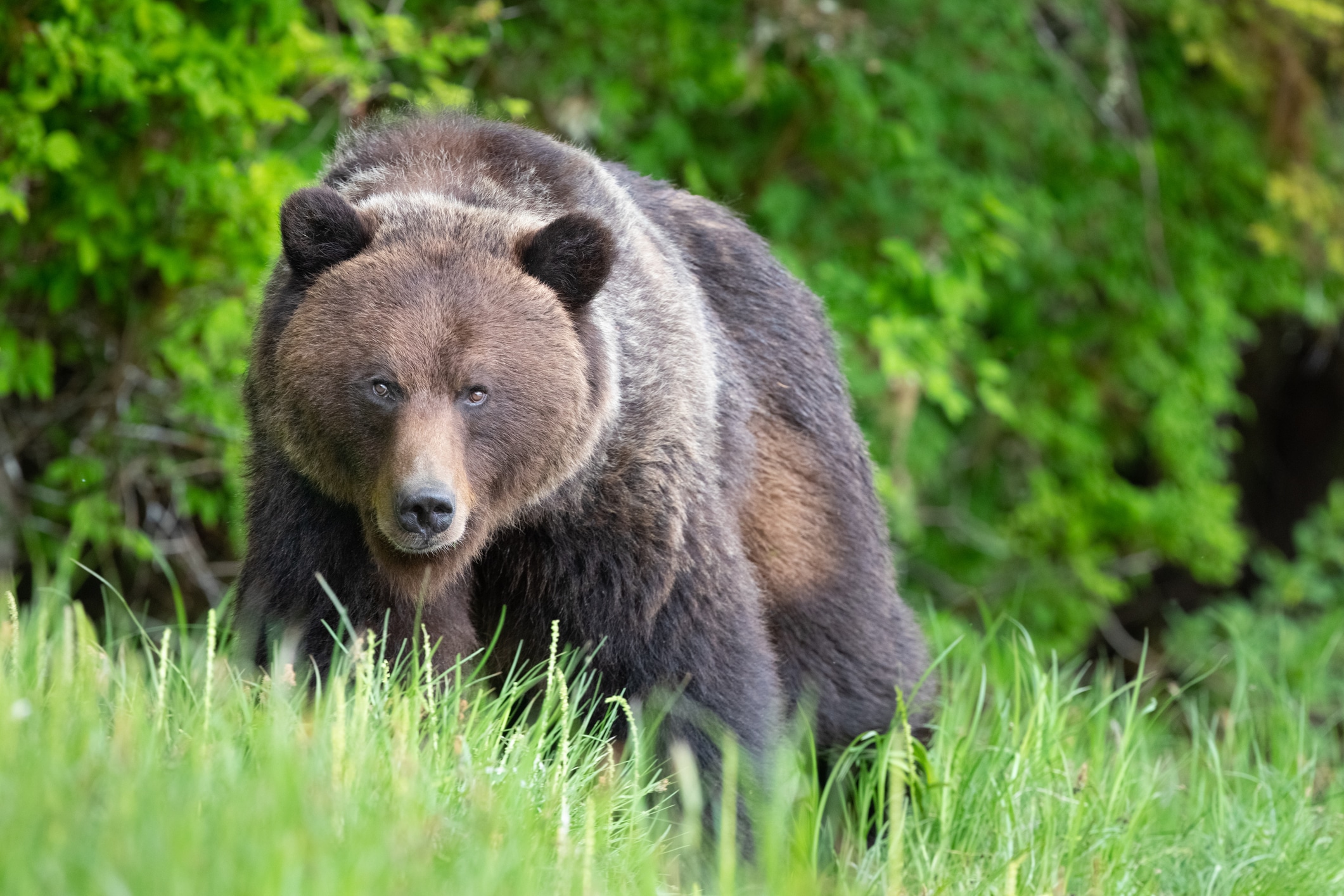
Spotting an American Black Bear in the wild is a truly memorable experience and a privilege. It’s a reminder of the wildness that still thrives in Colorado. When you do have the fortune of seeing a bear, observe it from a safe and respectful distance. Use binoculars or a telephoto lens for closer views, rather than approaching the animal. Avoid making sudden movements or loud noises that could startle it. Never attempt to feed a bear or leave food out for them. Your goal should be to witness their natural behavior without impacting it, ensuring that they remain wild and undisturbed. Responsible wildlife viewing not only enhances your own experience but also plays a vital role in the conservation of Colorado’s precious natural heritage.
In conclusion, the only bears you will find in Colorado are the resilient and adaptable American Black Bears. Their presence is a testament to the state’s rich biodiversity and the ongoing efforts to conserve its natural landscapes. As you plan your adventure through Colorado’s stunning wilderness, carry with you not just a sense of wonder, but also a commitment to responsible tourism. By understanding bear behavior, practicing bear-aware habits, and respecting their wild spaces, you contribute to a harmonious coexistence between humans and Colorado’s magnificent ursine residents, ensuring that future generations can also marvel at these creatures in their natural home.
LifeOutOfTheBox is a participant in the Amazon Services LLC Associates Program, an affiliate advertising program designed to provide a means for sites to earn advertising fees by advertising and linking to Amazon.com. Amazon, the Amazon logo, AmazonSupply, and the AmazonSupply logo are trademarks of Amazon.com, Inc. or its affiliates. As an Amazon Associate we earn affiliate commissions from qualifying purchases.