
California, a state of unparalleled diversity, captivates visitors with its sun-drenched beaches, towering redwood forests, bustling metropolises, and serene desert landscapes. For many travelers, planning a trip to this vast and vibrant destination can feel like mapping an entire continent. While guidebooks often categorize regions by north, central, and south, or by major cities, there’s a unique and surprisingly insightful way to understand California’s geographical tapestry and the experiences it offers: through its area codes. Far from just a string of digits, a California area code can act as a crucial identifier, hinting at the local culture, prominent attractions, available accommodations, and even the lifestyle you can expect in a particular region.

Understanding the distribution of California’s area codes provides a practical lens through which to plan your adventure, whether you’re seeking luxury travel, a budget-friendly family trip, or an immersive cultural experience. It’s a way to conceptualize the distinct pockets of this Golden State, helping you pinpoint the best destinations, choose the right hotels, and prepare for the unique tourism opportunities awaiting you.
Unlocking California: Why Area Codes Matter for Travelers
In a state as sprawling as California, where driving from San Diego to Eureka can take over 12 hours, having a mental map of its regions is invaluable. Area codes, often born from historical geographical divisions, serve as more than just dialing prefixes; they are silent indicators of distinct communities, economic hubs, and natural wonders. For the discerning traveler, recognizing these numerical identifiers can streamline trip planning, offering immediate clues about what a particular area has to offer.
A Geographic Blueprint for Exploration
Think of area codes as a mosaic, each tile representing a unique part of California with its own flavor. The 213/323 codes, for instance, immediately conjure images of downtown Los Angeles and Hollywood glamour, while 707 points towards the serene vineyards of Napa Valley and Sonoma. This geographic segmentation isn’t just about postal services; it’s about tourism. When you see a reference to a particular area code, you can quickly infer the type of destination it is: a bustling urban center, a tranquil coastal town, a mountainous retreat, or an agricultural heartland.
This understanding becomes particularly useful when you’re piecing together a multi-destination itinerary. If your travel plans involve exploring different facets of California, knowing the area codes can help you group nearby attractions and accommodations efficiently, minimizing travel time and maximizing your experience. It helps define logical travel corridors, whether you’re exploring the urban sprawl of Southern California or embarking on a scenic drive through the Central Coast.
Connecting with Local Culture and Amenities
Beyond mere geography, area codes often correlate with distinct local cultures, food scenes, and lifestyles. The sophistication of San Francisco (415/628) contrasts sharply with the laid-back surf culture of coastal Orange County (949/714). Each area code region boasts its own unique set of attractions, from world-class museums and historical landmarks to pristine natural parks and vibrant entertainment districts.
When searching for accommodation, understanding the area code can also guide your choices. A search for hotels in a 310 area code might lead you to luxury resorts in Beverly Hills or beachfront villas in Santa Monica, while a 559 search could reveal charming bed and breakfasts near Yosemite National Park or budget-friendly motels in the San Joaquin Valley. This connection helps travelers align their accommodation choices, whether it’s a family-friendly resort, a boutique hotel, or a long-term apartment rental, with the specific experiences they seek in a given area. It’s about more than just booking a room; it’s about choosing a temporary home that resonates with the local vibe and your travel aspirations.
Decoding California’s Diverse Regions Through Its Digits
California’s area codes are not static; they have evolved over decades, splitting and overlaying as populations grew and technology advanced. However, their core geographical divisions remain incredibly informative for anyone exploring the state. Let’s break down some of the major areas and their associated codes, highlighting what makes each unique for travelers.
Southern California: Beaches, Theme Parks, and Hollywood Glamour
Southern California is perhaps the state’s most iconic and densely populated region, a sprawling expanse known for its sun, surf, and star power.
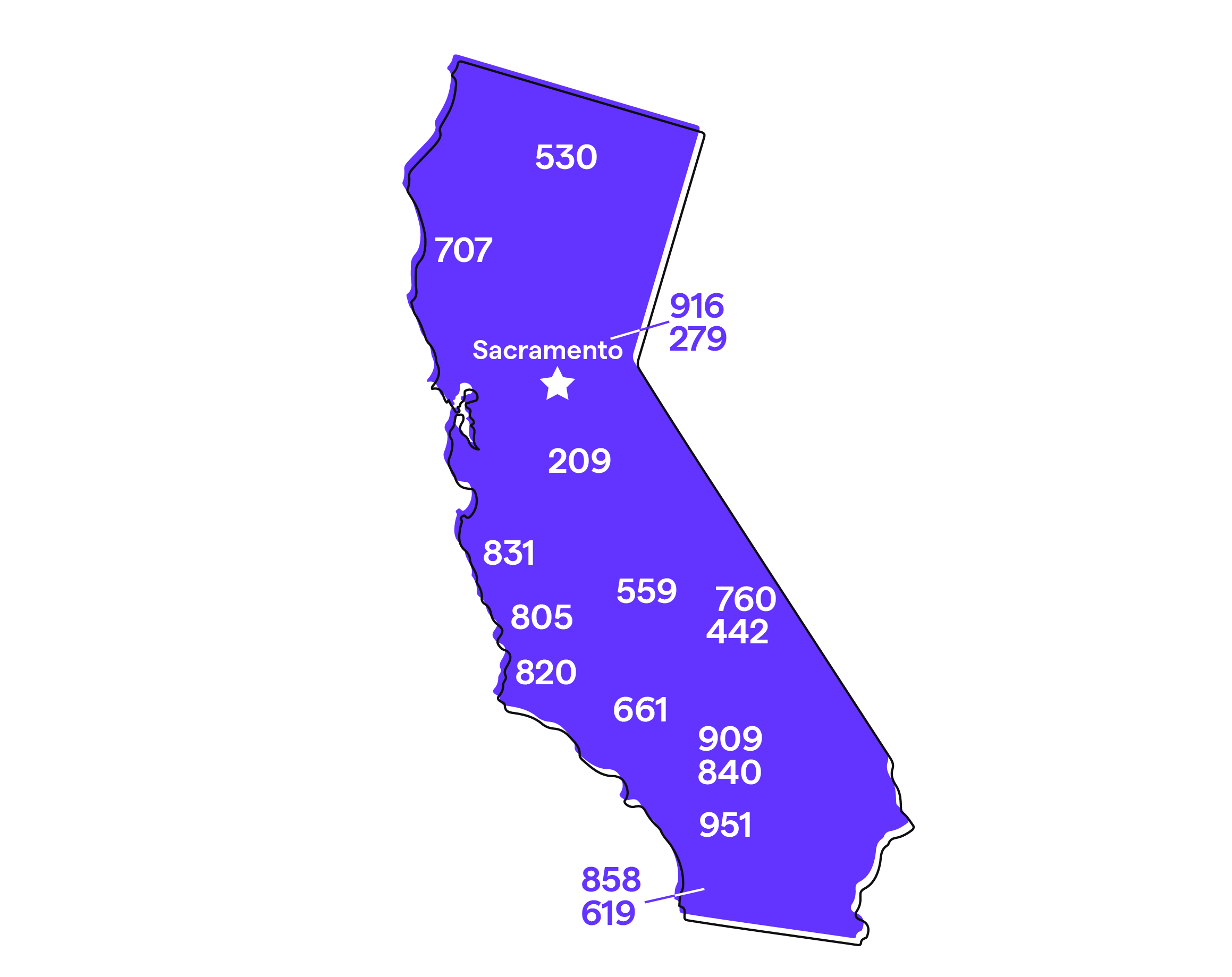
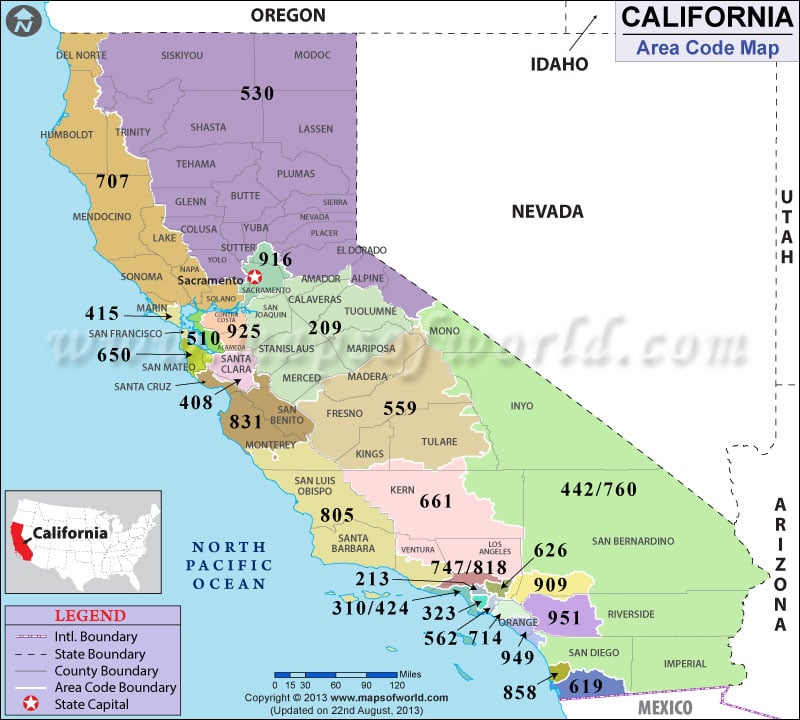
- 213/323/424/310/747/661 (Los Angeles County): This cluster of area codes defines the vastness of Los Angeles County.
- 213/323: These older codes primarily cover downtown Los Angeles, Hollywood, and surrounding historic neighborhoods. Here, you’ll find cultural landmarks like the Walt Disney Concert Hall, the Griffith Observatory, and the iconic Hollywood Walk of Fame. Accommodation ranges from trendy boutique hotels in Koreatown to luxury suites downtown like the InterContinental Los Angeles Downtown. The lifestyle here is fast-paced, offering endless entertainment, diverse culinary experiences, and a vibrant arts scene.
- 310/424/747: These codes generally encompass the affluent westside of Los Angeles, including Beverly Hills, Santa Monica, and Malibu, extending into the San Fernando Valley. This region is synonymous with luxury travel, offering high-end resorts such as the Waldorf Astoria Beverly Hills and beachfront hotels like the Fairmont Miramar Hotel & Bungalows in Santa Monica. Attractions include the Santa Monica Pier, Rodeo Drive, and stunning coastal drives.
- 661: This code primarily covers northern Los Angeles County, including Santa Clarita and Palmdale. It’s home to family-friendly attractions like Six Flags Magic Mountain, offering a different pace and often more budget-friendly accommodation options compared to the coastal areas.
- 714/949 (Orange County): These codes cover Orange County, a region famous for its pristine beaches, theme parks, and affluent communities.
- 714: Covers northern Orange County, including Anaheim, home to Disneyland Park and Disney California Adventure Park. Hotels here cater extensively to families, with numerous resorts and suite options like the Disneyland Hotel.
- 949: Encompasses southern Orange County, including coastal cities like Newport Beach, Laguna Beach, and Irvine. This area is known for luxury resorts such as the Pelican Hill Resort, art galleries, and upscale dining.
- 619/858/935 (San Diego County): These codes represent San Diego County, a popular destination known for its beautiful coastline, mild climate, and vibrant city life. Major attractions include the San Diego Zoo, Balboa Park, and the historic Gaslamp Quarter. Accommodation options are diverse, from luxury beachfront resorts like the Hotel del Coronado to charming boutique hotels downtown.
- 909/951 (Inland Empire): These codes cover the Inland Empire region, including cities like Riverside and San Bernardino. This area offers access to outdoor activities in the nearby San Bernardino National Forest and often provides more affordable accommodation options for travelers exploring Southern California on a budget.
- 760/442 (Palm Springs/High Desert): This code is synonymous with the Palm Springs desert resort area, famous for its mid-century modern architecture, golf courses, and spa resorts like The Parker Palm Springs. It also extends into the high desert, providing access to Joshua Tree National Park for nature lovers and adventurers.
Central California: Agricultural Heartlands, Mountains, and Coastal Escapes
Central California offers a rich tapestry of experiences, from fertile valleys to stunning national parks and picturesque coastlines.
- 805 (Central Coast/Ventura County): This area code covers the beautiful Central Coast, including Santa Barbara, San Luis Obispo, and Ventura County. It’s renowned for its Spanish Colonial architecture, wine regions, and charming coastal towns like Cambria and Morro Bay. Luxurious stays can be found at resorts like the Ritz-Carlton Bacara, Santa Barbara, alongside cozy inns and boutique hotels perfect for romantic getaways or family trips. Attractions include the Hearst Castle and the scenic Highway 1 drive.
- 559 (San Joaquin Valley/Sierra Nevada): Covering the expansive San Joaquin Valley and extending into the majestic Sierra Nevada mountains, this code includes cities like Fresno and is the gateway to some of California’s most spectacular national parks: Yosemite National Park, Sequoia National Park, and Kings Canyon National Park. Accommodation here ranges from rustic cabins and campgrounds to hotels in gateway towns, ideal for adventure travelers and those seeking nature-focused experiences.
- 661 (Bakersfield/Tehachapi): While partly associated with Los Angeles County (as mentioned above), this code also extends into the Southern San Joaquin Valley, including Bakersfield. This area is significant for its agricultural heritage and serves as a vital crossroad for travelers heading north or south.
Northern California: Tech Hubs, Wine Country, and Majestic Wilderness
Northern California presents a dramatic shift in landscape and culture, from global innovation centers to ancient redwood forests.
- 415/628 (San Francisco/Marin County): These codes define San Francisco and Marin County.
- 415/628: San Francisco is a world-class destination, home to iconic landmarks like the Golden Gate Bridge, Alcatraz Island, and Fisherman’s Wharf. The city offers an array of luxury hotels such as the St. Regis San Francisco, charming boutique hotels in neighborhoods like North Beach, and serviced apartments for longer stays. Marin County, just north of the bridge, offers access to natural beauty, including the Muir Woods National Monument and stunning coastal trails.
- 510/341 (East Bay): These codes cover the East Bay region, including cities like Oakland, Berkeley, and Fremont. Known for its diverse culture, progressive atmosphere, and vibrant food scene, the East Bay provides a slightly more affordable alternative to San Francisco for accommodation, with excellent public transport links.
- 650/669 (Peninsula/Silicon Valley): These codes cover the San Francisco Peninsula and the heart of Silicon Valley, including Palo Alto, Mountain View, and San Jose. This is a hub for business travel and innovation, with a focus on modern, tech-forward hotels and extended-stay options. While often business-oriented, it also offers cultural attractions like the Computer History Museum and Stanford University.
- 707/369 (North Bay/Wine Country): This highly sought-after area code defines California’s renowned Wine Country, encompassing Napa Valley, Sonoma, and regions stretching north along the coast. It’s a prime destination for luxury travel, offering world-class wineries, gourmet dining, and lavish resorts such as the Bardessono Hotel & Spa in Yountville. Beyond wine, it provides access to the rugged beauty of the Sonoma Coast and the towering redwoods.
- 916/279 (Sacramento/Gold Country): These codes cover Sacramento, the state capital, and the historic Gold Country region. Sacramento offers a rich history, with attractions like Old Sacramento State Historic Park and a burgeoning farm-to-fork food scene. The surrounding Gold Country offers charming towns, outdoor recreation, and a glimpse into California’s past.
- 530 (Far Northern California/Sierra Nevada): This vast area code spans far Northern California, from the Cascade Range to the Sierra Nevada, including areas around Lake Tahoe and Mount Shasta. It’s a paradise for outdoor enthusiasts, offering skiing, hiking, and stunning natural beauty. Accommodation here includes lakeside resorts, cozy mountain lodges, and cabins, catering to adventure and nature tourism.
Area Codes and Your Ideal California Stay
Choosing the right area code to focus your search can profoundly influence the type of travel experience you’ll have in California. From opulent getaways to cost-effective adventures, the digits often delineate the prevailing lifestyle and amenities.
Luxury Escapes and Boutique Stays
If your vision of a California trip involves pampering, exquisite dining, and exclusive experiences, certain area codes are your go-to. Codes like 310/424 (West Los Angeles, Beverly Hills, Santa Monica), 949 (South Orange County coast), 805 ( Santa Barbara), and 707 ( Napa Valley/Sonoma) are synonymous with luxury travel. Here, you’ll find five-star hotels, lavish resorts with world-class spas, private villas, and gourmet restaurants. Expect amenities such as infinity pools, concierge services, and proximity to high-end shopping and cultural events. Booking in these areas often means indulging in unique experiences, from private wine tastings to celebrity chef dinners and exclusive art gallery tours. Reviews for hotels in these regions often highlight exceptional service and unparalleled comfort, making them ideal for honeymoons, anniversaries, or discerning business stays that blend work with leisure.
Budget-Friendly Adventures and Family Fun
For travelers mindful of their budget or those planning family trips, other area codes offer fantastic value without compromising on experience. Areas like 661 (northern Los Angeles County and Bakersfield), 909/951 ( Inland Empire), or areas within 559 ( San Joaquin Valley gateway towns to national parks) often feature more affordable accommodation options. You’ll find comfortable hotels, motel chains, and a wider selection of apartment rentals perfect for families. These regions are often gateways to natural attractions, offering hiking, camping, and outdoor activities that are inherently budget-friendly.
Even in more popular tourist areas, looking slightly outside the immediate central hub within the same area code can yield savings. For instance, in Orange County, staying in parts of the 714 area code outside the immediate Disneyland resort district can significantly reduce accommodation costs while still offering easy access to attractions. These areas provide excellent opportunities for family-focused tourism, with numerous parks, attractions, and cultural activities designed to entertain all ages.
Business Travel and Extended Stays
California is a global hub for business, particularly in the tech sector. Area codes like 650/669 ( Silicon Valley/San Jose) and parts of 510/341 ( East Bay) are central to this corporate landscape. Travelers here often prioritize hotels with robust business amenities: high-speed internet, meeting rooms, executive lounges, and convenient access to corporate campuses. For those on extended business trips or considering a long-term stay, serviced apartments and extended-stay hotels are plentiful, offering the comforts of home with added services. These accommodations often come with kitchenettes, laundry facilities, and fitness centers, making them ideal for travelers who need more than just a transient hotel room. The lifestyle in these regions caters to professionals, with numerous co-working spaces, networking events, and diverse dining options suitable for client meetings or solo meals.
Navigating California: Practical Tips for Seamless Travel
Armed with the knowledge of California’s area codes, your travel planning can become more intuitive and efficient. This unique perspective can enhance every aspect of your trip, from booking to day-to-day navigation.
Planning Your Route by Region
When mapping out your California adventure, consider grouping destinations by their predominant area codes. This approach helps create logical itineraries, minimizing long drives and maximizing time spent exploring. For example, if you’re interested in Wine Country (707/369), you can plan visits to vineyards in both Napa and Sonoma within a single trip, perhaps combining it with a coastal drive. Similarly, exploring Los Angeles (213/323/310) can be segmented: a few days on the westside (310) for beaches and glamour, then shifting downtown (213) for museums and historical sites.
Utilize online booking platforms and travel guides, keeping area code information in mind when searching for hotels, attractions, or local services. Many booking sites allow you to filter by city or neighborhood, which often aligns closely with area code boundaries. Reading reviews specific to accommodations in a particular area code can provide insights into local amenities, dining options, and the general atmosphere, helping you confirm if it matches your lifestyle and travel expectations.
The Digital Traveler: Staying Connected
While local area codes define geographic regions, in today’s interconnected world, staying digitally connected is paramount for travelers. Most modern cell phones automatically recognize and dial appropriate area codes, so you generally won’t need to manually add them when calling within California. However, understanding the area codes can be useful when you encounter local phone numbers on brochures, restaurant menus, or tourist information, instantly telling you which part of the state the business is located in.
For international visitors, ensure your mobile plan includes roaming in the United States, or consider purchasing a local SIM card upon arrival. This will ensure you can make local calls, access maps, and stay connected with your accommodation or tour operators. Always keep a list of important local contacts, including your hotel, emergency services, and any tour guides, making a note of their area codes for quick reference, especially in diverse regions like California where different area codes can be just a short drive apart.
In conclusion, the seemingly mundane digits of a California area code offer a surprisingly rich and practical framework for understanding and planning your journey through this magnificent state. They are more than just numbers; they are historical markers, cultural signposts, and geographical guides that can lead you to your perfect California experience, whether it’s a luxury retreat, a family adventure, or an immersive cultural exploration.