
The skyline of Las Vegas is one of the most recognizable in the world, a neon-lit testament to architectural ambition and the hospitality industry’s constant evolution. However, the landscape of Nevada is defined as much by what is built as by what is taken down. For those asking what casino is closing in Las Vegas, the answer marks the end of two monumental eras. Both the Tropicana Las Vegas and The Mirage have recently shuttered their doors, signaling a massive shift in how the city approaches luxury accommodations, resort amenities, and site redevelopment.
This transition reflects a broader trend within the Las Vegas Strip ecosystem: the replacement of aging mid-century and late-80s properties with hyper-modern, tech-integrated mega-resorts designed to meet the demands of the 21st-century traveler. Understanding these closures requires looking beyond the gaming floors and into the history of the suites, the evolution of resort lifestyle, and the future of hospitality in the desert.
The End of an Era: The Closure of the Tropicana Las Vegas
The Tropicana Las Vegas was more than just a place to stay; it was a cornerstone of the city’s identity for over six decades. Opened in 1957, it was once known as the “Tiffany of the Strip,” representing the height of luxury and tropical-themed leisure. Its closure in early 2024 was a somber moment for historians of the city, as it cleared the way for a brand-new chapter involving professional sports and massive structural redevelopment.
A Legacy of Mid-Century Luxury
When the Tropicana Las Vegas first opened, it set a new standard for the United States resort industry. The hotel was designed to offer an immersive experience that transported guests to a lush, exotic getaway. Over the years, the resort underwent several renovations to keep pace with nearby giants like MGM Grand and the New York-New York Hotel & Casino. Despite these efforts, the aging infrastructure of the property eventually became a hurdle in an era where travelers seek high-speed connectivity and sustainable building practices.
The closure of the property is specifically to make room for a new $1.5 billion stadium for the Oakland Athletics, who are relocating to Las Vegas. While the casino and hotel towers are being demolished, the site will remain a hub of activity, albeit one focused on Major League Baseball rather than traditional hotel stays.
Room Amenities and the Classic Strip Experience
In its final years, the Tropicana Las Vegas offered a “South Beach” vibe following a major $200 million renovation. The rooms featured warm sunset tones, plantation shutters, and a brightness that contrasted with the dark, moody aesthetics of many older Las Vegas properties. For many frequent visitors, the resort was a favorite due to its relatively intimate size compared to the sprawling campuses of the Luxor Hotel & Casino or the Excalibur Hotel & Casino.
The hotel’s pool area was also legendary, featuring the city’s first swim-up blackjack tables. This blend of relaxation and gaming was a hallmark of the Tropicana Las Vegas experience, providing a template for the resort-style amenities that would later become standard across the globe.
The Mirage: Saying Goodbye to the First Mega-Resort
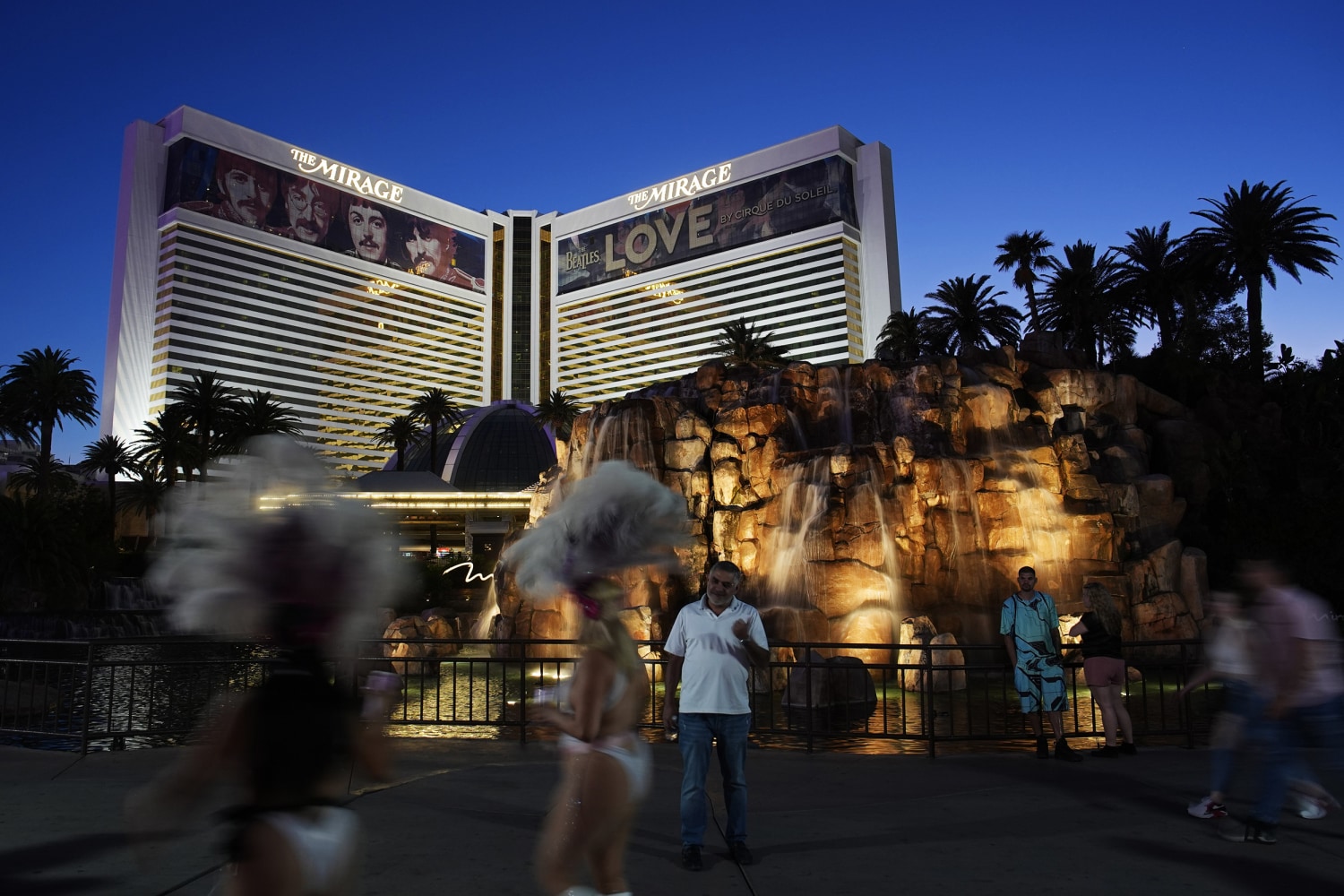
While the Tropicana Las Vegas represented the mid-century era, The Mirage represented the birth of the modern “mega-resort.” Its closure in July 2024 sent shockwaves through the travel industry, as it was the property that arguably saved Las Vegas from a period of stagnation in the late 1980s. Founded by Steve Wynn, the resort was the first to use gaming revenue to finance a scale of luxury previously unseen in the desert.
Redefining Hospitality and Entertainment
The Mirage was revolutionary because it shifted the focus from purely gambling to an all-encompassing hospitality experience. With its iconic volcano attraction, a lush indoor atrium filled with tropical flora, and the secret garden featuring white tigers, it proved that guests would pay a premium for “the experience” as much as the room.
The hotel’s suites were often cited as some of the most comfortable on the Las Vegas Strip, offering views of the erupting volcano and the surrounding mountains. By integrating high-end dining, world-class entertainment like Cirque du Soleil, and a massive pool complex, The Mirage paved the way for future icons like the Bellagio and Wynn Las Vegas.
Future Transformations into Hard Rock Hotel

The closure of The Mirage is not an end, but a metamorphosis. The property was purchased by Hard Rock International, which plans to transform the site into the Hard Rock Hotel and Casino Las Vegas. The most striking change will be the addition of a 600-foot guitar-shaped hotel tower, similar to the one found at their property in Hollywood Florida.
This rebranding highlights the shift toward “themed luxury” where the hotel building itself becomes a landmark. The new Hard Rock Hotel and Casino Las Vegas will feature expanded suite offerings, modernized meeting spaces, and an overhaul of the existing room inventory to meet contemporary standards of “rock star” luxury.
Why Las Vegas Hotels are Rebranding and Rebuilding
The simultaneous closure of such legendary properties as The Mirage and Tropicana Las Vegas points to a deeper evolution in the hotel industry. Property owners are finding that it is often more cost-effective to rebuild from the ground up than to retro-fit aging structures with the technology required for modern hospitality management.
The Demand for Modern Luxury and Tech-Forward Suites
Today’s luxury traveler expects more than just a bed and a mini-fridge. They look for smart-room technology, where lighting, temperature, and room service can be controlled via an iPad or smartphone. New properties like Resorts World Las Vegas and Fontainebleau Las Vegas have set a high bar, offering integrated digital experiences that older hotels struggle to match.
Furthermore, the “suite” market has become incredibly competitive. In Las Vegas, a suite is no longer just a larger room; it is an environment. Modern resorts are focusing on “villas within a hotel,” offering private entrances, butler service, and exclusive lounge access. Both Caesars Palace and The Venetian Las Vegas have pioneered this model, and newer developments are following suit by dedicating entire floors to high-limit hospitality.
Impact on the Surrounding Hospitality Ecosystem
When a major resort closes, the ripple effect is felt across the entire city. Thousands of employees are transitioned to new roles or properties, and the surrounding businesses must adapt to the change in foot traffic. However, these closures also provide an opportunity to address urban planning and environmental sustainability.
Newer hotel designs in Las Vegas focus heavily on water conservation and energy efficiency—critical factors for any business operating in the Mojave Desert. By replacing older buildings, the city can reduce its overall environmental footprint while increasing the number of available rooms and luxury amenities.
Navigating the Las Vegas Hotel Landscape During Transition
For travelers planning a visit during this period of transition, the options for luxury stays remain more abundant than ever. While some icons are disappearing, new ones are rising to take their place, often offering a more refined and specialized experience.
Alternative Stays: The Rise of Fontainebleau and Beyond
With The Mirage and Tropicana Las Vegas offline, many visitors are turning to the north end of the strip. Fontainebleau Las Vegas has finally opened its doors after years of anticipation, bringing a touch of Miami elegance to the desert. Its rooms are characterized by floor-to-ceiling windows and a blue-and-gold palette that emphasizes the high-end luxury the brand is known for.
Similarly, Resorts World Las Vegas offers a three-tier hotel experience under one roof, featuring Hilton Las Vegas, Conrad Las Vegas, and Crockfords Las Vegas. This “multi-brand” approach allows guests to choose the level of luxury and price point that suits them while sharing the same world-class amenities and dining options.

The Persistence of Classic Luxury
Even as some properties close, others continue to thrive through constant reinvention. Encore at Wynn Las Vegas remains a gold standard for suite-based hospitality, focusing on impeccable service and aesthetic harmony. Meanwhile, properties like the Cosmopolitan of Las Vegas continue to attract a younger, lifestyle-oriented crowd with their unique terraces and urban design.
The story of Las Vegas is one of perpetual motion. While it is sad to see the sun set on the Tropicana Las Vegas and The Mirage, their closures are necessary steps for the city to redefine luxury for a new generation. The hotels of tomorrow will be smarter, taller, and more immersive, ensuring that the city remains the global capital of hospitality and entertainment for decades to come. Whether it is a guitar-shaped tower or a stadium-adjacent luxury suite, the next chapter of Las Vegas history promises to be just as spectacular as the last.
LifeOutOfTheBox is a participant in the Amazon Services LLC Associates Program, an affiliate advertising program designed to provide a means for sites to earn advertising fees by advertising and linking to Amazon.com. Amazon, the Amazon logo, AmazonSupply, and the AmazonSupply logo are trademarks of Amazon.com, Inc. or its affiliates. As an Amazon Associate we earn affiliate commissions from qualifying purchases.